Protein Overload Hair Damage: How to Fix It
Discover the signs of protein overload in hair, why it happens, and expert steps to restore moisture balance and healthy strands.
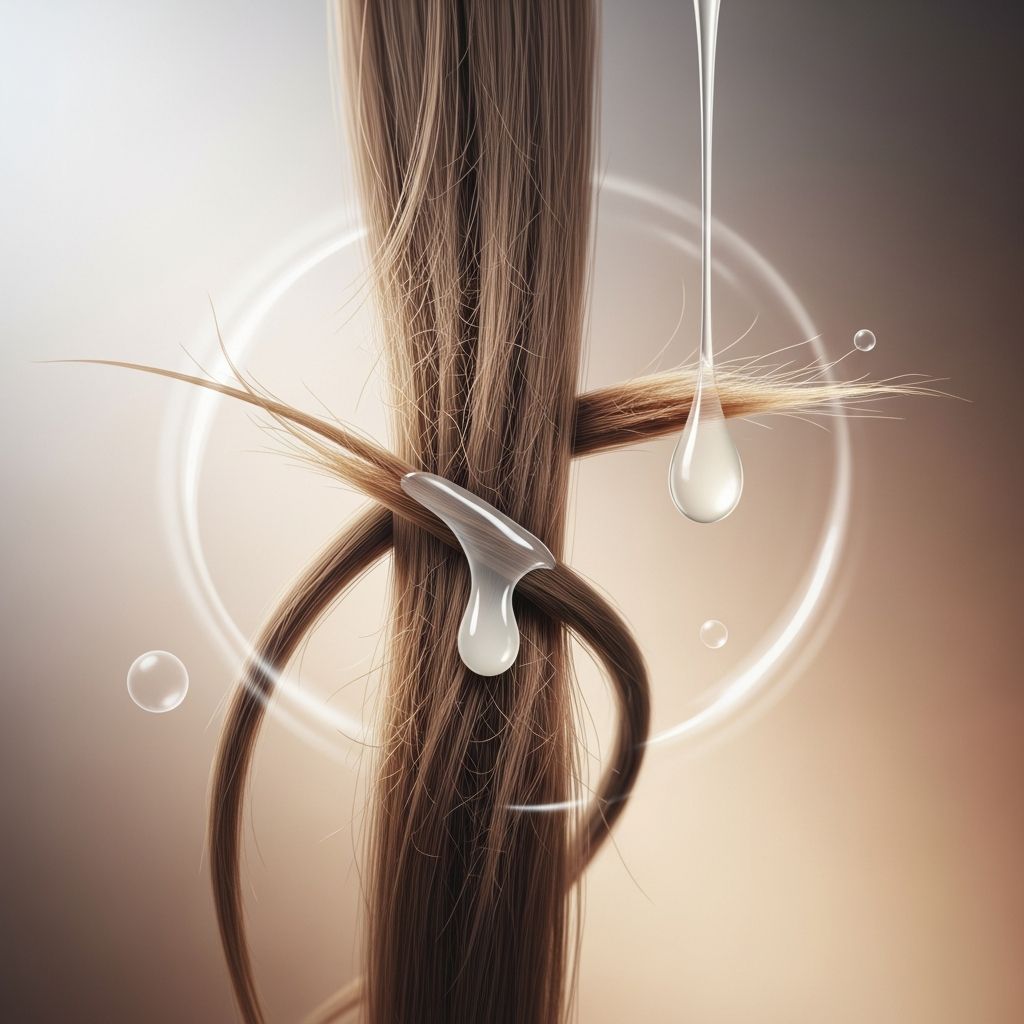
Protein overload occurs when hair absorbs excessive protein from treatments, leading to dryness, brittleness, and breakage, disrupting the natural moisture-protein balance essential for healthy strands.
What Is Protein Overload?
Hair is primarily made of keratin, a protein that provides strength and structure. However, when topical products deliver too much protein—such as hydrolyzed keratin, wheat protein, or amino acids—the hair cuticle becomes coated, making strands rigid and unable to retain moisture. This imbalance, known as protein overload, affects all hair types, from straight to curly, and is not caused by dietary protein but by overuse of strengthening shampoos, masks, and leave-ins.
Healthy hair thrives on a delicate equilibrium: protein for resilience and moisture for flexibility. Excess protein weighs down the shaft, reduces elasticity, and mimics damage from heat or chemicals, often leading users to apply even more protein in a vicious cycle.
Signs and Symptoms of Protein Overload in Hair
Recognizing protein overload early prevents further damage. Key indicators include:
- Dryness and straw-like texture: Hair feels coarse, rough, and stiff to the touch, lacking natural softness.
- Brittleness and snapping: Strands break easily, especially mid-shaft, like twigs under tension.
- Loss of elasticity: Hair fails the stretch test—wet strands snap instead of stretching 30% and bouncing back.
- Dullness and lack of shine: Once-lustrous hair appears matte, lifeless, and frizzy.
- Breakage, split ends, and shedding: Increased fragility leads to limp ends and excessive fallout.
- Altered curl pattern: Curly or wavy hair loses definition, becoming puffy or straight due to blocked moisture.
These symptoms often overlap with other damage, but protein overload specifically stems from product buildup, not environmental factors alone.
Causes of Protein Overload
The main culprit is overuse of protein-packed products. Common triggers include:
- Frequent use of keratin treatments, bond builders, and fortifying masks.
- Layering multiple products with hydrolyzed proteins (wheat, soy, silk), collagen, or amino acids.
- Daily strengthening shampoos or leave-ins without moisture counterbalance.
- Neglecting to clarify buildup, allowing proteins to accumulate on the cuticle.
Unlike moisture overload (limp, gummy hair), protein excess stiffens strands. It’s reversible but requires intentional routine changes.
| Symptom | Protein Overload | Moisture Overload | General Damage |
|---|---|---|---|
| Feel | Stiff, coarse, straw-like | Overly soft, limp, gummy | Rough, weak |
| Look | Dull, wiry frizz, no curls | Flat, puffy, no bounce | Split ends, thinning |
| Triggers | Excess keratin/products | Too much conditioning | Heat, bleach, sun |
This table highlights distinctions for accurate diagnosis.
Effects of Protein Overload on Hair Health
Excess protein coats the hair shaft, increasing weight and friction against gravity, which exhausts strands and promotes breakage. It blocks moisture penetration, causing chronic dryness and reduced manageability. For textured hair, it flattens curls by rigidifying the cortex. Over time, this leads to thinning, heightened sensitivity to styling, and a drab appearance that undermines confidence. While not permanent, untreated overload exacerbates other damages, creating a brittle, high-maintenance mane.
How to Test for Protein Overload
Simple at-home tests confirm imbalance:
- Stretch Test: Take a wet strand; healthy hair stretches 30% then rebounds. Protein-loaded hair snaps immediately.
- Feel Test: Rub dry hair between fingers—if straw-like and rough, suspect overload.
- Float Test: Place a strand in water; overloaded hair sinks faster due to density.
- Porosity Check: Clip a strand and dip in water; low-porosity (protein-heavy) hair floats longer before absorbing.
Related Stories



Consult a trichologist for professional analysis if symptoms persist.
How to Fix Protein Overload: Step-by-Step Guide
Restoring balance prioritizes moisture while clarifying excess protein. Follow this protocol:
- Clarify Immediately: Use a chelating shampoo (e.g., with EDTA) 1-2 times weekly to remove buildup. Follow with apple cider vinegar rinse (1:4 dilution) for pH balance.
- Boost Moisture: Switch to hydrating shampoos and deep conditioners with humectants like glycerin, honey, or aloe. Apply weekly masks for 20-30 minutes under a cap.
- Pause Proteins: Eliminate all protein products for 4-6 weeks. Read labels rigorously.
- Oil Seal: Use lightweight oils (argan, jojoba) on ends to lock in hydration without weighing down.
- Gentle Handling: Detangle wet hair with wide-tooth combs; air-dry when possible to avoid stress.
Expect improvement in 2-4 weeks with consistency. Track progress with photos.
Prevention Tips: Maintaining Protein-Moisture Balance
Avoid future overload with these habits:
- Alternate protein and moisture treatments (e.g., protein monthly, moisture weekly).
- Choose balanced products; limit proteins to damaged hair only.
- Clarify monthly, regardless of type.
- Monitor hair response—adjust based on texture changes.
- Hydrate internally: Drink water and eat omega-rich foods for support.
Tailor routines: Low-porosity hair needs less protein; high-porosity more, but always balanced.
Product Recommendations for Recovery
- Clarifiers: Malibu C Hard Water Wellness Shampoo.
- Moisturizers: Shea Moisture Manuka Honey Mask, Cantu Apple Cider Vinegar Rinse.
- Oils: Moroccanoil Treatment Light.
Select sulfate-free, silicone-free options for purity.
Frequently Asked Questions (FAQs)
What are the first signs of protein overload?
Hair feels dry, brittle, and straw-like with snapping during stretching and loss of shine.
Can protein overload be reversed?
Yes, by clarifying, pausing proteins, and focusing on moisture—results show in weeks.
Does diet cause protein overload?
No, it’s solely from topical products, not food intake.
How often should I use protein treatments?
Once monthly max, alternated with moisture; less for fine hair.
Is protein overload real or a myth?
It’s real, backed by stylist observations and hair science, though anecdotal in some studies.
References
- Signs of protein overload in hair: How to identify and restore balance — Yuai Hair Care. 2023. https://yuaiahaircare.com/blogs/knowledge-base/signs-of-protein-overload-in-hair
- Too Much Protein in Hair: Causes, Effects, and More — Healthline. 2023-05-15. https://www.healthline.com/health/beauty-skin-care/too-much-protein-in-hair
- Protein Overload in Hair: What It Is & How to Fix It — Goldie Locks. 2024. https://goldielocks.com/blogs/news/protein-overload-hair
- Can Too Much Protein Wreck Your Hair? — W Magazine. 2024-02-20. https://www.wmagazine.com/beauty/hair-protein-overload-myth-symptoms-fix-remedy
- Protein Overload Symptoms and How to Undo the Damage — Tyme Style. 2023. https://www.tymestyle.com/blogs/blog/symptoms-of-protein-overload-in-hair-and-what-to-do
- The Mystery of Protein Overload: A Scientific Investigation — CurlsBot. 2022. https://www.curlsbot.com/blog/mystery-of-protein-overload-a-scientific-investigation
Similar Articles








Read full bio of Sneha Tete