5 Protein-Packed Foods for Healthy Meatless Meals
Discover nutrient-rich plant-based protein sources for balanced, satisfying vegetarian meals.
In today’s health-conscious world, more people are exploring meatless meal options for various reasons—whether for personal health, environmental concerns, or ethical considerations. One of the most common concerns about reducing meat consumption is whether you can still get enough protein. The answer is a resounding yes. Plant-based proteins are abundant, nutritious, and can provide all the essential amino acids your body needs when incorporated thoughtfully into your diet. In fact, numerous studies have demonstrated that well-planned vegetarian and vegan diets can support optimal health across all life stages.
The myth that meat is the only significant source of protein has long been debunked by nutritional science. Globally, approximately 70% of dietary protein comes from grains, vegetables, and fruits, while only 30% comes from animal sources including dairy and eggs. This distribution reflects a reality that many Americans overlook: plant-based proteins are not only viable but can offer unique nutritional benefits when incorporated into your regular meal planning.
Creating satisfying meatless meals doesn’t require complicated recipes or exotic ingredients. Instead, it involves understanding which plant-based foods pack the most nutritional punch and learning how to combine them effectively. Whether you’re embracing Meatless Monday as part of a global health movement or transitioning to a fully vegetarian lifestyle, these five protein-rich foods will form the foundation of nutritious, delicious meals.
Understanding Plant-Based Protein Needs
Before exploring specific foods, it’s important to understand your protein requirements. The recommended dietary allowance (RDA) for protein is 0.8 grams per kilogram of body weight for most adults, though needs may vary based on age, sex, and activity level. The good news is that plant-based proteins, when consumed in adequate quantities and proper combinations, can fully meet these requirements.
Plant-based proteins contain all the same amino acids as animal proteins—they simply differ in the proportions of certain amino acids. By consuming a variety of plant-based protein sources throughout the day, you ensure that you receive all nine essential amino acids your body cannot produce on its own. This principle of protein complementation makes plant-based eating both flexible and nutritionally complete.
Legumes: The Protein Powerhouse
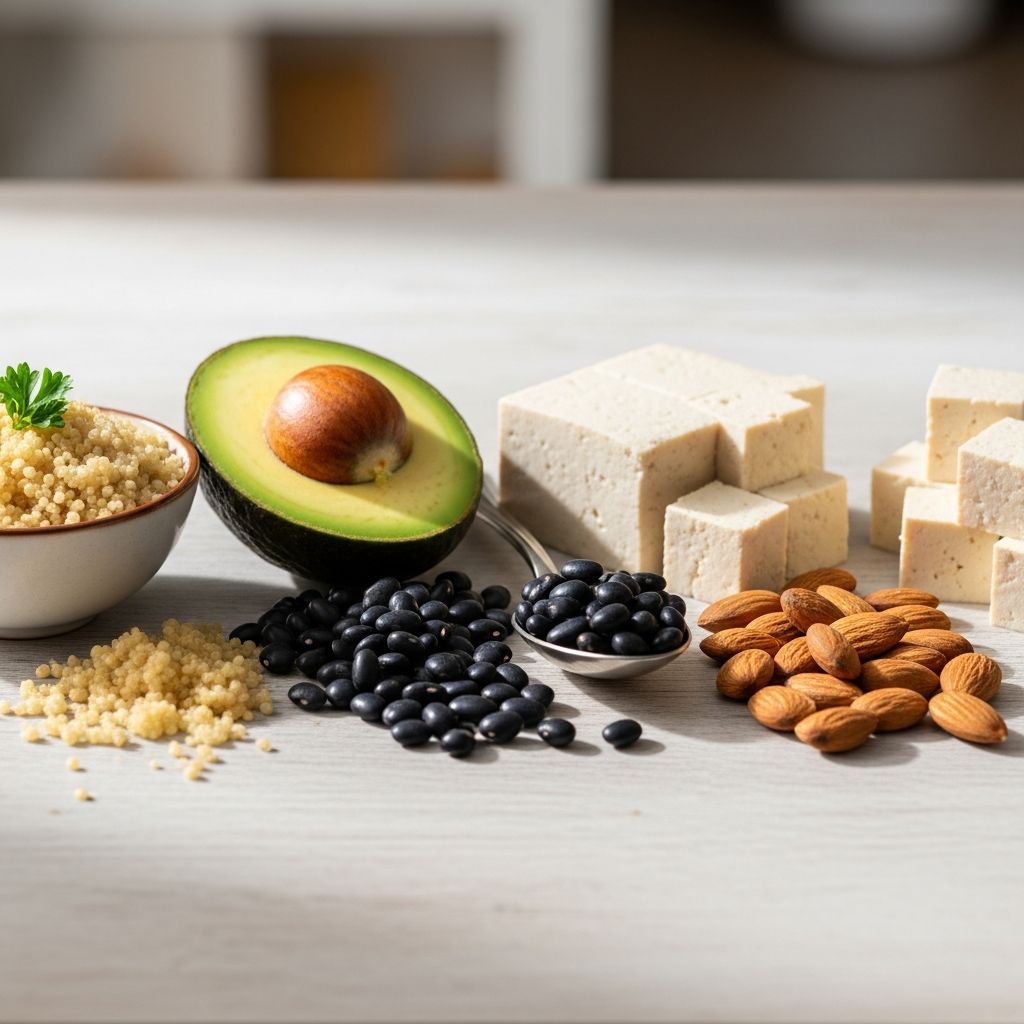
Legumes—including beans, lentils, and peas—stand as one of the most versatile and nutrient-dense plant-based protein sources available. A single cup of cooked beans typically contains between 12 to 18 grams of protein, rivaling the protein content of many meat-based meals. Beyond protein, legumes provide substantial amounts of dietary fiber, which supports digestive health and helps maintain healthy blood sugar levels.
Black beans, kidney beans, chickpeas, and lentils offer distinct flavors and textures that work beautifully in diverse cuisines. Lentils cook quickly—often in under 30 minutes—making them an excellent choice for weeknight meals. Chickpeas can be roasted for snacks, blended into hummus, or added to salads and curries. The versatility of legumes means you can incorporate them into breakfast dishes, lunch bowls, dinner entrées, and even desserts through creative plant-based baking.
Legumes also contain important micronutrients including iron, zinc, and folate. The combination of protein, fiber, and these essential minerals makes legumes a cornerstone of any healthy plant-based diet. A simple bean-based chili, lentil soup, or chickpea curry can provide a complete meal that satisfies nutritionally and culinarily.
Related Stories



Soy Products: Complete Protein Sources
Soy stands uniquely among plant-based proteins because it contains all nine essential amino acids in optimal proportions, making it a “complete protein” equivalent to animal-based sources. Tofu, tempeh, and edamame represent different forms of soy that offer distinct culinary applications and nutritional profiles.
Tofu’s mild flavor and adaptable texture make it ideal for absorbing seasonings and fitting into various dishes. Silken tofu works beautifully in smoothies, soups, and desserts, while firm tofu holds its shape during stir-frying, grilling, and baking. A 3-ounce serving of tofu provides approximately 9 grams of protein along with iron and calcium, particularly in varieties prepared with calcium sulfate.
Tempeh, made from fermented whole soybeans, offers a nuttier flavor and firmer texture than tofu. Its fermentation process makes nutrients more bioavailable and easier to digest. Tempeh contains approximately 19 grams of protein per 3-ounce serving, making it exceptionally protein-dense. Edamame—young soybeans in their pods—serve as a quick snack or meal addition, with one cup providing about 18 grams of protein.
The versatility of soy products means they can replace animal proteins in virtually any recipe, from stir-fries and tacos to burgers and pasta dishes. For those avoiding soy, other complete plant-based proteins provide similar nutritional benefits.
Whole Grains and Pseudo-Grains
While often overlooked as protein sources, whole grains and pseudo-grains contribute significant amounts of plant-based protein, particularly when combined with other plant foods. Quinoa stands out as a pseudo-grain containing all nine essential amino acids, with one cooked cup providing 8 grams of protein. Beyond protein, quinoa offers magnesium, manganese, and fiber—nutrients that support bone health and digestive function.
Oats, brown rice, farro, and other whole grains each provide between 5 to 8 grams of protein per cooked cup. When combined with legumes—such as rice and beans or oats with nuts—they create complete protein profiles that your body can utilize fully. This combination explains why traditional cultures worldwide developed grain-and-legume pairings: the nutritional wisdom emerged long before modern nutritional science validated it.
Incorporating whole grains into meatless meals means building bowls with quinoa or brown rice bases, topped with roasted vegetables, legumes, and plant-based sauces. Oatmeal for breakfast with added nuts, seeds, and plant-based milk creates a protein-rich morning meal. Grain-based salads incorporating farro or barley provide hearty lunches that sustain energy throughout the day.
Nuts, Seeds, and Nut Butters
Nuts and seeds represent concentrated sources of plant-based protein alongside healthy fats that support nutrient absorption. Almonds, walnuts, pumpkin seeds, sunflower seeds, hemp seeds, and chia seeds each deliver between 4 to 10 grams of protein per ounce, depending on the variety. Nut butters—peanut butter, almond butter, and tahini—offer similar protein density in convenient spreadable forms.
Beyond protein, nuts and seeds provide omega-3 fatty acids, vitamin E, magnesium, and other micronutrients essential for cardiovascular and cognitive health. Their satisfying texture and rich flavor make them natural components of well-balanced meatless meals. Sprinkle seeds over salads and grain bowls, incorporate nuts into plant-based “cheeses” and creamy sauces, or enjoy nut butters as protein-rich snacks paired with fruit or vegetables.
For those with nut allergies, seeds provide excellent alternatives. Sunflower seed butter, tahini (made from sesame seeds), and pumpkin seed butter deliver comparable nutritional benefits while accommodating dietary restrictions. The variety available ensures that everyone can incorporate these nutrient-dense protein sources into their diet.
Dairy and Dairy Alternatives
For those including dairy in their meatless diet, milk, yogurt, and cheese provide substantial protein alongside calcium and other essential nutrients. A single cup of milk contains 8 grams of protein, while Greek yogurt provides up to 20 grams per serving. These foods support bone health while contributing to overall protein intake throughout the day.
For those following vegan diets, plant-based milk alternatives have evolved significantly. Soy milk provides comparable protein to dairy milk—typically 7 to 10 grams per cup—while maintaining complete amino acid profiles. Pea protein-based milk alternatives, coconut milk, and oat milk each offer different nutritional profiles. When selecting plant-based milks, choosing fortified varieties ensures adequate calcium and vitamin D intake.
Incorporating dairy or alternatives throughout the day—in smoothies, oatmeal, soups, and sauces—provides convenient protein additions that require minimal preparation. Yogurt serves as a base for plant-based parfaits, smoothies, and dressings, adding protein and probiotics that support digestive health.
Building Complete Meatless Meals
Understanding individual protein sources matters far less than understanding how to combine them effectively. A balanced meatless meal typically includes grains or pseudo-grains, legumes or soy products, vegetables, and healthy fats from nuts or seeds. This combination ensures complete protein intake while providing vitamins, minerals, and fiber.
A Buddha bowl combining quinoa, roasted chickpeas, steamed broccoli, avocado, and tahini dressing provides approximately 20 grams of protein alongside extensive micronutrient variety. A stir-fry with tofu, brown rice, mixed vegetables, and sesame seeds creates a complete meal with similar protein content. Lentil soup prepared with whole grain bread and topped with nuts offers comfort food nutrition.
The key principle involves variety and consistency. Rather than relying on single protein sources, rotating between legumes, soy products, grains, nuts, and dairy or alternatives ensures broad micronutrient intake while preventing boredom. Planning weekly menus that incorporate different protein sources ensures nutritional completeness across all meals.
Health Benefits of Meatless Meals
Reducing meat consumption and incorporating more plant-based protein sources offers significant health benefits supported by extensive research. Diets high in red and processed meats are associated with obesity, type 2 diabetes, heart disease, certain cancers, and kidney disease. Conversely, diets rich in whole grains, vegetables, fruits, beans, and nuts contribute to overall health, including healthy digestive systems and robust immune function.
The shift toward plant-based eating aligns with recommendations from major health organizations. The American Heart Association recommends limiting processed meat intake, while USDA dietary guidelines emphasize patterns featuring less red and processed meat. These guidelines reflect decades of nutritional research demonstrating that plant-based proteins support longevity and disease prevention.
Additionally, plant-based diets typically provide less saturated fat than meat-heavy diets, supporting cardiovascular health. The high fiber content of plant-based proteins aids digestive health and helps maintain healthy cholesterol levels. Many people report improved energy levels, better digestion, and weight management after incorporating more meatless meals into their regular eating patterns.
Environmental and Sustainability Considerations
Beyond personal health, plant-based eating addresses broader environmental concerns. Beef production generates the largest climate footprint of any food, with reducing meat consumption representing an effective strategy for lowering greenhouse gas emissions. Substituting beef with beans in typical American diets could reduce greenhouse gas production while freeing over 40% of current U.S. cropland.
The global movement toward Meatless Monday reflects these dual concerns—personal wellness and planetary health. By dedicating one day weekly to meatless eating, individuals collectively reduce environmental impact while experimenting with new foods and recipes that often become permanent dietary additions.
Getting Started with Meatless Meals
Transitioning to meatless meals need not be overwhelming or abrupt. Starting with one meatless day weekly allows experimentation with new recipes and ingredients without requiring complete dietary overhaul. Many people find that Meatless Monday serves as an ideal entry point, providing regular opportunity for culinary exploration.
Begin by identifying favorite cuisines that naturally feature plant-based proteins. Mexican cuisine offers bean-based burritos and tacos. Mediterranean cooking showcases legume and grain combinations. Indian cuisine features lentil and chickpea dishes. Asian cooking incorporates tofu and other soy products extensively. By exploring culturally established plant-based meals, you benefit from centuries of culinary wisdom perfecting flavor combinations and cooking techniques.
Investing in a few basic ingredients—dried beans, lentils, quinoa, nuts, seeds, and soy products—provides the foundation for countless meals. Learning simple cooking techniques for these ingredients—boiling beans, roasting vegetables, preparing grains—eliminates the need for complicated recipes while building confidence in plant-based cooking.
Common Questions About Plant-Based Proteins
Q: Do plant-based proteins contain all essential amino acids?
A: All plants contain all amino acids, though in varying proportions. While soy and quinoa contain all nine essential amino acids in complete profiles, most plant proteins require combining different sources throughout the day to ensure complete amino acid intake. This combination approach is both flexible and evidence-based for supporting optimal nutrition.
Q: Is it more expensive to eat plant-based protein sources?
A: Dried beans, lentils, and whole grains rank among the most affordable protein sources available. Buying these in bulk further reduces costs. While some specialty plant-based products carry premium prices, whole food plant-based proteins typically cost significantly less than quality animal proteins.
Q: Can children get sufficient protein on meatless diets?
A: Yes, well-planned plant-based diets support healthy growth and development in children. Plant-based protein sources, when consumed in adequate quantities and proper combinations, provide all necessary nutrition for pediatric populations. Many schools successfully provide nutritionally complete meatless meals.
Q: How quickly do plant-based proteins digest compared to animal proteins?
A: Digestibility varies among specific foods rather than falling into simple plant versus animal categories. Generally, processed plant proteins digest similarly to animal proteins, while whole food plant proteins digest slightly slower due to higher fiber content—a benefit for sustained energy and satiety.
Q: Should I take protein supplements on a plant-based diet?
A: Most people following well-planned plant-based diets obtain sufficient protein from whole foods without requiring supplements. Whole food sources provide additional nutrients—fiber, vitamins, and minerals—that isolated supplements cannot replicate. Supplements become relevant only for specific athletic or medical circumstances.
References
- Protein 101: Dispelling the Myth Surrounding Meatless Meals — Johns Hopkins Bloomberg School of Public Health Center for a Livable Future. Accessed December 1, 2025. https://clf.jhsph.edu/stories/protein-101-dispelling-myth-surrounding-meatless-meals
- The origins and growth of the Meatless Monday movement — National Library of Medicine, National Center for Biotechnology Information. 2024. https://pmc.ncbi.nlm.nih.gov/articles/PMC10976850/
- Meatless Monday and Health — Johns Hopkins Bloomberg School of Public Health Center for a Livable Future. Accessed December 1, 2025. http://meatlessmonday.publichealth.jhu.edu/impact/health
Similar Articles








Read full bio of medha deb