The Scoop on Protein Powder: Benefits, Risks, and What You Need to Know
Understanding protein powder: separating fact from fiction in supplement science.
The Scoop on Protein Powder: What You Really Need to Know
Protein powder supplements have become ubiquitous in modern fitness culture, lining the shelves of health food stores and appearing in the shopping carts of gym enthusiasts and casual health-conscious consumers alike. With the global protein supplement market expanding rapidly, more people than ever are turning to these powdered products to support muscle building, weight loss, exercise recovery, and overall wellness. However, the proliferation of protein powder products raises important questions about their actual necessity, efficacy, safety, and potential health risks that consumers should carefully consider before incorporating them into their daily routines.
What Are Protein Powders and Why Are People Using Them?
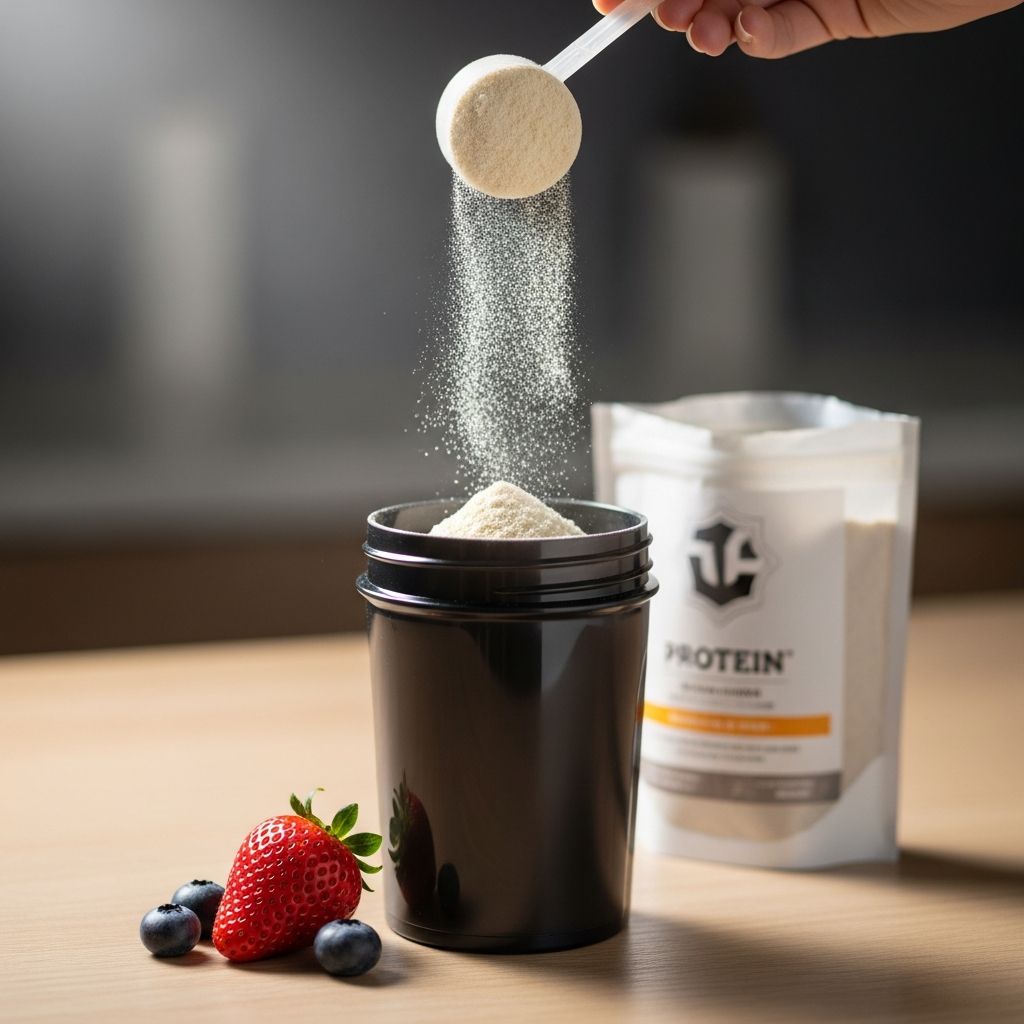
Protein powders are concentrated sources of protein derived from various plant and animal sources, including milk products, plant-based ingredients, and other specialized formulations. These supplements are marketed and used for multiple purposes, including muscle building and recovery following exercise, weight loss support, improving endurance and cardiovascular performance, and general nutritional supplementation. The appeal of protein powders lies in their convenience—they offer a quick, portable way to consume significant amounts of protein without the preparation time required for whole food sources.
The protein supplement industry markets these products to diverse populations, from serious athletes seeking performance enhancement to sedentary individuals hoping to improve their health and vitality. Manufacturers often highlight the inclusion of plant-based proteins, vitamins, minerals, probiotics, and other specialized natural ingredients as value-added features that provide comprehensive health benefits beyond basic protein supplementation.
The Promised Benefits: What Research Shows
Clinical research has demonstrated certain measurable benefits from protein supplementation in controlled settings. A comprehensive scientific assessment found that protein supplements containing plant-based proteins, micronutrients, and probiotics showed statistically significant improvements in several health markers among healthy individuals over a 90-day supplementation period.
Specifically, research participants who consumed protein supplements showed:
- Significantly improved quality of life scores, with an 85.76% improvement in total quality-of-life measures compared to 28.47% in placebo groups
- Enhanced general health and wellbeing across multiple measured domains
- Improved digestive function and behavior scores
- Better sleep quality measurements
- Increased skeletal muscle percentage
- Enhanced oxygen consumption capacity and aerobic performance
- Improved ability to perform high-energy activities
These findings suggest that for specific populations under controlled conditions, protein supplementation can contribute to measurable health improvements. However, it’s crucial to understand that these benefits were documented in clinical trial settings with specific formulations and dosages, which may not translate uniformly to all commercial products available to consumers.
Safety Concerns: The Heavy Metal Problem
While clinical research has shown positive outcomes regarding protein supplement safety in controlled trials, recent consumer testing has raised significant concerns about contamination in commercially available products. In 2025, comprehensive testing of 23 popular protein powders and shakes revealed troubling levels of heavy metal contamination, particularly lead.
Lead Contamination Findings
The testing uncovered disturbing results, with nearly all plant-based protein products containing elevated lead levels. Most concerning were several products with extreme contamination:
- Naked Nutrition’s Mass Gainer contained 7.7 micrograms of lead per serving—approximately 1,570% of the recommended safe daily level
- Huel’s Black Edition contained 6.3 micrograms of lead per serving—about 1,290% above safe daily limits
- Garden of Life’s Sport Organic Plant-Based Protein and Momentous’ 100% Plant Protein both contained lead at 400-600% above safe daily levels
- MuscleMeds’ Carnivor Mass was the only non-plant-based powder exceeding 200% of acceptable lead levels
Related Stories



For context, the average American adult is exposed to approximately 5.3 micrograms of lead daily through their normal diet. A single serving of the most contaminated products nearly matches or exceeds this entire daily dietary exposure in one dose.
Additional Heavy Metal Contaminants
Beyond lead, testing also identified measurable levels of cadmium and inorganic arsenic in certain products. Huel’s Black Edition, for example, contained 9.2 micrograms of cadmium per serving—more than double the 4.1 microgram daily level that public health authorities consider potentially harmful.
Health Risks of Accumulated Heavy Metal Exposure
While any single serving of contaminated protein powder might not cause acute illness, consistent use compounds the risk. Small amounts of lead and other heavy metals that accumulate over time can cause serious damage to multiple body systems, including the brain, kidneys, and cardiovascular system. Children, people with chronic health conditions, and pregnant women face particular vulnerability to heavy metal toxicity. Additionally, prenatal and breastmilk exposures to accumulated contaminants can have lasting developmental consequences.
Why Is Heavy Metal Contamination Happening?
Some lead contamination is essentially unavoidable, as crops used to manufacture protein powders naturally absorb heavy metals from contaminated soil, water, and air. However, this natural occurrence does not absolve manufacturers of responsibility to test, monitor, and control contamination levels in finished products. The fact that most plant-based protein powders show significant contamination suggests inconsistent quality control and testing practices across the industry.
Regulatory Gaps and Oversight Issues
A significant problem contributing to contamination concerns is the fragmented regulatory landscape for dietary supplements. The FDA has not established specific action levels for lead in protein powders or shakes, creating a regulatory vacuum where contamination can occur without clear violations of federal law. Additionally, the World Health Organization has published no specific guidance on acceptable lead levels in supplements and has stated through its joint committee with the Food and Agriculture Organization that there is no level of lead deemed safe to consume.
In contrast, the European Food Safety Authority sets a maximum lead level of 3,000 parts per billion (3 mg/kg) for food supplements—a threshold that food safety experts argue is far too high to adequately protect consumer health.
Do You Actually Need Protein Powder?
A critical question underlying the entire protein powder discussion is whether the average person actually requires protein supplementation at all. Current evidence suggests the answer is largely no for most sedentary adults and even many moderately active individuals.
Meeting Protein Needs Through Whole Foods
Nutrition experts emphasize that the average person can completely meet their protein requirements by consuming whole food sources without any reliance on supplements. A comprehensive meta-analysis from 2020 found that the protein intake levels established in federal dietary guidelines are sufficient to meet the needs of average adults. The analysis determined that consuming protein in excess of these guidelines provides beneficial effects on lean muscle mass only under very specific circumstances—particularly for individuals who are restricting calories while simultaneously engaging in resistance training.
Importantly, for people who are neither dieting nor resistance training, chronically overconsuming protein through supplements or fortified foods has little meaningful effect on body composition or health outcomes.
The “Health Halo” Problem
Nutrition researchers have identified a cultural phenomenon known as the “health halo” surrounding protein supplements. This psychological bias leads consumers to view protein-fortified products as inherently healthy choices, which provides psychological permission to consume products packed with ingredients and additives that consumers would otherwise consider questionable. This marketing-driven perception can lead people to choose convenient but potentially contaminated supplement powders over truly healthy whole food options.
Comparing Plant-Based Versus Dairy-Based Protein Powders
The heavy metal contamination findings revealed important differences between protein powder types:
| Protein Powder Type | Contamination Risk | Lead Findings | Other Contaminants |
|---|---|---|---|
| Plant-Based Proteins | High | Nearly all tested products had elevated lead levels; many far exceeded safe daily limits | Cadmium and arsenic detected in multiple products |
| Dairy-Based Proteins (Whey) | Low to Moderate | Only one dairy-based powder exceeded 200% of safe lead levels; most dairy options tested had substantially lower contamination | Fewer instances of cadmium or arsenic detection |
| Beef-Based Proteins | Low to Moderate | One beef powder contained detectable lead above safe levels | Limited testing available |
The Clean Label Project identified approximately 16 protein powders that showed no detectable lead, cadmium, mercury, or arsenic contamination—the vast majority of which were whey-based products derived from dairy sources. This suggests that consumers concerned about heavy metal contamination might consider dairy-based options over plant-based alternatives, though even with dairy options, careful product selection remains essential.
Who Might Benefit from Protein Supplements?
While most sedentary adults can meet their protein needs through diet alone, certain populations might legitimately benefit from protein supplementation:
- Serious athletes engaged in intensive resistance training programs
- Individuals recovering from surgery or serious illness under medical supervision
- Elderly individuals with difficulty consuming adequate whole food protein due to dental, swallowing, or digestive issues
- People with specific medical conditions requiring enhanced protein intake under healthcare provider guidance
- Individuals following extreme calorie-restricted diets combined with resistance training (though whole foods remain preferable)
Even for these populations, whole food sources should remain the primary protein source whenever feasible, with supplements used to fill specific gaps rather than serve as primary protein sources.
Choosing Safer Protein Powder Products
If you determine that protein supplementation is appropriate for your circumstances, these strategies can help minimize contamination risks:
- Prioritize whey-based and dairy-based products over plant-based alternatives, as they generally showed lower contamination levels in testing
- Select products from manufacturers with transparent testing protocols and quality assurance documentation
- Look for products certified by independent third-party testing organizations that verify heavy metal contamination levels
- Avoid products marketed with extremely high protein concentrations, as these require more intensive processing that may increase contamination risk
- Consult the Clean Label Project database of tested products that showed no detectable heavy metal contamination
- Limit frequency of consumption—if using products with elevated contamination levels, restrict consumption to once weekly rather than daily use
The Bottom Line on Protein Powder
Protein powders represent a convenient but not necessary supplement for most people seeking to maintain or improve their health. While clinical research demonstrates that certain formulations can provide measurable benefits for quality of life, digestive function, sleep quality, and exercise performance, the contamination concerns identified in commercially available products present real health risks that deserve serious consideration.
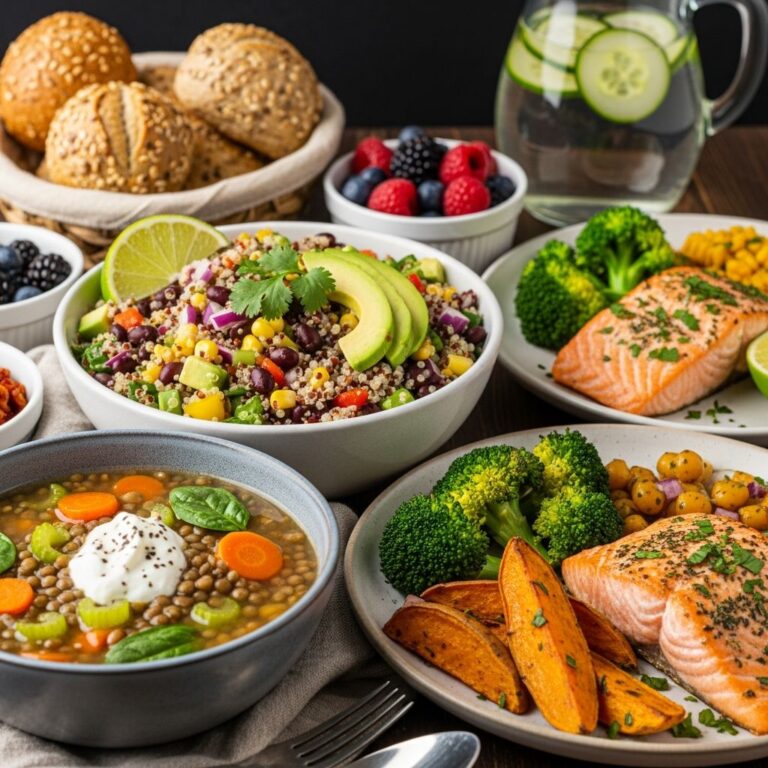
The most prudent approach involves meeting protein needs primarily through whole food sources—lean meats, fish, eggs, dairy products, legumes, and plant-based protein foods—which provide complete nutritional profiles without contamination risks. For the specific populations where protein supplementation is genuinely beneficial, careful product selection prioritizing third-party tested, low-contamination options becomes essential. The “health halo” surrounding protein supplements should not override evidence-based decision-making about whether these products are truly necessary or beneficial for your individual circumstances.
Frequently Asked Questions (FAQs)
Q: How much protein do I actually need daily?
A: The federal dietary guidelines recommend 0.8 grams of protein per kilogram of body weight for sedentary adults. For a 150-pound adult, this equals approximately 54 grams daily. Most Americans easily meet this through normal diet without supplementation. Individuals engaging in intensive resistance training may benefit from slightly higher intake, but even athletic individuals can typically meet needs through whole foods.
Q: Are all protein powders contaminated with lead?
A: No. The 2025 testing found that approximately 16 commercial products contained no detectable lead, cadmium, mercury, or arsenic. These clean products are predominantly whey-based dairy proteins. However, a significant majority of tested products, particularly plant-based options, did contain elevated contaminant levels.
Q: Can I safely consume protein powder if I limit my frequency?
A: Limited frequency reduces cumulative heavy metal exposure but does not eliminate risk. Experts recommend restricting consumption of high-contamination products to once weekly maximum. However, choosing clean-tested products remains preferable to relying on frequency limitation as your contamination control strategy.
Q: Is plant-based protein powder safer than whey protein?
A: Current evidence suggests the opposite. Nearly all plant-based proteins tested contained elevated lead levels, while most whey-based dairy proteins showed lower contamination. If choosing between these options, dairy-based whey proteins generally present lower heavy metal risks.
Q: What should I do if I’ve been consuming contaminated protein powder regularly?
A: Discontinue use immediately and consult your healthcare provider. While a single serving rarely causes acute symptoms, chronic consumption can accumulate in your body. Your doctor can recommend appropriate monitoring and testing if indicated by your consumption history.
References
- Efficacy and safety assessment of protein supplement — National Institutes of Health, National Center for Biotechnology Information. 2023-04-15. https://pmc.ncbi.nlm.nih.gov/articles/PMC10079511/
- Protein Powders and Shakes Contain High Levels of Lead — Consumer Reports. 2025. https://www.consumerreports.org/lead/protein-powders-and-shakes-contain-high-levels-of-lead-a4206364640/
- Protein Powders May Be Doing More Harm than Good — Center for Research on Supplements. 2025. https://www.center4research.org/protein-powders-more-harm-than-good/
- Protein — Harvard T.H. Chan School of Public Health, The Nutrition Source. Updated 2024. https://nutritionsource.hsph.harvard.edu/what-should-you-eat/protein/
Similar Articles








Read full bio of medha deb