I Added Protein Powder to Coffee for a Month
One writer's month-long experiment blending protein powder into daily coffee reveals surprising effects on energy, hunger, and weight.
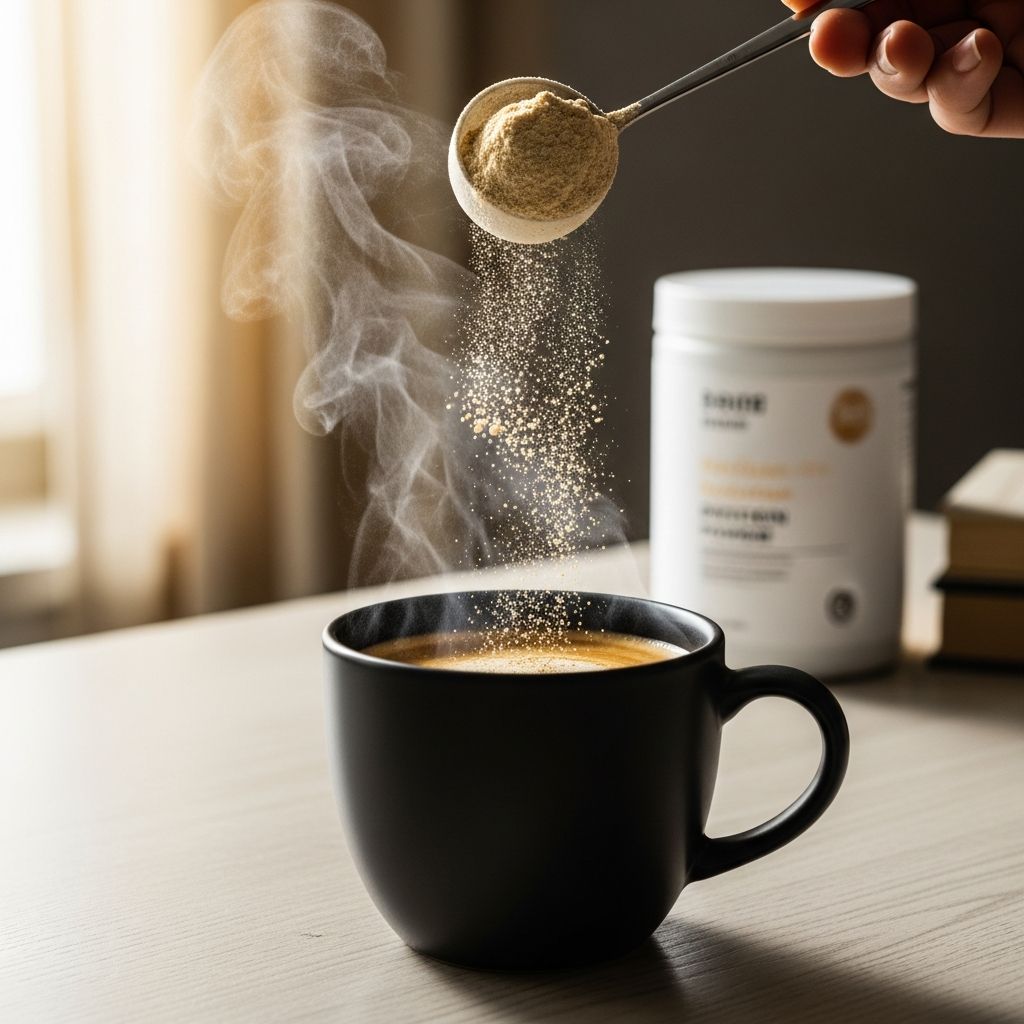
Protein coffee, or “proffee,” has exploded as a TikTok trend, promising better energy, focus, weight loss, and more protein in one convenient cup. Curious about the hype, I committed to adding protein powder to my coffee every morning for 30 days. This experiment tested claims against real-life results, drawing on expert nutrition advice and research.
Why I Decided to Try Protein Coffee for a Month
Scrolling TikTok, I kept seeing creators blending protein powder into iced lattes, claiming it curbed cravings, boosted workouts, and aided fat loss. As someone with a busy schedule who skips breakfast often, proffee seemed like an easy win: caffeine for alertness plus 20-30g protein for satiety. Nutrition experts note higher-protein breakfasts can reduce mid-morning hunger and evening snacking, making it appealing for weight management. I aimed to track energy, hunger, weight changes, digestion, and sleep over the month.
How I Made My Protein Coffee
Each morning, I brewed 12 oz black coffee (hot or cold brew). After cooling slightly to avoid clumping, I added one scoop (25g protein) of unflavored whey isolate—lactose-free for gut comfort. I shook it in a blender bottle for 20-30 seconds. No sugars or creamers to keep it clean; occasional vanilla extract for flavor. This DIY approach outperformed some ready-to-drink (RTD) options, delivering 25g protein and ~95mg caffeine per cup.
- Ingredients: 12 oz brewed coffee, 1 scoop whey isolate (25g protein), ice (for iced version).
- Method: Cool coffee, add powder, shake vigorously. Optional: splash of almond milk.
- Daily intake: One proffee (Week 1-2), increased to two on workout days (Week 3-4).
Week-by-Week Results: What Happened to My Body
Week 1: Adjusting to the Taste and Initial Energy Boost
The first few days, the texture was gritty despite shaking—hot coffee worsened clumping, so I switched to cold brew. Energy surged from combined caffeine and protein; no mid-morning crashes like with black coffee. Hunger stayed at bay until lunch, aligning with studies showing protein-rich breakfasts enhance satiety. I lost 1 lb, likely from fewer snacks. Minor jitteriness hit on Day 3, but subsided.
Week 2: Steady Satiety and Workout Performance
Taste improved; I added a dash of cinnamon. Focus sharpened during work calls, echoing small studies where caffeine improved endurance and performance. Post-gym, proffee fueled recovery—muscle protein synthesis benefits from 20-30g doses spread daily. Weight down 2 lbs total. Digestion smooth, no bloating thanks to whey isolate.
Week 3: Plateaus and Increased Intake
Added a second cup pre-workout (total 50g protein, 190mg caffeine). Performance peaked: longer runs without fatigue, per caffeine’s ergogenic effects (3-6mg/kg bodyweight). Hunger minimal, but evenings craved carbs—balanced with whole foods. Weight loss slowed to 3.5 lbs total; body fat felt leaner visually.
Week 4: Sustainability Test and Final Weigh-In
Full adaptation: proffee felt routine. Total weight loss: 4 lbs, with better muscle tone from consistent protein (1.6g/kg bodyweight daily goal met). Sleep unaffected if cut off by 2 PM. One downside: higher cost (~$2/serving vs. $0.50 black coffee). Overall, proffee complemented my diet without replacing meals.
| Week | Weight Change | Energy Levels | Hunger Control | Notable Effects |
|---|---|---|---|---|
| 1 | -1 lb | High, minor jitters | Improved | Texture adjustment |
| 2 | -1 lb (total 2) | Consistent | Strong till lunch | Better workouts |
| 3 | -1.5 lbs (total 3.5) | Peak performance | Minimal | Added second cup |
| 4 | -0.5 lb (total 4) | Sustained | Excellent | Muscle tone up |
Related Stories



Pros and Cons of Protein Coffee from My Experience
Pros:
- Convenient all-in-one: caffeine + protein curbs hunger, supports muscle.
- Boosted daily protein to 100-120g without extra effort.
- Portable for busy mornings; post-workout friendly.
- Appetite control reduced snacking, aiding modest weight loss.
Cons:
- Texture issues initially; whey clumps in hot coffee.
- Cost adds up for daily use.
- Caffeine sensitivity risks jitters, sleep disruption if late.
- Not a meal replacement—needs whole foods for full nutrition.
Expert Opinions: What Nutritionists Say About Proffee
Registered dietitians offer balanced views. Noah Quezada notes proffee energizes via caffeine but isn’t a weight-loss miracle—pair with exercise and diet. Higher protein aids satiety, but whole sources like eggs/beans are superior. For performance, caffeine shines (12% endurance boost in studies), yet proffee lacks direct research. Limit to 400mg caffeine/day (FDA); watch additives. Experts stress: proffee complements, doesn’t replace balanced intake (1g protein/kg bodyweight).
Potential Side Effects and Who Should Avoid It
- Jitters/sleep issues: Caffeine disrupts sleep if consumed late.
- GI upset: Poor-quality powders or allergies; opt for isolates.
- Not for everyone: Diabetics/heart patients avoid sugary versions. Pregnant individuals limit caffeine.
Monitor tolerance; start with half-scoop.
Tips for Making the Best Protein Coffee at Home
- Choose whey isolate or pea for mixability.
- Cool coffee first; use shaker bottle.
- Flavor naturally: vanilla, cocoa, spices.
- RTD options for convenience, but check sugars.
- Time pre-workout (1hr) for max benefits.
Is Protein Coffee Worth the Hype? My Final Verdict
After 30 days, proffee delivered: sustained energy, better hunger control, workout gains, and 4 lbs lost—without gimmicks. It’s no magic bullet (experts agree), but a smart tool for busy protein-seekers. I’ll continue 3-4x/week alongside whole foods. Ideal if you rush mornings but prioritize totals: 20-30g/meal spread out.
Frequently Asked Questions (FAQs)
Is adding protein to coffee healthy?
Yes in moderation; combines caffeine/protein for satiety/energy, but choose quality powders and avoid sugars.
Can proffee help with weight loss?
It supports via fullness, but no guarantees—needs diet/exercise. Studies link high-protein/coffee to fat reduction.
How much protein powder for coffee?
1 scoop (20-30g) per 12 oz; spread intake daily for muscle synthesis.
Does protein clump in hot coffee?
Yes; cool first or use cold brew/shaker.
Best protein for proffee?
Whey isolate (mixes best, lactose-free) or pea for plants.
References
- Is TikTok’s Protein Coffee Trend Healthy? What Experts Think — Healthline. 2025-03-13. https://www.healthline.com/health-news/proffee-protein-coffee-tiktok-health-trend
- Everything You Need to Know About the Protein Coffee Trend — Men’s Health. 2024-01-01. https://www.menshealth.com/nutrition/a65860781/best-protein-coffee/
Similar Articles








Read full bio of medha deb