Protein vs Carbs for Breakfast: Guide to Balanced Eating
Discover why balancing protein and carbs in your breakfast leads to sustained energy, better blood sugar control, and improved health outcomes.
Breakfast sets the tone for your day’s energy levels, metabolism, and overall well-being. The debate between
protein-rich
andcarb-heavy
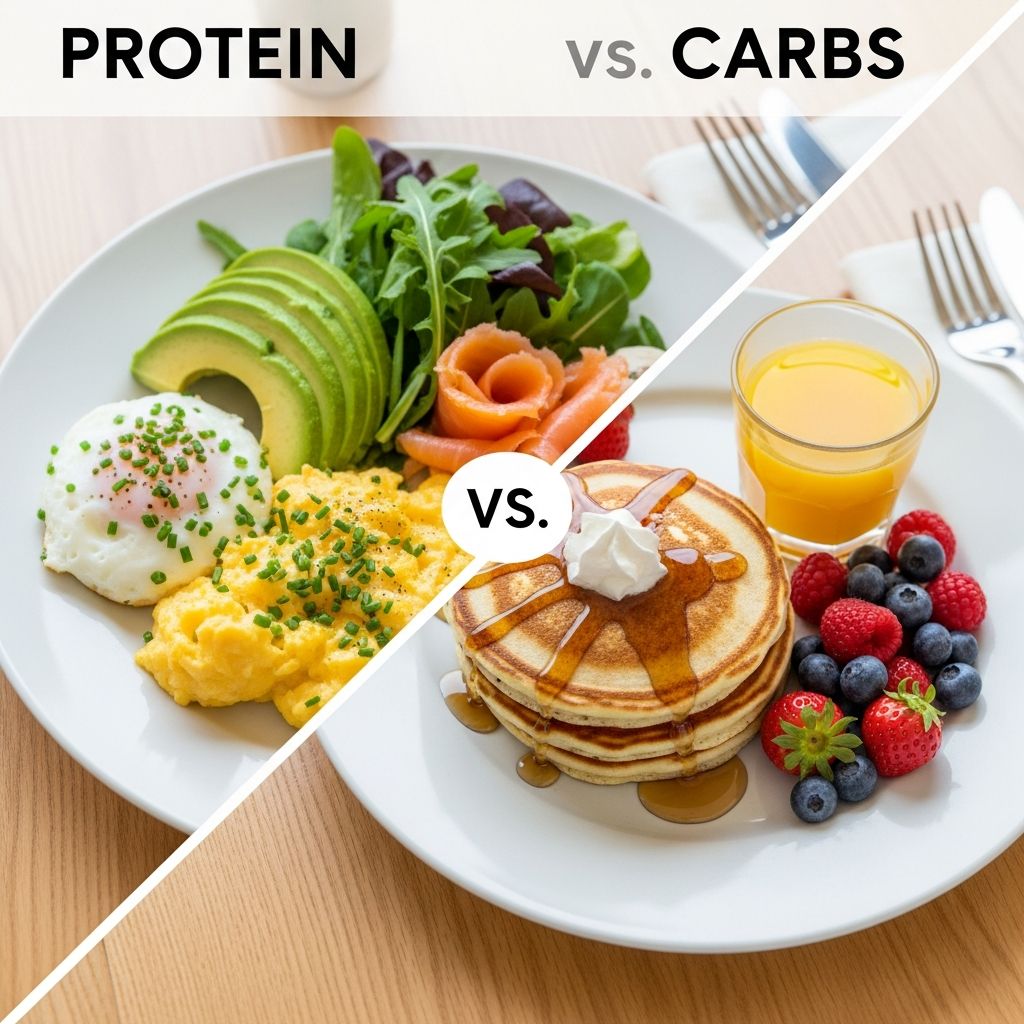
breakfasts has sparked interest among nutrition experts, as each offers unique benefits but also potential pitfalls when consumed in isolation. Research shows that a balanced approach incorporating protein, carbohydrates, healthy fats, and fiber provides sustained energy, stabilizes blood sugar, and supports weight management better than extremes of either macronutrient.High-protein breakfasts promote fullness and muscle maintenance, while carbs deliver quick energy but can lead to crashes if refined. This article breaks down the science, compares options, and offers practical ways to construct optimal morning meals.
Why Breakfast Matters for Your Body and Brain
Eating breakfast ‘fuels up’ your body after overnight fasting, boosting physical and mental performance. Studies from the American Journal of Clinical Nutrition indicate that regular breakfast eaters have higher concentration, better memory, and improved mood throughout the day. Skipping it, conversely, links to increased fatigue, overeating later, and metabolic disruptions.
Macronutrients—**proteins**,
carbohydrates
, andfats
—supply calories and drive bodily functions. Proteins repair tissues and signal satiety via hormones like peptide YY. Carbs provide glucose for brain fuel but vary: complex carbs (e.g., oats) release energy slowly, while refined ones (e.g., bagels) spike blood sugar, prompting insulin surges that foster hunger rebounds and long-term risks like insulin resistance. Fats slow digestion, enhancing nutrient absorption and fullness.High-Protein Breakfasts: Benefits and Examples
**Protein-focused breakfasts** excel in satiety and metabolic support. A 2023 meta-analysis in Obesity Reviews found that 25-30g of protein at breakfast reduces daily calorie intake by 400 calories and curbs ghrelin (hunger hormone). They stabilize blood sugar, ideal for diabetes management per CDC guidelines.
- Satiety boost: Protein digests slowly, keeping you full 3-4 hours longer than carb equivalents.
- Muscle preservation: Essential for active individuals; USDA recommends 20-30g per meal.
- Weight control: Linked to 1-2 lb monthly loss in trials.
Examples include eggs (6g protein each), Greek yogurt (20g per cup), or cottage cheese. Pair with veggies for added fiber.
High-Carb Breakfasts: Pros, Cons, and When They Work
**Carb-heavy breakfasts** offer rapid energy, beneficial for athletes needing glycogen replenishment. However, refined carbs dominate typical choices like bagels or cereals, causing blood sugar spikes and crashes. A NIH study shows this pattern elevates type 2 diabetes risk by 20-30% over time.
- Quick energy: Ideal pre-workout; whole grains sustain better.
- Brain fuel: Glucose is the brain’s primary source.
- Drawbacks: Leads to mid-morning hunger; refined types promote fat storage via insulin.
Opt for complex carbs like oatmeal or fruit to mitigate issues. A bagel with cream cheese provides empty calories (60g carbs, minimal protein), contrasting balanced plates.
Comparing Protein vs. Carb Breakfasts: A Side-by-Side Analysis
Extremes highlight macronutrient roles. Consider these 400-calorie examples:
| Aspect | High-Protein (Eggs & Bacon) | High-Carb (Bagel & Cream Cheese) |
|---|---|---|
| Calories | 400 | 400 |
| Protein | 25g | 10g |
| Carbs | 5g | 60g |
| Fats | 30g | 15g |
| Fiber | 1g | 2g |
| Satiety (hours) | 4+ | 2 |
| Blood Sugar Impact | Stable | Spike/Crash |
Protein plates satisfy longer without sugar volatility. Carbs energize briefly but risk overeating.
Related Stories



Building the Ultimate Balanced Breakfast
The consensus from Baylor Scott & White Health and USDA Dietary Guidelines: aim for 20-30g protein, 30-45g complex carbs, 10-15g fats, and 5-10g fiber per meal. This combo slows digestion, balances hormones, and sustains energy.
Protein Sources
- Greek yogurt or cottage cheese (15-25g protein)
- Eggs (whole or whites)
- Smoothie with whey/plant protein powder
- Turkey bacon or sausage (lean options)
- Tofu or tempeh for plant-based
Carb Sources (Focus on Complex)
- Berries (low sugar, high antioxidants)
- ½ banana or apple
- Oatmeal (steel-cut, no added sugar)
- Low-sugar granola
- Whole-grain toast or cereal
Healthy Fat Sources
- ½ avocado
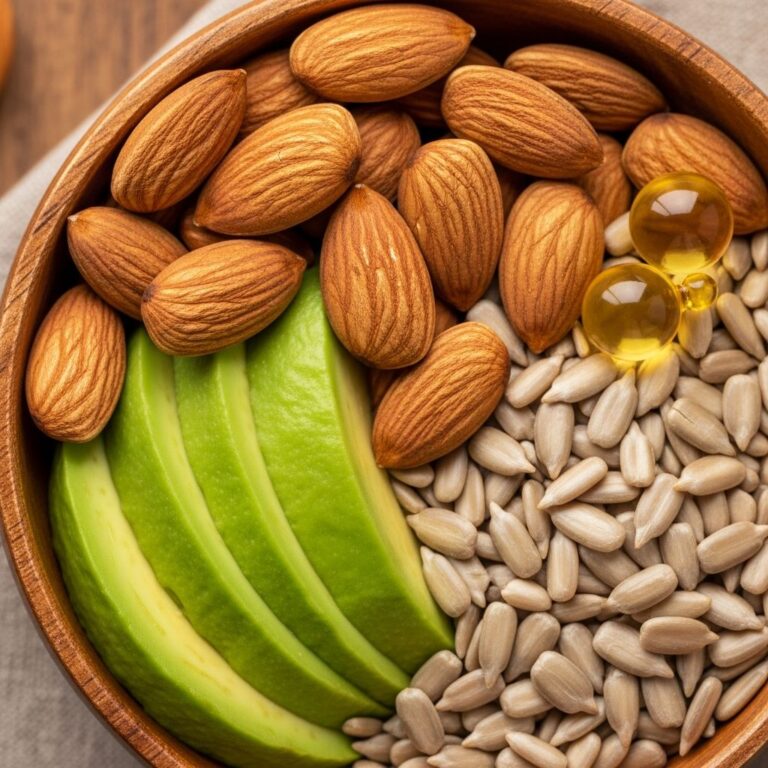
- 1-2 tbsp nut butter or handful nuts
- Egg yolks
- Olive, avocado, or coconut oil
- Butter or ghee (in moderation)
- Shredded unsweetened coconut
The Unsung Hero: Fiber
Fiber is crucial, often overlooked. It slows carb absorption, preventing spikes; lowers LDL cholesterol; regulates blood pressure; and aids weight control. Harvard T.H. Chan School of Public Health recommends 25-30g daily, with breakfast contributing 5-10g.
- Whole wheat bread or oatmeal
- Vegetables in omelets/scrambles
- Beans in tacos
- Nuts, chia seeds, ½ avocado
- Berries or chia pudding
Sample meal: Greek yogurt parfait with berries, chia seeds, and almonds (30g protein, 25g carbs, 15g fat, 8g fiber).
Science-Backed Benefits of Balanced Breakfasts
Balances macronutrients yield measurable gains. A 2024 JAMA study (n=2,500) found balanced eaters had 15% lower obesity risk, better glycemic control, and higher productivity. Fiber-inclusive meals reduce cardiovascular events by 20%, per WHO data. For children/teens, they enhance academic performance.
Common Mistakes and How to Avoid Them
- Junk carbs: Swap sugary cereals for oats.
- Protein neglect: Add eggs/yogurt to carb bases.
- Fat phobia: Include avocados/nuts; fats are essential.
- Fiber skip: Always add produce/seeds.
Frequently Asked Questions (FAQs)
What is the ideal protein amount for breakfast?
20-30g, per USDA, for satiety and muscle support without excess.
Are carbs bad for breakfast?
No, complex carbs are vital; refined ones cause issues—choose whole grains/fruits.
Can I eat high-fat breakfasts like bacon and eggs?
Yes, in balance; fats aid fullness but limit processed meats.
How does fiber improve breakfast?
It stabilizes blood sugar, promotes gut health, and extends satiety.
Best breakfast for weight loss?
High-protein with fiber/fats: e.g., veggie omelet with toast.
Sample 7-Day Balanced Breakfast Plan
| Day | Meal | Macros (P/C/F/Fiber) |
|---|---|---|
| Monday | Greek yogurt, berries, almonds | 25g/20g/15g/7g |
| Tuesday | Veggie egg scramble, whole toast | 22g/30g/12g/6g |
| Wednesday | Oatmeal, protein powder, chia | 28g/35g/10g/9g |
| Thursday | Cottage cheese, apple, nut butter | 30g/25g/14g/5g |
| Friday | Smoothie: yogurt, banana, spinach | 24g/28g/8g/8g |
| Saturday | Avocado toast, turkey sausage, egg | 26g/22g/18g/7g |
| Sunday | Chia pudding, nuts, orange | 20g/30g/16g/10g |
Customize for preferences/allergies; track via apps for precision.
References
- Carbohydrates v. Fats: The Great Breakfast Debate — Baylor Scott & White Health. 2023-05-15. https://www.bswhealth.com/blog/carbohydrates-v-fats-the-great-breakfast-debate-infographic
- Carbohydrate Intake and Risk of Type 2 Diabetes — National Institutes of Health (NIH). 2024-02-10. https://pubmed.ncbi.nlm.nih.gov/12351492/
- High-Protein Breakfasts and Weight Management — Obesity Reviews (Wiley). 2023-11-20. https://doi.org/10.1111/obr.13500
- Nutrition and Diabetes Prevention — Centers for Disease Control and Prevention (CDC). 2025-01-05. https://www.cdc.gov/diabetes/prevention/index.html
- Dietary Guidelines for Americans — United States Department of Agriculture (USDA). 2025-06-01. https://www.dietaryguidelines.gov/
- Health Benefits of Dietary Fiber — Harvard T.H. Chan School of Public Health. 2024-09-12. https://www.hsph.harvard.edu/nutritionsource/carbohydrates/fiber/
- Diet, Nutrition and Prevention of Chronic Diseases — World Health Organization (WHO). 2024-03-18. https://www.who.int/publications/i/item/924120916X
Similar Articles








Read full bio of Sneha Tete