Proteinuria: Causes, Symptoms, and Treatment Options
Understanding proteinuria: Learn about causes, symptoms, diagnosis, and effective treatment strategies for protein in urine.
Understanding Proteinuria: Protein in Urine
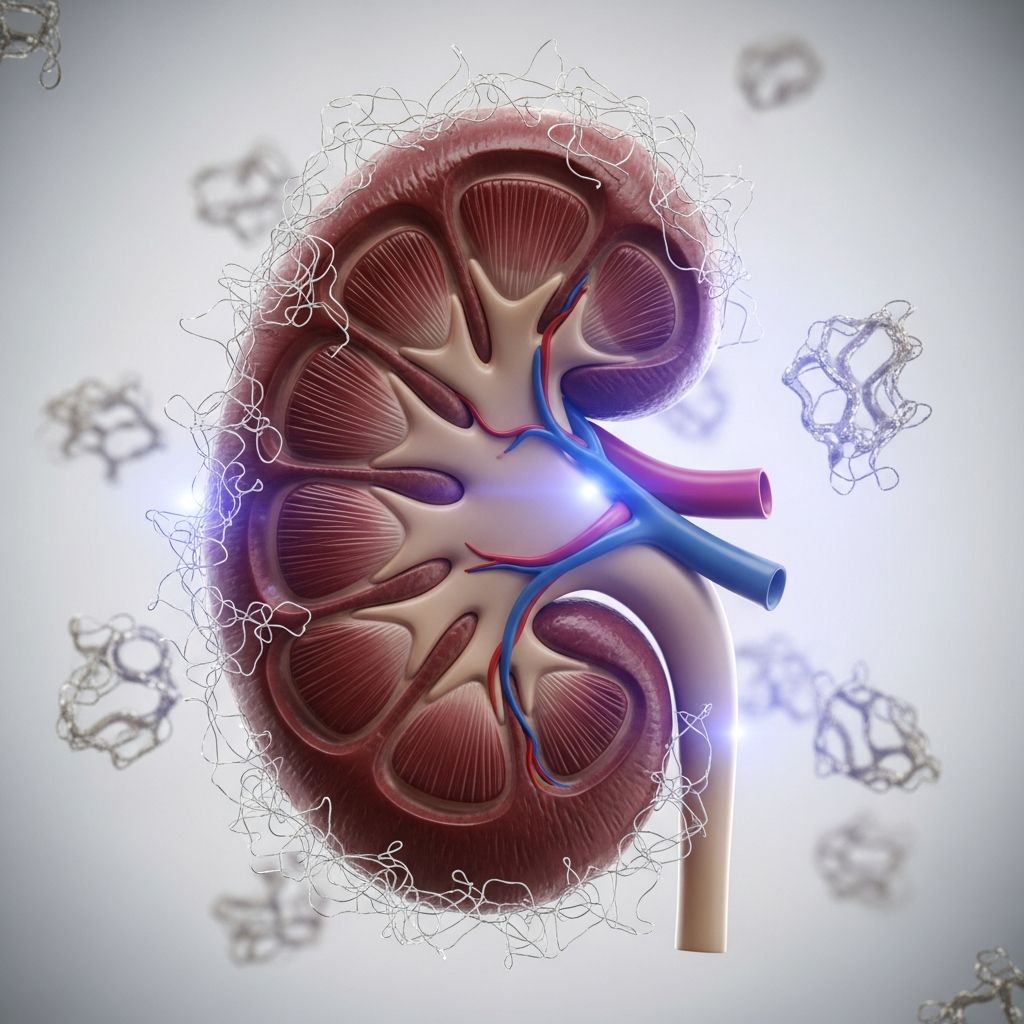
Proteinuria, commonly referred to as protein in urine, occurs when an unusually high amount of protein passes through your kidneys and appears in your urine. Normally, the kidneys filter waste products from the blood while retaining essential proteins and other nutrients. However, when the kidney’s filtration system becomes damaged, proteins can leak into the urine, resulting in proteinuria. This condition is not a disease itself but rather a symptom that may indicate underlying kidney damage or other serious health conditions. The presence of protein in urine can sometimes be detected by foamy or bubbly appearance, though many people with proteinuria experience no noticeable symptoms, especially in early stages.
Understanding proteinuria is crucial because it can be an early warning sign of kidney disease or other serious health problems. Early detection and appropriate treatment can help prevent progression to more severe kidney damage or kidney failure. Healthcare providers often screen for proteinuria during routine medical examinations, making it an important marker for assessing overall kidney health and cardiovascular function.
Causes of Proteinuria
Proteinuria can result from various causes, ranging from temporary conditions to serious, long-lasting diseases. Understanding these causes is essential for determining the appropriate treatment approach and preventing further kidney damage.
Temporary Causes of Proteinuria
Several benign, short-term conditions can cause protein to appear in your urine without indicating underlying kidney disease:
- Dehydration – insufficient water intake reducing kidney filtration efficiency
- High-intensity exercise – physical exertion causing temporary protein leakage
- Fever and infections – elevated body temperature affecting kidney function
- High stress levels – emotional stress impacting kidney performance
- Exposure to extreme cold temperatures – cold-induced physiological changes
- Certain medications – taking aspirin or anti-inflammatory drugs like ibuprofen daily
These temporary causes typically resolve once the underlying condition improves, and the proteinuria usually disappears without requiring specific treatment.
Chronic and Serious Causes of Proteinuria
Chronic proteinuria often indicates more serious kidney damage or underlying diseases that require medical intervention:
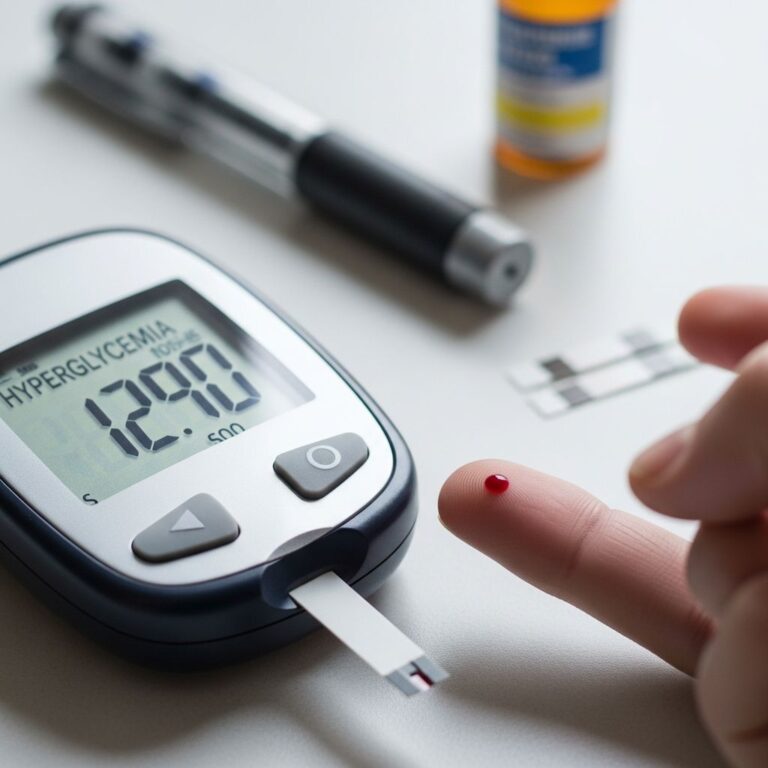
- Diabetes – one of the most common causes of kidney damage and proteinuria
- High blood pressure (hypertension) – chronic elevated blood pressure damaging kidney filters
- Glomerulonephritis – inflammation of the kidney’s filtering units
- Chronic kidney disease – progressive loss of kidney function
- Autoimmune disorders – such as lupus affecting kidney tissue
- Heart failure – compromising kidney blood flow and function
- Preeclampsia – dangerous condition during pregnancy affecting kidneys
- Kidney stones – obstructing normal kidney function
- Multiple myeloma – blood cancer affecting protein metabolism
- Amyloidosis – buildup of abnormal protein in organs
- Cardiovascular disease – affecting kidney perfusion and filtration
- Kidney cancer – direct damage to kidney tissue
When proteinuria results from these serious conditions, prompt medical evaluation and treatment are critical to prevent progression to kidney failure.
Symptoms and Signs of Proteinuria
Many people with proteinuria, especially in early or mild cases, experience no noticeable symptoms. This is why proteinuria is often discovered incidentally during routine urine testing. However, as proteinuria becomes more severe, symptoms become more apparent.
Common Symptoms of Proteinuria
When symptoms develop, they typically include:
- Foamy, frothy, or bubbly urine – a classic sign of protein in urine
- Swelling (edema) in hands, feet, belly, or face – caused by protein loss affecting fluid balance
- Increased urinary frequency – urinating more often than usual
- Shortness of breath – resulting from fluid accumulation in lungs
- Fatigue and tiredness – due to protein loss and anemia
- Nausea and vomiting – signs of advanced kidney dysfunction
- Loss of appetite – accompanying gastrointestinal symptoms
- Muscle cramps at night – electrolyte imbalances from protein loss
Related Stories



The severity of symptoms generally correlates with the degree of kidney damage and protein loss. Mild proteinuria may cause no symptoms, while severe proteinuria can cause multiple systemic symptoms affecting quality of life.
Diagnosis of Proteinuria
Accurate diagnosis of proteinuria involves several testing methods to detect protein in urine and assess kidney function.
Diagnostic Tests
Dipstick Urine Test: This is the most common initial screening method. A dipstick is placed in a urine sample, and it changes color if protein is present. This quick, non-invasive test is often performed during routine medical visits.
24-Hour Urine Collection: This test measures the total amount of protein excreted over 24 hours, providing a more accurate assessment of proteinuria severity.
Urine Albumin-to-Creatinine Ratio (uACR): This measures the relationship between albumin (the most common protein in urine) and creatinine, helping classify the severity of proteinuria.
Glomerular Filtration Rate (GFR) Blood Test: This test assesses how well your kidneys are filtering waste by measuring kidney function and helps determine kidney damage extent.
Additional Blood Tests: Blood tests may evaluate kidney function markers, blood sugar levels, and blood pressure to identify underlying causes.
Treatment Approaches for Proteinuria
Treatment strategies for proteinuria vary based on the underlying cause, severity of protein loss, and extent of kidney damage. The primary goal is to lower overall risk for complications while addressing the root cause of proteinuria.
Lifestyle Modifications
Lifestyle changes form the foundation of proteinuria management and can significantly impact outcomes:
- Dietary improvements – reducing sodium intake, limiting protein consumption, and following a kidney-friendly diet
- Weight management – weight loss has been linked to decreased proteinuria levels
- Regular physical activity – moderate, consistent exercise improves overall kidney health
- Stress reduction – managing stress levels to prevent proteinuria exacerbation
- Adequate hydration – maintaining proper fluid intake without excessive consumption
- Smoking cessation – eliminating a major risk factor for kidney disease progression
- Limiting alcohol consumption – reducing additional stress on kidneys
Medication Management
For proteinuria caused by diabetes or high blood pressure, medications are typically the first treatment step. The goal is to get blood pressure and blood sugar under control to prevent further kidney damage.
For Diabetes: Insulin and other diabetes medications help control blood sugar levels, preventing diabetic kidney damage progression.
For High Blood Pressure: Two primary medication classes are recommended for kidney protection:
- ACE Inhibitors (Angiotensin-Converting Enzyme inhibitors) – widen blood vessels, help kidneys eliminate excess water, and lower blood pressure hormones
- ARBs (Angiotensin Receptor Blockers) – widen blood vessels and reduce pressure on kidney filters
These medications are considered “kidney protective” because they directly reduce pressure on the glomeruli (kidney filtering units) and help lower proteinuria levels while slowing kidney disease progression.
Treatment for Severe Kidney Disease
When proteinuria is not detected early or treatment cannot prevent serious kidney damage, more intensive interventions may be necessary:
- Dialysis – artificially filtering blood to remove waste when kidneys fail
- Kidney transplant – surgical placement of a healthy donor kidney
- Specialized nephrology care – ongoing management by kidney disease specialists
Proteinuria in Special Populations
Certain groups require special consideration when managing proteinuria.
Pregnant Women: Proteinuria can be a first warning sign of preeclampsia, a serious pregnancy complication requiring immediate medical attention. Regular urine screening during pregnancy is essential.
Diabetic Patients: Proteinuria indicates diabetic nephropathy development. Tight diabetes control through medication, diet, and monitoring is critical to slow progression.
Hypertensive Patients: Blood pressure control is essential, as proteinuria indicates kidney damage from hypertension.
Common Misconceptions About Proteinuria
Does drinking more water cure proteinuria? No. While increasing water intake increases urine volume, making protein concentration appear lower, it does not address the underlying kidney damage causing protein leakage. Treatment must target the root cause.
Is all proteinuria dangerous? Not necessarily. Temporary proteinuria from dehydration, exercise, or fever typically resolves without treatment. However, chronic proteinuria warrants medical evaluation and ongoing monitoring.
Can proteinuria be reversed? Proteinuria from temporary causes disappears once the condition resolves. For chronic kidney disease, appropriate treatment can slow progression and reduce proteinuria levels, though severe kidney damage may not be completely reversible.
Frequently Asked Questions
Q: What does foamy urine indicate about my kidney health?
A: Foamy or bubbly urine is a classic sign of proteinuria, indicating protein is passing through your kidney filters. While it can result from temporary conditions, persistent foamy urine warrants medical evaluation to rule out kidney disease.
Q: How often should I be screened for proteinuria?
A: Screening frequency depends on your risk factors. People with diabetes, high blood pressure, or a family history of kidney disease should have regular urine tests. Your healthcare provider can recommend appropriate screening intervals based on your individual risk profile.
Q: Can proteinuria lead to kidney failure if untreated?
A: Yes, chronic proteinuria left untreated can lead to progressive kidney damage and eventually kidney failure. Early detection and treatment are crucial for preventing serious complications.
Q: What is the difference between albuminuria and proteinuria?
A: Albuminuria refers specifically to albumin (the most common protein) in urine, while proteinuria is a broader term for any protein in urine. Albuminuria is both a symptom of kidney disease and a significant risk factor for complications.
Q: Can I manage proteinuria with diet alone?
A: Dietary modifications are an important component of proteinuria management but are typically most effective when combined with medication and other lifestyle changes. Treatment must address the underlying cause of proteinuria.
Q: How long does it take to see improvement after starting treatment?
A: Improvement timelines vary depending on the underlying cause and individual factors. Some people see improvements within weeks, while others may require months. Consistent adherence to treatment plans and lifestyle modifications is essential for optimal results.
When to Contact Your Healthcare Provider
Seek immediate medical attention if you experience:
- Persistent foamy or bubbly urine
- Significant swelling in face, hands, feet, or abdomen
- Unexplained shortness of breath or fatigue
- Severe nausea, vomiting, or loss of appetite
- Decreased urine output
- Severe muscle cramps or weakness
Regular monitoring through blood and urine tests is essential for anyone with known proteinuria or risk factors for kidney disease. Early intervention can prevent serious complications and preserve kidney function.
Conclusion
Proteinuria represents an important clinical indicator of kidney health that requires proper diagnosis and management. While some cases result from benign, temporary conditions, chronic proteinuria often signals underlying kidney damage or systemic disease requiring comprehensive treatment. A combination of lifestyle modifications, appropriate medications targeting underlying causes, and regular monitoring provides the most effective approach to managing proteinuria and preventing progression to kidney failure. Understanding the causes, recognizing symptoms, and maintaining regular contact with healthcare providers ensures optimal outcomes and preserves kidney function for long-term health.
References
- Protein in Urine (Proteinuria) — Children’s Hospital of Philadelphia. Retrieved from https://www.chop.edu/conditions-diseases/protein-urine-proteinuria
- Proteinuria: Symptoms, Causes, Treatments, Testing and Diagnosis — Kidney Research UK. Retrieved from https://www.kidneyresearchuk.org/conditions-symptoms/proteinuria/
- Albuminuria (Proteinuria) — National Kidney Foundation. Retrieved from https://www.kidney.org/kidney-topics/albuminuria-proteinuria
- Protein In Urine (Proteinuria) — Cleveland Clinic. Retrieved from https://my.clevelandclinic.org/health/symptoms/16428-proteinuria
- Protein in Urine (Proteinuria): Causes, Symptoms, and Treatment — WebMD. Retrieved from https://www.webmd.com/a-to-z-guides/proteinuria-protein-in-urine
- Protein in Urine (Proteinuria) Symptoms, Causes, Tests and Treatments — American Kidney Fund. Retrieved from https://www.kidneyfund.org/all-about-kidneys/other-kidney-problems/protein-urine
- Proteinuria — Kidney Clinic of North Florida. Retrieved from https://kidneyclinicofnorthflorida.com/treatments/proteinuria/
Similar Articles








Read full bio of medha deb