Proteinuria: Expert Guide To Causes, Diagnosis, And Treatment
Understand proteinuria: causes, symptoms, diagnosis, treatment, and its link to kidney disease and heart risks.
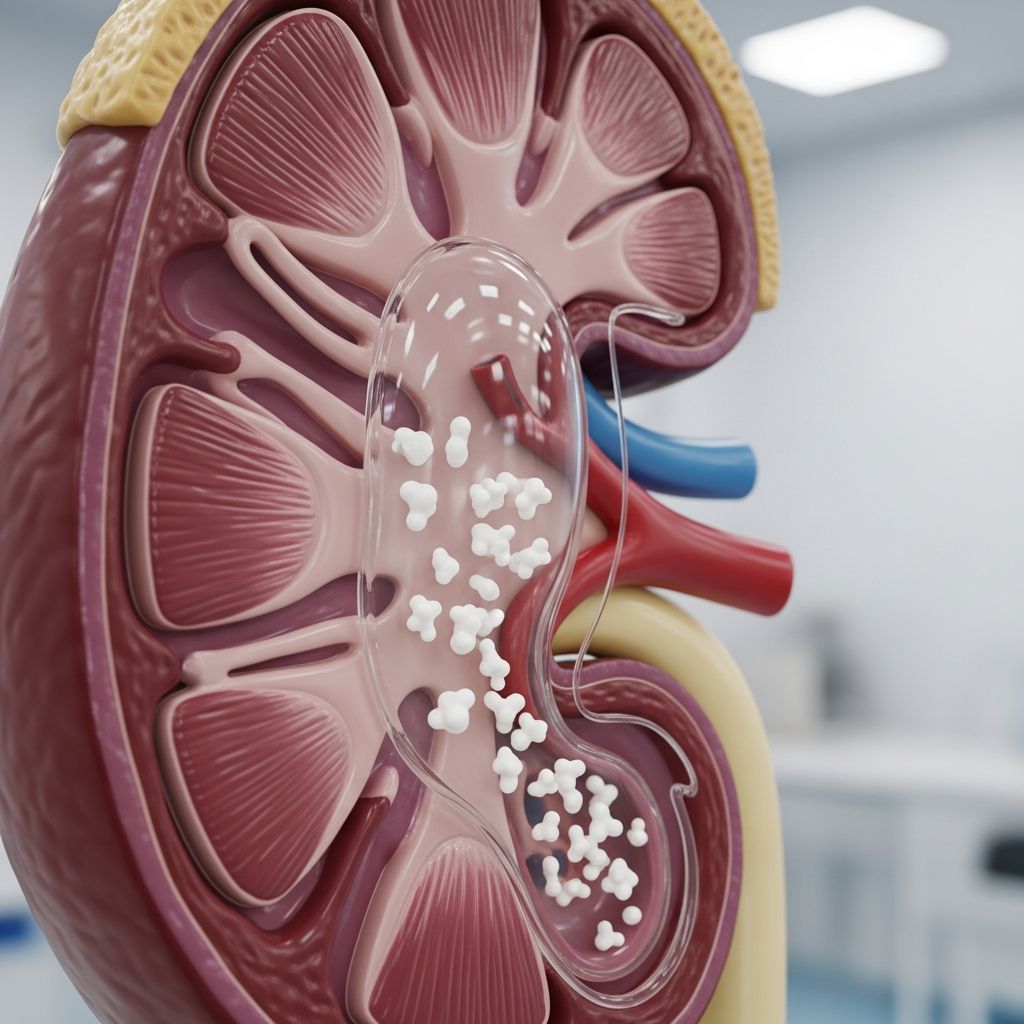
Proteinuria refers to an abnormally high level of protein in the urine, which can signal underlying kidney damage or other health issues. Normally, the kidneys filter waste from the blood while retaining essential proteins like albumin; when this barrier fails, proteins leak into the urine, serving as an early marker for conditions such as chronic kidney disease (CKD), diabetes, or hypertension.
What is proteinuria?
The kidneys act as sophisticated filters, preventing most proteins in the blood from passing into the urine. A healthy kidney allows only trace amounts of small proteins, such as albumin, to appear in urine. Proteinuria occurs when damaged kidney filters—specifically the glomeruli—permit larger amounts of proteins to leak through. This condition, also called albuminuria when primarily albumin is involved, indicates the degree of kidney impairment and predicts progression to more severe disease.
Even mild proteinuria raises the risk of cardiovascular complications, including heart disease and stroke, independent of kidney function decline. In CKD staging, proteinuria levels alongside estimated glomerular filtration rate (eGFR) help classify severity and guide management.
Proteinuria symptoms
Proteinuria is often asymptomatic, especially early on, making routine screening crucial for at-risk individuals. When symptoms appear, they may include:
- Foamy or bubbly urine due to high protein content.
- Swelling (edema) in the hands, feet, ankles, or face from low blood albumin levels (hypoalbuminemia).
- Fatigue, nausea, or shortness of breath in advanced cases linked to kidney dysfunction.
These signs typically emerge with significant proteinuria or concurrent CKD. Laboratory tests remain the gold standard for detection, as symptoms alone are unreliable.
Causes of proteinuria
Proteinuria arises from glomerular, tubular, or overflow mechanisms, often tied to kidney damage or systemic conditions. Key causes include:
- Glomerular damage: Most common, from diabetes (diabetic nephropathy), hypertension, glomerulonephritis, or systemic lupus erythematosus (SLE). Podocyte injury disrupts the filtration barrier, allowing albumin and larger proteins to pass.
- Tubular dysfunction: Proximal tubule impairment reduces protein reabsorption, causing milder proteinuria (<2 g/24 hours).
- Overflow proteinuria: Excess blood proteins, as in multiple myeloma where free light chains overwhelm reabsorption.
- Transient causes: Fever, intense exercise, urinary tract infections (UTIs), or orthostatic proteinuria (postural, common in young people, resolves lying down).
- Other risks: Cardiovascular disease, pregnancy (eclampsia precursor), enlarged prostate, kidney stones, or nephrotoxic drugs like NSAIDs.
Diabetes and hypertension account for most cases, with proteinuria prevalence rising alongside these epidemics.
Who is at risk of proteinuria?
Certain groups face higher risk and warrant annual screening:
- People with diabetes or hypertension.
- Those with CKD, cardiovascular disease, or family history of kidney issues.
- Individuals with autoimmune diseases like SLE or a history of glomerulonephritis.
- Older adults, smokers, or those on nephrotoxic medications.
High-risk patients, especially with CKD and diabetes, should test yearly during routine check-ups.
How often do I need to have a test for proteinuria?
Screening frequency depends on risk:
- High-risk (diabetes, hypertension, CKD): Annually, or more if proteinuria is detected.
- Moderate risk (family history, autoimmune): Every 1-2 years.
- General population: As part of routine health checks, especially over age 60.
Related Stories



Persistent proteinuria requires prompt specialist referral. Monitoring tracks progression and treatment efficacy.
Proteinuria tests and diagnosis
Diagnosis involves quantifying protein via non-invasive urine tests:
| Test | Description | Normal Range | Proteinuria Threshold |
|---|---|---|---|
| Urine Dipstick | Quick bedside test for albumin. | Negative/trace | 1+ or higher |
| Urine Albumin-Creatinine Ratio (UACR) | Spot urine sample; preferred for microalbuminuria. | <3 mg/mmol | >3 mg/mmol |
| Urine Protein-Creatinine Ratio (UPCR) | Spot urine; total protein measure. | <15-45 mg/mmol | >45 mg/mmol (UK guidelines); >50 mg/mmol (NICE) |
| 24-Hour Urine Collection | Gold standard for total protein. | <150 mg/day | >150 mg/day |
Confirm with repeat testing to rule out transients. Warning signs prompting further evaluation (ultrasound, biopsy): heavy proteinuria, hematuria, hypertension, abnormal eGFR, or young age.
Proteinuria treatment
Treatment targets the underlying cause and reduces protein leakage:
- Blood pressure control: ACE inhibitors (e.g., ramipril) or ARBs (e.g., losartan) lower glomerular pressure, reducing proteinuria by 30-50% even without hypertension.
- Glycemic control: Tight diabetes management slows diabetic nephropathy.
- SGLT2 inhibitors: Emerging for CKD with proteinuria, preserving kidney function.
- Treat infections/reversibles: Antibiotics for UTIs; avoid triggers like NSAIDs.
- Specialist care: Nephrologist for biopsy, immunosuppression in glomerulonephritis, or dialysis prep in advanced CKD.
Lifestyle: Low-sodium diet, weight loss, smoking cessation, and moderate exercise enhance outcomes.
Can proteinuria be cured?
Curability varies:
- Yes, for transients: Resolves post-infection, fever, or exercise.
- Partial for chronic: Kidney damage treatments slow progression; proteinuria may decrease but rarely vanishes.
- Poor prognosis if untreated: Leads to CKD, end-stage renal disease, or cardiovascular events.
Early intervention improves prognosis significantly.
Complications of proteinuria
Untreated proteinuria signals and accelerates:
- Kidney progression: To CKD stages 4-5, needing dialysis/transplant.
- Cardiovascular disease: 2-4x higher risk of heart attack/stroke.
- Hypoalbuminemia effects: Edema, muscle wasting, infection susceptibility.
Degree correlates with risk; >1 g/day markedly worsens outcomes.
Prevention of proteinuria
Minimize risk through:
- Control diabetes (HbA1c <7%) and hypertension (<130/80 mmHg).
- Healthy lifestyle: Balanced diet, exercise, no smoking.
- Avoid nephrotoxins; regular screenings for at-risk groups.
These steps can prevent or delay onset.
Frequently Asked Questions (FAQs)
What does proteinuria mean?
It means excess protein in urine, often indicating kidney filter damage.
Is proteinuria serious?
Yes, it predicts CKD progression and heart disease; requires evaluation.
How is proteinuria treated?
With ACE/ARBs, blood pressure control, and cause-specific therapies.
Can I have proteinuria without symptoms?
Yes, early stages are silent; screening is essential.
Does proteinuria always mean kidney failure?
No, but untreated it increases risk; many cases are manageable.
References
- Chronic Kidney Disease (CKD): Causes, Symptoms, and Treatment — Patient.info. 2023. https://patient.info/kidney-urinary-tract/chronic-kidney-disease-leaflet
- Proteinuria – StatPearls — NCBI Bookshelf, NIH. 2023-10-01. https://www.ncbi.nlm.nih.gov/books/NBK564390/
- Proteinuria: symptoms, causes, treatments, testing and diagnosis — Kidney Research UK. 2024. https://www.kidneyresearchuk.org/conditions-symptoms/proteinuria/
- Proteinuria: Causes, Tests, and Treatment — Patient.info. 2024. https://patient.info/kidney-urinary-tract/chronic-kidney-disease-leaflet/proteinuria
- Proteinuria – Patient.info (Professional) — Patient.info. 2023. https://patient.info/doctor/renal-disorders/proteinuria-pro
- Protein In Urine (Proteinuria): Causes, Symptoms & Treatment — Cleveland Clinic. 2023-11-10. https://my.clevelandclinic.org/health/symptoms/16428-proteinuria
Similar Articles








Read full bio of medha deb