Proton Pump Inhibitors: 5 Types, Uses, Side Effects
Explore how proton pump inhibitors manage acid-related conditions, their benefits, risks, and safe usage practices.
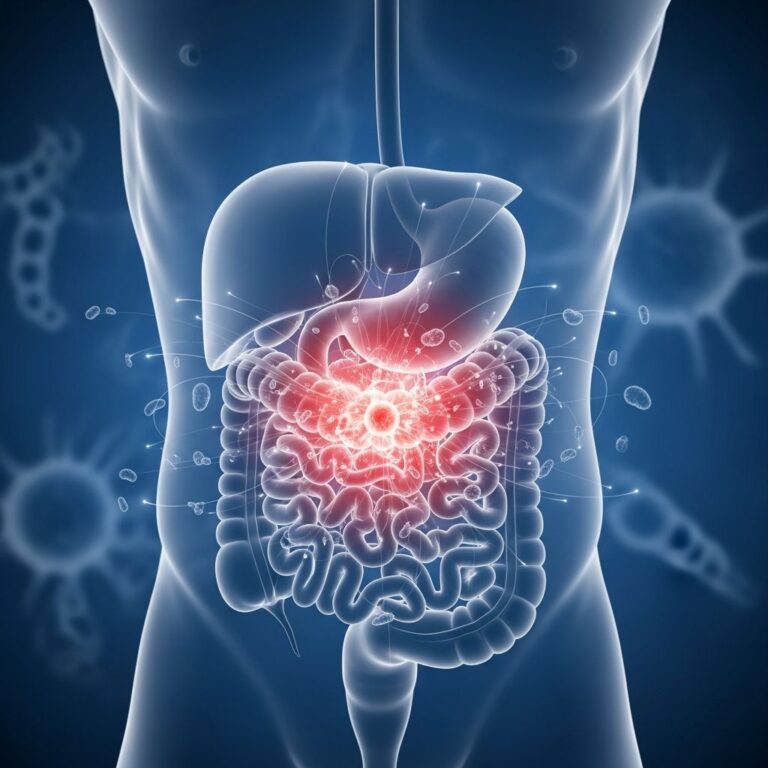
Proton pump inhibitors (PPIs) represent a cornerstone in treating conditions driven by excessive stomach acid production. These medications effectively suppress acid secretion, offering relief from symptoms and promoting healing in the digestive tract.
Understanding the Role of Stomach Acid
Stomach acid, primarily hydrochloric acid, plays essential roles in digestion, including breaking down food proteins and destroying harmful pathogens. However, overproduction or improper containment of this acid can lead to irritation of the esophagus, stomach lining, and duodenum. Conditions like gastroesophageal reflux disease (GERD) and peptic ulcers arise when protective mucosal barriers fail against this acidic assault.
The human stomach maintains a pH as low as 1-2 during digestion, thanks to parietal cells that actively pump hydrogen ions into the gastric lumen. Dysregulation of this process underlies many gastrointestinal disorders, making targeted acid suppression a key therapeutic strategy.
How Proton Pump Inhibitors Work
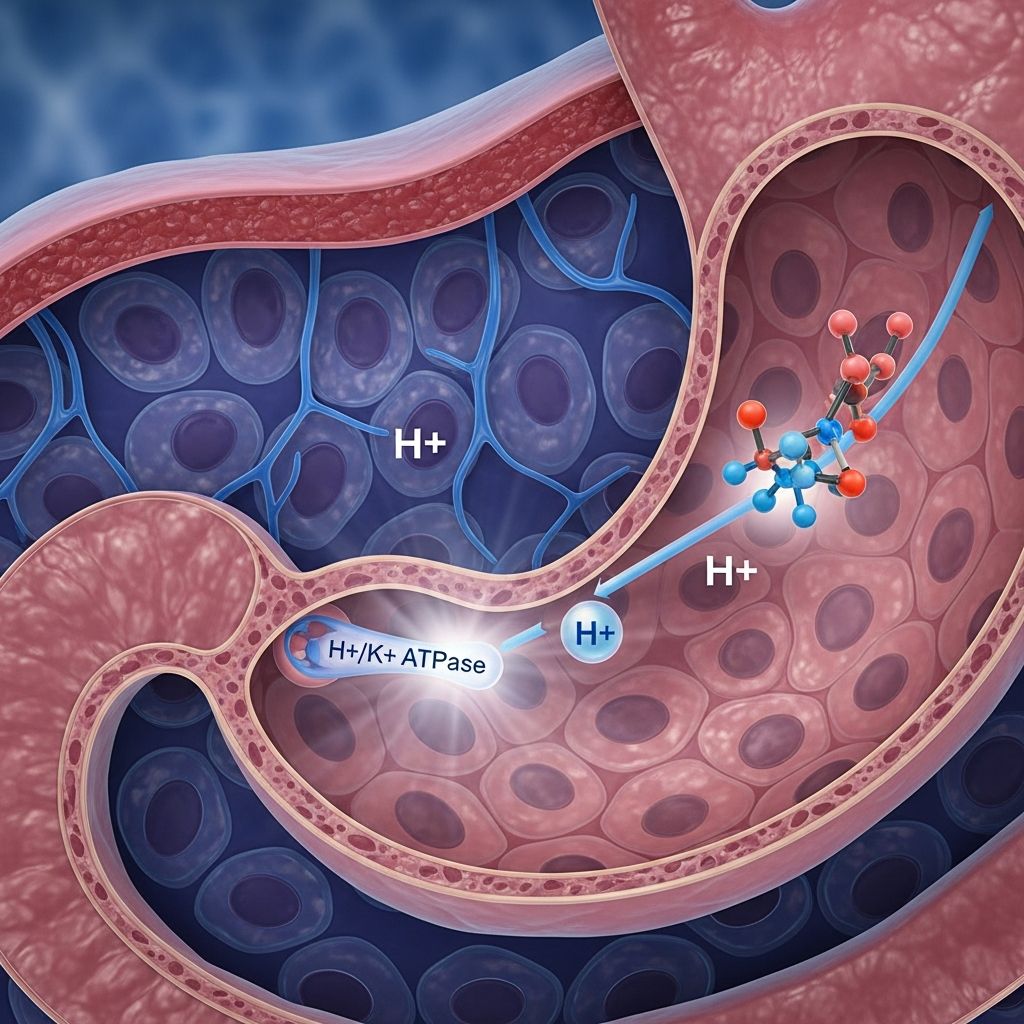
PPIs target the final common pathway of acid production by irreversibly binding to the H+/K+ ATPase enzyme, commonly known as the proton pump, located on the luminal surface of gastric parietal cells. This enzyme exchanges hydrogen ions for potassium ions, directly secreting acid into the stomach.
Administered as prodrugs, PPIs are weak bases that accumulate in the acidic canaliculi of parietal cells (pH ~4.0). Here, they undergo protonation and convert to active sulfenamides or sulfenic acids, which form stable disulfide bonds with specific cysteine residues (primarily Cys813) on the proton pump. This covalent inhibition persists until new pumps are synthesized, typically over 24-48 hours, providing prolonged acid suppression superior to H2-receptor antagonists.
Key pharmacodynamic features include:
- Selective activation in highly acidic environments, minimizing off-target effects.
- Dose-dependent inhibition, achieving up to 99% acid reduction at steady state after 2-3 days.
- Irreversible binding, with recovery dependent on pump turnover (half-life ~54 hours).
Common Types of Proton Pump Inhibitors
Several PPIs are available, differing slightly in pharmacokinetics, potency, and clinical profiles. Omeprazole, the prototype, was the first introduced, followed by lansoprazole, pantoprazole, rabeprazole, and esomeprazole.
| PPI | Typical Dose (mg/day) | Half-Life (hours) | Notable Features |
|---|---|---|---|
| Omeprazole | 20-40 | 0.5-1 | First-generation; rapid activation. |
| Esomeprazole | 20-40 | 1-1.5 | S-isomer of omeprazole; superior acid control. |
| Pantoprazole | 40 | 1-2 | IV formulation available; less CYP2C19 metabolism. |
| Lansoprazole | 15-30 | 1.5 | Multiple binding sites on pump. |
| Rabeprazole | 20 | 1 | Weakest CYP2C19 dependence; faster onset. |
These variations influence dosing in hepatic impairment or drug interactions.
Primary Medical Uses
PPIs are indicated for a spectrum of acid-related disorders:
- GERD: Heal erosive esophagitis and control chronic reflux symptoms.
- Peptic Ulcers: Promote duodenal and gastric ulcer healing, especially post-NSAID use.
- H. pylori Eradication: Combined with antibiotics in triple/quadruple therapy regimens.
- Zollinger-Ellison Syndrome: Manage hypersecretory states from gastrinomas.
- Prevention: Stress ulcer prophylaxis in critically ill patients.
Clinical trials demonstrate healing rates of 80-95% for erosive esophagitis within 8 weeks.
Administration and Dosing Guidelines
For optimal efficacy, PPIs should be taken 30-60 minutes before the first daily meal, when parietal cells are most active. Once-daily dosing suffices for most patients, though twice-daily may be needed for severe cases or Los Angeles grade C/D esophagitis.
Dosing Considerations:
- Adjust for renal/hepatic impairment (e.g., pantoprazole preferred).
- Shortest duration: 4-8 weeks for erosive disease; maintenance for chronic GERD.
- Pediatric: Weight-based, typically 1-2 mg/kg/day.
Potential Side Effects and Risks
While generally well-tolerated short-term, long-term PPI use (>1 year) associates with several concerns:
- Common (1-10%): Headache, diarrhea, nausea, abdominal pain.
- Nutrient Deficiencies: Reduced B12, magnesium, calcium, iron absorption due to hypochlorhydria.
- Infections: Increased risk of C. difficile, pneumonia from altered gut flora.
- Fractures: Possible hip/wrist/spine risk, especially in elderly/high-dose users.
- Cardiovascular: Potential via dimethylargininase inhibition, elevating ADMA and reducing nitric oxide.
- Cancer Risk: 2022 review links to gastric, pancreatic, colorectal, liver cancers, though causality unclear.
Related Stories



Short-term use (<3 months) carries minimal risk for most.
Drug Interactions and Contraindications
PPIs inhibit CYP2C19 (omeprazole, esomeprazole most potently), affecting clopidogrel, warfarin, and others. Pantoprazole and rabeprazole pose lower risk.
Key Interactions:
| Drug Class | Example | Effect |
|---|---|---|
| Antiplatelets | Clopidogrel | Reduced activation. |
| Anticoagulants | Warfarin | Increased INR. |
| Antifungals | Ketoconazole | Decreased absorption. |
| HIV Protease Inhibitors | Atazanavir | Reduced efficacy. |
Contraindications: Hypersensitivity; caution in pregnancy (Category C), lactation.
Monitoring and Long-Term Management
Periodic assessment includes serum magnesium/B12, bone density in at-risk patients. Attempt deprescribing after symptom control: halve dose or use on-demand.
Step-down strategies:
- Switch to H2RA if mild symptoms.
- Lifestyle: Elevate head of bed, avoid triggers (alcohol, spicy foods).
Frequently Asked Questions (FAQs)
What if I miss a PPI dose?
Take as soon as remembered unless near next dose; do not double up. Acid rebound may occur post-abrupt cessation.
Are PPIs safe during pregnancy?
Omeprazole Category C; others preferred if needed. Consult physician.
Can PPIs cause kidney problems?
Acute interstitial nephritis reported; monitor renal function long-term.
How long can I safely take PPIs?
Shortest effective duration; reassess annually for maintenance.
Do PPIs interact with over-the-counter drugs?
Yes, notably NSAIDs (increased ulcer risk if combined).
Latest Developments and Future Directions
Ongoing research explores PPI-resistant acid pumps, novel potassium-competitive blockers (e.g., vonoprazan), and microbiome impacts. Recent meta-analyses emphasize risk-benefit in long-term use.
References
- Proton-pump inhibitor – Wikipedia — Wikipedia. 2023-10-01. https://en.wikipedia.org/wiki/Proton-pump_inhibitor
- Proton Pump Inhibitors (PPI) – StatPearls — NCBI Bookshelf / NIH. 2023-08-14. https://www.ncbi.nlm.nih.gov/books/NBK557385/
- Pharmacology of Proton Pump Inhibitors — PMC / NIH. 2008-10-21. https://pmc.ncbi.nlm.nih.gov/articles/PMC2855237/
- Pharmacokinetics and Pharmacodynamics of the Proton Pump Inhibitors — Journal of Neurogastroenterology and Motility. 2013-01-30. https://www.jnmjournal.org/journal/view.html?doi=10.5056/jnm.2013.19.1.25
- Proton pump inhibitors (PPIs): Nursing Pharmacology — Osmosis. 2023. https://www.osmosis.org/learn/Proton_pump_inhibitors_(PPIs):_Nursing_Pharmacology
- Proton Pump Inhibitors (PPIs): What They Are & Side Effects — Cleveland Clinic. 2023-07-20. https://my.clevelandclinic.org/health/articles/proton-pump-inhibitors
- Proton pump inhibitors — MedlinePlus / NIH. 2023. https://medlineplus.gov/ency/patientinstructions/000381.htm
Similar Articles








Read full bio of Sneha Tete