Proton Pump Inhibitors: Understanding PPIs and Their Side Effects
Complete guide to proton pump inhibitors: how they work, uses, benefits, and potential side effects.
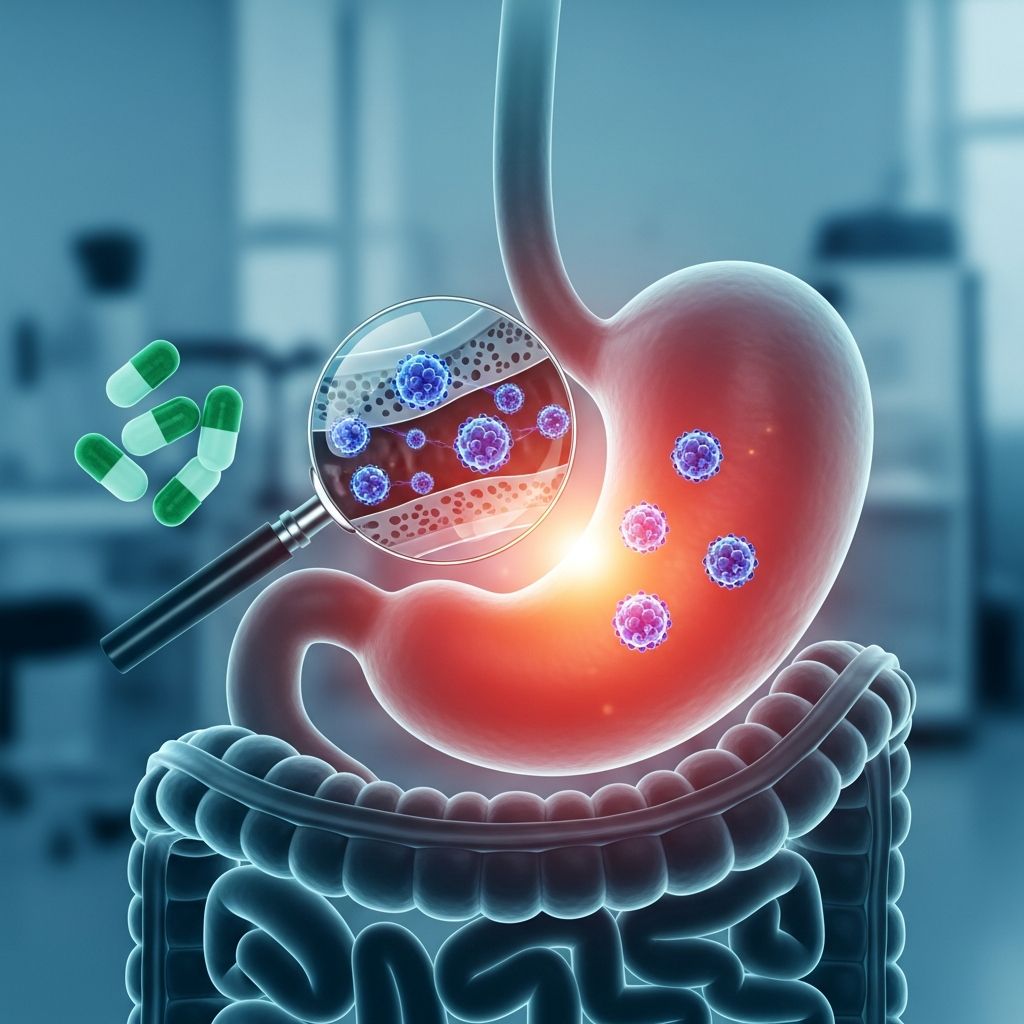
Understanding Proton Pump Inhibitors (PPIs)
Proton pump inhibitors, commonly known as PPIs, are a group of powerful medications that significantly decrease stomach acid production. These drugs have become among the most widely prescribed medications for managing various acid-related disorders, particularly chronic acid reflux and gastroesophageal reflux disease (GERD). PPIs work by targeting a specific enzyme responsible for producing stomach acid, making them highly effective for long-term acid suppression and symptom relief.
How Proton Pump Inhibitors Work
PPIs function through a precise mechanism that directly addresses the root cause of excess stomach acid. The medication works by blocking an enzyme called the hydrogen-potassium ATPase pump, commonly referred to as the proton pump. This pump is the final and crucial step in the chemical process that produces hydrochloric acid in the stomach. By inhibiting this pump, PPIs prevent the completion of the acid-secretion process, thereby dramatically reducing the amount of stomach acid produced.
The mechanism works irreversibly, meaning the drug binds permanently to the proton pump and effectively shuts down acid production at its source. This approach differs from other acid-reducing medications like H2 blockers, which work through a different pathway and provide less complete acid suppression. Because PPIs target the final step of gastric acid secretion by parietal cells in the stomach, they are significantly more powerful and longer-lasting than alternative treatments.
FDA-Approved Proton Pump Inhibitors
Several PPIs have received FDA approval for treating acid-related disorders. The first PPI approved by the FDA was omeprazole (Prilosec) in 1989, which revolutionized the treatment of peptic ulcer disease and other gastric acid conditions. Since then, additional PPIs have been developed and approved, each with slightly different characteristics and specific approved uses.
The FDA-approved proton pump inhibitors include lansoprazole (Prevacid), approved in 1995; rabeprazole (Aciphex), approved in 1999; pantoprazole (Protonix), approved in 2000; and esomeprazole (Nexium), approved in 2001. Esomeprazole is the S-isomer of omeprazole and offers enhanced efficacy for certain conditions. Each medication works through the same basic mechanism but may differ in absorption rates, metabolism, and specific clinical indications.
Medical Uses and Conditions Treated
PPIs are prescribed for a wide range of acid-related disorders and conditions where reducing stomach acid is therapeutically beneficial. These medications have become the first-line treatment choice for numerous gastrointestinal conditions due to their superior efficacy compared to earlier acid-suppressing drugs.
Common medical uses for proton pump inhibitors include treatment of symptomatic gastroesophageal reflux disease (GERD), short-term treatment of erosive esophagitis, management of peptic ulcer disease, treatment of gastric ulcers, management of Zollinger-Ellison syndrome, prevention and treatment of nonsteroidal anti-inflammatory drug (NSAID)-associated ulcers, and eradication of Helicobacter pylori infection when used in combination with appropriate antibiotics. PPIs have dramatically improved outcomes for patients suffering from chronic acid reflux and related conditions that were previously difficult to manage.
How Long PPIs Take to Work
When starting PPI therapy, it’s important to understand that these medications do not provide immediate relief like some other acid-reducing options. It typically takes 24 hours to four days to notice the full benefits of taking proton pump inhibitors. This delayed onset of action is due to the time required for the medication to accumulate in the system and progressively inhibit acid production across multiple parietal cells in the stomach.
Related Stories



If you need quick relief from unexpected heartburn symptoms, such as after eating a spicy meal, you may be better served by using an antacid or a histamine blocker (H2 blocker) like Pepcid or Tagamet instead. These alternatives provide relief within minutes to hours, though their benefits wear off more quickly than PPIs. However, for chronic conditions requiring sustained acid suppression, PPIs remain the superior choice due to their longer-lasting effects and more complete acid reduction.
Proton Pump Inhibitors vs. H2 Blockers
While both PPIs and H2 blockers reduce stomach acid, they work through different mechanisms and serve different clinical purposes. H2 blockers, or histamine-2 receptor antagonists, suppress stomach acid production through a different pathway than PPIs. These medications are considered short-term treatments suitable for occasional acid reflux, stomach ulcers, and duodenal ulcers.
H2 blockers work more quickly than PPIs, providing relief within hours, making them ideal for acute symptoms. However, their effects are not as complete or long-lasting as PPIs. For patients with chronic conditions requiring sustained acid reduction, healthcare providers typically recommend proton pump inhibitors instead. PPIs are more powerful acid blockers that can be safely taken for longer periods, making them the preferred option for chronic GERD, chronic peptic ulcer disease, and other ongoing acid-related conditions.
Managing Long-Term PPI Use
While proton pump inhibitors are generally safe and well-tolerated, especially for appropriate short-term indications, healthcare providers recommend using these medications at the smallest effective dose for the shortest duration necessary. This approach helps minimize potential risks associated with long-term acid suppression.
If you have been taking PPIs for an extended period, it’s important to work closely with your healthcare provider regarding your treatment plan. Eventually, you may be able to reduce your dosage or discontinue the medication if your condition improves. Your healthcare provider can advise you on the appropriate timeline and method for dose reduction, ensuring that you continue to receive symptom relief while minimizing unnecessary medication exposure.
Potential Side Effects and Long-Term Concerns
Although proton pump inhibitors have an excellent safety profile for appropriate short-term use, emerging research has identified potential risks associated with prolonged PPI therapy. Extended use of these medications has been linked to several health concerns that warrant consideration, particularly for patients requiring long-term treatment.
Long-term PPI use has been associated with increased risks of kidney disease, including acute interstitial nephritis and chronic kidney disease. Additionally, prolonged acid suppression can increase susceptibility to gastrointestinal infections, such as Clostridium difficile, non-typhoid Salmonella, and Campylobacter infections. This increased infection risk occurs because stomach acid serves as an important immunological barrier in the gastrointestinal tract.
Other potential concerns identified in research include vitamin B12 deficiency, impaired nutrient absorption, increased cardiovascular disease risk, liver disease risks in certain populations, and potential associations with dementia. Some studies have also suggested links between long-term PPI use and increased risk of neuroendocrine tumors, though these associations remain under investigation and have not yet established definitive causal relationships.
Nutrient Absorption and Vitamin Deficiencies
Stomach acid plays a crucial role in breaking down food and facilitating nutrient absorption. By significantly reducing stomach acid production, PPIs can impair the absorption of certain essential nutrients and vitamins. The most commonly affected nutrient is vitamin B12, with research showing a moderate increased risk of B12 deficiency with prolonged PPI use. Vitamin B12 deficiency can lead to neurological complications if left untreated.
Additionally, reduced stomach acid can impair the absorption of calcium, magnesium, and iron, potentially increasing risks of deficiency-related complications over time. Patients requiring long-term PPI therapy should discuss nutrient monitoring and potential supplementation with their healthcare providers to maintain optimal nutritional status.
Drug Interactions and Special Considerations
PPIs can interact with various other medications, particularly those metabolized through the cytochrome P450 enzyme system. Different PPIs have varying metabolic pathways, with esomeprazole, lansoprazole, and rabeprazole primarily metabolized through CYP2C19 and CYP3A4 pathways, while omeprazole uses multiple pathways including CYP2C9, CYP2C8, CYP2C18, and CYP2C19.
One clinically significant interaction involves clopidogrel, an antiplatelet medication commonly prescribed to prevent blood clots. PPIs impair clopidogrel’s antiplatelet effect due to competition for the cytochrome P450 isoenzyme CYP2C19, potentially reducing the medication’s protective benefits. Patients taking both medications should inform their healthcare provider, as dose adjustments or alternative medications may be necessary.
When to Use Alternatives to PPIs
While PPIs are highly effective for chronic acid-related conditions, they are not always the best choice for every situation. For occasional heartburn or acid reflux triggered by specific foods or situations, antacids or H2 blockers may be more appropriate options. These alternatives provide faster relief and avoid unnecessary long-term medication exposure.
Healthcare providers typically recommend trying PPIs for patients with typical GERD symptoms and persistent reflux that hasn’t responded to lifestyle modifications. However, if reflux symptoms persist despite PPI therapy, further evaluation and alternative treatment approaches, potentially including antireflux surgery, may be considered. Your healthcare provider can help determine whether PPI therapy is appropriate for your specific situation or whether alternative treatments might be better suited to your needs.
Important Considerations for Young Patients
Special consideration should be given to young patients who may require long-term PPI therapy, as their treatment duration could span many years or decades. The risks and benefits of extended PPI use should be carefully evaluated in this population, weighing the symptomatic relief and prevention of complications from acid reflux against the potential long-term risks associated with chronic acid suppression.
Young patients starting PPI therapy should establish regular follow-up care with their healthcare providers to monitor for any emerging adverse effects and to periodically reassess the ongoing need for medication. As research continues to clarify the long-term safety profile of PPIs, treatment strategies may evolve to optimize outcomes for this vulnerable population.
Key Takeaways About Proton Pump Inhibitors
Proton pump inhibitors represent a significant advancement in treating acid-related gastrointestinal disorders, providing superior acid suppression compared to earlier medications. However, like all medications, they should be used appropriately and at the lowest effective dose for the shortest necessary duration. While most patients with appropriate short-term indications experience benefits that outweigh risks, awareness of potential long-term concerns is essential for informed decision-making.
Patients should work closely with their healthcare providers to establish whether PPI therapy is appropriate for their condition, what duration of treatment is expected, and whether periodic reassessment of the continued need for medication is warranted. Regular follow-up ensures that therapy remains optimized and that any emerging concerns are promptly identified and addressed.
Frequently Asked Questions About PPIs
Q: How quickly do proton pump inhibitors start working?
A: PPIs typically take 24 hours to four days to provide full benefits. For faster relief of acute heartburn symptoms, antacids or H2 blockers may be more appropriate choices, as they work within minutes to hours.
Q: Can proton pump inhibitors be taken long-term?
A: While PPIs can be used for extended periods when medically necessary, healthcare providers recommend using them at the smallest effective dose for the shortest duration needed. Long-term use should be periodically reassessed with your healthcare provider.
Q: What is the difference between PPIs and H2 blockers?
A: PPIs are more powerful acid suppressors that work through a different mechanism than H2 blockers. PPIs provide more complete and longer-lasting acid reduction, making them suitable for chronic conditions, while H2 blockers work faster but are typically used for short-term or occasional relief.
Q: Can I reduce my PPI dosage without medical supervision?
A: No, you should not reduce or discontinue PPIs without consulting your healthcare provider. They can advise you on the appropriate timeline and method for dose reduction to ensure continued symptom relief and safety.
Q: Are there any serious side effects associated with long-term PPI use?
A: While PPIs are generally safe for appropriate use, long-term therapy has been associated with increased risks of kidney disease, infections, vitamin deficiencies, and potential cardiovascular concerns. These risks should be discussed with your healthcare provider when considering extended PPI therapy.
Q: What should I do if my PPI isn’t controlling my symptoms?
A: If your symptoms persist despite PPI therapy, contact your healthcare provider. They can evaluate your condition, adjust your dosage, consider alternative medications, or investigate whether your symptoms have other underlying causes requiring different treatment approaches.
References
- Adverse Effects Associated with Proton Pump Inhibitor Use — National Center for Biotechnology Information (NCBI), National Institutes of Health. 2021. https://pmc.ncbi.nlm.nih.gov/articles/PMC7887997/
- Proton Pump Inhibitors: What They Are & Side Effects — Cleveland Clinic. Accessed 2025. https://my.clevelandclinic.org/health/articles/proton-pump-inhibitors
- Long-term Use of PPIs Has Consequences for Gut Microbiome — Cleveland Clinic. 2024. https://consultqd.clevelandclinic.org/long-term-use-of-ppis-has-consequences-for-gut-microbiome
- Proton Pump Inhibitor Side Effects and Drug Interactions: Much Ado About Something — Cleveland Clinic Journal of Medicine. 2011. https://www.ccjm.org/content/78/1/39
- Esomeprazole (Nexium): A New Proton Pump Inhibitor — Cleveland Clinic Center for Continuing Education. 2001. https://www.clevelandclinicmeded.com/medicalpubs/pharmacy/julyaugust2001/esomeprazole.htm
- H2 Blockers: What They Are, Conditions Treated & Side Effects — Cleveland Clinic. Accessed 2025. https://my.clevelandclinic.org/health/articles/h2-blockers
- GERD: A Practical Approach — Cleveland Clinic Journal of Medicine. 2024. https://www.ccjm.org/content/87/4/223
Similar Articles








Read full bio of Sneha Tete