Proton Pump Inhibitors: 6 Types, Uses, Risks & How To Take
Comprehensive guide to proton pump inhibitors (PPIs): uses, types, dosage, side effects, and safe usage for indigestion and acid reflux.
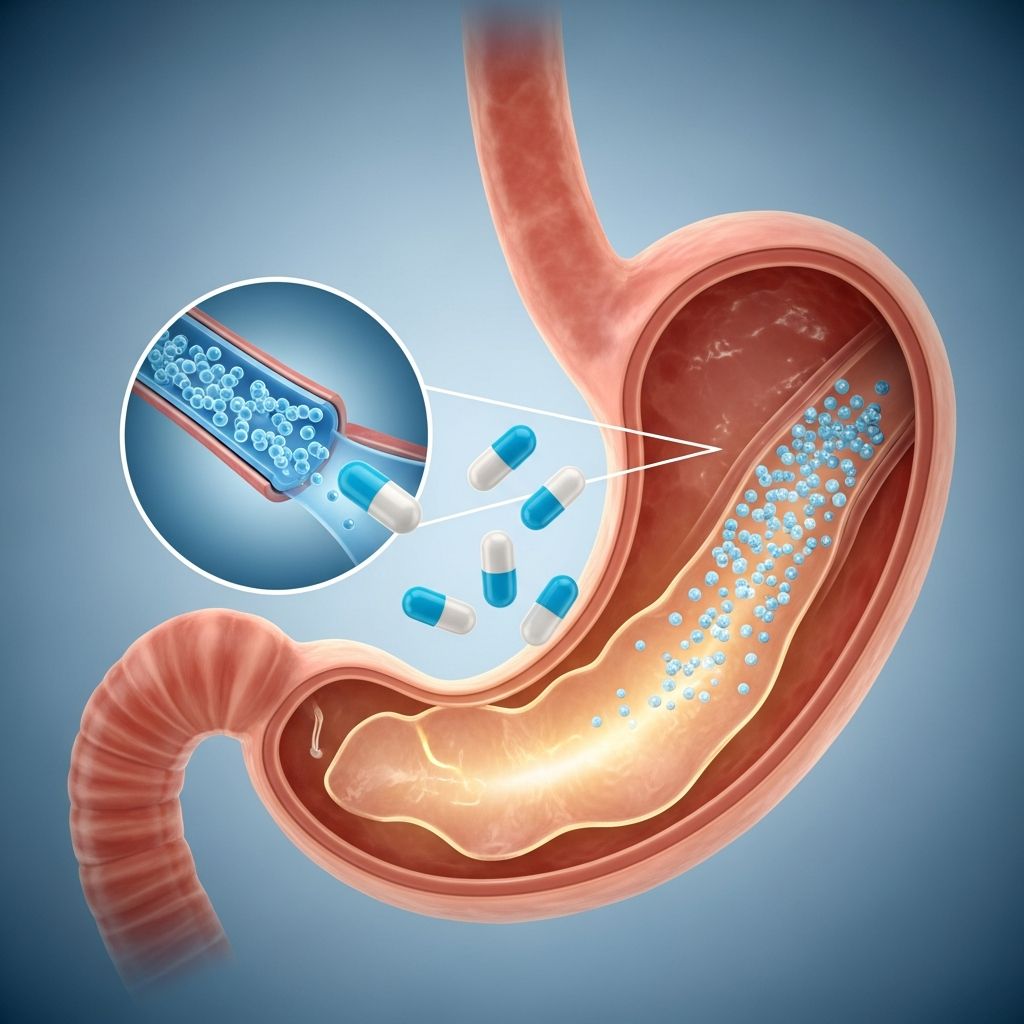
Proton pump inhibitors (PPIs) are a class of medications that effectively reduce stomach acid production, providing relief from conditions like indigestion, heartburn, acid reflux, and gastro-oesophageal reflux disease (GORD).
What are proton pump inhibitors used for?
PPIs are primarily prescribed to treat symptoms of indigestion, also known as dyspepsia, heartburn, or acid reflux, by decreasing the amount of acid produced in the stomach. They are particularly useful for gastro-oesophageal reflux disease (GORD), where stomach acid flows back into the oesophagus, causing irritation and discomfort.
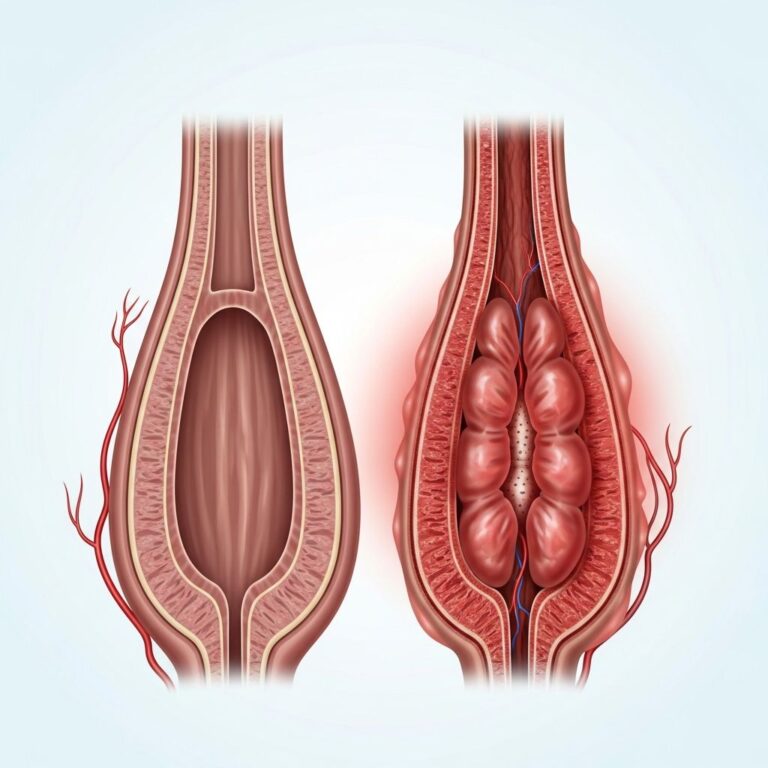
Beyond indigestion, PPIs help heal and prevent stomach ulcers, duodenal ulcers, and erosive oesophagitis. They are also used in combination with antibiotics to eradicate Helicobacter pylori infections, a common cause of peptic ulcers. In some cases, PPIs protect the stomach lining when patients take non-steroidal anti-inflammatory drugs (NSAIDs) or treat conditions like Barrett’s oesophagus.
For children, PPIs manage severe reflux and eosinophilic oesophagitis, while in pregnancy, they alleviate common indigestion and acid reflux symptoms. PPIs are recommended for persistent symptoms not adequately controlled by simpler treatments like antacids or H2 blockers.
How do proton pump inhibitors work?
PPIs target the H+/K+ ATPase enzyme, known as the proton pump, located in the parietal cells of the stomach lining. This enzyme is the final step in acid secretion, pumping hydrogen ions into the stomach to create hydrochloric acid.
Once absorbed in the proximal small bowel, PPIs enter the bloodstream and reach the parietal cells, where they irreversibly bind to and inhibit the proton pump. This blocks acid production at its source, more effectively than H2 receptor antagonists like ranitidine. Proton pumps recycle every 24-48 hours, so full acid suppression builds over 3-5 days of daily dosing.
Administered before meals, PPIs coincide with proton pump activation during food intake, maximising efficacy. Formulations include enteric-coated tablets, capsules, suspensions, and intravenous options for severe cases.
Types of proton pump inhibitors
Several PPIs are available, both over-the-counter (OTC) and prescription-only, with similar efficacy but differences in dosing, formulations, and availability.
| Name | Brand Examples | Common Dosage | OTC Availability |
|---|---|---|---|
| Omeprazole | Losec®, Prilosec, Mezzopram® | 20-40 mg once daily | Yes (low dose) |
| Lansoprazole | Zoton®, Prevacid | 15-30 mg once daily | Yes |
| Esomeprazole | Nexium®, Emozul® | 20-40 mg once daily | Yes (low dose) |
| Pantoprazole | Protium® | 20-40 mg once daily | Prescription |
| Rabeprazole | Pariet® | 20 mg once daily | Prescription |
| Dexlansoprazole | Dexilant® | 30-60 mg once daily | Prescription |
Omeprazole is often preferred in pregnancy due to extensive safety data. All PPIs reduce stomach acid by about 65-98% with consistent use, though individual responses vary.
Dosage
PPIs are typically taken once daily, 30-60 minutes before breakfast for optimal effect, as proton pumps activate with meals. Standard treatment doses for indigestion or GORD range from 20-40 mg daily for 4-8 weeks.
Related Stories



- Indigestion/Heartburn: 20 mg omeprazole or equivalent for 4 weeks; extend to 8 weeks if needed.
- GORD/ Erosive Oesophagitis: 20-40 mg daily for 4-8 weeks, followed by maintenance if symptoms persist.
- Ulcer Healing: 40 mg daily for 4-8 weeks, often with antibiotics for H. pylori.
- Prevention with NSAIDs: Lowest effective dose long-term.
Children and pregnant individuals may require adjusted doses under medical supervision. Swallow tablets whole; do not crush. Intravenous forms are for hospital use in high-risk bleeding ulcers.
Cautions
Not everyone with indigestion requires PPIs; start with lifestyle changes or antacids. Seek urgent medical advice if symptoms include vomiting blood, difficulty/painful swallowing, unexplained weight loss, or black stools, especially over age 55.
PPIs interact with drugs like clopidogrel (reduced efficacy), warfarin, and certain antifungals. Inform your doctor of all medications. Use cautiously in liver disease; monitor magnesium in long-term users.
How to take proton pump inhibitors
Take PPIs before food, ideally first thing in the morning. If twice-daily dosing is needed, take before breakfast and evening meal. For capsules, swallow whole or mix granules in water if specified. Continue full course even if symptoms improve to prevent relapse.
OTC PPIs like low-dose omeprazole are for short-term use (up to 14 days); consult a doctor for longer. Store at room temperature, away from moisture.
Side-effects
Short-term side effects are uncommon and include headache, nausea, diarrhoea, abdominal pain, and flatulence, often resolving with continued use.
Long-term use (over 8 weeks) raises risks of:
- Infections: Clostridium difficile colitis, pneumonia due to reduced stomach acid barrier.
- Nutrient Deficiencies: Low magnesium, vitamin B12, calcium, iron; increases fracture risk.
- Kidney Issues: Acute interstitial nephritis, chronic kidney disease.
- Other: Fundic gland polyps (benign), possible dementia link (debated).
Effects are dose- and duration-dependent; use lowest effective dose shortest time.
Pregnancy and breastfeeding
PPIs are generally safe in pregnancy; omeprazole has the most data and is preferred for indigestion relief. Other PPIs are used if needed under doctor advice. Limited data suggests no increased birth defect risk.
PPIs enter breast milk in small amounts but are considered low risk during breastfeeding; omeprazole preferred.
Long-term use and alternatives
PPIs are effective long-term for conditions like severe GORD or Barrett’s but require monitoring. Step-down strategies include halving dose, on-demand use, or switching to antacids/alginate like Gaviscon.
Symptoms may rebound temporarily (acid hypersecretion) for 2-4 weeks after stopping; manage with antacids. Alternatives: H2 blockers (e.g., ranitidine), antacids for mild symptoms.
Stopping proton pump inhibitors
Do not stop abruptly if prescribed long-term; taper under GP guidance to minimise rebound. GP may reduce dose gradually, switch to as-needed, or discontinue. Temporary symptom flare-up is common but settles in 2-4 weeks.
Frequently Asked Questions
Q: How long should I take PPIs for indigestion?
A: Usually 4-8 weeks at treatment dose; consult GP for longer use.
Q: Can I take PPIs every day?
A: Yes, for prescribed indications, but use lowest dose and review periodically.
Q: Are PPIs safe long-term?
A: Generally yes for necessary cases, but monitor for side effects like infections and deficiencies.
Q: What’s the best PPI?
A: Omeprazole is common and OTC; choice depends on response and doctor advice.
Q: Do PPIs cause weight gain?
A: Not typically; rare GI side effects may indirectly affect appetite.
References
- Treatment of indigestion with Proton Pump Inhibitors (PPIs) — NHS Cheshire and Merseyside. 2024-09-17. https://www.cheshireandmerseyside.nhs.uk/your-health/prescribing/statements/treatment-of-indigestion-with-proton-pump-inhibitors-ppis/
- Proton pump inhibitors (PPIs) — Medicines in Pregnancy (Bumps). Accessed 2026. https://www.medicinesinpregnancy.org/leaflets-a-z/proton-pump-inhibitors/
- Proton Pump Inhibitors (PPI) — StatPearls, NCBI Bookshelf, NIH. 2023. https://www.ncbi.nlm.nih.gov/books/NBK557385/
- Proton pump inhibitors — AMBOSS. Accessed 2026. https://www.amboss.com/us/knowledge/proton-pump-inhibitors/
- Full List of PPIs: 6 Proton Pump Inhibitors to Treat Heartburn — GoodRx. Accessed 2026. https://www.goodrx.com/classes/proton-pump-inhibitors/ppi-list
- Proton Pump Inhibitors (PPIs): What They Are & Side Effects — Cleveland Clinic. Accessed 2026. https://my.clevelandclinic.org/health/articles/proton-pump-inhibitors
- Omeprazole: a medicine to treat heartburn and indigestion — NHS. Accessed 2026. https://www.nhs.uk/medicines/omeprazole/
Similar Articles








Read full bio of medha deb