Proton Therapy: Advanced Radiation Treatment for Cancer
Discover how proton therapy delivers precise radiation to cancer tissue while sparing healthy cells.
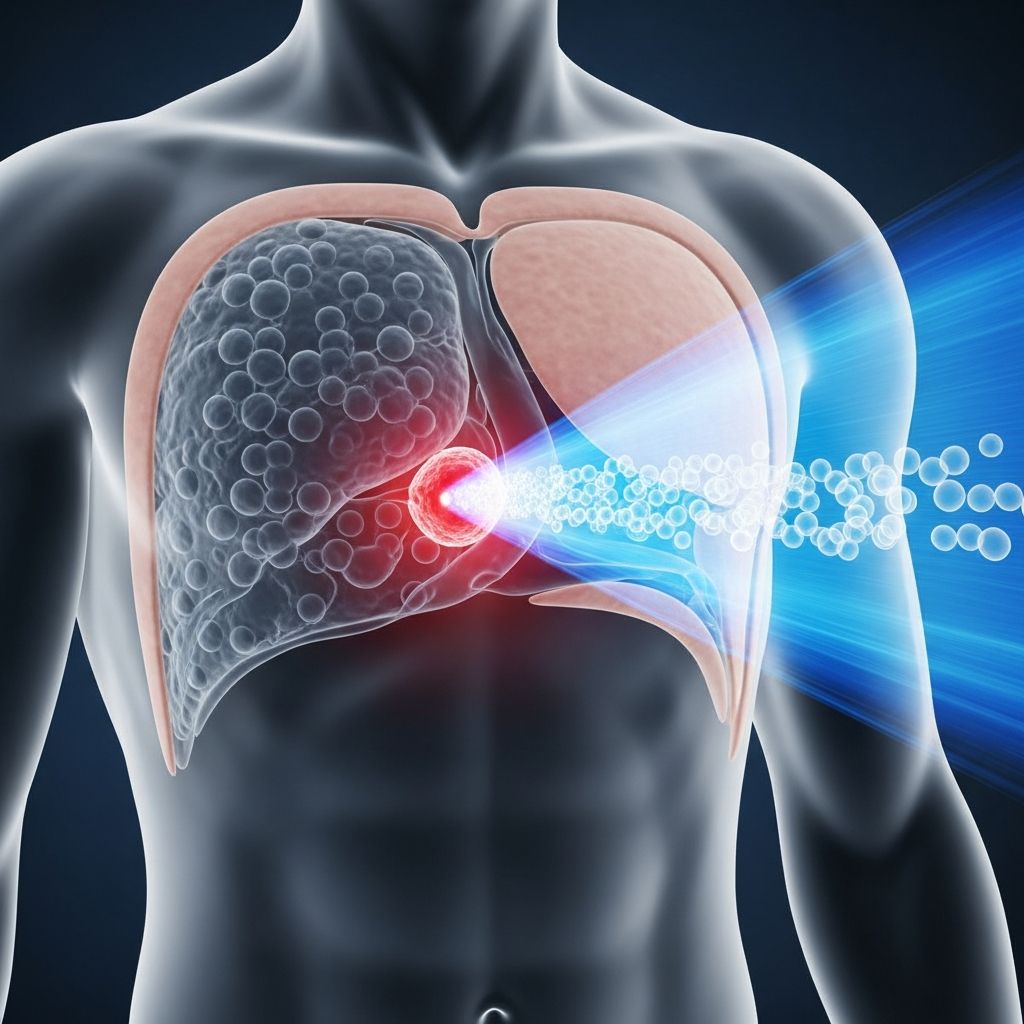
Proton therapy represents a significant advancement in cancer treatment technology, offering a more precise and targeted approach to delivering radiation to cancerous tumors. This innovative therapy has transformed the landscape of oncology by allowing physicians to treat cancer with exceptional accuracy while minimizing exposure to surrounding healthy tissue. As cancer treatment continues to evolve, proton therapy stands out as one of the most promising therapeutic options available to patients today.
What is Proton Therapy?
Proton therapy is an advanced form of radiation therapy that uses proton beams to treat cancer. Unlike conventional radiation therapy, which uses photons (X-rays), proton therapy harnesses the power of charged particles called protons to deliver radiation directly to cancerous tissue. The technology allows medical professionals to direct radiation with millimeter-level precision, painting the tumor layer by layer with cancer cell-killing proton energy.
The fundamental difference between proton therapy and traditional radiation therapy lies in how the radiation interacts with tissue. Proton beams deposit most of their energy directly at the tumor site through what physicists call the Bragg peak, a phenomenon where the beam releases maximum energy as it comes to a stop within the tumor. This contrasts sharply with conventional X-ray therapy, which delivers radiation both entering and exiting the body, exposing healthy tissue on both sides of the tumor to unnecessary radiation.
How Proton Therapy Works
The treatment process begins with a comprehensive consultation where patients meet with a physician and a specialized team including dosimetrists—physicists who perform detailed calculations for the treatment plan. Following the initial consultation, patients undergo simulation, which involves a series of advanced imaging scans to map the exact location and dimensions of the tumor.
Modern proton centers utilize cutting-edge imaging technology including dual energy CT scanning and advanced MRI units. These technologies provide exceptionally detailed images that allow for precise treatment planning. The imaging data is integrated to create a three-dimensional map of the tumor and surrounding anatomy, enabling physicians to design a treatment plan that maximizes tumor coverage while minimizing exposure to critical structures.
During actual treatment, a mechanical arm called a gantry moves the proton beam 360 degrees around the patient, allowing the beam to approach the tumor from multiple angles. This multi-directional approach ensures thorough tumor coverage while distributing the dose in a way that further protects surrounding tissue. The pencil beam technology employed creates a focused beam that can target areas as small as a few millimeters, enabling treatment with remarkable precision.
Key Benefits of Proton Therapy
Precision and Accuracy
The primary advantage of proton therapy lies in its exceptional precision. The ability to target tumors with millimeter-level accuracy means that physicians can deliver higher doses of radiation directly to cancer cells while significantly reducing the radiation dose to healthy tissue. This precision translates directly into improved patient outcomes and reduced side effects.
Related Stories



Protection of Healthy Tissue
One of the most significant benefits of proton therapy, particularly for pediatric patients, is the dramatic reduction in radiation exposure to healthy tissue surrounding the tumor. In conventional radiation therapy, healthy tissue can receive substantial doses of radiation as the beam enters and exits the body. Proton therapy minimizes this exposure, which is critical for children whose bodies are still developing and whose healthy cells are more vulnerable to radiation damage.
Reduced Long-term Side Effects
By sparing healthy tissue from unnecessary radiation, proton therapy significantly reduces the risk of long-term side effects that can manifest years or even decades after treatment. These potential complications can include cognitive and developmental impairments, heart disorders, and secondary cancers. The reduced exposure to surrounding tissue means fewer patients will experience these serious late complications, improving quality of life after cancer treatment.
Fewer Treatment Sessions
Advances in proton therapy planning now allow for shorter treatment courses compared to conventional radiation. While standard radiation treatment for prostate cancer might require 30 sessions or gynecological cancers might need 25 sessions, newer proton therapy protocols may accomplish comparable or superior results with as few as five treatments. This reduction in treatment sessions decreases the burden on patients and their families while maintaining or improving therapeutic effectiveness.
Cancers Treated with Proton Therapy
Proton therapy has proven effective for treating a wide range of cancer types, particularly those where conventional radiation would necessitate exposing critical structures to significant radiation doses:
- Sarcomas, particularly those located in the base of the skull, spine, or retroperitoneum
- Breast cancer
- Prostate cancer
- Rhabdomyosarcoma, melanoma, and other cancers around the eye
- Lung cancer and other thoracic cancers including lymphoma and thymoma
- Head and neck cancers
- Liver cancer
- Gynecological tumors
- Pancreatic tumors
- Tumors located near the heart and major blood vessels
Research at leading proton centers is continually expanding the applications of this technology, studying outcomes for additional cancer types and refining treatment protocols to improve effectiveness and reduce side effects.
Technology and Equipment
State-of-the-art proton therapy centers are equipped with sophisticated technology designed to deliver treatment with maximum precision and safety. The Johns Hopkins National Proton Center at Sibley Memorial Hospital, one of the largest and most advanced facilities in the nation, exemplifies the cutting-edge equipment now available.
Advanced pencil beam proton therapy equipment represents the latest generation of treatment delivery systems. These systems can modulate the intensity of the beam to conform precisely to the three-dimensional shape of the tumor. Next-generation imaging technologies, such as dual energy CT-guided treatment, reduce the margin of error and improve targeting accuracy. Biomatrix MRI technology represents the latest innovation, specifically designed to track and target moving tumors located in organs such as the lung and liver.
A large mechanical arm called a gantry moves the treatment beam 360 degrees around the patient, allowing physicians to treat tumors from multiple angles. This capability ensures comprehensive tumor coverage while optimizing the dose distribution to spare critical structures. Treatment rooms are specifically designed and equipped to support this complex technology while maintaining the comfort and safety of patients throughout their treatment course.
Treatment Planning and Personalization
Modern proton therapy represents a personalized approach to cancer treatment. Each patient’s treatment plan is uniquely designed based on their specific tumor characteristics, location, size, and surrounding anatomy. Dosimetrists work with physicians to develop plans that deliver maximum tumor coverage while respecting dose constraints for critical structures.
The treatment planning process incorporates multiple imaging modalities to ensure accuracy. Sophisticated computer algorithms optimize the beam arrangement and intensity to achieve the desired dose distribution. Many leading proton centers conduct clinical trials comparing proton therapy with conventional photon therapy for various cancer types, providing evidence to help determine which treatment approach is optimal for each individual situation.
Clinical Research and Innovation
Leading academic proton centers have fully integrated research programs dedicated to advancing the field. These research initiatives include clinical trials, translational research, and technology development research. Researchers examine how proton energy interacts with cancer cells and surrounding tissue, leading to new advances that are quickly translated into clinical practice.
Clinical research at proton centers focuses on comparing outcomes between proton therapy and conventional photon therapy, studying the effectiveness of proton therapy for various cancer types, and investigating approaches to further reduce treatment duration while maintaining or improving results. Registry trials follow patients long-term to document outcomes and side effects, providing valuable data that continuously improves treatment approaches for future patients.
Pediatric Considerations
Proton therapy holds particular significance for pediatric cancer patients. Children’s developing bodies make them especially vulnerable to the long-term effects of radiation to healthy tissue. The ability to spare normal tissue that surrounds the tumor may be critical for normal growth and development.
Leading proton centers have dedicated pediatric teams specifically trained in treating young patients. These teams understand the unique needs of children undergoing cancer treatment, including the physical and emotional challenges of therapy at a young age. By reducing radiation exposure to healthy tissue, proton therapy helps ensure that children can grow and develop normally after successful cancer treatment, with reduced risk of serious late complications such as secondary cancers or developmental impairments.
Side Effects and Safety
While proton therapy significantly reduces the risk of late side effects by sparing healthy tissue, patients may experience some side effects during treatment. Most side effects that occur during treatment are temporary and resolve after therapy concludes. The specific side effects vary depending on the location of the tumor and the tissues included in the treatment field.
The risk of serious late side effects is substantially lower with proton therapy compared to conventional radiation. This includes reduced risk of cognitive or developmental impairments in pediatric patients, decreased risk of cardiac complications in patients treated for chest tumors, and significantly reduced risk of secondary malignancies that can develop years after radiation treatment.
Access to Proton Therapy
Proton therapy centers have expanded significantly in recent years, making this advanced treatment accessible to more patients. Major academic medical centers and comprehensive cancer centers increasingly offer proton therapy as a treatment option. However, availability varies by geographic region, and not all insurance plans may cover proton therapy for all indications.
Patients interested in proton therapy should discuss this option with their oncology team. Medical professionals can determine whether proton therapy is appropriate for a specific patient’s cancer type and clinical situation. Many insurance companies require pre-authorization for proton therapy, and patients may need to be referred to a specialized proton center for treatment.
Frequently Asked Questions
Q: How does proton therapy differ from conventional radiation therapy?
A: Proton therapy uses proton beams rather than X-rays, delivering radiation with exceptional precision directly to the tumor while minimizing exposure to surrounding healthy tissue. Proton beams release maximum energy at the tumor site (Bragg peak), whereas X-rays deliver radiation both entering and exiting the body, exposing healthy tissue on both sides of the tumor.
Q: Is proton therapy appropriate for all cancer types?
A: Proton therapy is most effective for certain cancer types, particularly those where conventional radiation would expose critical structures to significant radiation. Your oncology team can determine whether proton therapy is appropriate for your specific cancer type and clinical situation.
Q: How many treatment sessions are typically required?
A: Treatment duration varies depending on the cancer type and treatment protocol. While conventional radiation might require 25-30 sessions, some newer proton therapy protocols require as few as five treatments. Your physician will determine the appropriate number of sessions for your individual case.
Q: What are the side effects of proton therapy?
A: Most side effects occurring during treatment are temporary and resolve after therapy concludes. Long-term side effects are significantly reduced compared to conventional radiation due to reduced exposure of healthy tissue to radiation.
Q: Is proton therapy covered by insurance?
A: Coverage varies by insurance plan and may require pre-authorization. Discuss coverage options with your healthcare team and insurance company to understand what expenses you may incur.
Q: Why is proton therapy particularly beneficial for children?
A: Proton therapy’s ability to spare healthy tissue is especially important for children, whose developing bodies are more vulnerable to radiation damage. This significantly reduces the risk of serious long-term complications such as cognitive impairments, developmental delays, cardiac problems, or secondary cancers.
Q: How is treatment planned for proton therapy?
A: Treatment planning begins with a consultation with your physician and a multidisciplinary team. Advanced imaging including CT and MRI scans creates a detailed map of your tumor and surrounding anatomy. Dosimetrists then develop a personalized treatment plan that maximizes tumor coverage while protecting critical structures.
References
- Johns Hopkins Medicine Celebrates Opening of the Johns Hopkins National Proton Center — Johns Hopkins Medicine and Children’s National Hospital. 2019. https://www.childrensnational.org/about-us/newsroom/2019/national-proton-center-opening
- The Johns Hopkins Proton Therapy Center in Washington, D.C. — Johns Hopkins Medicine. https://www.youtube.com/watch?v=-Y669vO1NVQ
- Proton Beam Therapy for the Treatment of Tumors — Johns Hopkins University School of Medicine. March 26, 2024. https://www.youtube.com/watch?v=pXjpmRIRDZE
- Johns Hopkins Proton Therapy Center — American Society for Radiation Oncology. https://proton-therapy.org/map-location/johns-hopkins-proton-therapy-center/
Similar Articles








Read full bio of medha deb