Prurigo Nodularis: Causes, Symptoms, and Treatment
Complete guide to understanding prurigo nodularis, a chronic itchy skin condition affecting millions worldwide.
Prurigo Nodularis: A Comprehensive Overview
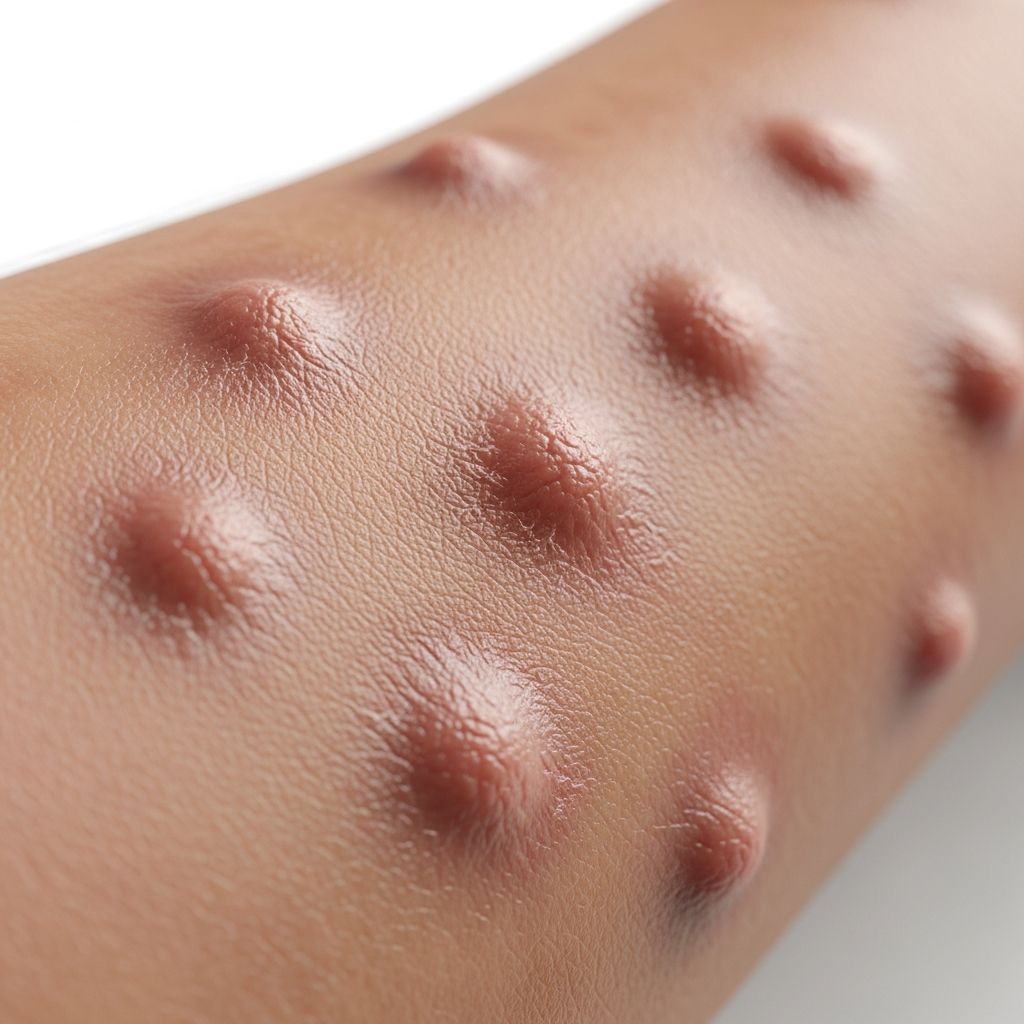
Prurigo nodularis (PN) is a chronic inflammatory skin disease characterized by the development of multiple firm, itchy nodules that typically appear on the extensor surfaces of the body, particularly on the arms, legs, and abdomen. This condition is marked by an intensely pruritic rash that causes significant physical discomfort and can substantially impact quality of life. The disorder is distinguished by its persistent nature and tendency to resist conventional treatment approaches, often requiring long-term management strategies tailored to individual patient needs.
Understanding the Symptoms and Clinical Presentation
Prurigo nodularis presents with characteristic clinical features that make it identifiable through careful examination. The condition manifests as multiple firm, flesh-to-pink colored papules, plaques, and nodules that are distributed symmetrically across the body. These lesions are accompanied by severe and often debilitating itching that can interfere with daily activities and sleep quality.
The nodules in PN are typically:
– Firm and raised above the skin surface- Between 5 to 15 millimeters in diameter- Symmetrically distributed on arms, legs, and abdomen- Often showing signs of excoriation from scratching- Resistant to healing despite treatment efforts
The Underlying Causes and Risk Factors
Prurigo nodularis can develop as a result of various underlying conditions and mechanisms. Understanding these contributing factors is essential for comprehensive management. While approximately 13% of patients with PN have no identifiable predisposing illness or factors, the majority of cases are associated with specific conditions or triggers.
Dermatological Associations
PN frequently occurs in conjunction with other skin conditions, particularly atopic dermatitis, chronic pruritus, and other cutaneous hypersensitivity disorders. Patients with a history of eczema or sensitive skin are at increased risk of developing prurigo nodularis, as these conditions share underlying inflammatory pathways.
Neurological and Systemic Factors
The condition can be associated with damage to the nervous system, including peripheral neuropathies, brachioradial pruritus, notalgia paresthetica, and small fiber neuropathies. Additionally, certain systemic conditions, infections, psychological factors, and even adverse reactions to therapeutic drugs such as pembrolizumab, paclitaxel, and carboplatin can contribute to the development of PN.
The Pathophysiology: How Prurigo Nodularis Develops
The itch experienced in prurigo nodularis results from cutaneous neurogenic inflammation mediated by various neuropeptides and immune system components. This complex pathophysiology involves multiple biological pathways working simultaneously to produce the characteristic severe itching.
Neuropeptide and Immune Involvement
Key players in PN pathophysiology include:
– Substance P- Calcitonin gene-related peptide (CGRP)- Vanilloid receptor subtype 1 (VR-1)- Interleukin 31 (IL-31), a highly prurigogenic T-cell-derived cytokine
Immunohistochemical studies have revealed increased dermal nerve fibers in the papillary dermis of patients with PN. These thin, unmyelinated epidermal nerves transmit signals responsible for severe pruritus. Nerve growth factor (NGF) and its receptor, tyrosine receptor kinase A (TrkA), are overexpressed in PN lesions and contribute to increased neuropeptide release and accumulation.
Related Stories



Inflammatory Cell Involvement
Additional alterations to the skin environment in PN include an increased number of neutrophils and mast cells that release histamine and increased eosinophil activity. These immune cells, commonly involved in allergic reactions and eczema, amplify the inflammatory cascade in prurigo nodularis.
Diagnosis and Evaluation
Accurate diagnosis of prurigo nodularis requires a comprehensive clinical approach combining patient history, physical examination, and laboratory testing to confirm diagnosis and differentiate from other dermatological conditions with similar presentations.
Clinical Assessment
Dermatologists evaluate PN through:
– Detailed patient history regarding symptom onset, progression, and associated conditions- Physical examination of lesion characteristics, distribution, and severity- Assessment of psychological factors and secondary complications from scratching- Identification of any underlying pruritic conditions
Laboratory and Diagnostic Testing
While definitive diagnosis is primarily clinical, dermatologists may perform skin biopsies to rule out other conditions and confirm the histopathological features of PN. Additional investigations may be necessary to identify underlying systemic or neurological causes that could be contributing to the condition.
Treatment and Management Strategies
Management of prurigo nodularis requires a multifaceted approach targeting the itch-scratch cycle and addressing underlying causes. The goal is to eliminate or reduce itchiness so that nodules and damaged skin can heal. Treatment plans should be tailored to individual patient needs, considering the chronic and often refractory nature of the condition.
Lifestyle Modifications and Patient Education
Patients benefit significantly from education on practices to reduce scratching of lesions and behavioral management strategies. Protecting lesions through appropriate bandaging, maintaining short fingernails, and avoiding triggers that exacerbate itching are important components of care. Any psychological disorders associated with scratching and picking at skin should also be diagnosed and treated as part of comprehensive management.
Topical and Intralesional Therapies
First-line topical treatments include potent topical corticosteroids applied under occlusion. Clobetasol dipropionate 0.05% ointment, applied under plastic wrap occlusion once nightly for at least 2 to 4 weeks, represents the suggested first-line approach. Additional topical options include:
– Topical calcineurin inhibitors- Topical capsaicin, derived from chili peppers- Topical vitamin D analogs
For lesions resistant to topical therapy, intralesional corticosteroid injections, such as triamcinolone acetonide, can provide rapid relief. These injections are typically administered every 4 to 6 weeks until the itch or bump resolves.
Systemic Pharmacological Treatments
When topical therapies prove insufficient, systemic medications targeting different pathways of itching and inflammation become necessary.
Antihistamines and Opioid Antagonists
Antihistamines help control itching and are often among the first systemic medications prescribed. Naloxone and naltrexone exert antipruritic effects by inhibiting mu-opioid receptors on nociceptive neurons and interneurons, resulting in itch suppression.
Targeted Immune Modulators
FDA-approved biologic therapies have revolutionized PN treatment:
Dupilumab (Dupixent): This monoclonal antibody reduces inflammation thought to cause itchy skin and is FDA-approved for treating adults with prurigo nodularis. It effectively reduces itch and clears lesions when other treatments fail, with itch relief often occurring quickly. Common mild side effects include inflamed eyes and eyelids, cold symptoms, and diarrhea.
Nemolizumab: This FDA-approved medication stops the itch-scratch cycle through a different mechanism, offering an alternative for patients who don’t respond adequately to dupilumab.
Neurokinin-1 Receptor Antagonists
Drugs such as aprepitant and serlopitant prevent substance P-mediated signaling in PN pathogenesis. Significant itch relief has been achieved in PN patients on aprepitant monotherapy, making NK1r antagonists promising treatment options.
Traditional Immunosuppressants
For severe, refractory cases, immunosuppressive medications including cyclosporine and methotrexate are reserved due to potential serious side effects. Cyclosporine at 3 mg/kg daily can provide relief but carries risks including nephrotoxicity, hypertension, and hyperkalemia. Methotrexate, traditionally used for cancer and severe psoriasis, can bring significant itch relief but may cause nausea, high blood pressure, and liver damage.
Phototherapy Approaches
Phototherapy using UVA and/or UVB light helps heal lesions faster and reduces pruritus and inflammation. Specific phototherapy modalities include:
– PUVA (psoralen plus UVA)- Long-wavelength UVA- Narrowband UVB- Monochromatic excimer light of 308nm
These therapies are suspected to work by decreasing levels of calcitonin-gene related peptide, substance P, and histamine released by inflammatory cells.
Emerging Treatment Options
Newer treatments being explored in clinical trials and studies include thalidomide and lenalidomide, which work by inhibiting tumor necrosis factor-alpha (TNF-alpha) to treat itch and inflammation. While thalidomide can cause fatigue, peripheral neuropathy, and blood clots, lenalidomide represents a less toxic alternative. Researchers continue investigating underlying mechanisms and developing better treatment options as understanding of PN improves.
Long-Term Management and Prognosis
Prurigo nodularis tends to be refractory to conventional treatments, emphasizing the importance of patient education, counseling, and compliance with long-term therapy. Proper treatment of systemic and infectious causes may cure PN in some cases, but not all patients achieve complete resolution even after underlying conditions are addressed. The condition can persist independently despite resolution of contributing factors.
Frequently Asked Questions
What causes prurigo nodularis?
Prurigo nodularis results from complex interactions between neuropeptides, immune system dysfunction, and neurogenic inflammation. While associated with conditions like atopic dermatitis and neuropathies, approximately 13% of cases occur without identifiable predisposing factors.
Is prurigo nodularis contagious?
No, prurigo nodularis is not contagious. It is a chronic inflammatory skin condition resulting from internal biological mechanisms, not infectious agents.
How long does treatment take?
Treatment duration varies significantly depending on severity and response. Topical corticosteroids typically require 2 to 4 weeks minimum, while biologic therapies may show improvement within weeks. Long-term management is often necessary due to the chronic nature of the condition.
Can prurigo nodularis be cured?
While some cases may resolve with treatment of underlying causes, prurigo nodularis frequently persists chronically. Management focuses on controlling symptoms and disrupting the itch-scratch cycle rather than achieving permanent cure.
What is the best first-line treatment?
Potent topical corticosteroids under occlusion, combined with patient education on avoiding scratching and treating underlying conditions, represent the recommended first-line approach. If ineffective, systemic therapies and biologic medications are considered.
References
- Prurigo Nodularis — National Center for Biotechnology Information (NCBI) Bookshelf. 2024. https://www.ncbi.nlm.nih.gov/books/NBK459204/
- Prurigo Nodularis: Pruritic Rash Skin Disease — National Organization for Rare Disorders (NORD). 2024. https://rarediseases.org/rare-diseases/prurigo-nodularis/
- Prurigo Nodularis: Diagnosis and Treatment — American Academy of Dermatology (AAD). 2024. https://www.aad.org/public/diseases/a-z/prurigo-nodularis-treatment
- Prurigo Nodularis Overview — Yale Medicine Department of Dermatology. 2024. https://www.yalemedicine.org/conditions/prurigo-nodularis-overview
- What Is Prurigo Nodularis? Symptoms, Pictures, and More — Healthline Medical Network. 2024. https://www.healthline.com/health/what-is-prurigo-nodularis
Similar Articles








Read full bio of Sneha Tete