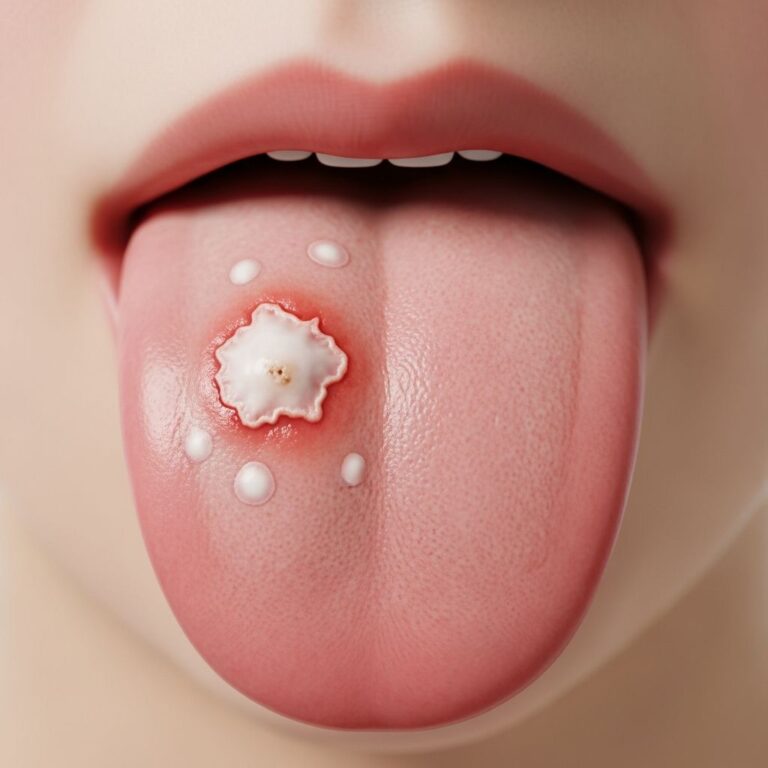
Prurigo of Pregnancy: Causes, Symptoms, and Treatment
Understanding prurigo of pregnancy: clinical features, diagnosis, and evidence-based management strategies.
What is Prurigo of Pregnancy?
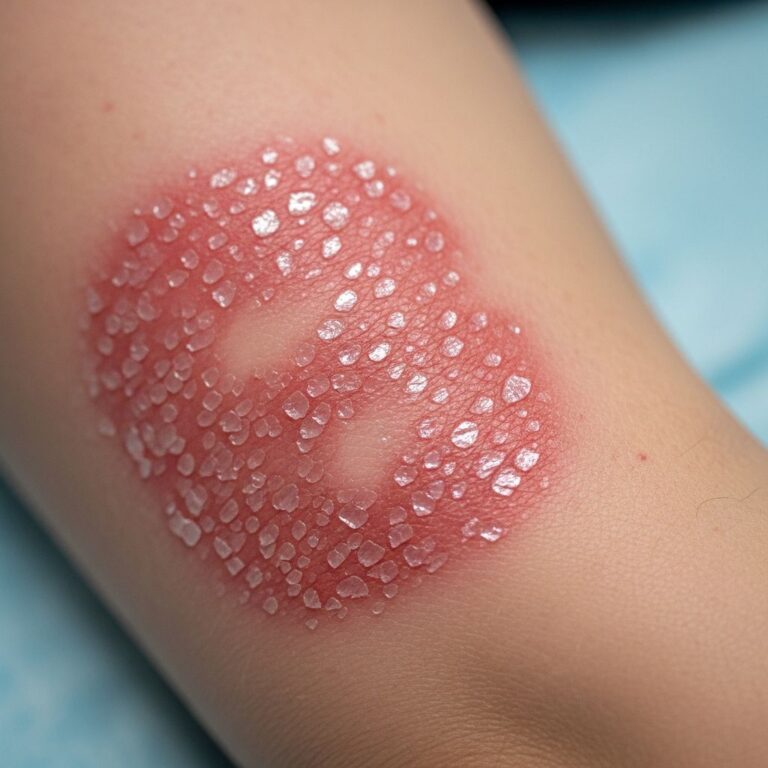
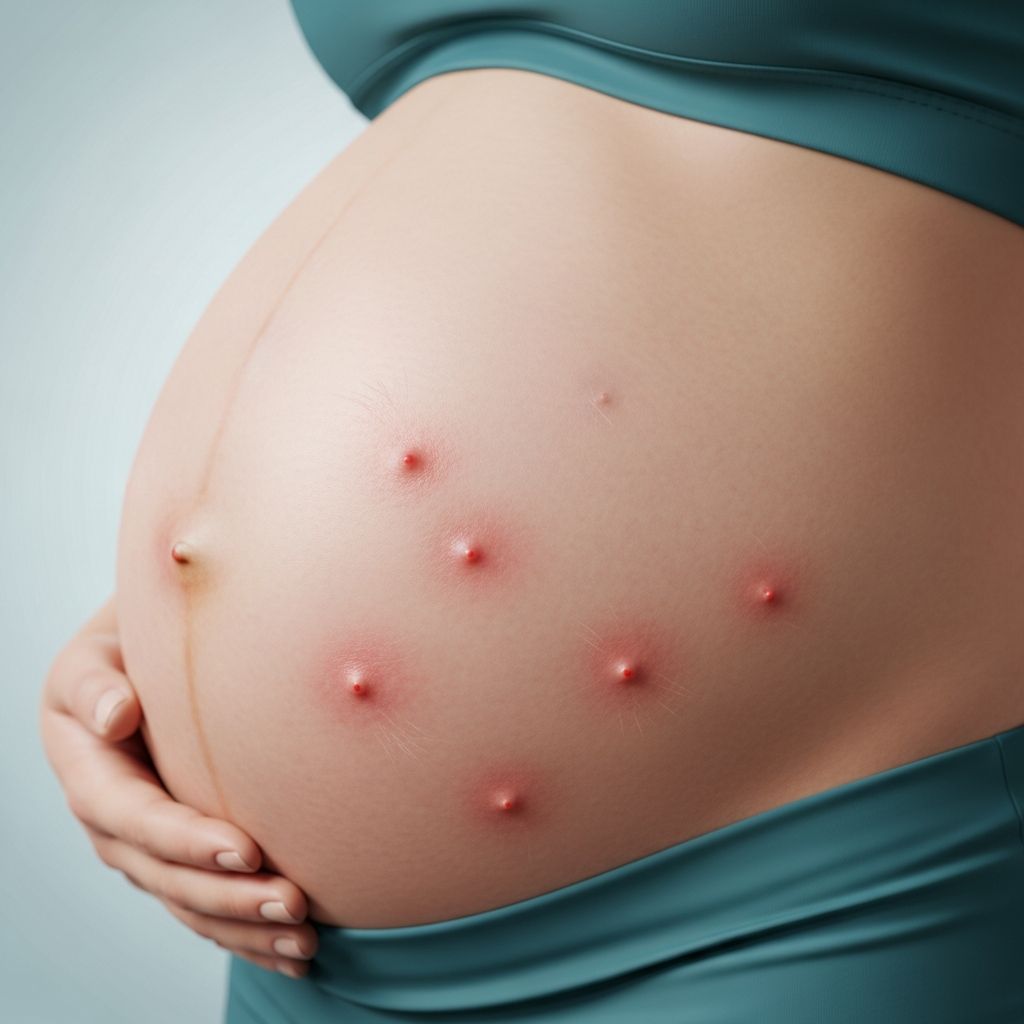
Prurigo of pregnancy (PP) is a specific dermatosis of pregnancy characterized by intensely pruritic papulonodules that most commonly affect the extensor surfaces of the arms, legs, and other body areas. The condition typically manifests as small, itchy, raised bumps that can develop in the first, second, or third trimester of pregnancy. With an estimated prevalence of approximately 1 in 300 pregnancies, prurigo of pregnancy represents one of the notable skin conditions that pregnant women may encounter.
The rash typically consists of excoriated papules and nodules that result from intense scratching due to severe itching. The condition can vary significantly between individuals in terms of onset, distribution, severity, and duration. Unlike some other pregnancy-related dermatoses, prurigo of pregnancy does not pose significant risks to the mother or fetus and is considered benign.
Clinical Manifestations and Presentation
Appearance and Distribution
Prurigo of pregnancy typically presents with variable clinical features that can differ markedly among affected individuals. The characteristic lesions appear as intensely itchy, small, raised bumps that may progress to form crusty or excoriated papulonodules. The typical rash distribution includes:
- Extensor surfaces of the arms and legs
- The back and buttocks
- The abdomen
- Other areas of the body depending on individual presentation
The lesions are often excoriated due to vigorous scratching prompted by severe pruritus, which is the hallmark symptom of this condition. The severity of itching can significantly impact sleep quality and overall quality of life during pregnancy.
Onset and Duration
Prurigo of pregnancy can develop at any point during pregnancy, from the first trimester through the third trimester. The condition typically lasts from three weeks to 21 weeks, although the timeline varies considerably between patients. Some women experience complete resolution of symptoms within 24 hours, while others may not achieve spontaneous resolution until weeks or even months postpartum. This substantial variability in duration underscores the heterogeneous nature of the condition and the need for individualized treatment approaches.
Etiology and Pathophysiology
Theoretical Mechanisms
The exact etiology of prurigo of pregnancy remains incompletely understood; however, current theories suggest that changes in the maternal immunologic environment play a key role in disease initiation. During pregnancy, a significant shift occurs in the immune response to accommodate antigenically different fetal tissues and prevent fetal rejection.
This immunologic shift favors T-helper 2 (Th2) humoral response over the cell-mediated immune function of T-helper 1 (Th1) cells. The Th2 cytokine profile characteristic of pregnancy creates conditions that favor the exacerbation and appearance of atopic dermatitis and pruritus, conditions that are themselves Th2-dominant diseases. This immunologic alteration may explain why pregnant women with atopic predisposition are particularly susceptible to developing prurigo of pregnancy.
Associated Conditions
Prurigo of pregnancy may be associated with various other conditions and comorbidities, including:
- History of atopic dermatitis or atopic conditions
- Polymorphic eruption of pregnancy
- Gestational pruritus
- Prurigo nodularis
- Intrahepatic cholestasis during pregnancy
- Hypothyroidism
- Anemia
- Mental health conditions
- Allergies
- History of bariatric surgery
- Obesity
Related Stories



These associations suggest that prurigo of pregnancy may represent a manifestation of pruritus gravidarum in atopic individuals, or alternatively, may simply reflect exacerbation of pre-existing atopic dermatitis during the immunologic changes of pregnancy.
Diagnosis and Differential Diagnosis
Clinical Diagnosis
Diagnosis of prurigo of pregnancy is primarily clinical, based on characteristic presentation of intensely pruritic papulonodules in the typical distribution pattern during pregnancy. A thorough history and physical examination are essential components of the diagnostic evaluation.
Key diagnostic considerations include:
- Presence of typical clinical features (intensely pruritic papulonodules)
- Characteristic distribution on extensor surfaces
- Timing during pregnancy
- Absence of alternative clear etiology
- Response to standard pregnancy-safe treatments
Investigations and Exclusion of Other Conditions
When diagnostic uncertainty exists, additional investigations may be warranted to exclude other conditions that can present with similar features. Particularly important is ruling out intrahepatic cholestasis of pregnancy, a more serious condition that can affect fetal outcomes. Drawing total serum or urine bile acids is recommended when primary lesions are not clearly detected on the skin or when diagnosis is questioned. Bile acids may range from 3 to 100 times normal levels in patients with underlying intrahepatic cholestasis of pregnancy.
When a patient’s presentation is atypical or fails to respond to standard therapies, dermatologic consultation and possible skin biopsy may be considered to confirm diagnosis and exclude other pregnancy-related dermatoses.
Treatment Approaches and Management Strategies
Symptomatic Management Overview
Management of prurigo of pregnancy focuses on symptomatic relief, as the condition is self-limiting and does not require disease-modifying interventions. Treatment typically includes moderate- to high-potency topical corticosteroids, pregnancy-safe oral antihistamines, cooling measures, and menthol-based topical antipruritic preparations. For cases with severe pruritus, a short course of oral corticosteroids may be considered.
First-Line Therapeutic Options
Topical Corticosteroids: Moderate- to high-potency topical corticosteroids represent the cornerstone of treatment for prurigo of pregnancy. Specific recommendations include triamcinolone 0.1% cream applied twice daily for up to four weeks. These anti-inflammatory preparations effectively reduce both itching and inflammation associated with the lesions.
Oral Antihistamines: Pregnancy-safe oral antihistamines are valuable components of the treatment regimen, particularly when pruritus interferes with sleep. Insomnia secondary to pruritus is common in affected patients. Recommended options include diphenhydramine 25-50 mg administered nightly as needed and chlorpheniramine, which are safe during pregnancy.
Emollients and Skin Conditioning: Regular application of moisturizers and emollients helps condition the skin, reduce irritation, and support the skin barrier function. These products should be applied regularly, particularly after bathing, to maintain skin hydration and minimize inflammatory responses.
Adjunctive and Second-Line Treatments
Topical Antipruritic Preparations: Menthol-based topical antipruritic creams can provide symptomatic relief and complement other treatment modalities. Cooling baths and cool compresses also offer temporary relief from itching and can be incorporated into daily skincare routines.
Oral Corticosteroids: In cases of severe, recalcitrant pruritus that does not respond adequately to topical and systemic antihistamine therapy, a short course of oral corticosteroids such as prednisone may be considered under medical supervision. These systemic agents should be used judiciously and for limited durations given potential risks with prolonged use during pregnancy.
Phototherapy: For recalcitrant and intense pruritus, light therapy with narrow-band ultraviolet light B (UVB) administered two to three times per week can be offered as an alternative or adjunctive treatment. Some patients with prurigo of pregnancy have greatly benefited from narrow UVB treatments.
Treatment Outcomes and Variability
The effectiveness of various therapeutic approaches demonstrates considerable variability among patients, reflecting the heterogeneous nature of the condition. Some patients experience complete resolution within 24 hours of initiating treatment, while others show spontaneous resolution only weeks postpartum. This treatment variability underscores the need for personalized treatment strategies tailored to individual patient profiles and responses.
Safety Considerations During Pregnancy
All treatment recommendations for prurigo of pregnancy must account for maternal and fetal safety considerations. The medications and interventions discussed above—including moderate- to high-potency topical corticosteroids, pregnancy-safe antihistamines, and narrow-band UVB phototherapy—have established safety profiles during pregnancy when used appropriately.
Prurigo of pregnancy does not pose significant risks to the mother or fetus when appropriately managed. The condition is benign and does not result in increased adverse maternal or fetal outcomes when treated symptomatically. This benign nature distinguishes prurigo of pregnancy from more serious pregnancy-related dermatoses such as intrahepatic cholestasis or pemphigoid gestationis.
Prognosis and Long-term Outcomes
Most cases of prurigo of pregnancy demonstrate favorable prognosis with spontaneous resolution following delivery. While the rash should resolve soon after delivery, some individuals may continue to experience symptoms for weeks or months postpartum. The condition may also show up in future pregnancies, suggesting a predisposition in susceptible individuals.
Patient counseling should include expectations that while symptoms will eventually resolve, the timeline varies individually. Some patients will achieve complete resolution within days or weeks, while others may require continued management into the postpartum period.
Current Evidence and Research Gaps
A systematic review examining clinical manifestations and management of prurigo of pregnancy emphasizes the complexity of this condition in terms of clinical features, associations, and management approaches. The substantial variability in clinical features, onset, treatment responses, and duration highlights the heterogeneous nature of prurigo of pregnancy.
Current evidence indicates pressing needs for:
- More uniform diagnostic criteria and approach to diagnosis
- Standardized, evidence-based management guidelines
- Larger-scale prospective studies utilizing standardized outcome measures
- Identification of characteristics that predict treatment success
- More robust comparisons of different treatment modalities
The varied treatment strategies employed across different clinical settings—ranging from topical steroids and emollients to systemic antihistamines, prednisone, and UVB phototherapy—reflect the current lack of established treatment guidelines. Additional research is necessary to establish evidence-based recommendations that can guide clinical practice and improve outcomes for affected pregnant women.
Frequently Asked Questions
Q: Is prurigo of pregnancy harmful to my baby?
A: No, prurigo of pregnancy is not harmful to the baby. It is a benign condition that does not pose significant risks to the fetus and typically resolves after childbirth without affecting fetal development or outcomes.
Q: When does prurigo of pregnancy typically appear?
A: Prurigo of pregnancy can develop at any point during pregnancy, from the first trimester through the third trimester. The condition typically lasts from three weeks to 21 weeks, though this timeline varies considerably between individuals.
Q: How common is prurigo of pregnancy?
A: Prurigo of pregnancy affects approximately 1 in 300 pregnancies, making it a relatively uncommon but recognized pregnancy-related dermatosis.
Q: What can I do to relieve the itching?
A: Multiple strategies can help relieve itching: topical corticosteroids reduce inflammation, oral antihistamines improve comfort and sleep, moisturizers soothe dry skin, and cool compresses or oatmeal baths provide temporary relief. Your healthcare provider can recommend the best combination for your specific situation.
Q: Will prurigo of pregnancy return in future pregnancies?
A: Yes, prurigo of pregnancy may recur in future pregnancies, suggesting that affected individuals have a predisposition to developing the condition during pregnancy. However, severity and duration may vary between pregnancies.
Q: Is there a cure for prurigo of pregnancy?
A: Prurigo of pregnancy is self-limiting and typically resolves spontaneously after delivery, though some symptoms may persist for weeks or months postpartum. Treatment focuses on symptomatic relief rather than cure, as the condition naturally resolves with time.
References
- Clinical Manifestations and Management of Prurigo in Pregnancy — National Center for Biotechnology Information (NCBI). 2024. https://pmc.ncbi.nlm.nih.gov/articles/PMC12754684/
- What Causes Rashes During Pregnancy and How to Treat Them — Healthline Media. 2024. https://www.healthline.com/health/pregnancy/what-causes-rashes-during-pregnancy-and-how-to-treat-them
- Prurigo of pregnancy (papular dermatitis and pruritic folliculitis) — Dermatology Advisor. 2024. https://www.dermatologyadvisor.com/home/decision-support-in-medicine/dermatology/prurigo-of-pregnancy-papular-dermatitis-and-pruritic-folliculitis/
- Prurigo Of Pregnancy – Causes, Symptoms, Diagnosis, and Treatment — Apollo Hospitals. 2024. https://www.apollohospitals.com/diseases-and-conditions/prurigo-of-pregnancy
- Identifying Common Pregnancy Rashes: Symptoms and Treatment — Schweiger Dermatology. 2024. https://www.schweigerderm.com/skin-care-articles/medical-dermatology/identifying-common-pregnancy-rashes/
Similar Articles








Read full bio of Sneha Tete