Pruritus: Understanding Itching and Its Treatments
Comprehensive guide to pruritus: causes, diagnosis, and effective treatment strategies for itchy skin.
What is Pruritus?
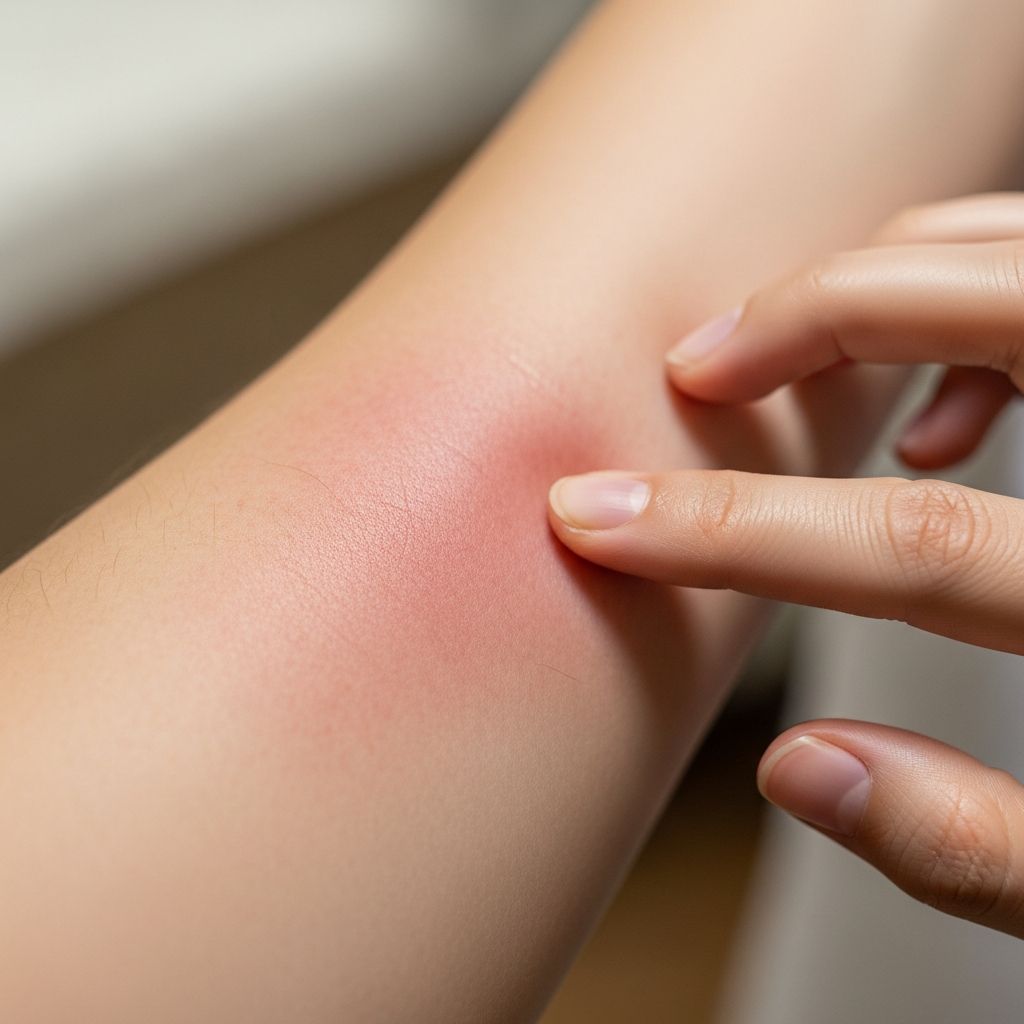
Pruritus is the medical term for itching—an uncomfortable sensation on the skin that creates an urge to scratch. This condition can range from mild and temporary to severe and persistent, significantly impacting quality of life. Itching can occur with visible skin changes or without any apparent skin lesions, and it may be localized to a specific area or generalized across the body.
The sensation of itching is transmitted through specialized nerve fibers in the skin and can result from numerous causes, including dermatological conditions, systemic diseases, medications, or psychological factors. Understanding the underlying cause is essential for effective treatment and symptom management.
Understanding the Itch-Scratch Cycle
One of the most problematic aspects of pruritus is the itch-scratch cycle. When patients scratch pruritic areas, they develop secondary lesions that worsen dermatitis and associated pruritus, perpetuating the cycle. Breaking this cycle is a critical component of treatment, as scratching can lead to:
- Lichenification (thickening of the skin)
- Prurigo nodules (hardened bumps from scratching)
- Excoriations (open wounds from scratching)
- Secondary skin infections
- Increased inflammation and itching intensity
Treatment strategies therefore focus on hydrating the skin and using topical or oral medications to reduce the urge to scratch before damage occurs.
Classification: Localized vs. Generalized Pruritus
A critical distinction in evaluating pruritus is whether it is localized or generalized. This classification helps guide diagnosis and treatment:
Localized Pruritus
Localized pruritus affects a specific area of the body. When pruritus is localized, a primary skin lesion will often point to a particular diagnosis. A dermatomal distribution (following nerve pathways), possibly accompanied by pain, burning, or loss of sensation, is especially suggestive of a neuropathic cause, such as postherpetic neuralgia following herpes zoster. Skin biopsies may be helpful in these cases to identify the underlying cause.
Generalized Pruritus
Generalized pruritus affects multiple areas or the entire body. The differential diagnosis for generalized pruritus without primary lesions is broad and often requires comprehensive history and investigation. It is important to note that some conditions may have fleeting primary lesions that are easy to miss—for example, the primary wheals of urticaria appear and disappear rapidly.
Common Causes of Pruritus
Pruritus can result from a wide range of causes. The dominant causes of generalized itch are xerosis (dry skin) and eczema. However, many other conditions can trigger itching:
Dermatological Causes
- Atopic dermatitis (eczema)
- Contact dermatitis
- Urticaria (hives)
- Xerosis (dry skin)
- Fungal infections (tinea pedis, tinea capitis, onychomycosis)
- Scabies and insect bite reactions
- Psoriasis
Systemic Diseases
Pruritus is sometimes the cutaneous herald of more severe systemic disease. Systemic illness is the cause in 14% to 24% of patients with pruritus without a primary dermatologic origin. Important systemic causes include:
- Chronic kidney disease and uremic pruritus
- Liver disease and cholestasis
- Thyroid dysfunction (hyperthyroidism)
- Diabetes mellitus
- Malignancy
- Infections (HIV, hepatitis C)
- Anemia
Medication-Related Causes
Certain medications can trigger pruritus as a side effect. A careful medication history is essential during assessment, as discontinuing the offending agent may resolve symptoms.
Psychiatric Causes
Mood changes, disproportionate worry, or obsessive patterns might suggest a psychiatric cause of itch. These conditions require specialized evaluation and management.
Related Stories



Diagnostic Approach
Accurate diagnosis of pruritus requires a systematic approach combining history, physical examination, and appropriate testing.
Medical History
A comprehensive history should include:
- Duration and pattern of itching
- Location and distribution (localized vs. generalized)
- Severity and impact on daily life
- Associated symptoms (rash, dryness, pain)
- Medications and personal care products
- Family history of allergic or skin conditions
- Travel history
- Psychiatric history
- Constitutional symptoms (weight changes, fatigue, night sweats)
A history of itching in other cohabitants might suggest an insect bite reaction or scabies. Constitutional symptoms might point to underlying malignancy or infection.
Physical Examination
A careful physical examination is essential. The clinician should:
- Look for primary lesions
- Identify secondary lesions (lichenification, prurigo nodules, excoriations)
- Assess for signs of systemic disease, including stigmata of chronic liver disease, conjunctival pallor, thyromegaly, splenomegaly, and lymphadenopathy
- Note any dermatomal distribution or associated sensory changes
Diagnostic Testing
When systemic disease is suspected, testing may include:
- Blood tests: A complete blood count can provide evidence of internal conditions causing itch, such as anemia
- Liver and kidney function tests: Liver or kidney disorders and thyroid conditions, such as hyperthyroidism, can cause itching
- Chest X-rays: Can show if enlarged lymph nodes are present, which may accompany itchy skin
- Skin scraping: For fungal infections, direct visualization of fungal hyphae on scale scrapings prepared with potassium hydroxide solution aids diagnosis
- Dialysis lab values: For patients with chronic kidney disease, assessing common dialysis lab values helps pinpoint diagnosis
Red Flag Symptoms
Certain symptoms warrant urgent investigation:
- Polydipsia and polyuria (suggesting diabetes mellitus)
- Temperature intolerance (suggesting thyroid dysfunction)
- High-risk substance or sexual history (suggesting HIV or hepatitis C)
- Significant weight loss or constitutional symptoms (suggesting malignancy)
Management and Treatment
Whenever possible, treatment should be directed at the primary cause of itch. Treatment approaches include nonpharmacologic, topical, and systemic therapies. Controlling itchy skin symptoms can be challenging and may require long-term therapy.
Nonpharmacologic Therapies
Many patients will benefit from nonpharmacologic therapies:
- Frequent moisturization: Regular use of emollients (creams and lotions) is fundamental to managing pruritus and preventing xerosis
- Avoiding overbathing: Limiting exposure to water reduces skin drying
- Behavioral therapy: Techniques to break the itch-scratch cycle, including habit reversal and awareness training
- Skincare routines: Guidance on appropriate cleansing and moisturizing practices
- Lifestyle adjustments: Identifying and avoiding triggers
Topical Treatments
Topical therapies are typically the first-line treatment for localized pruritus:
- Corticosteroid creams and ointments: Effective for pruritus associated with inflammatory dermatoses
- Emollients: Creams and lotions that soothe and moisten the skin
- Analgesic creams and lotions: Products that relieve pain and itching
- Topical doxepin: A tricyclic antidepressant with antipruritic properties
- Moist dressings: Compresses that provide relief and reduce scratching
Systemic Pharmacotherapy
For pruritus that does not respond to topical treatment, systemic medications may be considered:
- Oral antihistamines: Initial pharmacotherapy for histamine-associated pruritic disorders
- Systemic doxepin: A tricyclic antidepressant with antipruritic and anxiolytic properties
- Gabapentin: Shown to ameliorate pruritus in patients with chronic kidney disease
- Nalfurafine: Beneficial for pruritus in chronic kidney disease patients
- Nonsteroidal anti-inflammatory drugs (NSAIDs): Weak evidence points to indomethacin as effective in HIV-associated pruritus
- Oral immunosuppressants: Cyclosporine, azathioprine, and mycophenolate mofetil have efficacy in itch from inflammatory conditions such as atopic dermatitis
- Systemic corticosteroids: May be used to settle inflammation in severe cases of chronic pruritus
Phototherapy
For certain pruritic conditions, phototherapy may be beneficial:
- Narrowband ultraviolet B
- Ultraviolet A-1
Condition-Specific Treatment
Treatment varies based on the underlying cause. For example:
- Atopic dermatitis: Limiting exposure to water, liberal emollient use, and topical corticosteroid application
- Fungal infections: Topical and oral antifungals depending on the type and severity
- Chronic kidney disease pruritus: Treatment of high PTH, phosphorus, and magnesium levels, potentially including increased dialysis treatment times or changing dialysis filters
Special Considerations
When itch compromises quality of life, the underlying cause of the pruritus should be investigated to tailor management appropriately. Treatment is unique to each person and varies based on what caused the symptoms. Patients should be encouraged to ask their healthcare providers about:
- The likely cause of their symptoms
- Whether tests are needed to confirm diagnosis
- Other possible causes for symptoms
- Whether the condition is likely short-term or long-term
- Whether prescription medication or nonprescription products can treat the condition
- Expected results from treatment
- How to manage pruritus alongside other health problems
Frequently Asked Questions
Q: Is pruritus always accompanied by visible skin changes?
A: No. Pruritus can occur without any signs on the skin, or it can occur with xerosis and skin sores. The absence of visible lesions does not rule out pruritus or systemic disease.
Q: What is xerosis and why is it important?
A: Xerosis is dry skin, one of the dominant causes of generalized itch. It must be ruled out first in patients with generalized pruritus, as it is highly common and very treatable with moisturization.
Q: Can medications cause pruritus?
A: Yes. Certain medications can trigger pruritus as a side effect. A careful medication history during assessment is essential, as discontinuing the offending agent may resolve symptoms.
Q: How is the itch-scratch cycle broken?
A: The itch-scratch cycle is broken through keeping the skin adequately hydrated, using topical or oral medications to reduce the urge to scratch, and employing behavioral techniques such as habit reversal and awareness training.
Q: When should I see a dermatologist for pruritus?
A: You should see a dermatologist if pruritus persists despite home care measures, if it affects your quality of life significantly, if you have localized pruritus with primary lesions that require diagnosis, or if you experience red flag symptoms suggesting systemic disease.
Q: Is there a cure for chronic pruritus?
A: Treatment outcomes depend on the underlying cause. While some causes are readily treatable, chronic pruritus often requires long-term management combining multiple approaches. Identifying and treating the primary cause offers the best chance for resolution.
References
- Diagnosis and treatment of pruritus — PubMed Central/NIH. 2017-12-15. https://pmc.ncbi.nlm.nih.gov/articles/PMC5729138/
- Itchy skin (pruritus) – Diagnosis and treatment — Mayo Clinic. 2024. https://www.mayoclinic.org/diseases-conditions/itchy-skin/diagnosis-treatment/drc-20355010
- Pruritus: Causes & Treatments for Itchy Skin — Cleveland Clinic. 2024. https://my.clevelandclinic.org/health/diseases/11879-pruritus
- Pruritus: Diagnosis and Management — American Academy of Family Physicians. 2022-01-01. https://www.aafp.org/pubs/afp/issues/2022/0100/p55.html
- Pruritus (chronic itchy skin) – Symptoms, causes, treatments — National Kidney Foundation. 2024. https://www.kidney.org/kidney-topics/pruritus-itchy-skin
- Itchy skin (pruritus) – Symptoms and causes — Mayo Clinic. 2024. https://www.mayoclinic.org/diseases-conditions/itchy-skin/symptoms-causes/syc-20355006
- Pruritus: What Is It, Causes, Types, Treatment, and More — Osmosis. 2024. https://www.osmosis.org/answers/pruritus
Similar Articles








Read full bio of Sneha Tete