Pseudoexfoliation Syndrome: Diagnosis, Risks, Treatment
Discover the causes, risks, and management of pseudoexfoliation syndrome, a common age-related eye condition linked to glaucoma.
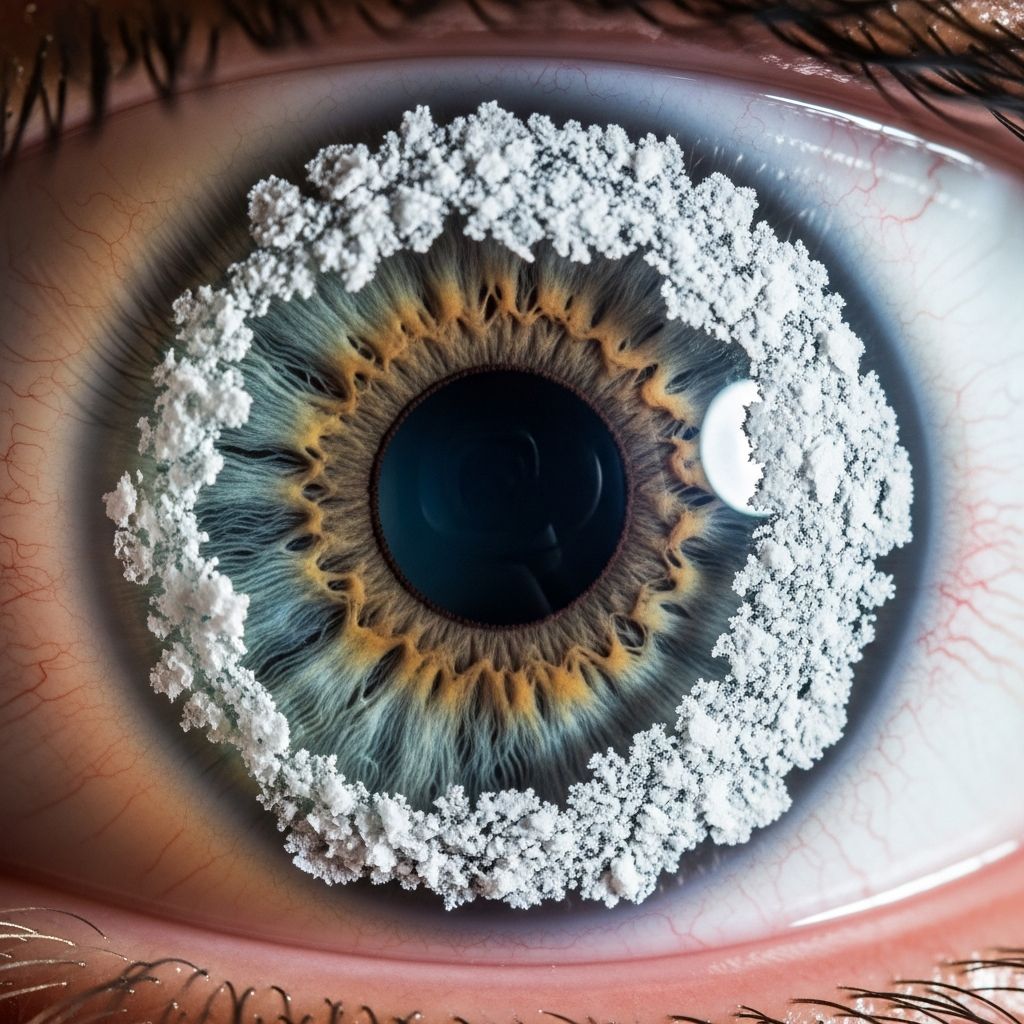
Pseudoexfoliation syndrome, often abbreviated as PEX or PXF, represents a widespread age-related disorder characterized by the buildup of abnormal fibrillar material primarily in the eye’s anterior segment. This condition affects ocular structures like the lens capsule, iris, and trabecular meshwork, and can progress to pseudoexfoliation glaucoma in up to 50% of cases, posing a significant risk for irreversible vision loss.
Understanding the Nature of Pseudoexfoliation Deposits
The hallmark of pseudoexfoliation syndrome is the deposition of white, flaky, fibrillar material throughout the eye and beyond. These deposits consist of elastic fibers such as fibrillin and α-elastin, combined with noncollagenous basement membrane components like laminin, all coated in glycosaminoglycan hyaluronic acid. They appear on the anterior lens capsule as a distinctive ‘hoarfrost ring,’ along the pupillary margin, and in the trabecular meshwork.
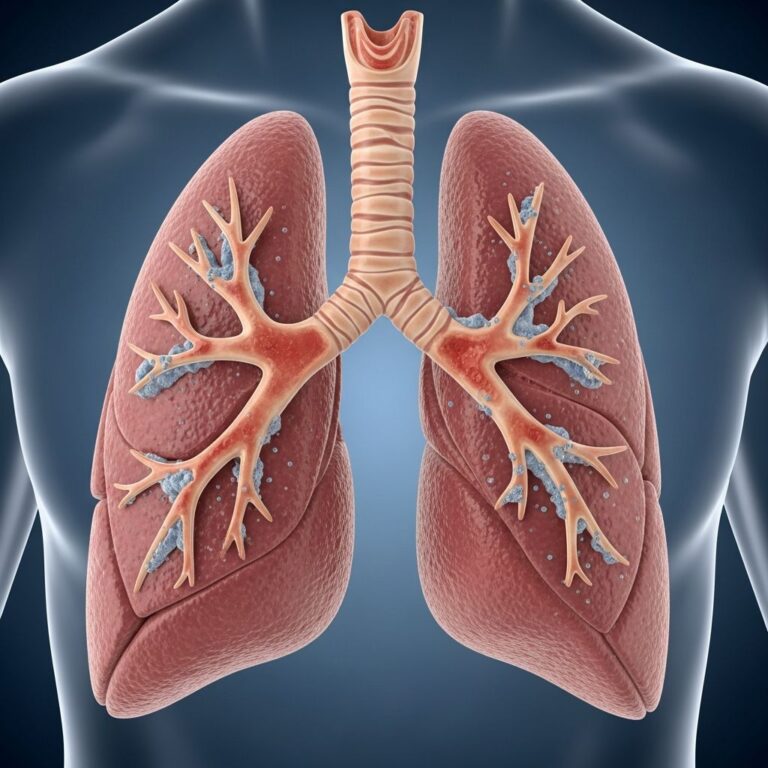
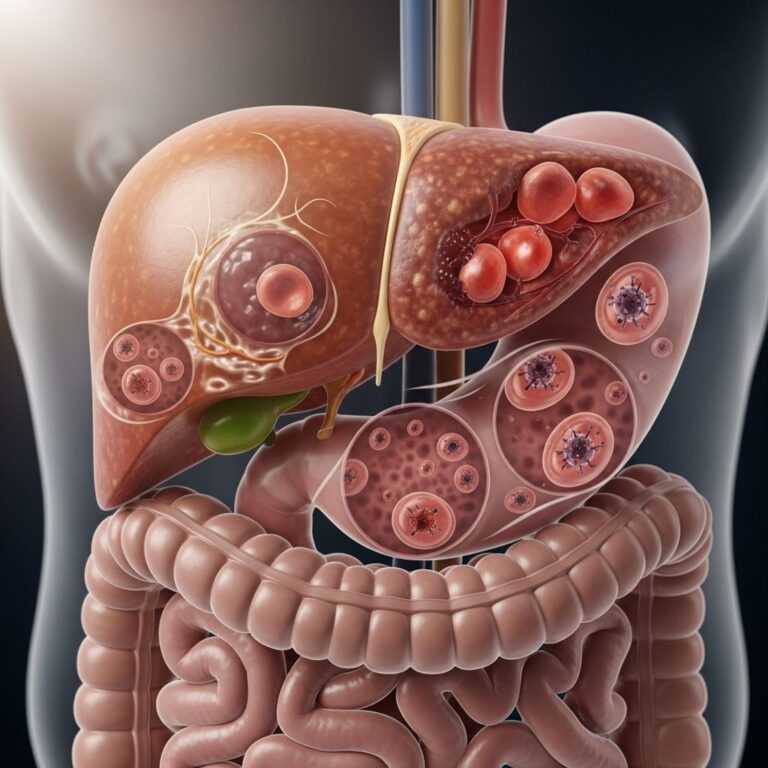
Unlike true exfoliation, which results from heat exposure like glassblowing and causes lamellar delamination of the lens capsule, pseudoexfoliation involves a systemic fibrillopathy. Deposits extend to extraocular sites including skin, heart, lungs, liver, and kidneys, indicating a broader extracellular matrix disorder.
Genetic and Environmental Contributors
The exact cause remains elusive, but strong genetic associations point to the LOXL1 gene, which encodes an enzyme crucial for cross-linking collagen and elastin in the extracellular matrix. Variants in LOXL1 are a major risk factor, explaining higher prevalence in certain populations like those in Scandinavia.
Risk factors include advanced age (over 70 years), genetic predisposition, and geographic variations. Elevated homocysteine levels in plasma and tear film have also been linked, potentially tying the syndrome to cardiovascular risks.
- Age: Predominant in individuals over 70.
- Genetics: LOXL1 mutations strongly implicated.
- Geography: Elevated rates in Scandinavian countries.
- Systemic factors: Possible homocysteine elevation.
Clinical Manifestations in the Eye
Many individuals with pseudoexfoliation syndrome experience no symptoms until complications arise. The condition often goes unnoticed until routine eye exams reveal characteristic signs such as poor pupil dilation, peripupillary transillumination defects, and fibrillar deposits on the lens and iris.
Gonioscopy may show hyperpigmentation of the trabecular meshwork and a Sampaolesi line—a linear pigment band anterior to Schwalbe’s line. Increased intraocular pressure (IOP) and optic nerve damage signal progression to glaucoma.
| Sign | Description | Implication |
|---|---|---|
| Hoarfrost ring | White deposits on anterior lens capsule | Diagnostic hallmark |
| Pupillary deposits | Flaky material at pupil edge | Poor dilation |
| Sampaolesi line | Pigment anterior to trabecular meshwork | Not pathognomonic |
| Elevated IOP | Increased eye pressure | Glaucoma risk |
Progression to Pseudoexfoliation Glaucoma
Pseudoexfoliation glaucoma develops when deposits obstruct the trabecular meshwork, impeding aqueous humor outflow and elevating IOP. This subtype is aggressive, featuring high peak pressures, frequent fluctuations, and rapid optic nerve damage.
Pathophysiological mechanisms include oxidative stress, iris hypoperfusion, anterior chamber hypoxia, vasodilator-vasoconstrictor imbalances, clusterin deficiency, and matrix metalloproteinase dysfunctions. These contribute to more severe disease compared to primary open-angle glaucoma.
Related Stories



Without intervention, blind spots emerge peripherally, followed by hazy vision, halos around lights, low-light difficulties, and eye discomfort.
Systemic Implications and Comorbidities
Beyond the eyes, pseudoexfoliation syndrome correlates with cardiovascular and cerebrovascular diseases. PEX deposits in vascular walls may promote atherosclerosis, while elevated homocysteine levels heighten stroke and heart disease risks.
Studies confirm associations with hypertension, myocardial infarction, and aortic aneurysms, underscoring the need for holistic health evaluations in diagnosed patients.
Diagnostic Approaches
Diagnosis relies on slit-lamp biomicroscopy to identify deposits, supplemented by gonioscopy, IOP measurement, optic nerve assessment via OCT or visual fields, and pupillary dilation tests. Genetic testing for LOXL1 mutations and homocysteine assays provide supportive evidence.
Differential diagnoses include pigment dispersion syndrome (similar pigmentation but with iris transillumination defects from rubbing), true exfoliation (heat-related), and traumatic iris changes.
Management and Treatment Strategies
Early detection through regular eye exams is crucial, especially for those over 60. Management focuses on IOP control to prevent glaucoma progression.
- Observation: For syndrome without elevated IOP.
- Medications: Prostaglandin analogs, beta-blockers, or carbonic anhydrase inhibitors to lower IOP.
- Laser therapy: Selective laser trabeculoplasty (SLT) to enhance outflow.
- Surgery: Trabeculectomy or tube shunts for refractory cases; cataract surgery often combined due to frequent coexisting lens opacities.
Cataract surgery in PEX patients requires caution due to weak zonules, risking capsule tears or IOL instability. Preoperative pilocarpine may help stabilize the iris.
Prevention and Lifestyle Recommendations
While genetic factors dominate, maintaining cardiovascular health may mitigate risks: control blood pressure, manage cholesterol, avoid smoking, and monitor homocysteine via diet rich in B vitamins. Annual comprehensive eye exams are recommended for at-risk groups.
Frequently Asked Questions (FAQs)
What is the main difference between pseudoexfoliation syndrome and glaucoma?
Pseudoexfoliation syndrome is the deposit buildup without optic nerve damage; it becomes glaucoma when IOP rises and damages the nerve.
Is pseudoexfoliation hereditary?
Yes, LOXL1 gene variants significantly increase susceptibility, with familial clustering observed.
Can pseudoexfoliation affect both eyes?
It often starts unilaterally but progresses bilaterally in most cases.
How does pseudoexfoliation impact cataract surgery?
Weak zonules and deposits complicate procedures, raising risks of complications like posterior capsule rupture.
Are there treatments to reverse deposits?
No, treatments manage complications like glaucoma; deposits persist.
Long-Term Outlook and Monitoring
With vigilant monitoring and timely intervention, most patients preserve vision. However, pseudoexfoliation glaucoma progresses faster, necessitating lifelong follow-up. Patients should report vision changes promptly.
Emerging research into LOXL1-targeted therapies and antioxidants may offer future preventive options, but current standards emphasize IOP management and systemic risk reduction.
References
- Pseudoexfoliation Syndrome – EyeWiki — American Academy of Ophthalmology. 2023-10-15. https://eyewiki.org/Pseudoexfoliation_Syndrome
- Pseudoexfoliation glaucoma: Causes and treatments — Medical News Today. 2023-05-20. https://www.medicalnewstoday.com/articles/pseudoexfoliation-glaucoma
- Danger Ahead? | PseudoExfoliation Syndrome & Cataract Surgery — YouTube (Glaucoma Research Foundation). 2022-11-10. https://www.youtube.com/watch?v=OndX44sgm00
- Exfoliation Syndrome — Glaucoma Today. 2013-12-01. https://glaucomatoday.com/articles/2013-nov-dec/exfoliation-syndrome
- Pseudoexfoliation syndrome and cardiovascular diseases — PMC – NIH. 2014-09-01. https://pmc.ncbi.nlm.nih.gov/articles/PMC4163713/
- Managing Pseudoexfoliation Glaucoma — Cleveland Clinic Consult QD. 2023-08-15. https://consultqd.clevelandclinic.org/a-multifaceted-approach-to-managing-pseudoexfoliation-glaucoma
Similar Articles








Read full bio of medha deb