Pseudogout (CPPD): Symptoms, Causes & Treatment
Understanding pseudogout: causes, symptoms, diagnosis, and effective treatment options.
Pseudogout (CPPD): A Complete Guide to Understanding This Joint Condition
Pseudogout, medically known as calcium pyrophosphate deposition (CPPD) disease, is a form of arthritis that strikes suddenly, causing intense pain, swelling, and stiffness in one or more joints. Despite sharing similarities with gout in terms of symptom presentation and sudden onset, pseudogout is a distinctly different condition caused by a different type of crystal formation within the joints. Understanding this condition is essential for proper diagnosis and management, particularly for those over 65 who face a significantly higher risk of developing this painful arthritis.
What Is Pseudogout and How Does It Differ from Gout?
Pseudogout and gout are often confused because they share similar acute symptoms and sudden attacks of joint inflammation. However, the underlying mechanisms and crystal compositions differ significantly. Gout develops when excess uric acid accumulates in the bloodstream, forming sharp uric acid crystals that deposit in joints and trigger inflammation. In contrast, pseudogout results from the buildup of calcium pyrophosphate dihydrate (CPP) crystals in the joint cartilage and synovial fluid.
Another key distinction lies in the joints typically affected. Gout most commonly targets the metatarsophalangeal joint where the big toe connects to the foot, whereas pseudogout predominantly affects larger joints such as the knees, wrists, shoulders, elbows, and ankles. This difference in joint involvement can help clinicians differentiate between the two conditions during diagnosis and guide appropriate treatment strategies.
Understanding the Causes and Risk Factors
Primary Cause of Pseudogout
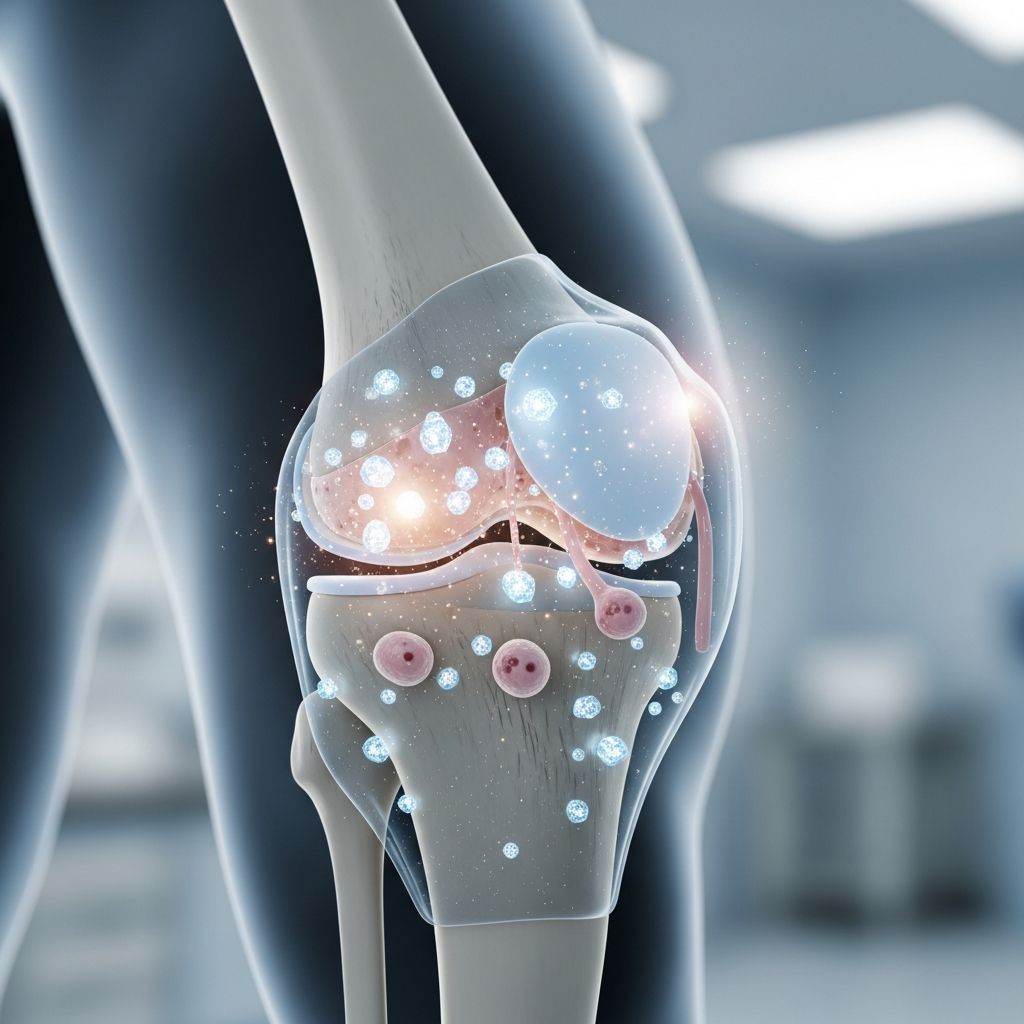
The fundamental cause of pseudogout involves an imbalance between the production of pyrophosphate and the levels of pyrophosphatases in diseased cartilage. As pyrophosphate accumulates within the synovium and adjacent tissues, it combines with calcium to form calcium pyrophosphate dihydrate crystals. These crystals then deposit in the cartilage and fluid-filled membranes surrounding the joints, eventually clustering together to trigger inflammatory flares.
Age-Related Risk
Age is the most significant risk factor for pseudogout development. The condition is substantially more prevalent among individuals older than 65 years, with nearly half of all people over 85 having calcium pyrophosphate crystals present in their joints. However, it is important to note that the presence of crystals does not automatically result in symptoms; many older adults with chondrocalcinosis (visible crystal deposits on X-rays) remain asymptomatic throughout their lives.
Associated Medical Conditions
Several underlying health conditions and metabolic abnormalities significantly increase the risk of developing pseudogout. These include:
- Hyperparathyroidism (showing the highest correlation with CPPD)
- Osteoarthritis
- Rheumatoid arthritis
- Hemochromatosis (excess iron accumulation)
- Gout
- Osteoporosis
- Hypomagnesemia (low magnesium levels)
- Chronic kidney disease
- Familial hypocalciuric hypercalcemia (inherited disorder causing elevated calcium)
- Gitelman syndrome (inherited kidney disorder)
- Hypophosphatasia (inherited disorder affecting bone mineralization)
Additionally, previous joint trauma or surgery can predispose individuals to pseudogout development, as can calcium supplementation in some cases.
Recognizing the Symptoms of Pseudogout
Acute Attack Symptoms
Pseudogout attacks manifest suddenly with characteristic acute symptoms that appear all at once rather than gradually building over time. The primary symptoms of a pseudogout flare include:
- Intense, sudden joint pain
- Joint swelling and inflammation
- Warmth and redness in the affected joint
- Significant stiffness in the joint
- Occasional fever accompanying the attack
These acute episodes can last anywhere from a few days to several weeks without appropriate treatment. Most commonly, a single joint is affected during an attack, though some individuals experience multi-joint involvement simultaneously.
Chronic Manifestations
Beyond acute flares, pseudogout can progress to chronic arthritis that mimics other conditions such as osteoarthritis or rheumatoid arthritis. Chronic presentations may include persistent low-grade inflammation, morning stiffness, fatigue, and knobby joint swelling particularly at the knees, wrists, knuckles, shoulders, elbows, or ankles. Joint function may gradually decrease over time as ongoing inflammation and crystal deposition cause progressive damage.
Unusual Presentations
In rare cases, calcium pyrophosphate deposits can form around dense bone structures in the upper neck, leading to headaches and neck pain. An even more uncommon presentation is crowned dens syndrome, which occurs when CPP crystals deposit around the dens (a bone structure in the upper cervical spine), causing symptoms that can mimic meningitis. Additionally, spinal involvement may occasionally develop, resulting in spine stiffness and bony fusion resembling ankylosing spondylitis, or calcification of the posterior longitudinal ligament that can compress the spinal cord.
How Is Pseudogout Diagnosed?
Clinical Evaluation
The diagnostic process begins with a thorough clinical evaluation of symptoms and medical history. Physicians will inquire about the onset, duration, and severity of joint symptoms, as well as any triggering events or associated medical conditions.
Joint Fluid Analysis (Arthrocentesis)
The definitive diagnostic test involves aspirating fluid from the affected joint and examining it under a microscope. The presence of calcium pyrophosphate dihydrate crystals in the synovial fluid confirms a diagnosis of pseudogout. This test is particularly valuable for distinguishing pseudogout from other conditions causing acute joint inflammation.
Imaging Studies
X-ray imaging can reveal chondrocalcinosis, the characteristic radiological finding showing calcium pyrophosphate crystal deposits in the cartilage. However, it is important to recognize that chondrocalcinosis may be present without causing any symptoms, particularly in older adults. Other imaging modalities such as ultrasound or magnetic resonance imaging may provide additional diagnostic information when needed.
Laboratory Tests
Blood tests may be performed to assess kidney function, calcium and magnesium levels, and to screen for associated conditions such as hyperparathyroidism or hemochromatosis. These tests help identify underlying metabolic abnormalities contributing to pseudogout development.
Treatment Approaches for Pseudogout
Current Treatment Limitations
Currently, no treatments exist that can prevent the formation of calcium pyrophosphate crystals or remove existing crystal deposits from joints. Therefore, management focuses on alleviating symptoms and controlling inflammation during acute attacks and chronic disease phases.
Anti-Inflammatory Medications
Non-steroidal anti-inflammatory drugs (NSAIDs) such as indomethacin, naproxen, and ibuprofen are frequently prescribed as first-line therapy for acute pseudogout attacks. These medications effectively reduce pain and inflammation when started promptly after symptom onset.
Corticosteroid Injections
Intra-articular corticosteroid injections directly into the affected joint provide rapid and potent anti-inflammatory effects. This approach is particularly useful for patients who cannot tolerate systemic medications or who have a single joint involvement. The injections typically provide relief within 24-48 hours.
Colchicine Therapy
Colchicine, an anti-inflammatory medication traditionally used for gout, may be prescribed to prevent future pseudogout attacks in patients with recurrent episodes. This medication works by reducing inflammation and immune cell activation.
Systemic Corticosteroids
For patients with multiple joint involvement or severe symptoms, systemic corticosteroids such as prednisone may be prescribed. These medications provide rapid anti-inflammatory effects and can be tapered once acute symptoms resolve.
Long-Term Management
For chronic pseudogout characterized by persistent inflammation and progressive joint damage, low-dose NSAIDs or other anti-inflammatory agents may be used for extended periods. Physical therapy and joint protection strategies help maintain function and prevent further deterioration.
Lifestyle Modifications and Prevention
Diet Considerations
Unlike gout, which can be managed through dietary modifications that reduce purine intake and subsequently lower uric acid production, pseudogout is not directly related to diet. Calcium pyrophosphate crystals form through different metabolic pathways than uric acid crystals, so following a low-purine diet does not prevent pseudogout development or flares. However, maintaining overall nutritional health and addressing specific deficiencies such as low magnesium levels may be beneficial.
Managing Underlying Conditions
Proper management of associated medical conditions can reduce pseudogout risk and severity. This includes treating hyperparathyroidism, controlling osteoarthritis, maintaining appropriate magnesium and calcium levels, and managing other metabolic abnormalities that contribute to crystal deposition.
Joint Protection
Avoiding joint trauma and protecting joints from excessive stress can help minimize pseudogout attacks. This may include using assistive devices, modifying activities, and maintaining appropriate body weight to reduce stress on weight-bearing joints.
Disease Course and Prognosis
Variable Clinical Presentations
The clinical course of pseudogout varies considerably among individuals. Some patients experience a single attack in their lifetime, while others suffer recurrent episodes. Certain individuals with CPPD disease remain completely asymptomatic despite having radiographic evidence of crystal deposition. Untreated pseudogout tends to result in more frequent and severe attacks over time.
Chronic Complications
Over time, repeated crystal deposition and inflammation can cause progressive joint damage, leading to chronic arthritis that may resemble osteoarthritis or rheumatoid arthritis. In severe cases where significant cartilage and bone destruction has occurred, joint replacement surgery may become necessary to restore function and relieve pain.
Distinguishing Pseudogout from Other Arthritis Types
Pseudogout can be mistaken for osteoarthritis, rheumatoid arthritis, or true gout due to overlapping symptoms. However, specific diagnostic features help differentiate these conditions. Joint fluid analysis showing calcium pyrophosphate crystals, imaging findings of chondrocalcinosis, and the pattern of joint involvement help confirm pseudogout diagnosis. Understanding these distinctions is crucial for appropriate treatment selection.
When to Seek Medical Attention
Individuals experiencing sudden onset of severe joint pain, swelling, warmth, and stiffness should seek prompt medical evaluation. This is particularly important for those over 65 or with underlying medical conditions predisposing to pseudogout. Early diagnosis and treatment can rapidly alleviate acute symptoms and prevent unnecessary complications.
Frequently Asked Questions About Pseudogout
Q: Is pseudogout hereditary?
A: While some genetic conditions like familial hypocalciuric hypercalcemia and hemochromatosis increase pseudogout risk, pseudogout itself is not typically inherited. However, family members with predisposing metabolic conditions may have increased risk.
Q: Can pseudogout be cured?
A: Currently, there is no cure for pseudogout, and treatments cannot remove existing calcium pyrophosphate crystals. However, symptoms can be effectively managed with anti-inflammatory medications and other therapeutic interventions.
Q: How long do pseudogout attacks typically last?
A: Acute pseudogout attacks can last anywhere from a few days to several weeks without treatment. Prompt treatment with NSAIDs or corticosteroids typically provides relief within 24-48 hours.
Q: Can certain foods trigger pseudogout attacks?
A: Unlike gout, which is triggered by purine-rich foods, pseudogout is not directly related to diet. Calcium pyrophosphate crystal formation occurs through different metabolic mechanisms independent of food intake.
Q: Is pseudogout associated with kidney disease?
A: Yes, chronic kidney disease is associated with increased pseudogout risk. Kidney function affects calcium and phosphate metabolism, which influences calcium pyrophosphate crystal formation.
Q: What is the relationship between pseudogout and osteoarthritis?
A: Calcium pyrophosphate deposition is often found alongside osteoarthritis, and chronic pseudogout can mimic osteoarthritis symptoms. Individuals with osteoarthritis have an increased risk of developing pseudogout.
References
- Pseudogout (Chondrocalcinosis or CPPD): Symptoms & Treatment — Cleveland Clinic. 2024. https://my.clevelandclinic.org/health/diseases/pseudogout-chondrocalcinosis-cppd
- Calcium Pyrophosphate Deposition Disease — National Institutes of Health, StatPearls. 2024. https://www.ncbi.nlm.nih.gov/books/NBK540151/
- Calcium Pyrophosphate Crystal Deposition Disease and Pseudogout — Brigham and Women’s Hospital, Division of Rheumatology. https://www.brighamandwomens.org/medicine/rheumatology-inflammation-immunity/arthritis-and-joint-diseases-center/pseudogout
- Calcium Pyrophosphate Deposition (CPPD) — American College of Rheumatology. https://rheumatology.org/patients/calcium-pyrophosphate-deposition-cppd
- Calcium Pyrophosphate Deposition — Arthritis Foundation. https://www.arthritis.org/diseases/calcium-pyrophosphate-deposition
- Calcium Pyrophosphate Arthritis Information — Mount Sinai Health System. https://www.mountsinai.org/health-library/diseases-conditions/calcium-pyrophosphate-arthritis
Similar Articles








Read full bio of medha deb