Pseudomonas Skin Infections: Types, Causes, and Treatment
Comprehensive guide to Pseudomonas aeruginosa skin infections, clinical features, and evidence-based management strategies.

Pseudomonas Skin Infections: A Comprehensive Overview
Pseudomonas aeruginosa is a gram-negative opportunistic bacillus that represents a significant concern in dermatology and clinical medicine. This pathogenic organism is capable of causing a remarkably diverse spectrum of cutaneous infections, ranging from superficial and self-limited conditions to severe, life-threatening systemic disease. The clinical significance of P. aeruginosa infections has become increasingly important due to rising rates of antimicrobial resistance and the organism’s ability to affect both immunocompromised and immunocompetent individuals. Understanding the various presentations, risk factors, and management strategies for these infections is essential for healthcare providers involved in patient care.
Clinical Manifestations and Types of Pseudomonas Skin Infections
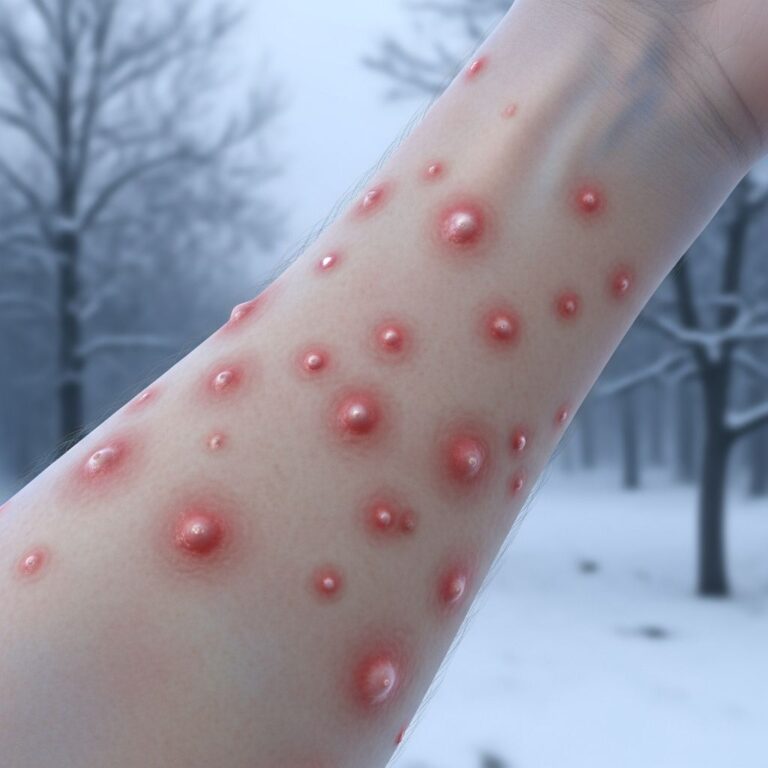
P. aeruginosa causes a diverse array of cutaneous infections that can be categorized by severity and depth of tissue involvement. The clinical presentations are often characterized by distinctive features, including greenish or yellowish discoloration and a characteristic odor, which serve as important diagnostic clues.
Superficial and Localized Infections
The most common presentations of P. aeruginosa infection in otherwise healthy individuals include several superficial conditions that typically respond well to conservative management:
- Green Nail Syndrome: This condition represents one of the most frequently encountered P. aeruginosa infections. The infection typically develops in the nail bed and nail plate, resulting in characteristic green or blue-green discoloration of the nails. This infection is usually painless and develops slowly over time, often following minor nail trauma or prolonged moisture exposure.
- Toe Web Infection: This localized infection affects the interdigital spaces, particularly between the toes. The condition is often associated with warm, moist environments and may present with maceration, erythema, and mild symptoms.
- Hot Tub Folliculitis: Also known as folliculitis from exposure to contaminated hot water, this condition develops following immersion in warm water environments where P. aeruginosa has proliferated. The infection presents as pustular folliculitis on areas of the body that were submerged.
- Hot Hand-Foot Syndrome: This infection occurs in individuals exposed to warm water environments and presents with folliculitis and localized skin inflammation on the hands and feet.
- Acute Otitis Externa: Also called swimmer’s ear, this infection affects the external auditory canal and is commonly associated with water exposure. It presents with ear pain, drainage, and mild to moderate inflammation.
Moderate-Severity Infections
Beyond superficial infections, P. aeruginosa can cause deeper cutaneous and subcutaneous infections that require more aggressive management:
- Subcutaneous Nodules: P. aeruginosa can form nodular lesions in the subcutaneous tissue, which may indicate systemic dissemination of the infection, particularly in immunocompromised patients.
- Malignant Otitis Externa: This severe form of external ear infection extends beyond the external auditory canal to involve the temporal bone and surrounding structures. Despite its name, it is not malignant in the oncologic sense but represents a serious, potentially life-threatening infection that requires aggressive treatment.
Severe Systemic Infections
Ecthyma Gangrenosum represents the most pathognomonic cutaneous manifestation of P. aeruginosa septicemia. This condition typically presents as painful necrotic lesions that begin as indurated nodules and rapidly progress to ulcerated areas with surrounding erythema and edema. Ecthyma gangrenosum is strongly associated with bloodstream infections and occurs predominantly in immunocompromised patients, though recent evidence suggests it may also develop in immunocompetent individuals.
Necrotizing Soft Tissue Infections
Necrotizing skin and soft tissue infections caused by P. aeruginosa are relatively rare but carry significant morbidity and mortality, with fatality rates approaching 30%. These infections frequently occur as polymicrobial infections and present with rapidly progressive necrotic tissue destruction, severe pain, and systemic symptoms. Risk factors for necrotizing infections include diabetes mellitus, alcoholism, immunosuppression, and extensive burn injuries. Management requires immediate multidisciplinary intervention.
Burn Wound Infections
P. aeruginosa remains one of the principal causative agents of superinfection in burn wounds and chronic ulcers. The organism can rapidly colonize damaged tissue and establish invasive infection, particularly when extensive burn surface area is involved or when patients have undergone prolonged hospitalization with broad-spectrum antibiotic exposure.
Related Stories



Epidemiology and Risk Factors
Understanding the epidemiology and risk factors for P. aeruginosa skin infections is crucial for prevention and early intervention. While the organism is ubiquitous in the environment, infection risk varies considerably based on patient factors and exposure circumstances.
Environmental Sources and Transmission
P. aeruginosa thrives in moist environments and is commonly found in water sources including swimming pools, hot tubs, and natural water bodies. Research has identified the pathogen in approximately 21% of swimming pool and hot tub samples, with the majority of isolates demonstrating multidrug resistance to multiple antimicrobial agents. The organism is transmitted through direct contact with contaminated water or environments and through breaks in the skin barrier.
Patient Risk Factors
Several patient-related factors increase susceptibility to P. aeruginosa infection:
- Immunocompromised status, including HIV/AIDS, chemotherapy, and long-term corticosteroid use
- Diabetes mellitus, which impairs neutrophil function and wound healing
- Prolonged hospitalization and intensive care unit admission
- Exposure to broad-spectrum antibiotics, which disrupts normal skin flora and selects for resistant organisms
- Prior P. aeruginosa infections within healthcare settings
- Extensive burn injuries or chronic wounds
- Alcoholism and other conditions affecting immune function
- Water exposure and activities such as swimming or bathing in contaminated environments
Pathogenesis and Virulence Factors
P. aeruginosa possesses multiple virulence mechanisms that enable it to establish infection and cause tissue damage. The organism elaborates proteolytic and elastolytic enzymes that facilitate invasion through the epidermal barrier and destruction of surrounding tissues. These enzymatic toxins can be lethal in cases of extensive cutaneous infection, even in the absence of bacteremia. The Shwartzman phenomenon, an acute inflammatory reaction, may play a role in the pathogenesis of some P. aeruginosa-complicated pyodermas. The organism’s ability to rapidly acquire antimicrobial resistance through chromosomal mutations and acquisition of resistance genes further enhances its pathogenic potential and complicates clinical management.
Diagnosis of Pseudomonas Skin Infections
Accurate and timely diagnosis is essential for appropriate management of P. aeruginosa skin infections. While clinical presentation provides important clues, microbiologic confirmation is necessary to guide antimicrobial therapy.
Clinical Diagnosis
Many P. aeruginosa infections present with characteristic clinical features that should raise suspicion for this organism. The distinctive greenish or yellowish discoloration of affected tissue, combined with a characteristic musty odor, strongly suggests P. aeruginosa infection. However, these features may not be present in all cases, and clinical recognition requires a high index of suspicion, particularly in at-risk patients.
Microbiologic Confirmation
Definitive diagnosis requires culture of the organism from affected tissue, wound fluid, or blood samples in appropriate clinical contexts. Gram staining reveals gram-negative rods, which appear as characteristic short bacilli. Culture should be obtained from sites of active infection, and samples should be processed promptly to optimize organism recovery. In cases of systemic infection, blood cultures may yield P. aeruginosa and are essential for guiding therapy.
Antimicrobial Susceptibility Testing
Susceptibility testing is critical for directing appropriate antimicrobial therapy, particularly given the prevalence of resistant strains. Testing should evaluate susceptibility to relevant antipseudomonal agents, including fluoroquinolones, aminoglycosides, carbapenems, and newer beta-lactam combinations. Results guide the selection of empiric and directed antimicrobial therapy.
Antimicrobial Resistance in Pseudomonas aeruginosa
The escalating prevalence of antimicrobial resistance in P. aeruginosa represents one of the most significant challenges in clinical management of these infections. Resistance patterns vary geographically and have important implications for therapy selection.
Scope of Resistance Problem
Multidrug-resistant P. aeruginosa strains have increased by 15% to 30% across Europe, North America, and South America. Global surveillance data from the ATLAS program documented carbapenem resistance ranging from 15% to 33% between 2018 and 2022. In environmental samples such as swimming pools and hot tubs, resistance rates are particularly alarming, with 96% of isolated strains demonstrating multidrug resistance to at least one relevant antipseudomonal agent. A 2019 systematic review identified P. aeruginosa among the six pathogens most responsible for deaths attributable to multidrug-resistant bacteria.
Resistance Mechanisms and Patterns
P. aeruginosa develops resistance through multiple mechanisms, including chromosomal mutations and acquisition of resistance genes. Common resistance patterns include:
- Fluoroquinolone resistance, despite these agents being among the most widely used antipseudomonal drugs
- Aminoglycoside resistance, with variable prevalence depending on the specific agent and geographic location
- Carbapenem resistance, ranging from 4% to 33% depending on the specific carbapenem and surveillance period
- Beta-lactam resistance, including resistance to extended-spectrum cephalosporins and acylureidopenicillins
- Resistance to trimethoprim-sulfamethoxazole and other conventional agents
Impact of Resistance on Patient Outcomes
Multidrug-resistant P. aeruginosa infections are associated with significantly worse clinical outcomes, including higher costs, prolonged lengths of hospitalization, extended requirements for antimicrobial therapy, and increased complication rates. Infections with resistant organisms necessitate the use of more expensive and potentially more toxic agents and limit therapeutic options in cases of severe infection.
Treatment and Management
Management of P. aeruginosa skin infections must be tailored to the severity, depth, and extent of infection, as well as to the patient’s immune status and antimicrobial susceptibility patterns.
Superficial Infections
Localized superficial infections in immunocompetent hosts typically respond well to conservative management and topical antimicrobial therapy. For green nail syndrome, toe web infection, and acute otitis externa, topical agents such as fluoroquinolone solutions or otic preparations often suffice. Local treatments remain the cornerstone of therapy for these conditions, and prognosis is generally favorable. Wound care, moisture control, and prevention of recurrence through avoidance of contaminated water sources are important adjunctive measures.
Deeper and Systemic Infections
Deeper tissue infections, including malignant otitis externa, subcutaneous nodules, ecthyma gangrenosum, and necrotizing infections, require multidisciplinary management involving systematic antimicrobial therapy. Systemic antibiotics are integral to treatment and must be administered intravenously in cases of serious infection. In neutropenic or septic patients, empiric broad-spectrum antibacterial and antifungal coverage is recommended, with subsequent adjustment based on culture results and local epidemiologic patterns of resistance. Management of severe infections frequently necessitates intensive care unit admission and close monitoring for complications.
Surgical Intervention
Necrotizing soft tissue infections and extensive burn wound infections require prompt surgical debridement of necrotic and devitalized tissue in addition to systemic antimicrobial therapy. The debridement must be aggressive and may require multiple procedures as the infection evolves. Burn wound infections demand specialized team management with burn surgeons and infectious disease specialists to optimize outcomes.
Antimicrobial Selection
Antimicrobial therapy should be guided by susceptibility testing results whenever possible. For empiric therapy before results are available, agents with good coverage of P. aeruginosa include fluoroquinolones (ciprofloxacin, levofloxacin, moxifloxacin), antipseudomonal beta-lactams, and aminoglycosides. However, resistance to fluoroquinolones has increased significantly, reducing their reliability as monotherapy.
Newer antimicrobial agents that retain activity against many resistant strains include ceftolozane-tazobactam and ceftazidime-avibactam, which are recommended for P. aeruginosa infections with limited therapeutic options. Emerging agents under investigation include cefiderocol, imipenem-cilastatin-relebactam, and meropenem-vaborbactam, which may provide additional options as resistance continues to evolve.
Combination Therapy
The increasing prevalence of antimicrobial resistance has led to greater reliance on combination antibiotic regimens rather than monotherapy, particularly in severe infections. Combination therapy may provide synergistic killing, reduce the emergence of resistance during treatment, and improve clinical outcomes in complex infections.
Prevention and Control
Prevention of P. aeruginosa skin infections focuses on minimizing exposure to the organism and protecting at-risk individuals. General measures include maintaining skin integrity, avoiding water exposure in contaminated environments for individuals with open wounds, and ensuring proper disinfection of water-based recreational facilities. Healthcare-associated prevention includes judicious use of broad-spectrum antibiotics, minimizing duration of hospitalization when possible, and implementing infection control measures to prevent transmission within healthcare settings.
Frequently Asked Questions
Q: How is Pseudomonas aeruginosa diagnosed?
A: Diagnosis combines clinical suspicion based on characteristic greenish or yellowish discoloration with microbiologic confirmation through culture of affected tissue or fluids. Gram staining shows gram-negative rods, and antimicrobial susceptibility testing guides treatment selection.
Q: Can immunocompetent individuals develop serious P. aeruginosa skin infections?
A: While P. aeruginosa traditionally caused severe infections primarily in immunocompromised individuals, recent studies indicate that immunocompetent patients may also develop serious manifestations, including ecthyma gangrenosum and necrotizing infections, though at lower frequencies.
Q: What is ecthyma gangrenosum?
A: Ecthyma gangrenosum is a pathognomonic cutaneous manifestation of P. aeruginosa septicemia, presenting as rapidly progressive necrotic lesions that begin as nodules and develop into ulcerated areas. It strongly suggests systemic infection and requires immediate aggressive treatment.
Q: How does antibiotic resistance complicate P. aeruginosa infection treatment?
A: Multidrug resistance limits available therapeutic options, increases treatment costs, prolongs hospitalization, and is associated with higher complication rates. Susceptibility testing is essential to guide therapy selection, and newer agents may be required for resistant strains.
Q: What environmental sources pose risk for P. aeruginosa exposure?
A: P. aeruginosa thrives in moist environments and is found in swimming pools, hot tubs, and natural water bodies. Approximately 21% of pool and hot tub samples contain the organism, with most isolates demonstrating multidrug resistance.
References
- Cutaneous Infections Caused by Pseudomonas aeruginosa: Clinical Features, Epidemiology, and Management — Actas Dermo-Sifiliográficas. 2025. https://www.actasdermo.org/es-cutaneous-infections-caused-by-pseudomonas-articulo-S000173102500866X
- Pseudomonas Skin Infection: Clinical Features, Epidemiology, and Management — PubMed/NCBI. 2011. https://pubmed.ncbi.nlm.nih.gov/21469761/
- Skin Manifestations of Pseudomonas aeruginosa Infections — PubMed/NCBI. 2021. https://pubmed.ncbi.nlm.nih.gov/33492004/
- Pseudomonas aeruginosa in Dermatology — JAMA Network. 2004. https://jamanetwork.org/journals/jamadermatology/fullarticle/530559
- Cutaneous Infections Caused by Pseudomonas aeruginosa: Clinical Manifestations and Therapeutic Approaches — PubMed/NCBI. 2024. https://pubmed.ncbi.nlm.nih.gov/41478342/
- Pseudomonas Wound Infection: Clinical Characteristics and Management Strategies — WoundSource. 2023. https://www.woundsource.com/blog/pseudomonas-wound-infection-what-it-and-what-are-signs
Similar Articles








Read full bio of medha deb