Psilocybin for Mental Health and Addiction: What You Need to Know
Explore psilocybin's potential in treating depression, anxiety, PTSD, and addiction with expert insights.
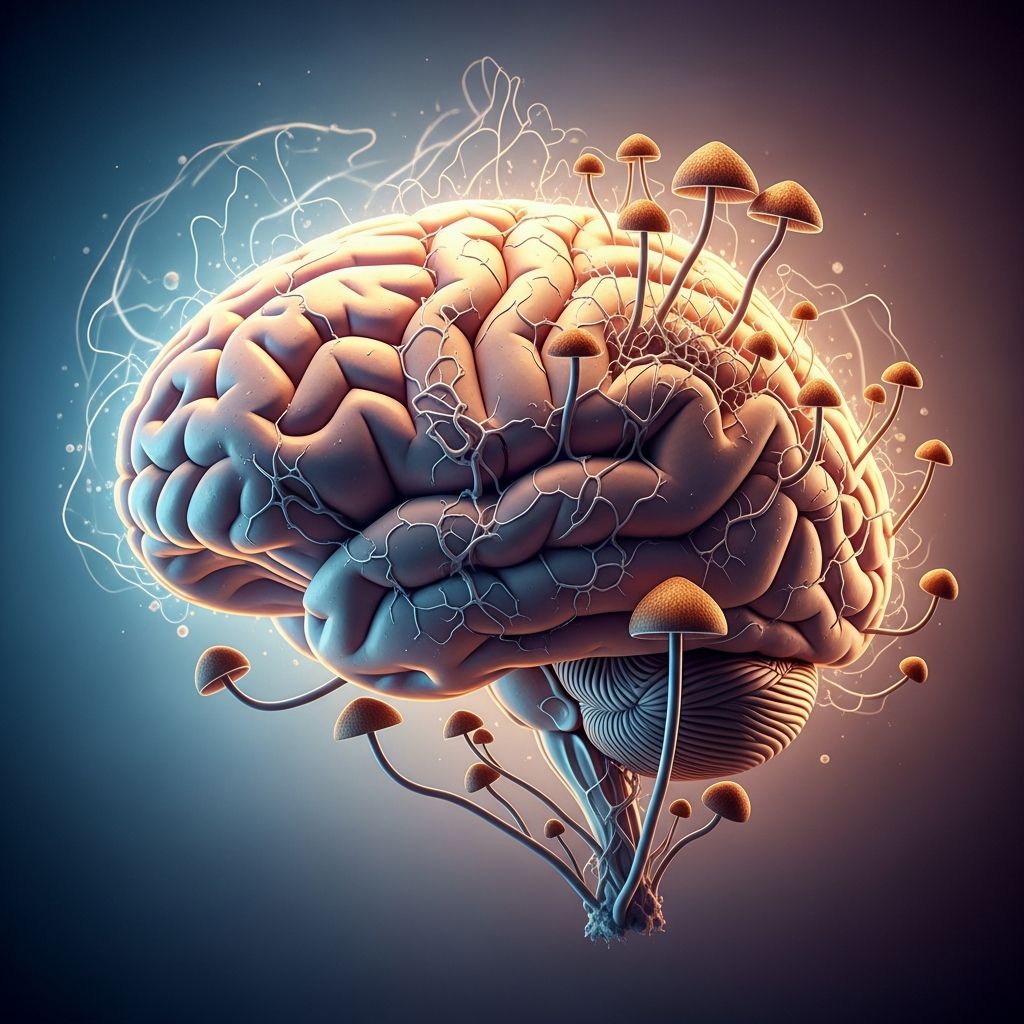
Psilocybin has emerged as one of the most promising psychedelic compounds under investigation for treating various mental health conditions and addiction disorders. As researchers continue to explore its therapeutic potential, it’s essential to understand what psilocybin is, how it works, what the current research shows, and what safety considerations exist for those considering this treatment approach.
What is Psilocybin?
Psilocybin is a naturally occurring plant chemical found in certain species of mushrooms, commonly referred to as magic mushrooms or psilocybin mushrooms. This compound is classified as a psychedelic drug, meaning it affects how the brain processes serotonin, a crucial neurotransmitter involved in mood regulation, perception, and cognition. At specific doses, psilocybin can significantly alter people’s moods, thoughts, and perceptions, producing effects that can range from mild to profound.
The chemical structure of psilocybin allows it to interact with serotonin receptors in the brain, particularly the 5-HT2A receptor, which is believed to be central to its psychedelic and potentially therapeutic effects. When ingested, psilocybin is converted into psilocin, the active metabolite responsible for the compound’s psychoactive properties.
How Psilocybin Works in the Brain
The mechanism by which psilocybin produces its therapeutic effects involves several neurobiological processes. By binding to serotonin receptors, particularly the 5-HT2A receptor, psilocybin increases neural plasticity—the brain’s ability to form new neural connections and reorganize existing ones. This enhanced plasticity may allow individuals to break rigid patterns of thinking and emotional regulation that characterize various mental health conditions.
Additionally, psilocybin appears to promote neuroinflammation resolution and reduce activity in brain networks associated with self-referential thinking and rumination. A single dose of psilocybin has been shown to rapidly promote long-lasting therapeutic effects in humans, particularly those experiencing chronic stress. This rapid onset and sustained benefit distinguish psilocybin from traditional antidepressant medications, which typically require weeks to take effect.
Therapeutic Applications and Research
Depression and Mood Disorders
One of the most extensively researched applications of psilocybin is in treating depression. Researchers have found that psilocybin-assisted therapy can produce significant reductions in depressive symptoms that persist long after a single treatment session. Clinical trials have demonstrated that individuals with treatment-resistant depression—those who haven’t responded to conventional antidepressants—may benefit substantially from psilocybin therapy.
The antidepressant effects appear to be mediated not only by the neurobiological changes psilocybin produces but also by the profound psychological insights and shifts in perspective many individuals experience during psilocybin sessions. This combination of neurochemical and experiential factors may explain the robust and sustained therapeutic benefits observed in research settings.
Anxiety and Existential Distress
Psilocybin has shown considerable promise in reducing anxiety, particularly existential anxiety experienced by individuals facing serious medical illnesses such as cancer. Clinical trials examining cancer-related depression have reported that psilocybin-assisted therapy not only reduces depression but also significantly alleviates the existential distress, fear of death, and loss of meaning that often accompany terminal diagnoses.
Patients typically report that the psilocybin experience provides a sense of connection, acceptance, and peace regarding their mortality. These profound psychological shifts often correlate with measurable improvements in quality of life, anxiety levels, and overall psychological well-being.
Post-Traumatic Stress Disorder (PTSD)
Researchers are increasingly interested in psilocybin’s potential for treating post-traumatic stress disorder. The compound’s ability to promote neuroplasticity and facilitate emotional processing may help individuals with PTSD process traumatic memories and reduce the conditioned fear responses associated with trauma triggers. Early research suggests that psilocybin-assisted therapy could complement or enhance traditional trauma-focused therapies.
Addiction Disorders
Among the most compelling research findings is psilocybin’s potential in treating addiction, including alcohol dependence, tobacco addiction, and other substance use disorders. Studies have shown that a single or few psilocybin-assisted therapy sessions can produce abstinence rates and long-term recovery outcomes that exceed those achieved with conventional addiction treatments.
The mechanism appears to involve psilocybin’s ability to disrupt rigid thought patterns and conditioned behaviors while promoting psychological flexibility, meaning-making, and spiritual experiences that many describe as life-changing. These factors collectively seem to facilitate sustained behavior change and recovery.
Chronic Pain
Emerging research also suggests that psilocybin may be beneficial for chronic pain management. While this application is less extensively studied than mental health applications, preliminary findings indicate that psilocybin’s analgesic and mood-enhancing properties, combined with its potential to alter pain perception and improve psychological well-being, warrant further investigation.
Safety Considerations and Potential Side Effects
Understanding the Risks
While psilocybin shows significant therapeutic promise, it’s important to recognize that people’s reactions to psilocybin can be unpredictable and highly individual. Adverse experiences are possible and can include unpleasant psychological effects such as extreme fear, confusion, and panic. These challenging experiences, sometimes called “bad trips,” can be distressing and require careful management by experienced facilitators.
Physical Side Effects
Beyond psychological effects, psilocybin can produce various physical side effects, including:
- Increased blood pressure and heart rate
- Nausea and gastrointestinal discomfort
- Poor sleep quality
- Headaches
- Muscle tension or weakness
Psychological and Psychiatric Considerations
Additional potential adverse effects include paranoia and hallucinations that extend beyond the intended therapeutic window. Individuals with certain psychiatric conditions, particularly those with a personal or family history of psychosis or schizophrenia, may face elevated risks with psilocybin use. Pre-existing mental health conditions and current medications must be carefully evaluated before considering psilocybin therapy.
The Importance of Professional Supervision
Why Expert Guidance Matters
Experts unanimously recommend that individuals should only take psilocybin while under the care of a trained therapist or facilitator. This guidance reflects the understanding that the therapeutic context significantly influences outcomes. The therapist or facilitator plays multiple crucial roles:
- Conducting thorough pre-screening and medical evaluation
- Preparing individuals psychologically for the experience
- Providing emotional support and grounding during the session
- Helping integrate insights and experiences afterward
- Monitoring for adverse reactions and providing crisis management if needed
The Therapeutic Set and Setting
Research consistently demonstrates that “set and setting”—an individual’s mindset and the physical/social environment—significantly influence the psilocybin experience and its therapeutic outcomes. Professional facilitators create supportive, safe environments designed to minimize the likelihood of adverse experiences while maximizing therapeutic benefit. This structured approach stands in stark contrast to recreational or unsupervised use, where risks are substantially elevated.
Current Research Status and Regulatory Landscape
Clinical Trial Progress
Numerous clinical trials are currently investigating psilocybin’s efficacy and safety across various conditions. Research institutions worldwide are conducting rigorous studies that examine optimal dosing, long-term outcomes, mechanisms of action, and patient factors that predict treatment response. These trials are essential for establishing the scientific evidence base necessary for potential regulatory approval and clinical implementation.
Regulatory Considerations
Psilocybin remains a Schedule I controlled substance in the United States, meaning it’s currently illegal outside of research contexts. However, regulatory agencies are beginning to recognize psilocybin’s potential therapeutic value. Some jurisdictions have granted psilocybin or psilocybin-assisted therapy “breakthrough therapy” designation, potentially accelerating the research and approval process.
Frequently Asked Questions
Q: Is psilocybin legal for medical use?
A: Currently, psilocybin remains a Schedule I controlled substance in most jurisdictions. However, it is available in regulated research settings and some jurisdictions are exploring medical access through expanded access programs or clinical trials.
Q: How does psilocybin compare to conventional antidepressants?
A: Unlike conventional antidepressants that require daily dosing and weeks to take effect, psilocybin typically involves one or a few sessions producing rapid and often sustained benefits. However, both approaches work through different mechanisms and may be appropriate in different contexts.
Q: Can psilocybin be used in combination with other treatments?
A: Yes, psilocybin-assisted therapy is typically used alongside psychological therapy and may complement other treatments. However, interactions with certain medications must be carefully evaluated by medical professionals.
Q: What should I do if I’m interested in psilocybin therapy?
A: Consult with qualified healthcare providers who specialize in psychedelic-assisted therapy. They can assess your medical history, current conditions and medications, and determine whether psilocybin therapy might be appropriate for you. They can also discuss available clinical trials or approved programs in your area.
Q: Are there long-term effects of psilocybin use?
A: Research on long-term effects is ongoing. Current evidence suggests that therapeutic psilocybin use under professional supervision has a favorable safety profile, with most adverse effects being acute and manageable in proper therapeutic settings.
Key Takeaways
Psilocybin represents a promising frontier in mental health and addiction treatment, with emerging research supporting its efficacy for depression, anxiety, PTSD, addiction, and related conditions. The compound works by affecting brain serotonin systems and promoting neuroplasticity, enabling psychological and behavioral change. While psilocybin shows considerable therapeutic potential, it carries risks including unpredictable psychological reactions and physical side effects, necessitating professional supervision by trained therapists or facilitators. Current research continues to expand our understanding of optimal applications, dosing, and patient factors that influence outcomes, with the regulatory landscape slowly evolving to recognize psilocybin’s therapeutic value. For individuals considering psilocybin-assisted therapy, consultation with qualified healthcare professionals is essential to assess appropriateness and access available resources or clinical trials.
References
- Psilocybin for Mental Health and Addiction — National Center for Complementary and Integrative Health (NCCIH), National Institutes of Health. 2024-05-24. https://www.nccih.nih.gov/health/psilocybin-for-mental-health-and-addiction-what-you-need-to-know
- Circuit Mechanisms of Psilocybin Following Chronic Stress — National Institutes of Health, NIH Reporter. 2024. https://reporter.nih.gov/project-details/11101140
- NIH Psilocybin Research Speaker Series: Cancer-Related Depression and Existential Distress — National Center for Complementary and Integrative Health. 2021-06-10. https://www.nccih.nih.gov/news/events/nih-psilocybin-research-speaker-series—june-10-2021-lecture
- NIH Psilocybin Research Speaker Series: State of the Science and Regulatory Landscape — National Center for Complementary and Integrative Health. 2021-05-01. https://www.nccih.nih.gov/news/events/nih-psilocybin-research-speaker-series—may-2021-lecture
Similar Articles







Read full bio of medha deb