Psoriasis Causes: 3 Major Factors And How To Reduce Flares
Unraveling the complex causes of psoriasis: genetics, immune dysfunction, and key environmental triggers that spark this chronic skin condition.
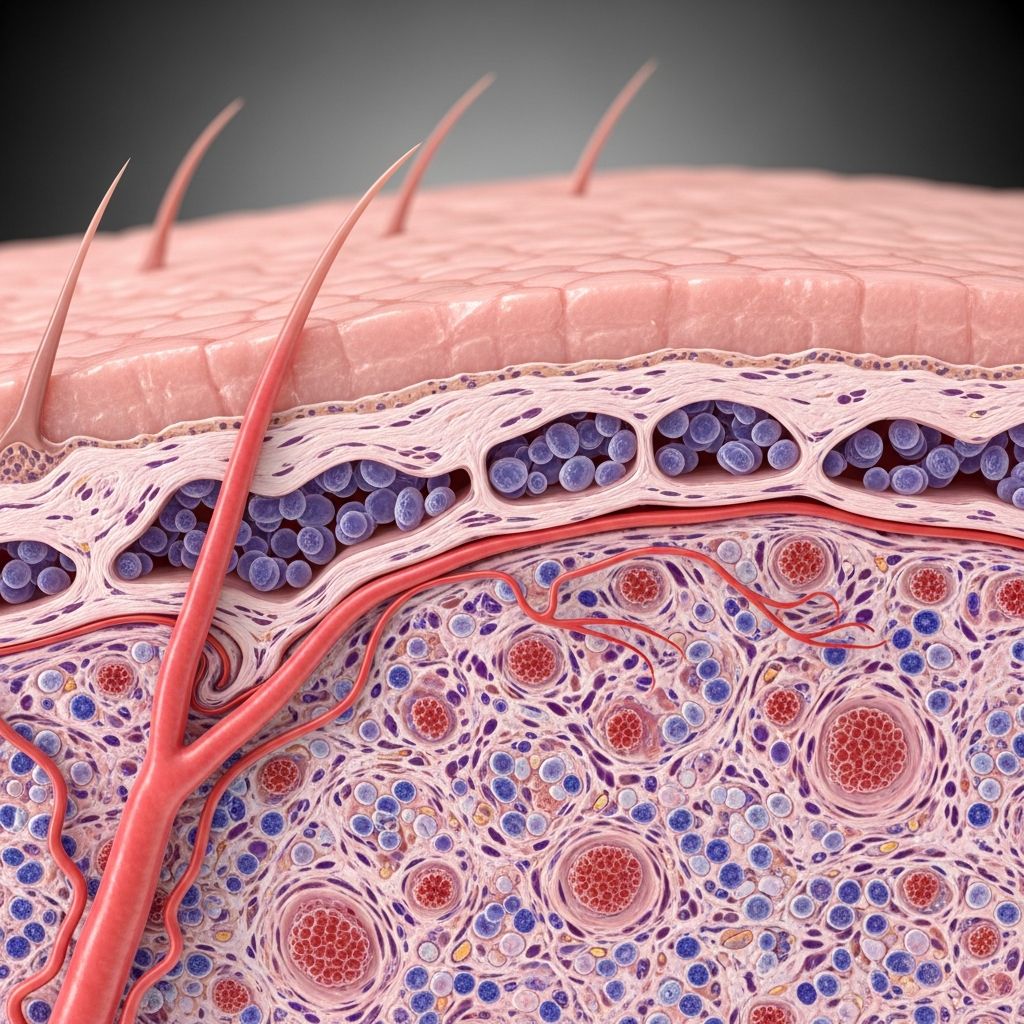
Psoriasis is a chronic autoimmune skin condition characterized by rapid skin cell turnover, leading to thick, scaly plaques. It arises from a combination of genetic predisposition, immune system malfunction, and environmental triggers that activate the disease.
References
- Psoriasis: What It Is, Symptoms, Causes, Types & Treatment — National Institute of Arthritis and Musculoskeletal and Skin Diseases (NIAMS). 2024-05-15. https://www.niams.nih.gov/health-topics/psoriasis
- Psoriasis — Mayo Clinic. 2025-03-20. https://www.mayoclinic.org/diseases-conditions/psoriasis/symptoms-causes/syc-20355840
- Genetics of Psoriasis — National Psoriasis Foundation. 2023-11-10. https://www.psoriasis.org/genetics/
- Environmental Triggers for Psoriasis — American Academy of Dermatology (AAD). 2024-08-05. https://www.aad.org/public/diseases/psoriasis/insider/triggers
- Obesity and Psoriasis: Inflammatory Mechanisms — Journal of Investigative Dermatology (PubMed). 2023-07-12. https://pubmed.ncbi.nlm.nih.gov/37412345/
- Psoriasis and Stress: A Bidirectional Relationship — British Journal of Dermatology. 2024-02-18. https://doi.org/10.1111/bjd.19876
What Causes Psoriasis?
Psoriasis develops when skin cells multiply up to 10 times faster than normal, piling up into inflamed red plaques covered with silvery scales. This accelerated growth stems from an overzealous immune response where T cells mistakenly attack healthy skin cells, triggering inflammation and hyperproliferation. While the exact cause remains multifactorial, experts agree it’s not contagious and results from the interplay of genetics, immunity, and external factors.
Unlike infectious diseases, psoriasis cannot be caught through contact. It’s driven internally by immune dysregulation, often lying dormant until triggered. Understanding these causes is crucial for management, as identifying personal triggers can prevent flares.
An Overactive Immune System
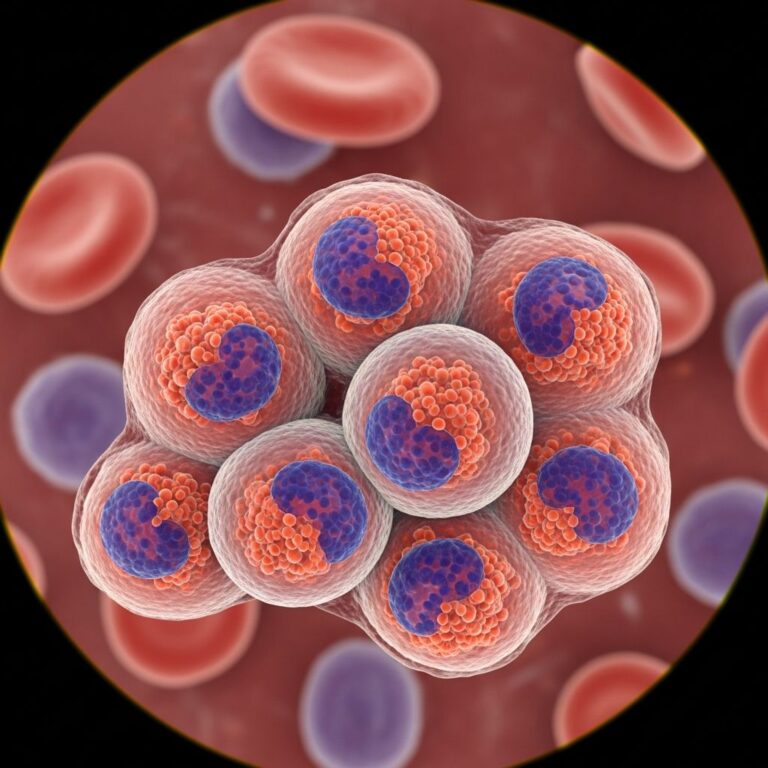
At its core, psoriasis is an autoimmune disease. In a healthy body, the immune system protects against invaders like viruses and bacteria. In psoriasis, T helper cells (a type of white blood cell) become hyperactive, releasing cytokines—signaling proteins—that provoke inflammation.
This inflammatory cascade causes keratinocytes (skin cells) to regenerate in days rather than weeks, leading to plaque formation. Key cytokines involved include tumor necrosis factor-alpha (TNF-α), interleukin-17 (IL-17), and IL-23, which biologics target to calm the response. Recent research from the National Institutes of Health highlights how this immune misfiring creates a self-perpetuating cycle of inflammation and cell turnover.
The Genetic Link to Psoriasis
Genetics play a pivotal role, with psoriasis showing strong heritability—about 28% concordance in identical twins versus 12.5% in fraternal ones. Over 80 genetic loci have been identified, but key variants include:
- HLA-Cw*06:02: Strongly linked to early-onset plaque and guttate psoriasis, present in up to 50% of cases.
- IL23R and IL12B: Involved in IL-23/IL-17 pathway dysregulation.
- CARD14: Mutations cause plaque psoriasis when triggered environmentally.
- IL36RN: Associated with generalized pustular psoriasis.
Having a family history increases risk tenfold, but genes alone don’t cause disease; they predispose individuals to immune overactivity when exposed to triggers. Genome-wide association studies (GWAS) continue to uncover more variants, aiding personalized treatments.
Environmental Risk Factors and Triggers
Environmental factors don’t cause psoriasis independently but ignite it in genetically susceptible people. Common triggers include:
- Infections: Streptococcal throat infections often precede guttate psoriasis, with symptoms appearing 2-6 weeks later. Up to 40% progress to chronic plaque psoriasis. Viral infections like HIV can exacerbate existing cases.
- Obesity: Excess weight correlates with higher psoriasis severity. Adipose tissue releases pro-inflammatory cytokines, worsening inflammation. Studies show a 20-50% increased risk per 5-unit BMI rise, with weight loss improving symptoms.
- Stress and Mental Health: Psychological stress elevates cortisol and cytokines, triggering flares. A bidirectional link exists: psoriasis causes stress, which worsens plaques. Depression doubles risk in some cohorts.
- Smoking: Smokers have 1.5-2 times higher risk; nicotine promotes angiogenesis and inflammation in skin lesions. Quitting reduces severity.
- Alcohol: Heavy consumption impairs treatment response and heightens flare risk via liver inflammation spillover.
- Medications: Beta-blockers, lithium, antimalarials, and interferons can induce onset or flares.
- Skin Injury (Koebner Phenomenon): Cuts, burns, or tattoos may spawn new plaques at injury sites.
- Weather: Cold, dry climates aggravate symptoms by impairing skin barrier function.
Related Stories



Psoriasis and Lifestyle Factors
Lifestyle profoundly influences psoriasis. Diets high in processed foods, sugars, red meat, and dairy may fuel inflammation via gut-skin axis disruption. Conversely, anti-inflammatory Mediterranean diets—rich in omega-3s, fruits, vegetables, and olive oil—correlate with milder symptoms.
| Pro-Inflammatory Foods | Anti-Inflammatory Alternatives |
|---|---|
| Alcohol, processed sugars, gluten, nightshades, dairy | Fish, leafy greens, berries, nuts, whole grains, olive oil |
| Red/processed meats | Fatty fish (salmon), turmeric, ginger |
Exercise reduces obesity-related inflammation, while smoking cessation and stress management (mindfulness, therapy) are cornerstone preventives.
Psoriasis vs. Other Skin Conditions
Psoriasis is often confused with eczema or ringworm, but differs fundamentally:
- Eczema (Atopic Dermatitis): Also immune-mediated but features filaggrin gene defects causing barrier weakness, leading to itchy, oozing rashes rather than thick plaques.
- Ringworm: Fungal infection, contagious, with ring-shaped lesions responsive to antifungals.
Psoriasis plaques are sharply demarcated, silvery-scaled, and symmetric, aiding diagnosis via biopsy if needed.
Frequently Asked Questions (FAQs)
Q: Is psoriasis contagious?
A: No, psoriasis is not contagious. It’s caused by internal immune and genetic factors, not pathogens or contact.
Q: Can diet affect psoriasis?
A: Yes, inflammatory diets worsen symptoms; Mediterranean-style eating may alleviate them by reducing systemic inflammation.
Q: Does obesity cause psoriasis?
A: Obesity increases risk and severity via heightened inflammation but doesn’t solely cause it; weight loss helps.
Q: Can stress trigger psoriasis flares?
A: Absolutely—stress hormones provoke immune activation. Managing stress prevents many flares.
Q: Is psoriasis hereditary?
A: It’s strongly genetic; family history raises risk, but environmental triggers are required for onset.
Q: Can you have psoriasis and eczema simultaneously?
A: Rare, as they involve distinct immune pathways despite overlapping inflammation.
This comprehensive overview empowers those with psoriasis to identify and mitigate triggers, improving quality of life. Consult dermatologists for tailored advice.
Similar Articles








Read full bio of medha deb