Psoriasis Diet: 5 Anti-Inflammatory Foods To Prioritize
Manage psoriasis symptoms through anti-inflammatory eating: Learn which foods to embrace and which to avoid.
Understanding Psoriasis and Diet
Psoriasis is an immune-mediated disease characterized by inflammation caused by an overactive immune system. While medications play a crucial role in managing psoriasis, emerging research suggests that dietary choices can significantly influence symptom severity and disease progression. Diet doesn’t cause psoriasis, but certain foods can either trigger inflammation or help reduce it. An anti-inflammatory diet built on nutrient-dense, whole-plant foods may help support the immune system and potentially alleviate symptoms for many people living with this chronic skin condition.
The relationship between nutrition and psoriasis has gained considerable attention in recent years. Studies have demonstrated that dietary patterns high in inflammatory markers can worsen psoriasis symptoms, while plant-based, nutrient-rich diets may help reduce flares. The key lies in understanding which foods promote inflammation and which provide anti-inflammatory benefits.
Foods to Eat for Psoriasis Management
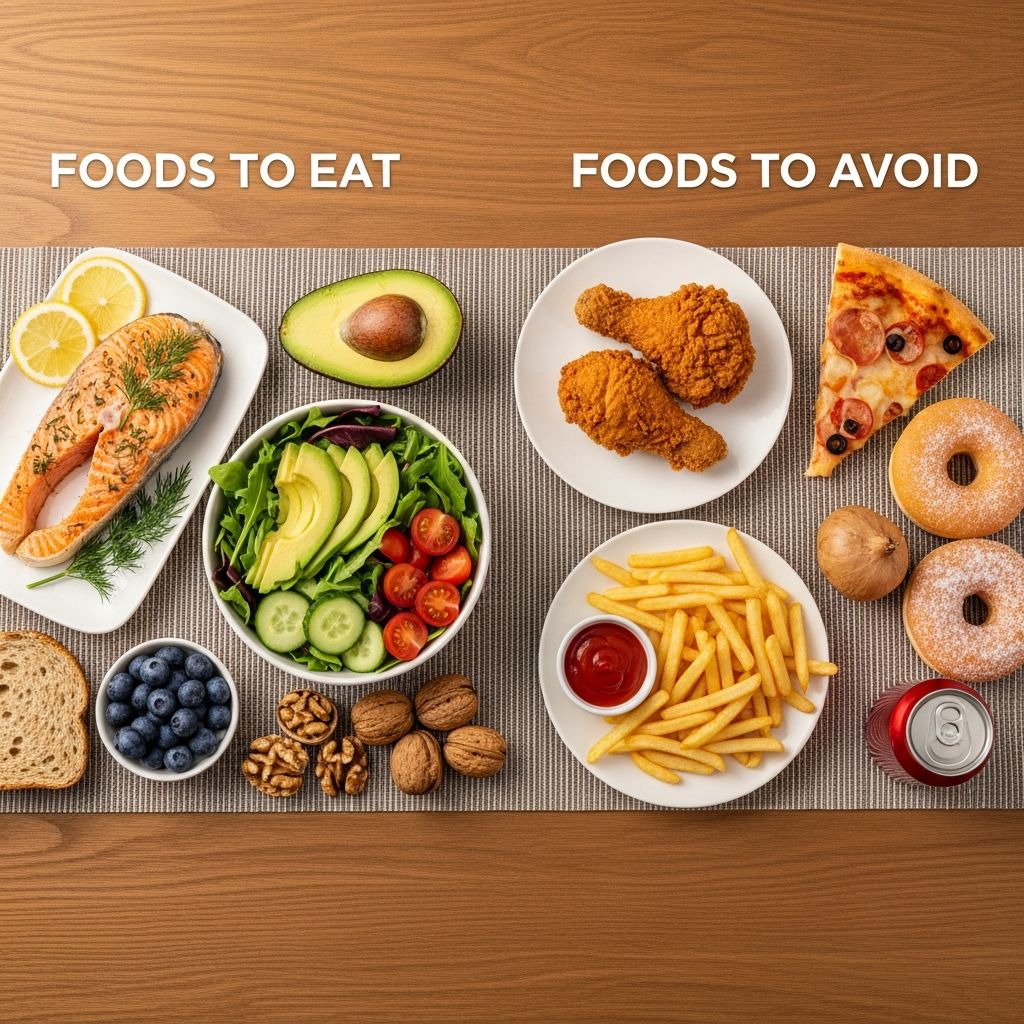
An anti-inflammatory diet for psoriasis should focus on whole, nutrient-dense foods that support immune function and reduce systemic inflammation. The following categories of foods form the foundation of a psoriasis-friendly diet:
Omega-3 Rich Foods
Omega-3 fatty acids have powerful anti-inflammatory properties essential for managing psoriasis. Include these omega-3 sources in your regular meal rotation:
– Fatty fish (salmon, tuna, mackerel, sardines)- Seaweed and other marine sources- Nuts, particularly walnuts- Seeds such as flaxseeds and chia seeds- Plant oils including flaxseed oil and walnut oil- Fortified foods like certain brands of milk and eggs
These foods help combat the chronic inflammation underlying psoriasis and support overall cardiovascular and skin health.
High-Fiber Foods
Fiber plays a critical role in supporting gut health, which directly influences inflammation throughout the body. The gut microbiome—the ecosystem of microbes in your digestive tract—significantly affects immune function and inflammatory responses. Poor dietary habits can lead to oxidative stress and gut dysbiosis (an imbalance of bacteria), which contributes to inflammation and psoriasis flares. Include these fiber-rich options:
– Whole grains with low glycemic indices- Vegetables of various colors- Fresh fruits- Legumes and beans- Nuts and seeds
Making half your plate vegetables at lunch and dinner is an excellent starting point that doesn’t require drastic dietary changes and allows your body to gradually adapt to increased fiber intake.
Antioxidant and Vitamin-Rich Foods
Antioxidants combat oxidative stress and support immune function. These nutrient powerhouses should feature prominently in a psoriasis-friendly diet:
– Colorful vegetables (spinach, kale, broccoli, bell peppers, carrots)- Berries (blueberries, strawberries, raspberries)- Cheese and eggs- Legumes- Mushrooms- Lean proteins
The variety of colors in your diet correlates with the diversity of antioxidants and phytonutrients you consume, each offering unique anti-inflammatory benefits.
Lean Proteins
Protein is essential for tissue repair and maintaining proper immune function. Choose lean sources that don’t contribute excessive saturated fat:
– Poultry (chicken, turkey)- Fish and seafood- Tofu and tempeh- Legumes and beans- Low-fat dairy products
Related Stories



These protein sources support your body’s healing processes while minimizing inflammatory responses.
Healthy Fats
Not all fats are created equal. Focus on monounsaturated and polyunsaturated fats while limiting saturated fats:
– Extra virgin olive oil (a cornerstone of the Mediterranean diet)- Avocado oil- Nuts and seeds- Fatty fish
Extra virgin olive oil deserves special mention due to its high antioxidant content and documented association with decreased markers of chronic inflammation.
Foods to Avoid with Psoriasis
The Western diet, characterized by high sugar, unhealthy fats, and processed ingredients, can significantly worsen psoriasis. Research shows that just 10 weeks of consuming a Western-style diet contributed to inflammation in both skin and joints. The following foods and categories are best limited or avoided:
Ultra-Processed Foods
Hyper-processed foods high in salt, sugar, and saturated fat while low in fiber are detrimental to gut health and microbiome balance. These foods drive inflammation and should be minimized:
– Fast food and takeout meals- Packaged snacks and convenience foods- Processed meats and deli meats- Sugary breakfast cereals- Candy and confections
While these foods aren’t necessarily harmful in small amounts, the overall dietary pattern is far more powerful than any single meal or food item.
Red Meat and Dairy
Research published in the British Journal of Dermatology found that reducing red meat and dairy consumption led to improvement in psoriasis symptoms. These foods are high in saturated fat and arachidonic acid, which can promote inflammation:
– Red meat (beef, pork, lamb)- Full-fat dairy products- Butter and cream- Cheese (especially full-fat varieties)
Consider replacing these with lean proteins, plant-based alternatives, and lower-fat dairy options if you choose to consume dairy.
Sugary Foods and Drinks
High sugar consumption elevates C-reactive protein (CRP), a blood-based inflammatory marker directly linked to psoriasis severity. Avoid or minimize:
– Sugary beverages (soda, energy drinks, sweetened coffee beverages)- Desserts and baked goods- High-sugar breakfast foods- Candy and chocolate- Refined grains (white bread, white rice, regular pasta)
These foods cause rapid spikes in blood glucose, which increases insulin levels—a known driver of inflammation.
Alcohol
Alcohol, particularly beer and spirits, can trigger psoriasis flares and worsen symptoms. It contributes to inflammation and may impair immune function. Limiting or eliminating alcohol is recommended for better psoriasis management.
Saturated Fats and Trans Fats
The Western diet’s heavy reliance on saturated fats, trans fatty acids, and refined carbohydrates creates a perfect storm for chronic inflammation. These fats promote inflammatory responses throughout the body and should be substantially reduced.
Best Diets for Psoriasis Management
Mediterranean Diet
The Mediterranean diet has emerged as the most well-researched dietary approach for psoriasis management. This eating pattern, inspired by the traditional diets of Mediterranean countries, emphasizes:
– Abundant fruits and vegetables- Fish and seafood- Extra virgin olive oil as the primary fat source- Whole grains- Legumes- Moderate amounts of nuts and seeds- Limited red meat and dairy consumption- Minimal processed foods
The Mediterranean diet’s anti-inflammatory effects stem from its high antioxidant content, particularly from fruits, vegetables, and extra virgin olive oil. Research has associated this dietary pattern with reduced metabolic, cardiovascular, and chronic inflammation markers.
Ketogenic Diet
Emerging research suggests the ketogenic diet may help some individuals with psoriasis. This low-carbohydrate, high-fat approach works by reducing carbohydrate availability, forcing the body to use fat as its primary energy source. Lower carbohydrate intake minimizes insulin levels and promotes ketone production. Since fat contributes to chronic low-grade inflammation, this metabolic shift may reduce inflammation. However, research remains preliminary, and this diet requires careful planning to ensure adequate nutrition.
Other Dietary Approaches
While the Mediterranean diet has the strongest evidence, other dietary patterns may also help:
– Vegetarian and vegan diets (when properly balanced with adequate nutrients)- Gluten-free diets (particularly for those with celiac disease or gluten sensitivity)- Plant-based or whole-food diets
However, research on these approaches remains inconclusive for psoriasis specifically. Individual responses to different diets vary considerably, making personalization essential.
Implementing a Psoriasis-Friendly Diet
Start with Practical Steps
Making dietary changes can feel overwhelming. Breaking the process into manageable steps increases success and sustainability:
– Begin by making half your plate vegetables at lunch and dinner- Gradually reduce high-glycemic-index foods that raise blood glucose quickly- Replace inflammatory foods with anti-inflammatory alternatives like fruits, vegetables, and fatty fish- Aim to incorporate 30 different plants each week to maximize nutrient diversity- Make changes gradually rather than making drastic cuts to your diet
Remember: this is about progress, not perfection. Small, sustainable changes are more effective than extreme dietary overhauls you cannot maintain.
Keep a Food Diary
Identifying your personal trigger foods is crucial since individual responses to different foods vary. Maintain a detailed food diary noting what you eat and any changes in your psoriasis symptoms. This personalized data helps you identify patterns and make informed dietary adjustments specific to your needs.
Work with Healthcare Professionals
Good nutrition should always be individualized to your specific needs and health status. Consider consulting with:
– A registered dietitian- A certified nutritionist- Your dermatologist- Your primary care physician
These professionals can provide personalized guidance based on your specific psoriasis severity, other health conditions, medications, and lifestyle factors.
Complementary Lifestyle Factors
While diet is important, managing psoriasis effectively requires a comprehensive approach. In addition to dietary changes, consider:
– Managing stress through meditation, yoga, or other relaxation techniques- Getting regular exercise (at least 150 minutes of moderate activity weekly)- Maintaining a healthy weight- Avoiding tobacco and limiting alcohol- Getting adequate sleep (7-9 hours nightly)- Staying hydrated by drinking plenty of water
These lifestyle modifications work synergistically with dietary changes to reduce inflammation and support overall health.
Frequently Asked Questions
Q: Does diet cure psoriasis?
A: No, diet does not cure psoriasis, but it can significantly help manage symptoms and reduce flare severity. Psoriasis is a chronic condition requiring ongoing medical management, though dietary and lifestyle changes can complement medical treatments effectively.
Q: How quickly will I see improvements from dietary changes?
A: Individual responses vary considerably. Some people notice improvements within weeks, while others may take several months. Consistency is key—maintain the dietary changes for at least 8-12 weeks before assessing effectiveness.
Q: Should I eliminate all processed foods?
A: Complete elimination isn’t necessary. Ultra-processed foods high in sugar, salt, and unhealthy fats should be substantially limited, but small amounts aren’t harmful. The overall dietary pattern matters more than any single food choice.
Q: Is the Mediterranean diet the only diet that works for psoriasis?
A: While the Mediterranean diet has the strongest research support, other anti-inflammatory diets may also help. Individual responses vary, so you may need to experiment to find the best approach for your body. Work with healthcare professionals to identify your optimal diet.
Q: Can I have cheat days on a psoriasis diet?
A: Occasional indulgences won’t derail your progress, but consistency is important. The dietary pattern matters more than individual meals. If you notice certain foods trigger flares, avoiding them most of the time becomes important.
Q: Should I take supplements along with dietary changes?
A: Discuss supplementation with your healthcare provider. A well-planned diet usually provides adequate nutrients, but your individual needs may differ based on your health status and specific deficiencies. Never start supplements without professional guidance.
References
- Anti-inflammatory diet for psoriasis: Experts weigh in — Medical News Today. 2023. https://www.medicalnewstoday.com/articles/anti-inflammatory-diet-for-psoriasis
- Foods to Eat & Avoid if You Have Psoriasis — HealthCentral. 2024. https://www.healthcentral.com/article/best-diets-for-psoriasis
- Managing Plaque Psoriasis? Your Diet May Provide Relief — MDVIP. 2023. https://www.mdvip.com/patients/resources/managing-plaque-psoriasis-your-diet-may-provide-relief
- Plant-based diet and psoriasis severity in adults: An exploratory analysis of the EPIC-UK cohort — British Journal of Nutrition. 2022. DOI: 10.1017/S0007114522000472
- Healthy Lifestyle Habits When You Have PsA — Arthritis Foundation. 2024. https://www.arthritis.org/health-wellness/treatment/treatment-plan/tracking-your-health/healthy-lifestyle-habits-when-you-have-psa
Similar Articles








Read full bio of Sneha Tete