Psoriasis Overview: 2025 Guide To Symptoms, Causes & Treatments
Comprehensive guide to psoriasis: symptoms, causes, treatments, and living with this chronic skin condition.
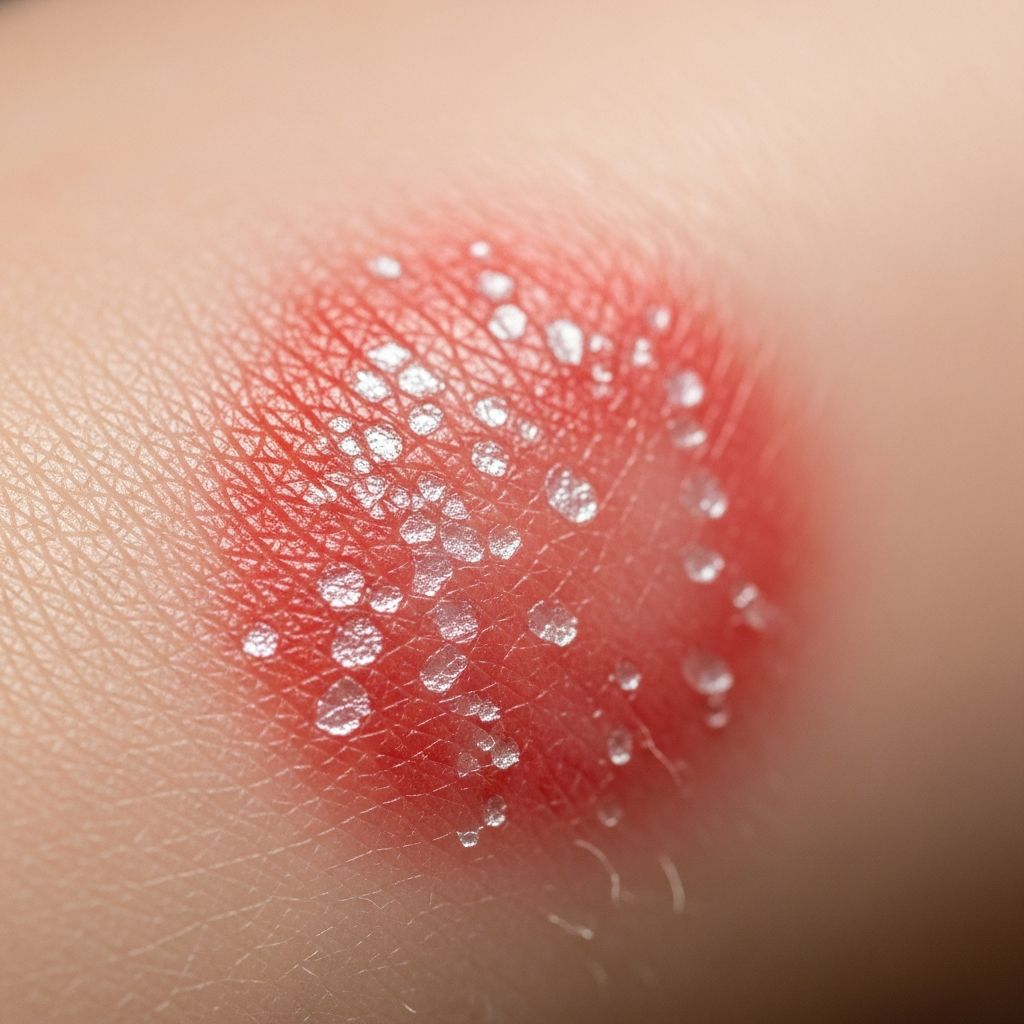
Psoriasis is a chronic autoimmune condition that affects millions worldwide, causing rapid skin cell growth leading to thick, scaly patches. This comprehensive overview covers everything from symptoms and causes to the latest treatment options and lifestyle management strategies. Understanding psoriasis empowers patients to seek timely care and improve their quality of life.
What Is Psoriasis?
Psoriasis manifests as inflamed skin with silvery-white scales due to the immune system mistakenly attacking healthy skin cells. Normally, skin cells renew every 28-30 days, but in psoriasis, this cycle accelerates to 3-4 days, causing buildup of dead cells on the surface. The National Psoriasis Foundation estimates 7.5 million Americans live with psoriasis, with global prevalence around 2-3% of the population.1
This condition varies widely in severity—from small patches to widespread coverage covering large body areas. While not contagious, psoriasis significantly impacts physical comfort and emotional well-being, often coexisting with psoriatic arthritis affecting joints.
Symptoms of Psoriasis
Psoriasis symptoms differ by type and location but commonly include:
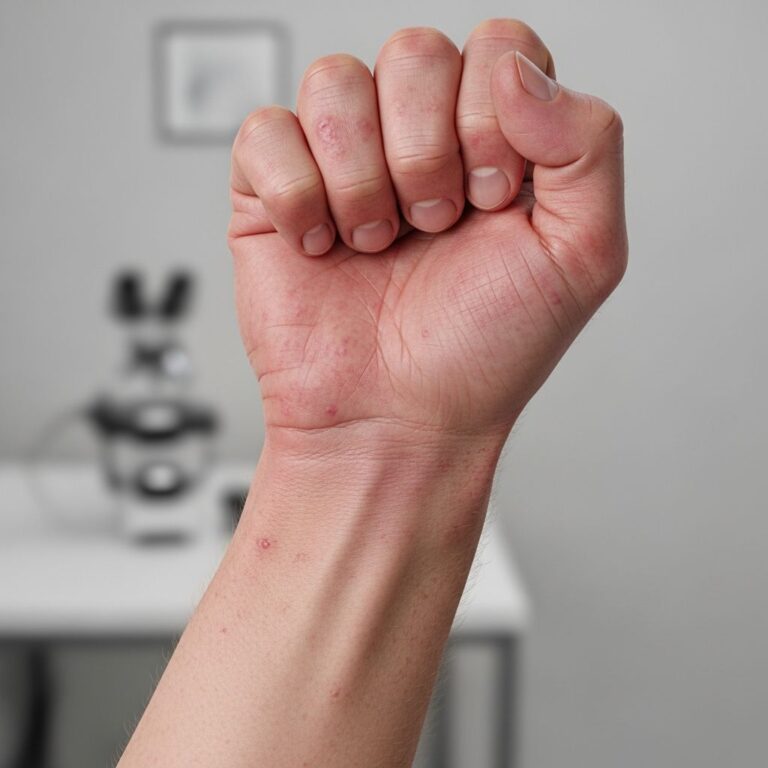
- Red, inflamed patches covered with thick silvery scales
- Itching, burning, or soreness in affected areas
- Dry, cracked skin that may bleed
- Thickened, pitted, or ridged nails
- Stiff, swollen joints (in psoriatic arthritis cases)
Symptoms often flare and subside in cycles influenced by stress, infections, weather changes, or medications. Common sites include elbows, knees, scalp, lower back, palms, soles, and nails. Severe cases may cause pustules or erythrodermic reactions requiring immediate medical attention.
Types of Psoriasis
Several distinct psoriasis types exist, each with unique characteristics:
| Type | Key Features | Common Locations |
|---|---|---|
| Plaque Psoriasis | Most common (80-90% cases); raised red patches with silver scales | Elbows, knees, scalp, lower back |
| Guttate Psoriasis | Small drop-shaped lesions; often follows strep throat | Torso, thighs, arms |
| Inverse Psoriasis | Smooth, red patches in skin folds; worsened by friction/sweat | Armpits, groin, under breasts |
| Pustular Psoriasis | White pustules surrounded by red skin; may be localized or generalized | Hands/feet (palmoplantar) or widespread |
| Erythrodermic Psoriasis | Rare, severe; widespread redness and shedding covering 90%+ body | Entire body; medical emergency |
Causes and Risk Factors
Psoriasis results from genetic and environmental factors triggering immune overactivity. T-cells attack skin cells, releasing cytokines that accelerate growth. Key contributors include:
- Genetics: Family history increases risk 10-fold; specific HLA genes identified
- Immune Dysfunction: Abnormal T-cell activation central to pathogenesis
- Triggers: Stress, infections (strep), skin injury (Koebner phenomenon), smoking, heavy alcohol use
- Medications: Beta-blockers, lithium, antimalarials can exacerbate
Recent research highlights gut-skin axis involvement and microbiome dysbiosis in psoriasis development.2
Psoriasis Diagnosis
Diagnosis typically relies on clinical examination by dermatologists. No specific blood test exists, but:
- Skin biopsy confirms diagnosis in ambiguous cases
- PASI (Psoriasis Area Severity Index) scores disease extent/severity
- Blood tests rule out comorbidities (metabolic syndrome, liver function)
- Joint exams assess psoriatic arthritis risk
Related Stories



Early diagnosis prevents complications and enables effective treatment initiation.
Treatment Options for Psoriasis
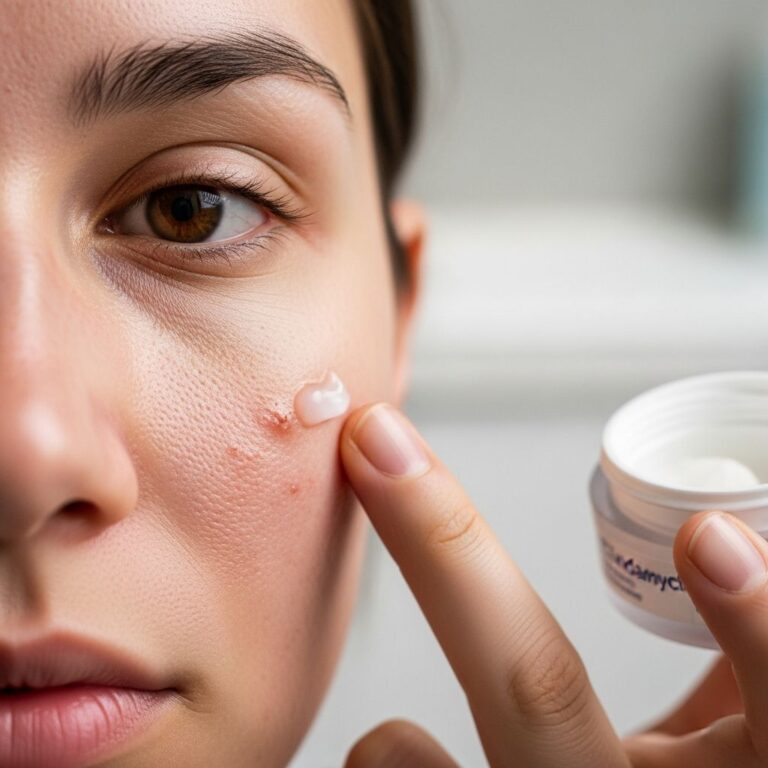
Topical Treatments
First-line for mild-moderate psoriasis:
- Corticosteroids: Reduce inflammation (clobetasol, betamethasone)
- Vitamin D Analogues: Calcipotriene slows cell growth
- Retinoids: Tazarotene normalizes skin cell production
- Calcineurin Inhibitors: Tacrolimus for sensitive areas
- Salicylic Acid & Coal Tar: Scale removal and anti-inflammatory
Phototherapy
Controlled UVB exposure effective for widespread psoriasis:
- Narrowband UVB: 3x/week sessions
- PUVA (psoralen + UVA): For resistant cases
- Excimer laser: Targeted treatment
Systemic Medications
For moderate-severe disease:
- Methotrexate: Weekly oral; immunosuppressant
- Cyclosporine: Rapid control; short-term use
- Acitretin: Oral retinoid for pustular/palmoplantar types
Biologic Therapies
Target specific immune pathways; game-changers for severe psoriasis:
| Class | Examples | Targets |
|---|---|---|
| TNF-α inhibitors | Etanercept, Adalimumab, Infliximab | Tumor necrosis factor |
| IL-17 inhibitors | Secukinumab, Ixekizumab | Interleukin-17 |
| IL-23 inhibitors | Guselkumab, Risankizumab | Interleukin-23 |
| IL-12/23 inhibitor | Ustekinumab | IL-12 and IL-23 |
Biologics achieve 75-90% PASI improvement in most patients.3
Emerging Treatments
Oral small molecules like Deucravacitinib (TYK2 inhibitor) and emerging JAK inhibitors show promise with convenient dosing and rapid efficacy.
Lifestyle Management and Home Remedies
- Moisturize daily: Thick emollients lock in moisture
- Oatmeal/Aloe baths: Soothe irritated skin
- Avoid triggers: Limit alcohol, quit smoking
- Stress reduction: Meditation, yoga decrease flares
- Diet: Anti-inflammatory Mediterranean diet may help
Psoriasis and Comorbidities
Psoriasis increases risk for:
- Psoriatic arthritis (30% patients)
- Cardiovascular disease (50% higher risk)
- Metabolic syndrome, type 2 diabetes
- Depression, anxiety (due to stigma/appearance concerns)
- Non-alcoholic fatty liver disease
Regular screening and holistic management essential.4
Living with Psoriasis: Psychosocial Impact
Visible lesions cause embarrassment, relationship strain, and workplace discrimination. Support groups and counseling improve coping. Recent studies show 63% of patients experience depressive symptoms.5
Frequently Asked Questions (FAQs)
Is psoriasis contagious?
No, psoriasis is an autoimmune condition, not infectious. Direct contact cannot transmit it.
Can psoriasis be cured?
Psoriasis has no cure but can be effectively managed with treatments achieving long-term remission.
Does diet affect psoriasis?
While not curative, anti-inflammatory diets (Mediterranean, gluten-free for celiac patients) may reduce flare frequency/severity.
Can stress cause psoriasis flares?
Yes, stress is a major trigger. Stress-reduction techniques significantly decrease flare frequency.
Will my children get psoriasis?
Risk increases with family history: 10-25% if one parent affected, 50-65% if both parents have psoriasis.
When to See a Doctor
Seek immediate care for:
- Sudden worsening or erythrodermic psoriasis
- Joint pain/swelling suggesting psoriatic arthritis
- Fever, chills with pustular psoriasis
- Treatment failure after 3 months
Routine dermatology follow-up recommended every 3-6 months.
References
- National Psoriasis Foundation Statistics — National Psoriasis Foundation. 2024-01-15. https://www.psoriasis.org/psoriasis-statistics/
- Psoriasis Pathogenesis and the Role of the Microbiome — National Institutes of Health (NIH). 2023-06-20. https://pubmed.ncbi.nlm.nih.gov/37283095/
- Biologic Therapy for Moderate-to-Severe Psoriasis — American Academy of Dermatology. 2025-02-10. https://www.aad.org/public/diseases/psoriasis/treatment/medications/biologics
- Psoriasis Comorbidities Guideline — National Institute for Health and Care Excellence (NICE). 2024-11-05. https://www.nice.org.uk/guidance/ng153
- Psychosocial Burden of Psoriasis — World Health Organization (WHO). 2023-09-12. https://www.who.int/publications/i/item/9789240076149
Similar Articles








Read full bio of medha deb