Psoriasis Symptoms: 11 Signs to Watch For
Recognize the 11 key symptoms of psoriasis, from plaques to nail changes, and understand when to seek medical help for effective management.
Psoriasis is a chronic autoimmune condition that accelerates skin cell turnover, leading to a buildup of cells on the surface. Affecting over 7.5 million adults in the U.S., it manifests in various forms with distinct symptoms.1 While not contagious, its visible signs can impact quality of life. Early identification of these 11 key symptoms enables prompt treatment, potentially reducing flare-ups and complications like psoriatic arthritis.
What Are the Most Common Symptoms of Psoriasis?
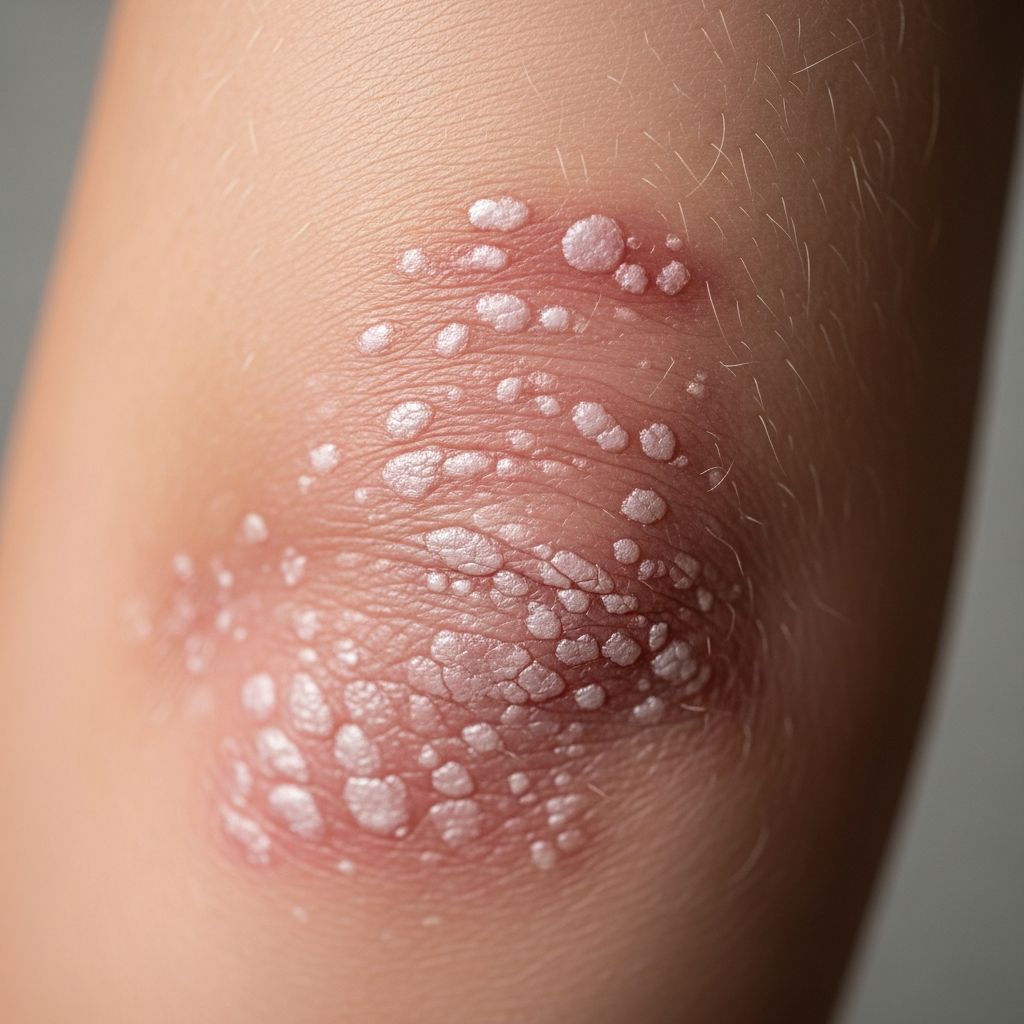
The hallmark of psoriasis is plaques—raised, red patches covered with silvery-white scales. These typically appear on elbows, knees, scalp, and lower back but can affect any area. Plaques result from rapid skin cell production, taking just 3-4 days instead of the normal 28-30.2 Other prevalent symptoms include intense itching, burning, and skin tightness, often worsening at night or with stress.
1. Red, Raised Patches of Skin (Plaques)
The most recognizable psoriasis symptom is plaques: inflamed, red lesions topped with thick, silvery scales. These patches can range from dime-sized to covering large body areas. When scratched, scales flake off, revealing smaller red spots (Auspitz sign). Plaques are often dry and cracked, prone to bleeding.
- Common locations: Elbows, knees, scalp, lower back, ears, face
- Sensation: Itching, burning, soreness
- Triggers: Stress, infections, skin injury (Koebner phenomenon)
In plaque psoriasis—the most common type (80-90% of cases)—these patches thicken over time if untreated.3
2. Silvery-White Scales
Psoriasis scales form from dead skin cells accumulating rapidly. These shiny, silvery-white flakes contrast sharply with inflamed red skin beneath. Scales are drier and thicker than those in eczema or dandruff.
| Psoriasis Scales | Eczema Scales | Dandruff |
|---|---|---|
| Thick, silvery-white | Small, yellowish | Fine, white/yellow |
| Dry, adherent | Crusty, moist | Loose, greasy |
| On plaques | Oozing areas | Scalp only |
Gently scraping reveals pinpoint bleeding, distinguishing psoriasis from similar conditions.
3. Itching, Burning, or Soreness
Skin irritation accompanies nearly all psoriasis cases. Itching ranges from mild to severe, disrupting sleep and concentration. Burning sensations mimic sunburn, while soreness affects joints near plaques.
- Why it happens: Inflammation releases itch-inducing chemicals
- Complication risk: Scratching causes infection or worsening plaques
- Management: Moisturizers, topical steroids, avoiding triggers
4. Thickened, Pitted, or Ridged Nails
Nail psoriasis affects 50% of patients, causing pitting (tiny holes like thimbles), ridging, discoloration (yellow/brown), or separation (onycholysis). Nails crumble or thicken, impacting appearance and function.4
- Severe cases: Nail destruction, pain
- Associated risk: 80% chance of psoriatic arthritis
Pedicures exacerbate damage; gentle care is essential.
5. Dry, Cracked Skin That Can Bleed
Chronic dryness leads to cracking, especially on palms/soles. Fissures bleed easily, causing pain and infection risk. Winter exacerbates this due to low humidity.
Prevention tips:
- Apply fragrance-free moisturizers immediately after bathing
- Use petroleum jelly on cracks
- Wear gloves/socks for protection
6. Scalp Psoriasis
Affecting 50% of patients, scalp psoriasis causes thick scales extending to forehead, neck, ears. It mimics severe dandruff but with thicker buildup and itching.
Related Stories



- Treatment challenges: Hair hinders topical application
- Options: Medicated shampoos (coal tar, salicylic acid), steroid solutions
Shedding scales may fall onto shoulders, causing embarrassment.
7. Stiff, Swollen, or Painful Joints
Psoriatic arthritis (PsA) affects 30% of psoriasis patients, causing joint inflammation.5 Symptoms include:
- Sausage-like finger/toe swelling (dactylitis)
- Morning stiffness >30 minutes
- Reduced grip strength
Early intervention prevents joint damage; screen if plaques persist >6 months.
8. Psoriasis Types Beyond Plaques
Guttate psoriasis: Small drop-like lesions post-strep throat, common in children.
Inverse psoriasis: Smooth red patches in skin folds (armpits, groin).
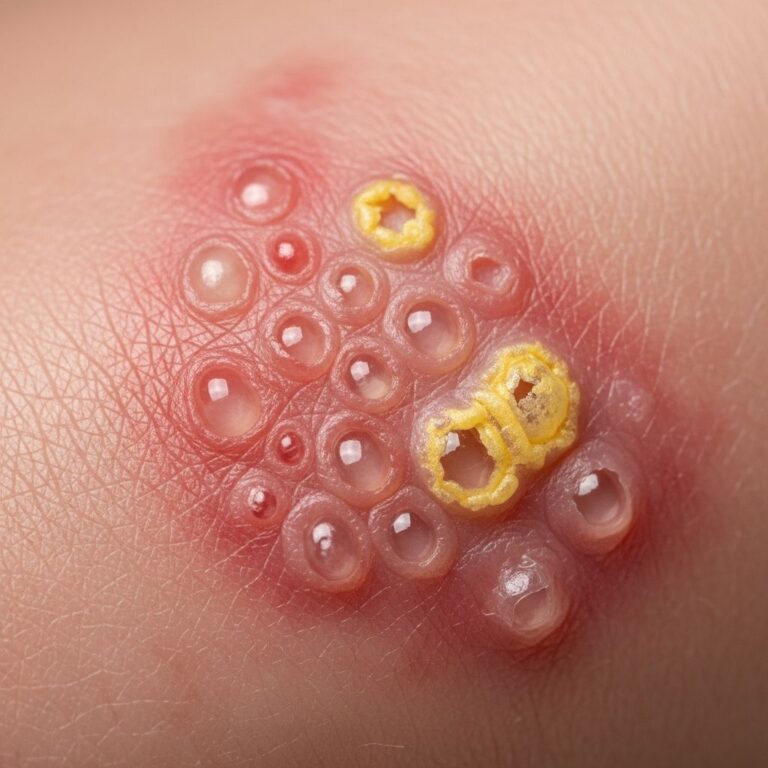
Pustular psoriasis: White pus-filled blisters on red skin; medical emergency.
Erythrodermic psoriasis: Full-body redness, fever; requires hospitalization.
9. Eye Symptoms
Ocular psoriasis causes blepharitis, conjunctivitis, uveitis—potentially blinding if untreated. Symptoms: redness, pain, light sensitivity, blurred vision.6
- Risk factors: Facial/scalp psoriasis
- Action: See ophthalmologist promptly
10. Mouth or Genital Symptoms
Oral psoriasis: Rare white/gray plaques on tongue/gums.
Genital psoriasis: Smooth red patches causing pain during intercourse; affects 63% at some point.
11. Systemic Symptoms During Flares
Severe flares trigger fever, chills, fatigue, rapid heart rate, dehydration—signs of medical emergency.
Who Gets Psoriasis?
Genetics play a key role (family history increases risk 10x). Triggers include strep infections, stress, smoking, obesity. Caucasians are most affected; symptoms often begin 15-35 years.
When to See a Doctor
- Plaques cover >10% body surface
- Joint pain/swelling
- Nail changes
- Fever with flare
- Failed OTC treatments
Dermatologists diagnose via exam/biopsy; treatments range from topicals to biologics.
Frequently Asked Questions (FAQs)
Is psoriasis itchy?
Yes, intense itching affects most patients, worsened by scratching which spreads plaques.
Does psoriasis cause hair loss?
Scalp psoriasis doesn’t cause permanent loss but severe buildup may temporarily shed hair during treatment.
Can psoriasis affect internal organs?
PsA affects joints; increased cardiovascular/metabolic risks exist, but skin is primary target.
Is psoriasis contagious?
No, it’s autoimmune—not spread by contact.
References
- Prevalence of Psoriasis Among Adults in the U.S. — CDC. 2021-12-01. https://www.cdc.gov/nchs/products/databriefs/db363.htm
- Pathophysiology of Psoriasis — National Psoriasis Foundation / J Am Acad Dermatol. 2023-05-15. https://www.jaad.org/article/S0190-9622(23)00447-8/fulltext
- Clinical Guidelines for Plaque Psoriasis — American Academy of Dermatology. 2024-03-20. https://www.aad.org/member/clinical-quality/guidelines/psoriasis
- Nail Psoriasis: Epidemiology and Manifestations — PubMed / Br J Dermatol. 2022-07-10. https://pubmed.ncbi.nlm.nih.gov/35587785/
- Psoriatic Arthritis Overview — National Institute of Arthritis and Musculoskeletal and Skin Diseases. 2023-11-08. https://www.niams.nih.gov/health-topics/psoriatic-arthritis
- Ocular Manifestations of Psoriasis — American Academy of Ophthalmology. 2024-01-15. https://www.aao.org/eyenet/article/ocular-psoriasis
Similar Articles








Read full bio of Sneha Tete