Psoriasis: What It Is, Symptoms, Causes, Types & Treatment
Comprehensive guide to understanding psoriasis, its causes, symptoms, types, and effective treatment options.
Understanding Psoriasis
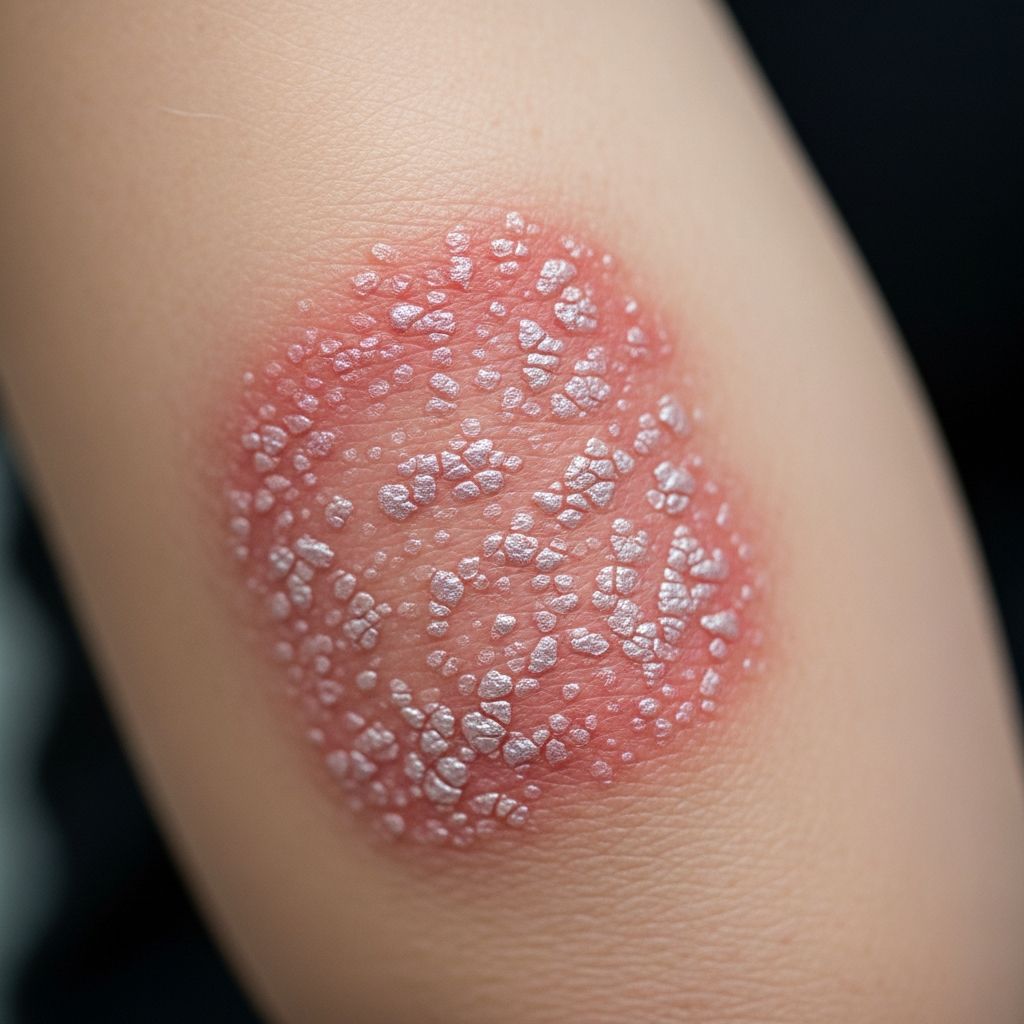
Psoriasis is a chronic autoimmune skin condition that affects millions of people worldwide. This inflammatory disorder causes the immune system to attack healthy skin cells, leading to the rapid buildup of skin cells on the surface of the skin. The result is the formation of thick, scaly patches known as plaques, which are often itchy, painful, and uncomfortable. Unlike contagious skin conditions, psoriasis cannot be spread from person to person through contact. It is a lifelong condition that requires ongoing management and care, though advances in medical treatment have significantly improved the quality of life for those living with this disease.
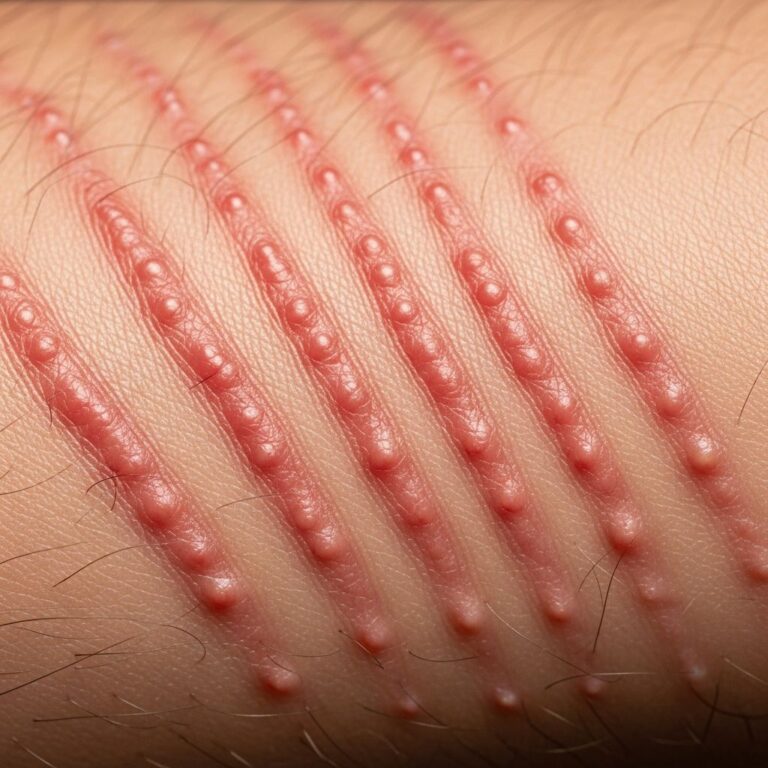
The condition typically appears as red or inflamed skin covered with silvery-white scales. These patches can develop anywhere on the body, but commonly appear on the elbows, knees, scalp, lower back, face, palms, and soles of the feet. Psoriasis is not simply a cosmetic concern; it represents a systemic inflammatory disease that can have significant physical and emotional impacts on individuals who experience it. Understanding the nature of psoriasis is the first step toward effective management and improved quality of life.
Symptoms of Psoriasis
The symptoms of psoriasis vary widely from person to person and can range from mild to severe. Common symptoms include:
– Thick, scaly patches of skin (plaques)- Red or inflamed skin- Silvery-white scales covering affected areas- Itching and burning sensations- Cracked or bleeding skin- Thickened, ridged, or pitted nails- Joint pain and stiffness (in cases of psoriatic arthritis)- Emotional distress related to appearance
The severity and frequency of symptoms can fluctuate over time, with periods of remission followed by flare-ups. Flare-ups may be triggered by stress, infections, certain medications, skin injuries, or environmental factors. Understanding personal triggers is essential for managing the condition effectively.
Causes and Risk Factors
Psoriasis develops due to a combination of genetic and environmental factors. The condition has a strong hereditary component, meaning if one or both parents have psoriasis, the risk of developing the condition is significantly increased. However, genetics alone is not sufficient to cause psoriasis; environmental triggers must also be present.
Common triggers and risk factors include:
– Family history of psoriasis- Stress and emotional trauma- Skin injuries or infections- Certain medications, including beta-blockers and lithium- Alcohol consumption- Smoking- Cold, dry weather- Hormonal changes- Obesity- Immune system dysfunction
The immune system in individuals with psoriasis is overactive, causing inflammation and accelerated skin cell turnover. Normal skin cells renew every 28 to 30 days, but in psoriasis, this cycle is compressed to just 3 to 4 days, resulting in the accumulation of dead skin cells on the surface.
Types of Psoriasis
Plaque Psoriasis
Plaque psoriasis is the most common type, accounting for approximately 90% of all psoriasis cases. It presents as thick, red patches covered with silvery-white scales. These plaques are often painful and itchy and can crack and bleed. Plaque psoriasis typically affects the elbows, knees, lower back, and scalp, though it can appear anywhere on the body.
Guttate Psoriasis
Guttate psoriasis appears as small, dot-like lesions scattered across the skin. This type often develops suddenly and may follow a streptococcal infection. The lesions are typically smaller and less thick than plaque psoriasis but can cover large areas of the body.
Related Stories



Inverse Psoriasis
Inverse psoriasis affects skin folds and areas of friction, such as the groin, armpits, and under the breasts. The patches are usually smooth and without scales, making diagnosis more challenging. Moisture and friction in these areas can worsen symptoms.
Pustular Psoriasis
Pustular psoriasis is characterized by pus-filled blisters surrounded by red skin. This type can be localized to specific areas or generalized across the body. It requires immediate medical attention, as severe cases can be life-threatening.
Erythrodermic Psoriasis
Erythrodermic psoriasis is a rare, severe form that covers most of the body with continuous redness and scaling. It can cause fever, chills, and severe discomfort and is considered a medical emergency.
Psoriatic Arthritis
Some individuals with psoriasis develop psoriatic arthritis, a condition characterized by joint inflammation, pain, and stiffness. This typically affects the joints of the hands, feet, knees, and spine. Approximately 10 to 30% of people with psoriasis develop psoriatic arthritis, which can be disabling if left untreated.
Treatment Options
Topical Treatments
For mild to moderate psoriasis, topical treatments are often the first line of therapy. These include:
– Topical corticosteroids: Reduce inflammation and suppress immune response- Calcipotriene: A vitamin D analog that slows skin cell growth- Topical retinoids: Promote skin cell turnover and reduce inflammation- Emollients and moisturizers: Keep skin hydrated and reduce scaling- Salicylic acid: Helps remove scales and promotes skin shedding
Topical treatments are most effective for psoriasis involving less than 20% of the body surface area. Emollients should be applied regularly to maintain skin hydration and prevent cracking.
Phototherapy
When topical medications are insufficient, phototherapy becomes an effective option. Narrow-band ultraviolet B (UVB) light therapy is the most commonly used form and has proven highly effective for moderate to severe psoriasis. Patients typically attend sessions at medical facilities where they stand in light booths for controlled exposure. The UVB light works by suppressing the overactive immune response and slowing skin cell growth. Some patients combine UVB therapy with other treatments for enhanced results. Psoralen plus ultraviolet A (PUVA) therapy is another phototherapy option, though it carries a higher risk of skin cancer with long-term use.
Systemic Medications
For moderate to severe psoriasis or cases that do not respond to topical treatments, systemic medications may be prescribed. These oral medications include:
– Acitretin: An oral retinoid that slows skin cell growth- Methotrexate: An immunosuppressant that reduces inflammation- Cyclosporine: An immunosuppressant for severe cases
Systemic medications work throughout the body to control inflammation and are particularly useful when psoriasis affects large areas of the skin or impacts joints. However, these medications require careful monitoring for potential side effects.
Biologic Medications
Biologic medications represent a major breakthrough in psoriasis treatment. These complex medications target specific components of the immune system responsible for inflammation. Since 2004, approximately 10 to 12 biologic medications have been approved for treating moderate to severe psoriasis. These medications can be administered as self-injections or intravenous infusions on a regular schedule, typically every three months or monthly, depending on the specific medication.
Biologic medications have demonstrated remarkable efficacy, with clinical trials showing that 60 to 70% of patients achieve 100% clearance of psoriasis symptoms after three to four months of treatment. This represents a significant advancement compared to previous treatment options. Ideal candidates for biologic therapy include individuals with:
– Moderate to severe psoriasis (affecting at least 10% of body surface area)- Psoriasis in sensitive locations such as the scalp, face, hands, genitals, or feet- Failure to respond adequately to topical treatments- Psoriatic arthritis
While biologic medications are not cures, they effectively manage symptoms and allow many patients to achieve clear or nearly clear skin for extended periods.
Managing Psoriasis Flare-Ups
Preventing and managing psoriasis flare-ups requires a two-part approach: understanding the condition and identifying personal triggers, then responding with appropriate treatments.
Key strategies for managing flare-ups include:
– Keeping detailed records of symptoms, triggers, and affected areas- Reducing stress through relaxation techniques, exercise, or counseling- Maintaining a healthy diet rich in anti-inflammatory foods- Avoiding alcohol and smoking- Using fragrance-free moisturizers to keep skin hydrated- Wearing broad-spectrum sunscreen to protect skin- Avoiding skin injuries and scratching affected areas- Getting adequate sleep and managing sleep disorders- Addressing infections promptly with appropriate treatment- Communicating with healthcare providers about lifestyle factors and medications
For flare-ups, additional medications may be recommended, including topical steroid creams, oral steroids, or other established psoriasis treatments. Early intervention is crucial to prevent escalation of symptoms.
Living with Psoriasis
Coping with psoriasis extends beyond physical treatment to emotional and psychological well-being. The visible nature of psoriasis can lead to emotional distress, social anxiety, and reduced quality of life. Many individuals benefit from support groups, counseling, or therapy to address the psychological impacts of the condition.
Comprehensive psoriasis care often involves collaboration between dermatologists, primary care physicians, and other specialists. This multidisciplinary approach ensures that both the skin condition and associated health issues, such as psoriatic arthritis or metabolic disorders, are adequately managed.
With personalized treatment plans, access to advanced therapies, and proper support, individuals with psoriasis can effectively manage their condition and enjoy improved quality of life. Cleveland Clinic experts work closely with patients to develop customized treatment strategies that address their specific needs and circumstances.
Frequently Asked Questions About Psoriasis
Q: Is psoriasis contagious?
A: No, psoriasis is not contagious. It cannot be spread through contact with an affected person. It is an autoimmune condition, not an infection.
Q: Is there a cure for psoriasis?
A: While there is currently no cure for psoriasis, effective treatments can manage symptoms and induce remission. Many patients achieve clear or nearly clear skin with proper treatment.
Q: Can stress trigger psoriasis flare-ups?
A: Yes, stress is a common trigger for psoriasis flare-ups. Managing stress through relaxation techniques and lifestyle changes can help reduce the frequency and severity of symptoms.
Q: How do I know if I have psoriasis?
A: If you suspect you have psoriasis, contact your primary care physician or dermatologist for evaluation. A healthcare provider can examine your skin and determine if you have psoriasis or another skin condition.
Q: What percentage of body surface area qualifies for biologic treatment?
A: Generally, patients with at least 10% of body surface area affected by psoriasis are considered ideal candidates for biologic therapy. Body surface area can be estimated using the palm method, where one palm equals approximately 1% of body surface area.
Q: Are biologic medications safe?
A: Biologic medications have been extensively studied and are considered safe and effective for moderate to severe psoriasis. Like all medications, they can have side effects, which should be discussed with your healthcare provider.
Q: How long does it take for psoriasis treatment to work?
A: Treatment timelines vary depending on the type of therapy. Topical treatments may take weeks, phototherapy typically shows results within weeks to months, and biologic medications often show significant improvement within three to four months.
References
- Treatment of Psoriasis with Biologic Medications — Cleveland Clinic. 2024. https://my.clevelandclinic.org/podcasts/health-essentials/biologics-the-solution-for-psoriasis
- Psoriasis: A Clinical Update on Diagnosis and New Therapies — Cleveland Clinic Journal of Medicine. 2000. https://www.ccjm.org/content/ccjom/67/2/105.full.pdf
- Treatment Options for Psoriasis — Cleveland Clinic. 2024. https://my.clevelandclinic.org/watch/psoriasis-overview
- 10 Easy Steps To Prevent and Manage Your Psoriasis Flare-Ups — Cleveland Clinic. 2024. https://health.clevelandclinic.org/psoriasis-flare-up-treatment-and-prevention
- Plaque Psoriasis: What It Looks Like, Causes & Treatment — Cleveland Clinic. 2022. https://my.clevelandclinic.org/health/diseases/22842-plaque-psoriasis
Similar Articles








Read full bio of medha deb