Psoriasis Treatment Comprehensive Guide To Effective Relief
Comprehensive guide to psoriasis treatments, from topical creams to advanced biologics, helping manage symptoms effectively.
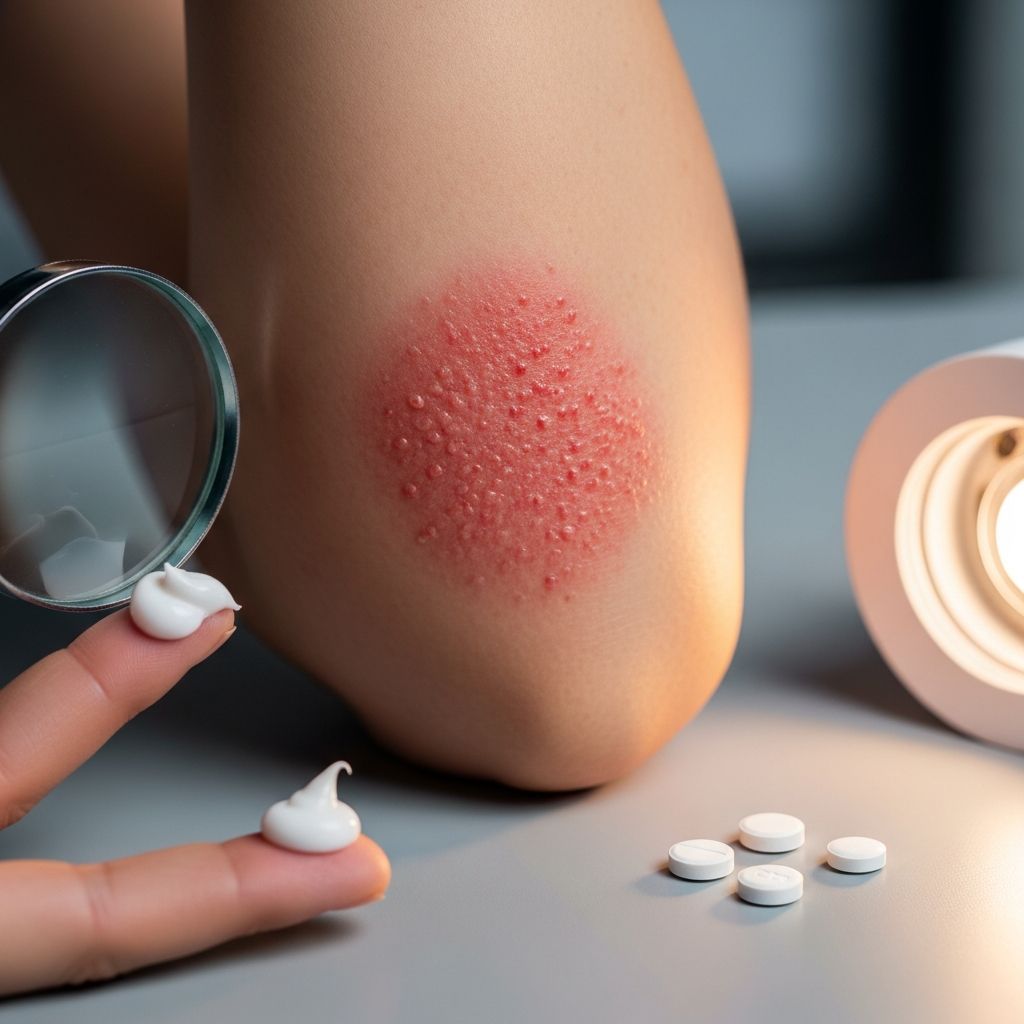
Psoriasis is a chronic autoimmune skin condition affecting over 3% of the U.S. population, characterized by thick, scaly plaques due to rapid skin cell turnover caused by an overactive immune system. While there is no cure, a range of treatments can effectively manage symptoms, reduce flares, and improve quality of life.
What Is Psoriasis?
Psoriasis causes itchy, inflamed patches of skin covered in silvery scales, most commonly on the elbows, knees, scalp, and lower back. The condition arises when the immune system mistakenly attacks healthy skin cells, accelerating their growth from a 30-day cycle to just 3-4 days, leading to plaque buildup.
There are several types of psoriasis, including plaque (the most common), guttate, inverse, pustular, and erythrodermic. In mild cases, it affects small areas, but severe forms can cover large portions of the body and connect plaques. Psoriasis is not contagious but can be triggered by factors like stress, infections, or injury.
Symptoms of Psoriasis
Key symptoms include:
- Thick, raised red or discolored patches of skin.
- Silvery-white scales that flake off.
- Itching, burning, or soreness.
- Cracked skin that may bleed.
- Thickened or pitted nails.
- Joint pain in cases of psoriatic arthritis.
Symptoms vary by type and severity, with flares lasting weeks to months. Distinguishing psoriasis from eczema is important: psoriasis features thicker plaques, while eczema causes drier, more intensely itchy rashes.
Causes and Risk Factors
Psoriasis stems from an over-reactive immune system producing inflammation. T-cells trigger excessive skin cell production. Genetics play a role, as do triggers like:
- Strep throat or other infections.
- Cold, dry weather.
- Stress.
- Smoking or heavy alcohol use.
- Skin injuries (Koebner phenomenon).
It affects people of all ages, sexes, and races, with higher risks for comorbidities like heart disease, diabetes, and depression.
Psoriasis Treatment Options
Treatments aim to slow skin cell growth, reduce inflammation, and clear plaques. Selection depends on severity, location, and response. Options include topicals for mild cases, phototherapy for moderate, and systemic/biologics for severe disease.
Topical Treatments
These are first-line for mild to moderate psoriasis covering small areas. They reduce inflammation and scaling.
- Corticosteroids: Reduce inflammation; available as creams, ointments, gels, lotions, foams, or shampoos. High-potency for thick plaques, low for face/genitals.
- Vitamin D Analogues (e.g., calcipotriene): Slow cell growth; often combined with corticosteroids.
- Retinoids (e.g., tazarotene): Normalize skin cell production; may irritate.
- Calcineurin Inhibitors (e.g., tacrolimus): For sensitive areas.
- Salicylic Acid: Softens scales for easier removal.
- Coal Tar: Reduces scaling and itching; various forms.
- Anthralin: Slows cell growth; short-contact use.
Moisturizers are essential to lock in hydration and soothe skin.
Phototherapy (Light Therapy)
Uses UV light to slow skin cell growth. Supervised by providers for moderate to severe cases unresponsive to topicals.
Related Stories



- UVB Broadband/Narrowband: Effective for widespread plaques.
- PUVA (Psoralen + UVA): Oral/topical psoralen sensitizes skin to UVA.
- Excimer Laser: Targets small areas precisely.
Sessions 2-3 times weekly; side effects include burns or increased skin cancer risk with long-term use.
Oral or Injected Medications (Systemic)
For moderate-severe psoriasis or psoriatic arthritis not controlled otherwise. These affect the whole body.
| Medication Type | Examples | Mechanism | Common Side Effects |
|---|---|---|---|
| Retinoids | Acitretin | Reduces cell production | Dry skin, birth defects |
| Methotrexate | Methotrexate | Suppresses immune system | Nausea, liver damage |
| Cyclosporine | Cyclosporine | Immune suppressant | Kidney issues, hypertension |
| Other | Thioguanine, hydroxyurea | Cell growth inhibitors | Blood count changes |
Requires regular blood tests for monitoring.
Biologics
Injected or infused drugs targeting specific immune pathways. For severe psoriasis; highly effective but costly.
- TNF Inhibitors: Etanercept, infliximab, adalimumab.
- IL-17 Inhibitors: Secukinumab, ixekizumab, brodalumab.
- IL-23 Inhibitors: Guselkumab, risankizumab, tildrakizumab.
- IL-12/23 Inhibitor: Ustekinumab.
Screen for infections like TB before starting. They clear skin in many patients within months.
Home Remedies and Lifestyle Changes
Complement medical treatments:
- Daily moisturizing with fragrance-free products.
- Oatmeal baths for soothing.
- Aloe vera for mild relief.
- Avoid triggers: alcohol, smoking, stress.
- Healthy diet, exercise, weight management.
No strong evidence for alternative remedies like fish oil or turmeric alone.
Psoriatic Arthritis Treatment
Up to 30% of psoriasis patients develop psoriatic arthritis (PsA), causing joint pain/swelling. Treat with NSAIDs, DMARDs (methotrexate), biologics (TNF/IL-17 inhibitors). Early intervention prevents joint damage.
Managing Flares and Prevention
Flares last weeks to months; remission follows treatment. Prevent by avoiding triggers, adhering to therapy, maintaining skin care. Regular provider check-ups monitor progress and comorbidities like high blood pressure.
When to See a Doctor
Seek care for new/worsening symptoms, large-area involvement (>10% body), joint pain, or treatment failure. Providers tailor plans based on severity.
Frequently Asked Questions (FAQs)
What is the first-line treatment for mild psoriasis?
Topical corticosteroids and vitamin D analogues are typically first-line for mild cases.
Can psoriasis be cured?
No, it’s chronic, but treatments manage symptoms effectively, leading to remission.
Are biologics safe for long-term use?
Yes, under monitoring; they target specific immune parts with fewer broad side effects.
Does diet affect psoriasis?
Weight management helps; no specific diet cures it, but anti-inflammatory foods may aid.
How long do psoriasis treatments take to work?
Topicals: weeks; phototherapy: months; biologics: weeks to months.
References
- Psoriasis: What It Is, Symptoms, Causes, Types & Treatment — Cleveland Clinic. 2022-09-15. https://my.clevelandclinic.org/health/diseases/6866-psoriasis
- Psoriasis Clinical Guideline — American Academy of Dermatology (AAD). 2024-03-01. https://www.aad.org/member/clinical-quality/guidelines/psoriasis
- Psoriasis — National Institute of Arthritis and Musculoskeletal and Skin Diseases (NIAMS), NIH. 2023-11-20. https://www.niams.nih.gov/health-topics/psoriasis
- Guidelines of care for the management of psoriasis and psoriatic arthritis — Journal of the American Academy of Dermatology (DOI). 2021-04-15. https://doi.org/10.1016/j.jaad.2020.08.067
- Biologics for Psoriasis — National Psoriasis Foundation. 2025-01-10. https://www.psoriasis.org/biologics/
Similar Articles








Read full bio of Sneha Tete