Psoriasis Vs. Ringworm: Key Differences, Symptoms & Treatment
Discover key differences between psoriasis and ringworm: causes, symptoms, diagnosis, and treatments for these common skin conditions.
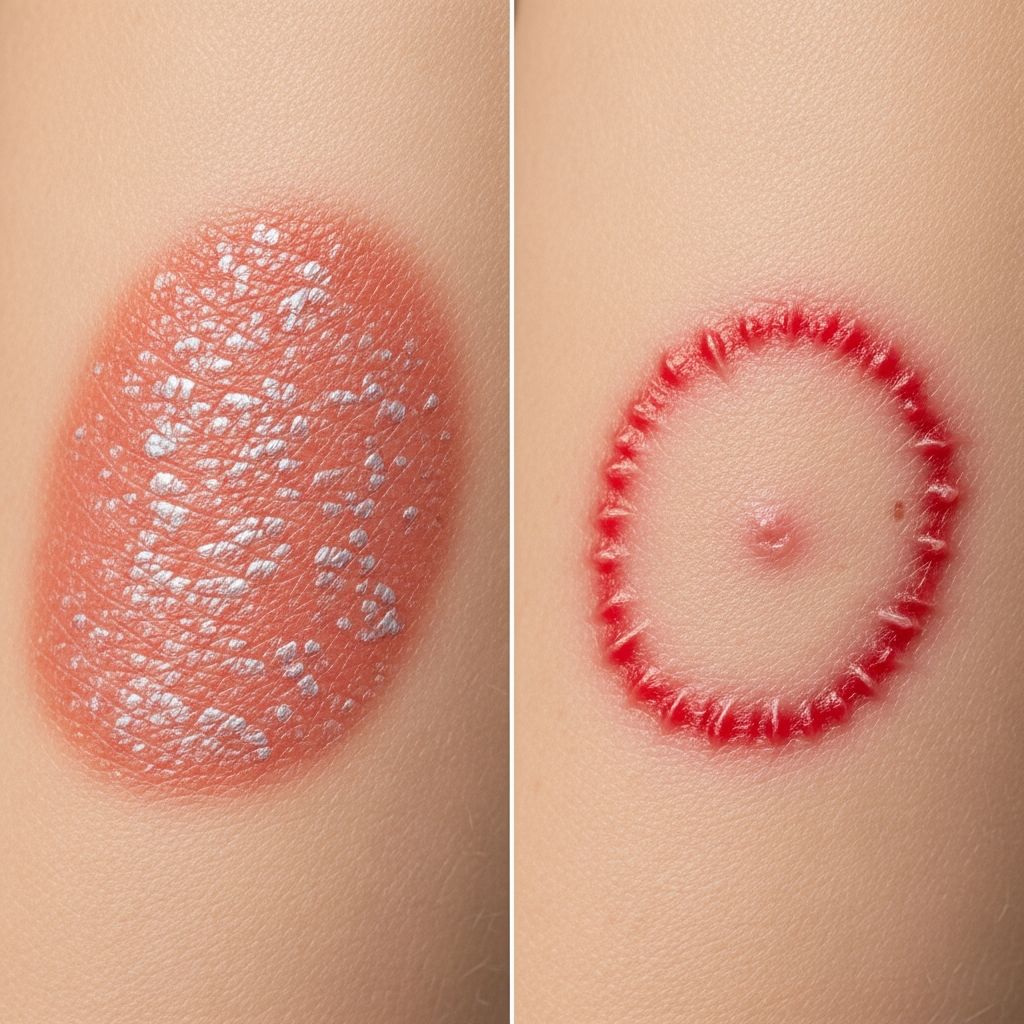
Psoriasis and ringworm are two common skin conditions that can look strikingly similar, often leading to confusion. Both cause red, itchy, scaly patches on the skin, but they have fundamentally different causes, treatments, and implications for health. Psoriasis is a chronic autoimmune disorder where the immune system attacks healthy skin cells, leading to rapid cell turnover and plaque formation. Ringworm, despite its name, is not caused by a worm but by dermatophyte fungi that thrive on the skin’s surface. Understanding these distinctions is crucial for proper diagnosis and management, as misdiagnosis can delay effective treatment.
This comprehensive guide breaks down the similarities and differences, including causes, symptoms across skin tones, diagnostic approaches, treatment options, and prevention strategies. Whether you’re dealing with patches on your scalp, body, or nails, knowing the key identifiers can help you seek the right care promptly.
What Is Psoriasis?
Psoriasis affects millions worldwide and is characterized by the overproduction of skin cells. Normally, skin cells regenerate every 28-30 days, but in psoriasis, this cycle accelerates to just 3-4 days, causing cells to pile up into thick, inflamed plaques. The most common form is plaque psoriasis, which appears as raised, red patches covered with silvery-white scales. It can occur anywhere on the body but often affects elbows, knees, scalp, and lower back.
Psoriasis is not contagious and tends to run in families, pointing to a genetic component. Triggers like stress, infections, or medications can provoke flares. Beyond skin symptoms, it increases risks for psoriatic arthritis, cardiovascular disease, and metabolic syndrome, making long-term management essential.
What Is Ringworm?
Ringworm, or tinea corporis, is a highly contagious fungal infection caused by dermatophytes such as Trichophyton, Microsporum, or Epidermophyton species. These fungi feed on keratin in the skin, hair, and nails, forming distinctive ring-shaped rashes. The infection spreads easily through direct contact with infected people, animals (like cats or dogs), or contaminated surfaces such as towels, gym mats, or locker room floors.
Unlike psoriasis, ringworm is curable with proper treatment but can recur if reinfected. It’s more common in warm, humid environments and among those with weakened immunity, close animal contact, or participation in contact sports. Variants include tinea capitis (scalp), tinea cruris (jock itch), and tinea pedis (athlete’s foot).
Psoriasis vs. Ringworm: Similarities and Differences
At first glance, both conditions present with itchy, scaly rashes that can appear circular, leading many to mistake one for the other. However, closer inspection reveals distinct patterns. Use this comparison table for a quick overview:
| Feature | Psoriasis | Ringworm |
|---|---|---|
| Appearance | Thick plaques with silvery scales covering the entire patch; may be circular but uniform | Ring-shaped with raised, scaly edges and clearer center; scaling mainly at borders |
| Itch Level | Mild to moderate itch, burning, or soreness | Often intense itch |
| Contagious? | No | Yes, highly contagious |
| Body Areas | Widespread: elbows, knees, scalp, nails; can be extensive | Localized: scalp, groin, feet, body; rarely widespread |
| Recurrence | Chronic flares triggered by stress/infections | Recurs with reinfection |
Psoriasis plaques are often raised throughout due to hyperproliferation, while ringworm’s hallmark is the annular (ring-like) pattern with central clearing. Bleeding may occur if psoriasis scales are picked, unlike ringworm.
Symptoms of Psoriasis
- Red or discolored patches: Salmon-pink on lighter skin; purple, brown, or gray on darker tones.
- Silvery-white scales: Dry, flaky buildup that can crack and bleed.
- Itching, burning, or soreness: Especially in flexures or scalp.
- Nail changes: Pitting, ridging, or separation (onycholysis) in 50% of cases.
- Joint pain: In psoriatic arthritis form.
Symptoms wax and wane, with flares lasting weeks to months. Scalp psoriasis mimics severe dandruff, while inverse psoriasis in skin folds appears smoother and redder.
Related Stories



Symptoms of Ringworm
- Circular rash: Raised red edges (red on light skin, brown/gray on dark skin) with clear or scaly center.
- Intense itching: Worsens at night.
- Blisters or pustules: In severe cases, with oozing/crusting.
- Hair loss: Patchy alopecia if on scalp (black dots from broken hairs).
- Overlapping rings: Multiple lesions can merge.
Symptoms progress if untreated, expanding outward. On feet or groin, it may lack the classic ring and present as diffuse scaling.
Causes of Psoriasis vs. Ringworm
Psoriasis Causes: Primarily genetic (10-11 psoriasis susceptibility loci identified) combined with immune dysregulation. T-cells mistakenly attack skin, releasing cytokines like TNF-alpha that drive inflammation. Triggers include streptococcal infections, beta-blockers, smoking, obesity, and stress.
Ringworm Causes: Fungal invasion by dermatophytes. Risk factors: humidity, immunosuppression (HIV, chemotherapy), animal exposure, and sharing personal items. Not hereditary.
Risk Factors
- Psoriasis: Family history (30% inheritance risk), obesity, smoking, alcohol use.
- Ringworm: Warm climates, crowded living, pets, athletic activities.
Diagnosis: Psoriasis vs. Ringworm
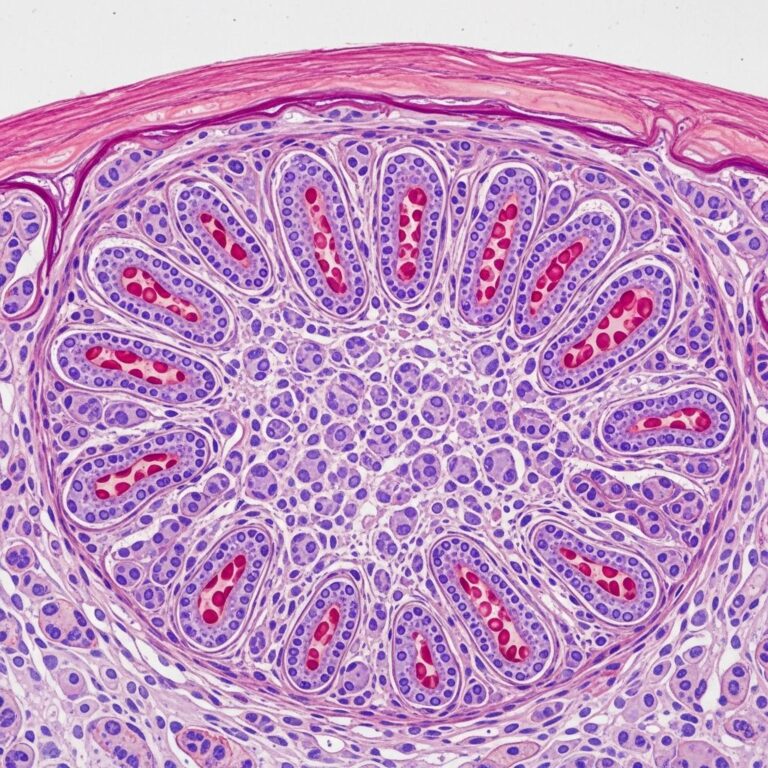
Diagnosis starts with visual exam by a dermatologist. For psoriasis, clinical pattern suffices, but biopsy shows parakeratosis and Munro microabscesses. Ringworm may involve KOH prep (fungal elements under microscope) or Wood’s lamp (fluorescence in Microsporum). Culture confirms species if needed. Biopsy differentiates if ambiguous—psoriasis lacks hyphae.
Treatment for Psoriasis
No cure, but management reduces symptoms:
- Topicals: Corticosteroids (hydrocortisone), vitamin D analogs (calcipotriene), retinoids, calcineurin inhibitors.
- Phototherapy: UVB narrowband for moderate cases.
- Systemics: Methotrexate, cyclosporine, biologics (anti-IL17/23 like secukinumab).
- Lifestyle: Moisturize, avoid triggers, manage weight.
Severity guides choice: mild (topicals), moderate-severe (systemics).
Treatment for Ringworm
Antifungals eradicate infection:
- Topicals: Clotrimazole, terbinafine (Lamisil) cream for 2-4 weeks.
- Oral: Griseofulvin, fluconazole, terbinafine for scalp/nail involvement (4-8 weeks).
- Shampoos: Ketoconazole for tinea capitis.
Keep area dry/clean; treat pets if source.
When to See a Doctor
Seek care for persistent rashes, spreading lesions, fever, nail changes, or scalp involvement. Early intervention prevents complications like secondary bacterial infection in ringworm or joint damage in psoriasis.
Prevention Tips
- Psoriasis: Stress reduction, healthy diet, no smoking.
- Ringworm: Shower after sweating, dry thoroughly, avoid sharing items, treat pet infections.
Frequently Asked Questions (FAQs)
Can psoriasis be mistaken for ringworm?
Yes, both cause scaly patches, but psoriasis plaques are thicker with uniform scaling, while ringworm has ring edges and central clearing. A dermatologist can differentiate via exam or KOH test.
Is ringworm contagious to others?
Highly—avoid contact until treated. Wash hands, bedding, and disinfect surfaces.
Does psoriasis go away on its own?
Flares may remit, but it’s chronic. Consistent treatment prevents recurrence.
How long does ringworm treatment take?
Topicals: 2-4 weeks; orals for scalp: 4-8 weeks. Continue full course to avoid resistance.
Can psoriasis affect nails?
Yes, causing pitting/oil spots; ringworm rarely does unless tinea unguium.
References
- Psoriasis Clinical Guideline — American Academy of Dermatology. 2024-01-15. https://www.aad.org/member/clinical-quality/guidelines/psoriasis
- Dermatophyte Infections — Centers for Disease Control and Prevention (CDC). 2025-03-10. https://www.cdc.gov/fungal/diseases/ringworm/index.html
- Psoriasis Pathogenesis and Treatment — National Psoriasis Foundation. 2024-07-22. https://www.psoriasis.org/advance/psoriasis-pathogenesis/
- Tinea Infections: Diagnosis and Management — UpToDate (Wolters Kluwer). 2025-11-05. https://www.uptodate.com/contents/tinea-infections-of-the-skin
- Guidelines of Care for Psoriasis — Journal of the American Academy of Dermatology. 2023-05-18. https://www.jaad.org/article/S0190-9622(23)00447-0/fulltext
Similar Articles








Read full bio of medha deb