Psoriatic Arthritis Back Pain: Symptoms, Causes, Expert Guide
Understand how psoriatic arthritis causes back pain, recognize symptoms, and explore effective treatments for relief and management.
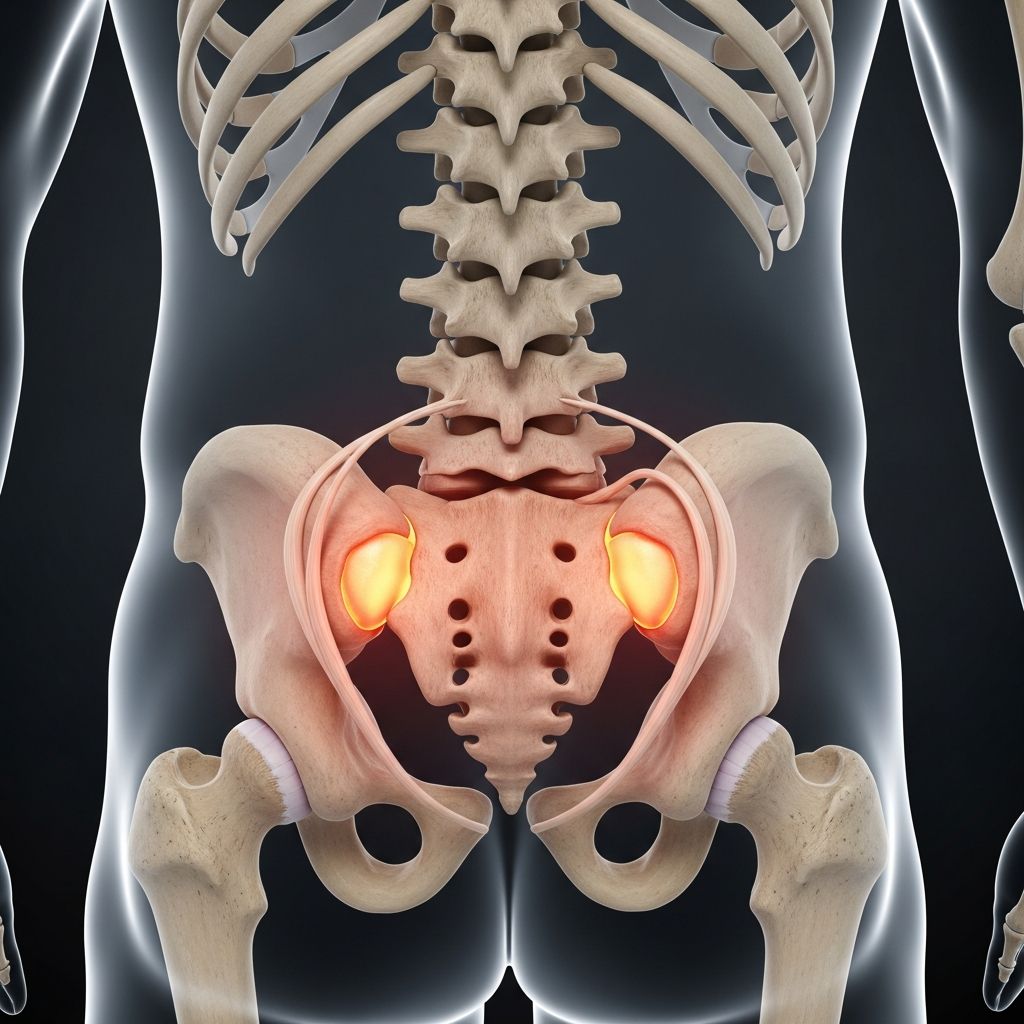
Psoriatic arthritis (PsA) is an autoimmune condition that affects up to 30% of people with psoriasis, often leading to joint inflammation including the spine, causing back pain known as axial PsA. This inflammatory back pain differs from mechanical pain and impacts 25-70% of PsA patients, requiring specific diagnosis and management to prevent joint damage.
What Is Psoriatic Arthritis?
Psoriatic arthritis develops when the immune system attacks healthy joint tissues in individuals with psoriasis, a skin condition characterized by red, scaly patches. Affecting about 20% of psoriasis patients, typically between ages 30-55, PsA causes swelling, stiffness, and pain in joints like fingers, knees, ankles, and the spine. Unlike typical psoriasis, PsA can occur without prominent skin symptoms, but back pain often signals spinal involvement called spondylitis or axial PsA.
The inflammation targets entheses (where tendons attach to bones) and synovial joints, leading to progressive damage if untreated. Early recognition is crucial as axial symptoms like back pain can precede other signs.
Why Does Psoriatic Arthritis Cause Back Pain?
PsA triggers an autoimmune response that inflames the small joints between vertebrae (spondylitis) or sacroiliac (SI) joints connecting the spine to the pelvis (sacroiliitis), occurring in 25-50% of cases. This inflammation irritates pain receptors, causing chronic pain that worsens at night and improves with movement, unlike mechanical back pain from strain.
Axial PsA, present in 25-70% of patients, involves the cervical, thoracic, or lumbar spine and can lead to stiffness and reduced mobility. Genetic factors like the HLA-B27 gene, found in 20% of spinal PsA cases, increase susceptibility, though less common than in ankylosing spondylitis (AS). Uncontrolled inflammation risks permanent structural changes, emphasizing prompt treatment.
Symptoms of Back Pain from Psoriatic Arthritis
PsA-related back pain typically has a gradual onset, improves with exercise, and intensifies at night, especially the second half. Common locations include the lower back, neck, and SI joints, often accompanied by morning stiffness lasting over 30 minutes that doesn’t ease with rest.
- Gradual onset over days, not sudden like injury-related pain.
- Night pain waking patients, alternating buttock pain.
- Morning stiffness improving with activity.
- Flare-ups lasting days to weeks, with peripheral joint pain in hands/feet.
- Associated symptoms: enthesitis (e.g., Achilles), swollen fingers/toes (dactylitis), nail changes.
These differ from mechanical pain, which improves with rest and lacks systemic inflammation.
How to Tell If Back Pain Is from Psoriatic Arthritis
Differentiating inflammatory from mechanical back pain involves clinical history: PsA pain starts before age 45 in many, links to psoriasis family history, and affects multiple joints. Inflammatory back pain criteria include chronic duration (≥3 months), no rest improvement, and exercise relief.
Related Stories



Doctors assess for psoriasis, dactylitis, enthesitis, or HLA-B27 (though more indicative of AS). Imaging like X-rays or MRI detects sacroiliitis or spinal changes; MRI is sensitive for early inflammation. Axial symptoms warrant rheumatologist evaluation to rule out AS or other spondyloarthropathies.
Other Possible Causes of Back Pain in PsA Patients
While axial involvement is common, PsA patients may experience mechanical pain from poor posture, obesity, or fibromyalgia. Comorbidities like AS (sharing HLA-B27) or osteoarthritis can mimic or coexist. Hip pain may be confused with lumbar issues. Comprehensive evaluation distinguishes these for targeted therapy.
Treatment Options for Psoriatic Arthritis Back Pain
Treatment aims to reduce inflammation, relieve pain, and preserve function using a stepwise approach. No cure exists, but early intervention prevents damage.
Medications
- NSAIDs (e.g., ibuprofen) for mild pain and stiffness.
- DMARDs like methotrexate for peripheral and axial control.
- Biologics: TNF inhibitors (etanercept), IL-17 inhibitors (secukinumab) effective for axial PsA.
- JAK inhibitors (tofacitinib) for refractory cases.
- Steroid injections for localized SI joint inflammation.
Non-Drug Therapies
- Physical therapy: Exercises to improve mobility and strength.
- Exercise: Swimming, yoga for spinal flexibility.
- Heat/cold therapy and posture correction.
| Treatment Type | Examples | Best For |
|---|---|---|
| Over-the-Counter | NSAIDs, acetaminophen | Mild flares |
| Advanced Meds | Biologics, DMARDs | Axial involvement |
| Lifestyle | PT, exercise | Long-term management |
Lifestyle Changes to Manage Back Pain
Regular low-impact exercise like walking or tai chi reduces stiffness; maintaining healthy weight lessens spinal load. Good sleep posture, ergonomic adjustments, and stress management via mindfulness prevent flares. Smoking cessation is vital as it worsens PsA progression.
Outlook for Psoriatic Arthritis and Back Pain
With treatment, most achieve symptom control and halt progression; biologics have improved axial PsA outcomes significantly. Untreated, it risks fusion (ankylosis) and disability. Regular monitoring ensures optimal management, with many maintaining active lives.
Frequently Asked Questions (FAQs)
Q: How common is back pain in psoriatic arthritis?
A: Back pain affects 25-70% of PsA patients due to axial involvement.
Q: Can back pain be an early sign of PsA?
A: Yes, chronic inflammatory back pain can precede other symptoms, especially before age 45.
Q: Are X-rays sufficient to diagnose spinal PsA?
A: X-rays show changes, but MRI detects early inflammation better.
Q: Does PsA back pain improve with rest?
A: No, it worsens with rest and improves with exercise, unlike mechanical pain.
Q: What if I have psoriasis and new back pain?
A: Consult a rheumatologist promptly for axial PsA evaluation.
References
- Psoriatic Arthritis Back Pain: Causes and Treatment — Healthline. 2024-02-06. https://www.healthline.com/health/psoriatic-arthritis/psoriatic-arthritis-back-pain
- Areas of the body (back pain) — MyPsoriaticArthritis.org.au. N/A. https://mypsoriaticarthritis.org.au/article/your-psa-ways-psa-affects-you/areas-body-back-pain
- Managing Psoriatic Arthritis Patients Presenting with Axial Symptoms — PMC (NCBI). 2023. https://pmc.ncbi.nlm.nih.gov/articles/PMC10126028/
- Psoriatic arthritis – Symptoms & causes — Mayo Clinic. N/A. https://www.mayoclinic.org/diseases-conditions/psoriatic-arthritis/symptoms-causes/syc-20354076
- Psoriatic arthritis — Arthritis UK. N/A. https://www.arthritis-uk.org/information-and-support/understanding-arthritis/conditions/psoriatic-arthritis/
- Psoriatic Arthritis: Symptoms and Treatments — Cleveland Clinic. N/A. https://my.clevelandclinic.org/health/diseases/13286-psoriatic-arthritis
Similar Articles








Read full bio of Sneha Tete