Psoriatic Arthritis Comorbidities: 7 Key Risks And Management
Understand and manage common comorbidities in psoriatic arthritis to improve health outcomes and treatment effectiveness.

Psoriatic arthritis (PsA) is an inflammatory condition that extends beyond joints, often accompanied by multiple comorbidities that impact quality of life, treatment response, and overall health. More than half of people with PsA have at least one comorbidity, with 40% affected by three or more, raising risks for cardiovascular disease (CVD), reduced function, and higher healthcare costs.
Common Comorbidities Associated with Psoriatic Arthritis
Patients with PsA face a higher burden of cardiometabolic, autoimmune, and other conditions compared to the general population. A systematic review and meta-analysis identified hypertension as the most prevalent (pooled prevalence 34%), followed by metabolic syndrome (29%), obesity (27%), hyperlipidemia (24%), and any CVD (19%). These were consistently higher in PsA than controls.
Other frequently reported comorbidities include diabetes mellitus, osteoporosis, inflammatory bowel disease (IBD), autoimmune eye diseases, non-alcoholic fatty liver disease (NAFLD), depression, anxiety, and fibromyalgia. A large U.S. claims study of 14,898 PsA patients versus 35,037 controls showed elevated incidence rates for CV disorders (HR 1.46), autoimmune diseases (HR 18.26), diabetes, obesity, uveitis, and more.
- Cardiometabolic Disorders: Obesity, diabetes, metabolic syndrome, hypertension, hyperlipidemia, NAFLD – all linked to chronic inflammation and sedentary lifestyle.
- Cardiovascular Diseases: Coronary artery disease, cerebrovascular disease, peripheral vascular disease – PsA patients have 20-30% higher incidence.
- Autoimmune Conditions: Psoriasis (often preceding), ankylosing spondylitis, rheumatoid arthritis, IBD (Crohn’s, ulcerative colitis), multiple sclerosis.
- Musculoskeletal: Osteoporosis, fibromyalgia, gout.
- Mental Health: Depression (22.2%), anxiety (36.6%).
- Ocular: Uveitis, other autoimmune eye diseases.
- Other: Liver disease (38% higher risk in PsA), eczema, fatigue, smoking-related issues.
Cardiovascular Disease in PsA
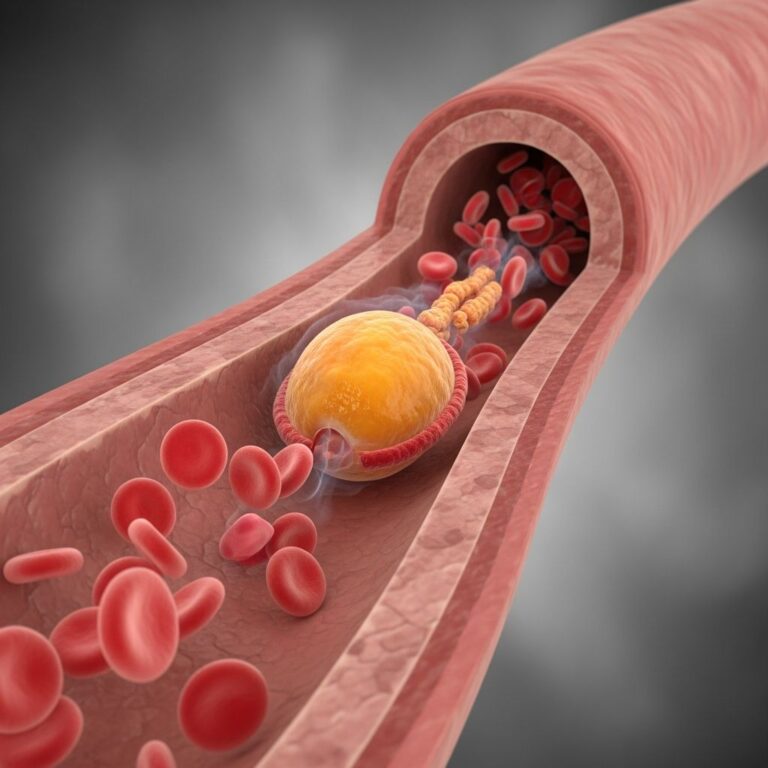
Cardiovascular disease tops the list of PsA comorbidities, with research confirming higher prevalence due to disease-specific factors like chronic systemic inflammation, beyond just obesity or steroid use. A meta-analysis reported 43% increased risk of CV diseases, 22% for cerebrovascular, and 31% for heart failure. PsA patients had higher incidence rates for hypertension, hyperlipidemia, coronary artery disease, and more (6.5 vs. 5.8 per 1000 person-years).
Guidelines strongly recommend screening all PsA patients for CVD, as it drives morbidity and mortality. Shared inflammatory pathways accelerate atherosclerosis, with metabolic syndrome independently linked to greater carotid intima-media thickness.
Metabolic Comorbidities of Psoriatic Arthritis
Metabolic issues are rampant in PsA, with over half developing obesity, diabetes, metabolic syndrome, or NAFLD, all elevating CVD risk. These conditions complicate PsA management, leading to poorer quality of life and early death.
| Comorbidity | Pooled Prevalence in PsA | Risk vs. Controls |
|---|---|---|
| Hypertension | 34% | Higher |
| Metabolic Syndrome | 29% | Higher |
| Obesity | 27% | Higher |
| Hyperlipidemia | 24% | Higher |
| Diabetes | Variable | Significantly associated |
PsA patients exhibit insulin resistance and higher BMI, with metabolic syndrome severity correlating to PsA disease activity. Weight management is crucial, as obesity worsens joint damage and treatment response.
Autoimmune and Inflammatory Comorbidities
PsA shares immune pathways with other autoimmune diseases. Uveitis is the most common ocular issue, often preceding PsA diagnosis and persisting despite treatment. IBD affects 6-42% of psoriasis patients with PsA overlap. Autoimmune risks are dramatically higher (HR 18.26), including ankylosing spondylitis and rheumatoid arthritis.
Liver disease risk is 38% higher in PsA, potentially from NAFLD or treatment effects. Osteoporosis arises from inflammation-induced bone loss and reduced activity.
Related Stories



Mental Health and Quality of Life Impact
Comorbidities exacerbate PsA’s toll, with five studies showing comorbid patients have more severe disease, poorer quality of life, and higher treatment discontinuation. Depression and anxiety prevalence is elevated, compounded by chronic pain and fatigue.
Higher all-cause hospitalization (24.9% vs. 16.2%) and CV-related admissions underscore the burden.
Guidelines for Managing Comorbidities in PsA
Updated guidelines emphasize holistic care. Key recommendations:
- CVD Screening: Annual assessment for all PsA patients, including lipid profiles, blood pressure, and risk calculators adjusted for inflammation.
- Metabolic Monitoring: BMI, fasting glucose, liver enzymes; promote weight loss and exercise.
- Ocular Exams: Routine screening for uveitis, especially if eye symptoms present.
- Bone Health: DEXA scans for osteoporosis risk, consider bisphosphonates if needed.
- Mental Health: Screen for depression/anxiety; integrate psychological support.
- Treatment Considerations: Choose PsA therapies mindful of comorbidities (e.g., avoid steroids for CVD risk).
Dr. Husni notes disease-specific CVD risks necessitate proactive management. Comorbidities influence drug choices, as they can be contraindications or affect efficacy.
Treatment Implications and Multidisciplinary Care
Comorbidities predict worse longitudinal outcomes, including treatment response and work productivity. A comorbidity index aids in stratifying patients for aggressive therapy. Multidisciplinary teams – rheumatologists, cardiologists, endocrinologists, psychologists – optimize outcomes.
Lifestyle interventions (diet, exercise) mitigate metabolic risks, enhancing DMARD/biologic effectiveness. Early comorbidity detection prevents complications.
Frequently Asked Questions (FAQs)
What are the most common comorbidities in PsA?
The most prevalent are hypertension (34%), metabolic syndrome (29%), obesity (27%), hyperlipidemia (24%), and CVD (19%).
Why is CVD risk higher in PsA patients?
Chronic inflammation accelerates atherosclerosis, independent of traditional risks like obesity.
How do comorbidities affect PsA treatment?
They lead to more severe disease, poorer quality of life, higher discontinuation rates, and complicate medication choices.
Should all PsA patients be screened for comorbidities?
Yes, guidelines recommend routine screening for CVD, metabolic issues, eye problems, and others.
Can lifestyle changes help manage PsA comorbidities?
Absolutely – weight loss, exercise, and smoking cessation reduce metabolic and CV risks, improving PsA control.
Conclusion
Managing comorbidities is integral to PsA care, demanding vigilant screening, lifestyle optimization, and tailored treatments. By addressing these interconnected conditions, patients can achieve better disease control and longevity.
References
- Comorbidities in psoriatic arthritis: a systematic review and meta-analysis — Ogdie A, et al. Rheumatology (Oxford). 2021-01-21. https://pmc.ncbi.nlm.nih.gov/articles/PMC7835184/
- Comorbidities in Patients with Psoriatic Arthritis — Eviatar T, et al. Rambam Maimonides Med J. 2022-10-01. https://www.rmmj.org.il/issues/32/articles/647
- Higher Incidence Rates of Comorbidities in Patients with Psoriatic Arthritis — Wu JJ, et al. J Manag Care Popul Health. 2018-05-01. https://www.jmcp.org/doi/10.18553/jmcp.2018.17421
- Metabolic Comorbidities of Psoriatic Arthritis — Arthritis Foundation. 2023-01-01. https://www.arthritis.org/health-wellness/about-arthritis/related-conditions/other-diseases/metabolic-comorbidities-of-psoriatic-arthritis
- Psoriatic Arthritis Guidelines for Managing Comorbidities — Arthritis Foundation. 2023-01-01. https://www.arthritis.org/health-wellness/about-arthritis/related-conditions/other-diseases/psoriatic-arthritis-comorbidties
Similar Articles








Read full bio of Sneha Tete