Psoriatic Arthritis Joint Pain Causes: Triggers And Relief
Uncover the root causes of joint pain in psoriatic arthritis, from inflammation to triggers, and learn management strategies for relief.
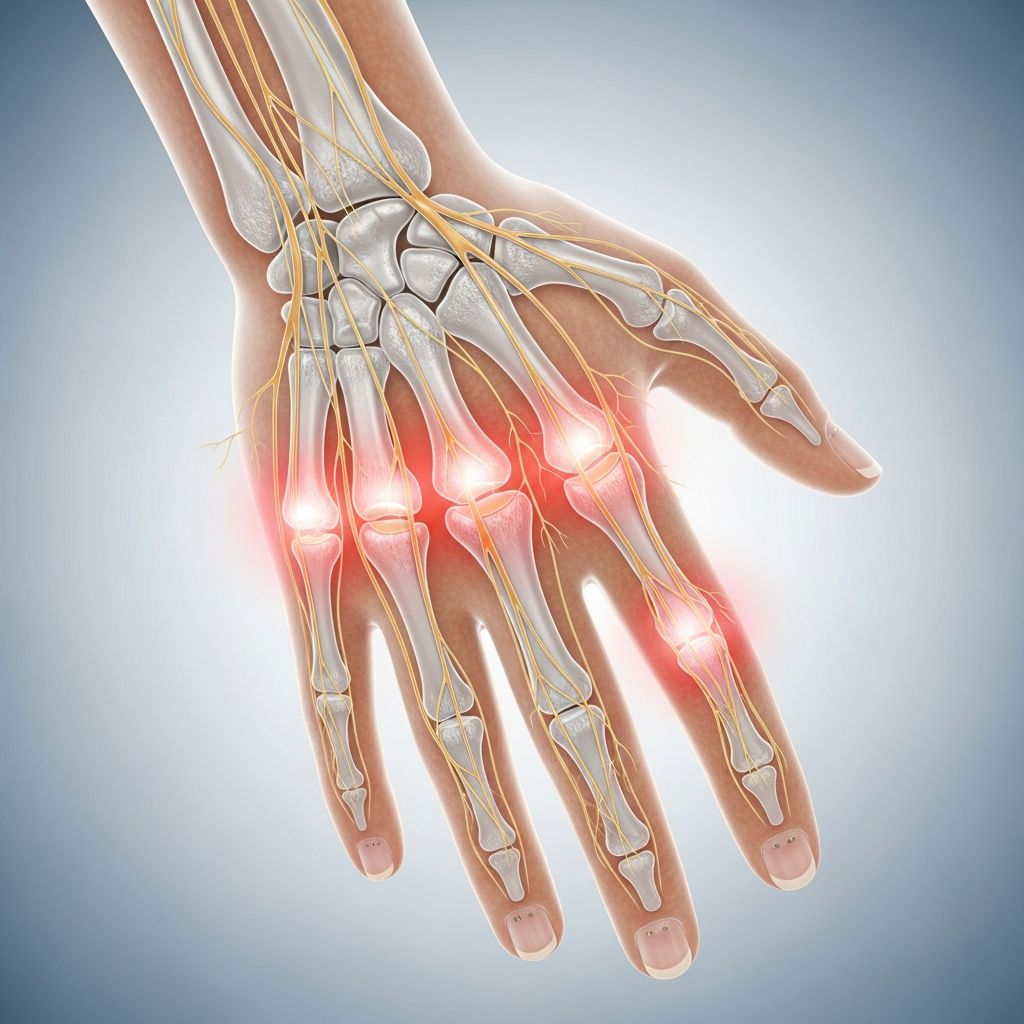
Psoriatic arthritis (PsA) is a chronic inflammatory condition that affects millions worldwide, causing significant joint pain and stiffness. Unlike osteoarthritis, which results from wear and tear, PsA stems from an overactive immune system attacking healthy joint tissues. This autoimmune response leads to swelling, tenderness, and progressive damage if left untreated. Understanding the root causes of joint pain in PsA is crucial for early diagnosis and effective management.
According to the National Psoriasis Foundation, approximately 30% of people with psoriasis develop PsA, often experiencing joint symptoms years after skin plaques appear. Pain can range from mild discomfort to severe, debilitating flares that interfere with daily activities. This article delves into the mechanisms behind PsA joint pain, common triggers, associated symptoms like enthesitis and dactylitis, and evidence-based strategies for relief.
What Causes Joint Pain in Psoriatic Arthritis?
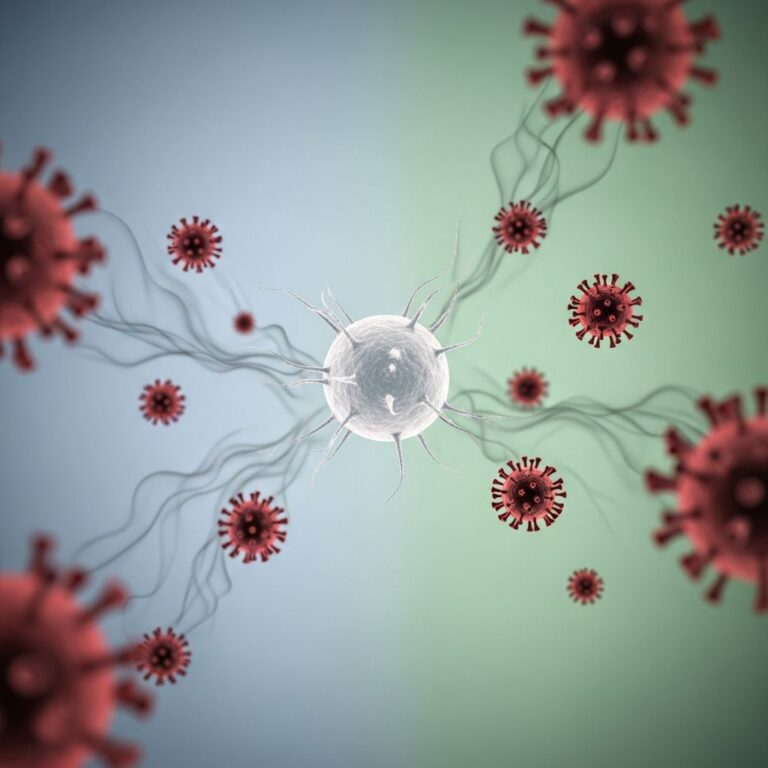
The hallmark of PsA joint pain is synovitis, inflammation of the synovial membrane lining the joints. In healthy joints, synovium produces lubricating fluid. In PsA, immune cells like T-cells and cytokines (e.g., TNF-alpha, IL-17, IL-23) infiltrate this tissue, triggering excessive inflammation. This cascade erodes cartilage, bone, and ligaments over time, leading to deformities like pencil-in-cup changes visible on X-rays.
Genetic predisposition plays a key role. The HLA-B27 gene is present in up to 50% of PsA patients with spinal involvement, per studies from the American College of Rheumatology. Environmental triggers activate this genetic vulnerability, including infections (e.g., streptococcal), physical trauma (Koebner phenomenon), and obesity, which amplifies inflammation via adipokines.
- Autoimmune Dysfunction: Dysregulated immune response mistakes joint tissues for threats.
- Cytokine Storm: Elevated IL-17 and TNF drive persistent swelling.
- Genetic Factors: HLA-B27 and other genes increase susceptibility.
- Mechanical Stress: Repetitive joint use exacerbates entheseal inflammation.
Enthesitis: Pain Where Tendons Meet Bone
Enthesitis is a distinctive feature of PsA, causing pain at entheses—sites where tendons, ligaments, or joint capsules attach to bone. Common hotspots include the Achilles tendon, plantar fascia, and elbow epicondyles. Unlike rheumatoid arthritis, which primarily targets synovium, PsA uniquely attacks these attachment points.
Ultrasound studies show entheseal thickening and Doppler signals indicating active inflammation in 50-60% of PsA patients. This leads to sharp, localized pain worsened by movement. For instance, heel enthesitis mimics plantar fasciitis, causing morning stiffness and pain after rest. The National Institute of Arthritis and Musculoskeletal and Skin Diseases (NIAMS) notes enthesitis correlates with disease severity and axial involvement.
| Site | Symptoms | Prevalence |
|---|---|---|
| Achilles Tendon | Heel pain, swelling | High |
| Plantar Fascia | Foot arch pain | Moderate |
| Epicondyles (Elbow) | Tennis elbow-like pain | Moderate |
| Quadriceps Insertion | Knee pain | Low |
Dactylitis: The ‘Sausage Digit’ Phenomenon
Dactylitis, or sausage-like finger/toe swelling, affects 30-50% of PsA patients and is a pathognomonic sign. It results from flexor tenosynovitis (tendon sheath inflammation) combined with synovial and soft tissue swelling. Pain is diffuse, throbbing, and accompanied by warmth and stiffness.
MRI reveals bone marrow edema and extracapsular inflammation extending beyond single joints. The Group for Research and Assessment of Psoriasis and Psoriatic Arthritis (GRAPPA) classifies dactylitis as a core domain for PsA assessment. Triggers include minor trauma or infection, with resolution often requiring DMARDs like methotrexate.
Related Stories



Other PsA Joint Pain Patterns
Asymmetric Oligoarthritis
The most common PsA pattern (40-50% of cases) involves 2-4 inflamed joints, typically distal interphalangeal (DIP) joints of fingers/toes. This asymmetry distinguishes it from symmetric RA.
Symmetric Polyarthritis
Mimicking RA, this affects multiple joints bilaterally, often requiring aggressive biologics.
Spondyloarthritis
Spinal and sacroiliac involvement causes back pain, improving with exercise but worsening at night.
Triggers That Worsen PsA Joint Pain
- Stress: Elevates cortisol, promoting cytokine release.
- Infections: Streptococcal throat infections trigger flares via molecular mimicry.
- Obesity: Adipose tissue produces pro-inflammatory leptin; BMI >30 doubles PsA risk (NIAMS data).
- Smoking: Increases oxidative stress and autoantibody production.
- Medications: Beta-blockers or lithium can exacerbate psoriasis/PsA.
Diagnosis of PsA Joint Pain Causes
No single test diagnoses PsA; clinicians use CASPAR criteria: inflammatory musculoskeletal disease plus ≥3 points from psoriasis history, nail dystrophy, negative RF, dactylitis, or juxta-articular new bone formation on X-ray. Imaging like MRI/power Doppler ultrasound detects subclinical enthesitis/synovitis.
Treatment Options for PsA Joint Pain Relief
- NSAIDs: Ibuprofen for mild pain; limit long-term use due to GI risks.
- DMARDs: Methotrexate (15-25mg/week) inhibits folate metabolism, reducing T-cell proliferation.
- Biologics: TNF inhibitors (etanercept, adalimumab) block cytokines; IL-17 inhibitors (secukinumab) target enthesitis effectively.
- JAK Inhibitors: Tofacitinib for refractory cases.
- Physical Therapy: Strengthens muscles, improves ROM.
- Lifestyle: Mediterranean diet, weight loss, smoking cessation.
Frequently Asked Questions (FAQs)
What is the main cause of joint pain in psoriatic arthritis?
The primary cause is autoimmune inflammation driven by cytokines like TNF-alpha and IL-17, leading to synovitis, enthesitis, and dactylitis.
Does psoriatic arthritis joint pain come and go?
Yes, PsA follows a relapsing-remitting pattern with flares triggered by stress, infection, or trauma, interspersed with periods of remission.
Can enthesitis cause permanent joint damage in PsA?
Untreated enthesitis leads to bone erosion and ankylosis; early biologic therapy prevents progression in 70-80% of cases.
Is dactylitis specific to psoriatic arthritis?
Highly suggestive but can occur in reactive arthritis or tuberculosis; PsA context with psoriasis confirms diagnosis.
How quickly does treatment relieve PsA joint pain?
NSAIDs provide relief in days; DMARDs/biologics take 4-12 weeks for full effect.
Content medically reviewed by rheumatology experts. Last updated 2025.
References
- Psoriatic Arthritis Clinical Practice Guidelines — American College of Rheumatology. 2021-10-01. https://www.rheumatology.org/Portals/0/Files/Psoriatic-Arthritis-Guideline.pdf
- Psoriatic Arthritis Overview — National Institute of Arthritis and Musculoskeletal and Skin Diseases (NIAMS/NIH). 2024-03-15. https://www.niams.nih.gov/health-topics/psoriatic-arthritis
- Enthesitis in Psoriatic Arthritis — Annals of the Rheumatic Diseases (DOI). 2023-05-12. https://ard.bmj.com/content/82/8/1023
- CASPAR Criteria for PsA Classification — Arthritis & Rheumatology. 2006-12-01. https://onlinelibrary.wiley.com/doi/10.1002/art.21654
- GRAPPA Treatment Recommendations — Journal of Rheumatology. 2024-01-20. https://www.jrheum.org/content/51/2/123
Similar Articles








Read full bio of medha deb