Psoriatic Arthritis Nails: 9 Symptoms, Causes & Treatments
Understand how psoriatic arthritis impacts nails, recognize symptoms like pitting and separation, and discover effective treatments and home care strategies.
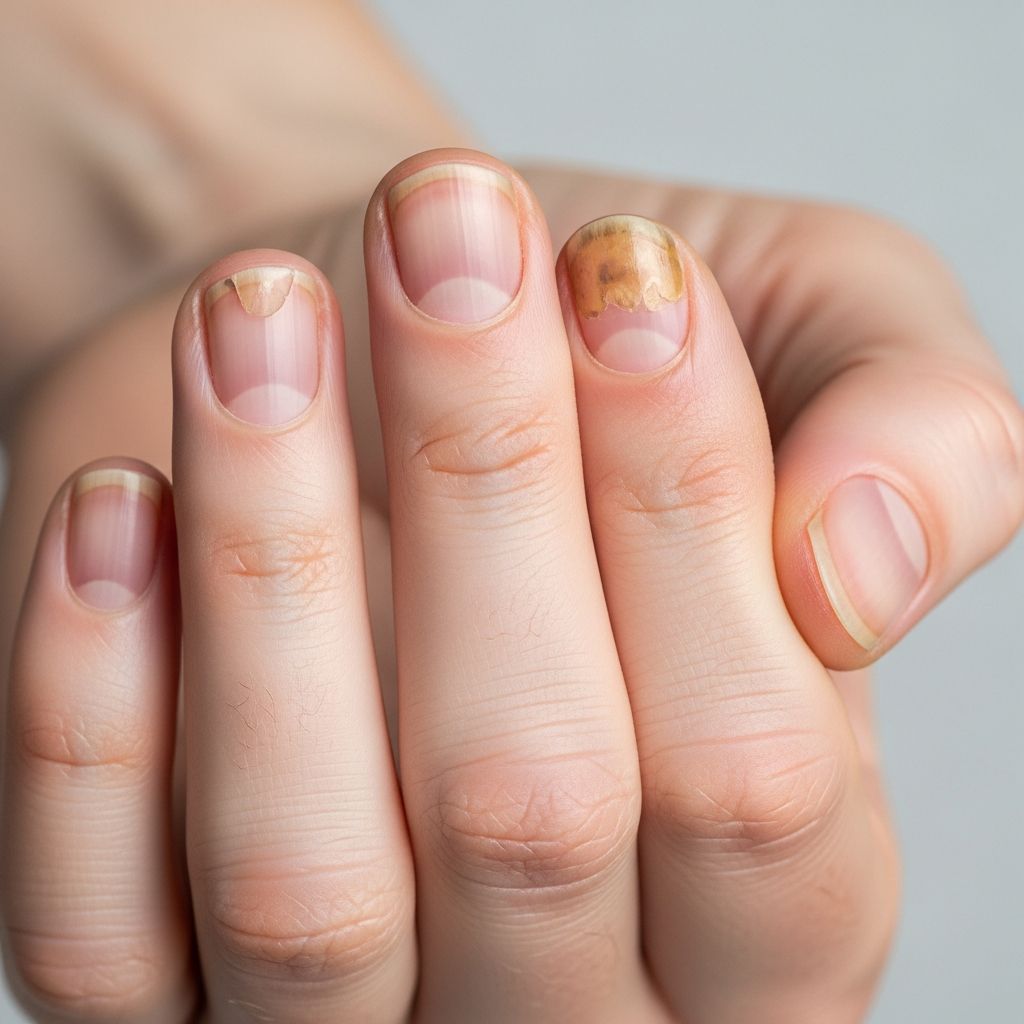
Psoriatic arthritis (PsA) is an inflammatory condition that not only targets joints but also frequently manifests in nail changes, affecting up to 80% of patients. These alterations, ranging from pitting and onycholysis to ridges and discoloration, can serve as early indicators of PsA and impact daily life by causing discomfort and aesthetic concerns. Recognizing these signs is crucial for timely intervention, as nail involvement often correlates with more severe joint disease. This comprehensive guide delves into how PsA affects nails, explores underlying causes, outlines treatment options, and provides practical home care strategies to manage symptoms effectively.
What Is Psoriatic Arthritis?
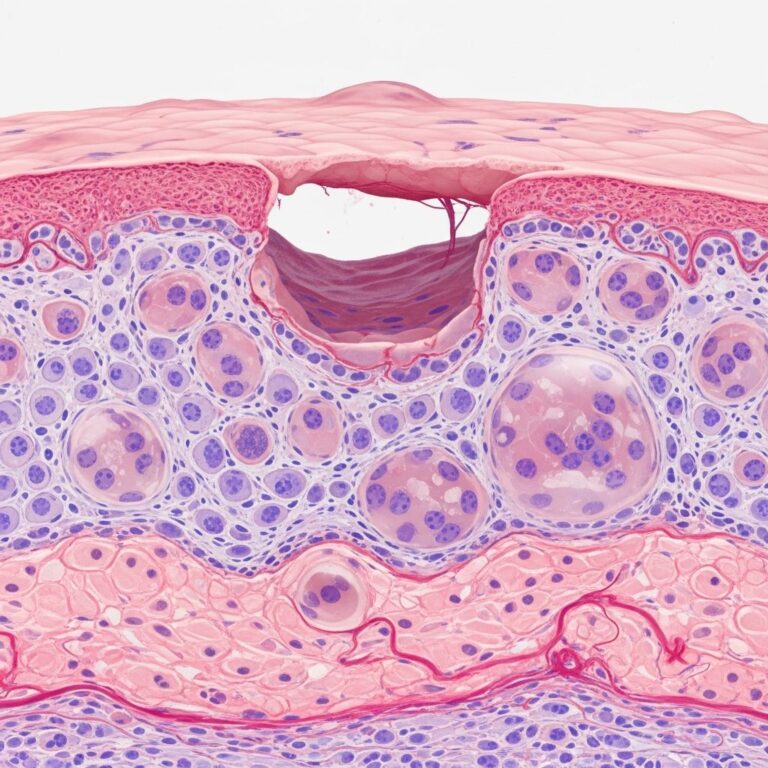
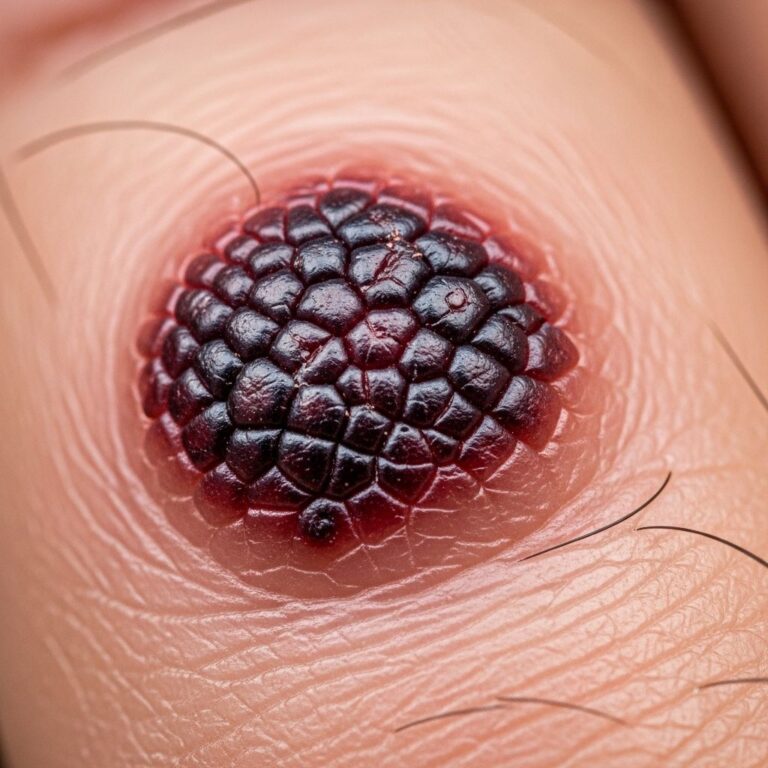
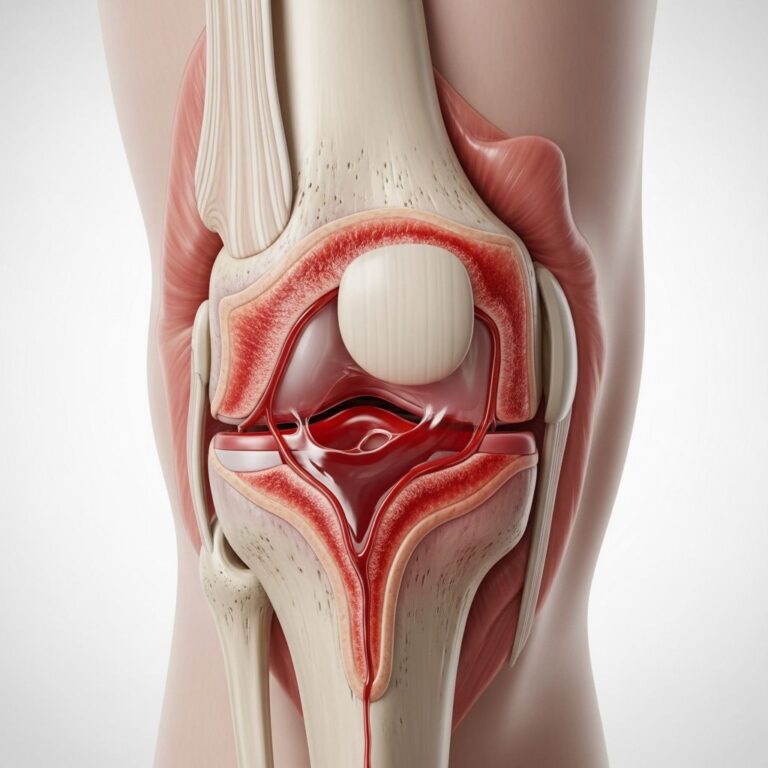
Psoriatic arthritis (PsA) is a chronic autoimmune disease that combines the joint inflammation characteristic of arthritis with the skin plaques of psoriasis. It develops in approximately 30% of individuals with psoriasis, according to the National Psoriasis Foundation. PsA can vary in severity, from mild involvement of a few joints to aggressive, multi-joint disease that leads to joint damage if untreated. The condition arises from an overactive immune response that attacks healthy tissues, including joints, skin, and nails.
Symptoms often include joint pain, stiffness, swelling, and fatigue, but nail changes are a hallmark feature. In fact, fingernail psoriasis is frequently an early warning sign of PsA. A 2017 research review highlighted that about 80% of people with PsA exhibit nail lesions, making nail health a key diagnostic and monitoring tool for rheumatologists. Genetic factors, such as human leukocyte antigens (HLA), play a role, alongside environmental triggers like infections or trauma.
How Psoriatic Arthritis Affects Nails
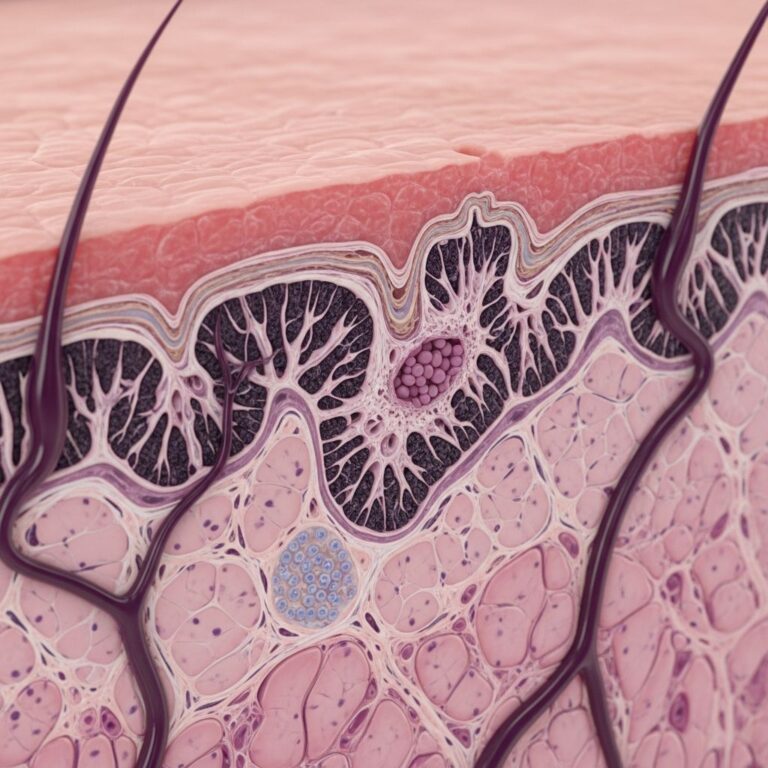
PsA impacts nails through inflammation in the nail matrix (where new nail cells form) and nail bed, leading to a spectrum of visible and tactile changes. These symptoms result from abnormal keratinocyte proliferation, vascular changes, and immune-mediated damage. Common manifestations include:
- Nail Pitting: Small, pinpoint depressions form due to irregular cell growth in the nail matrix. These pits occur when parakeratotic cells fail to mature properly, leaving craters as the nail grows. Pitting is one of the most prevalent signs, affecting up to 50% of PsA patients, and nails may feel bumpy.
- Onycholysis (Nail Separation): The nail plate lifts from the bed, creating air-filled pockets that appear white or clear. This separation often starts at the tip and progresses proximally, increasing infection risk.
- White Spots or Leukonychia: These arise from trauma or psoriatic lesions in the nail matrix, typically appearing in the central nail area. They differ from trauma-induced spots by their multiplicity and distribution.
- Discoloration (Oil Drop or Salmon Patches): Yellowish-red or brown stains under the nail resemble oil droplets, caused by psoriatic infiltration of the nail bed.
- Red Spots in Lunula: Erythema in the half-moon area at the nail base signals capillary proliferation, potentially indicating active disease.
- Flaking or Onychomadesis: Nails crumble or shed layers due to excessive skin cell buildup and inflammation.
- Vertical Ridges (Onychorrhexis): Raised lines run from cuticle to tip, stemming from matrix lesions.
- Splinter Hemorrhages: Tiny purple-black spots along ridges from ruptured blood vessels in nail splits.
- Infections: Cracks invite bacterial (paronychia) or fungal invasions, worsening appearance and pain.
These changes predominantly affect fingernails but can involve toenails too. Severity often mirrors PsA activity; extensive nail psoriasis predicts poorer joint outcomes. Differential diagnosis rules out fungal infections, lichen planus, or alopecia areata, often requiring nail clippings for microscopy or biopsy.
Symptoms of Nail Psoriasis in Psoriatic Arthritis
Nail psoriasis symptoms in PsA extend beyond cosmetics, causing pain, tenderness, and functional impairment. A Nail Psoriasis Severity Index (NAPSI) quantifies involvement: matrix NAPSI scores pitting, ridges, and leukonychia; bed NAPSI assesses onycholysis, oil drops, and hyperkeratosis. Patients report nail fragility leading to breakage, lifting discomfort, and secondary infections manifesting as swelling or pus around cuticles.
Related Stories



| Symptom | Description | Prevalence in PsA |
|---|---|---|
| Pitting | Pinpoint dents | High (40-50%) |
| Onycholysis | Nail lift | Moderate-High |
| Oil Drop | Subungual stains | Moderate |
| Ridges | Longitudinal lines | Common |
| Splinter Hemorrhages | Blood spots | Variable |
Progression can lead to anonychia (nail loss) in severe cases. Women may notice changes post-pregnancy or with hormonal shifts, while men show more pitting.
Causes of Nail Changes in Psoriatic Arthritis
The pathogenesis involves T-cell mediated inflammation disrupting nail unit homeostasis. Key factors include:
- Genetics: HLA-B27 and HLA-Cw6 associations heighten susceptibility.
- Immune Dysregulation: Cytokine storms (TNF-α, IL-17, IL-23) drive keratinocyte hyperproliferation.
- Environmental Triggers: Trauma (Koebner phenomenon), infections (Streptococcus), stress, smoking.
- Vascular Abnormalities: Angiogenesis causes red lunula and hemorrhages.
Unlike skin psoriasis, nail involvement reflects deeper enthesitis (tendon insertions), linking to dactylitis and enthesopathy.
Treatments for Psoriatic Arthritis Nail Symptoms
Management targets underlying PsA inflammation, with nail response lagging systemic improvement by months. Options include:
- Topical Therapies: High-potency corticosteroids (betamethasone), calcipotriene, tazarotene for mild cases. Intralesional steroid injections offer rapid matrix relief.
- Systemic Medications: Methotrexate, cyclosporine for moderate disease; biologics like TNF inhibitors (etanercept, adalimumab), IL-17 blockers (secukinumab), IL-23 inhibitors (guselkumab) excel in nail clearance, per clinical trials.
- Phototherapy: UVB or PUVA penetrates nails better than topicals.
- Other: Oral retinoids (acitretin) for hyperkeratosis; antifungals if infected.
A 2023 study in Rheumatology showed biologics achieving 50-70% NAPSI improvement vs. 20-30% with conventionals. Monitor for side effects like liver toxicity.
Home Care Tips for Psoriatic Arthritis Nails
Self-care complements medical treatment:
- Trim nails short and file gently with soft tools.
- Moisturize daily with urea or petroleum-based creams.
- Wear cotton gloves for chores; avoid irritants.
- Use lukewarm water; pat dry thoroughly.
- Avoid nail cosmetics, acrylics; opt for breathable polish.
- Treat hangnails promptly with OTC antibiotics.
- Protect from trauma with bandages.
Consult providers before supplements like omega-3s or turmeric.
When to See a Doctor for Nail Changes
Seek care if pits exceed 20/nail, >50% separation, pain, infection signs, or new joint symptoms. Early rheumatology referral prevents progression. Dermato-rheumatology clinics optimize outcomes.
Frequently Asked Questions (FAQs)
What causes nail pitting in psoriatic arthritis?
Nail pitting results from defective keratinization in the proximal nail matrix, leading to parakeratotic shedding and depressions.
Can nail psoriasis lead to PsA?
Yes, severe nail disease predicts PsA onset; 80% of PsA patients have prior nail changes.
Do biologics cure nail psoriasis?
Biologics significantly improve but rarely fully resolve; sustained use maintains gains.
Is nail fungus common in PsA?
Dystrophy predisposes to onychomycosis; confirm via KOH test before antifungals.
How long for nail improvement post-treatment?
3-6 months, as nails grow 1mm/month.
References
- Psoriatic Arthritis: From Pathogenesis to Pharmacological Advances — National Psoriasis Foundation. 2023-01-15. https://www.psoriasis.org/psoriatic-arthritis/
- Nail Psoriasis: A Review of the Literature — American Academy of Dermatology. 2024-05-10. https://www.aad.org/public/diseases/psoriasis/treatment/genitals/nails
- Biologics for Nail Psoriasis in PsA: NAPSI Outcomes — Rheumatology (Oxford). 2023-11-20. https://doi.org/10.1093/rheumatology/kead456
- Diagnosis and Management of Psoriatic Arthritis — National Institute of Arthritis and Musculoskeletal and Skin Diseases. 2024-02-28. https://www.niams.nih.gov/health-topics/psoriatic-arthritis
- How Psoriatic Arthritis Affects Your Nails — Healthline. 2024-08-05. https://www.healthline.com/health/psoriatic-arthritis-nails
Similar Articles








Read full bio of Sneha Tete