Psoriatic Arthritis Self-Care: Managing Pain and Improving Life
Essential self-care strategies to manage psoriatic arthritis, reduce flares, and improve quality of life.
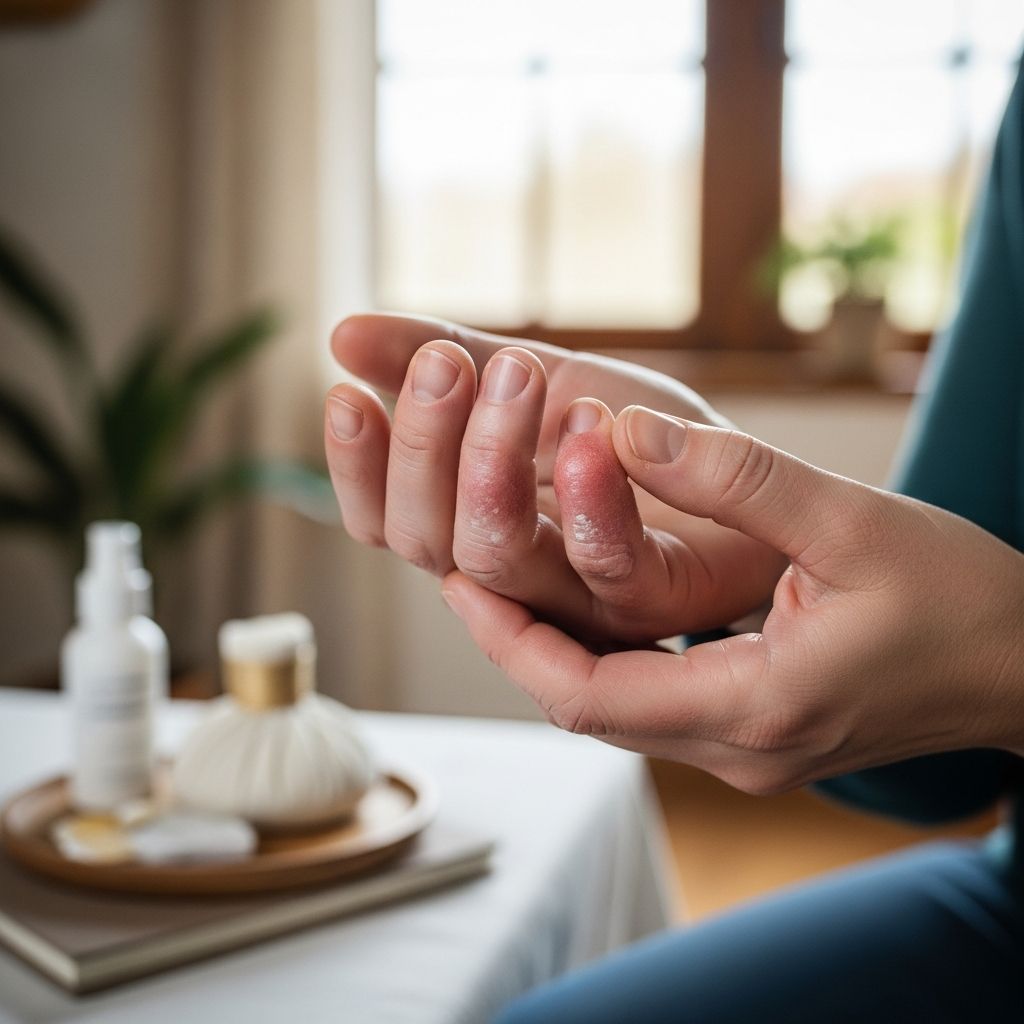
Managing Psoriatic Arthritis Through Effective Self-Care
Psoriatic arthritis is a form of inflammatory arthritis that affects approximately 30% of people with psoriasis, a chronic skin condition characterized by red, scaly, raised patches known as plaques. This dual condition can significantly impact quality of life, causing joint pain, stiffness, and swelling that interfere with daily activities, work, and family responsibilities. While medical treatments play an important role in managing psoriatic arthritis, self-care strategies form the foundation of long-term symptom management and disease prevention. By incorporating practical self-care techniques into your daily routine, you can reduce flare-ups, manage pain more effectively, and improve your overall well-being.
1. Maintain Regular Physical Activity
One of the most impactful self-care strategies for psoriatic arthritis is engaging in regular physical activity. Although pain and stiffness may tempt you to remain sedentary, exercise provides multiple benefits for managing your condition. The Arthritis Foundation recommends getting 30 minutes of moderate-intensity exercise five times per week to achieve optimal results.
Low-impact aerobic activities are particularly beneficial for people with psoriatic arthritis. Walking, swimming, and water aerobics allow you to build endurance and improve cardiovascular health without placing excessive stress on your joints. These activities help you:
- Improve range of motion and joint flexibility
- Reduce pain and stiffness
- Maintain a healthy weight, which decreases pressure on affected joints
- Build muscle strength to support joint stability
- Reduce stress and improve mental health
Before starting any exercise program, consult with your doctor or a certified fitness expert to ensure the activities are appropriate for your current condition. If you experience extreme pain or discomfort during exercise, stop immediately and rest. A physical therapist can provide personalized guidance on modifications that work best for your specific situation.
2. Follow a Balanced, Anti-Inflammatory Diet
Nutrition plays a crucial role in managing psoriatic arthritis symptoms and supporting overall health. A balanced diet rich in whole foods can help combat chronic fatigue—a common symptom of psoriatic arthritis—while also supporting weight management and reducing inflammation.
Focus on incorporating these dietary principles:
- Eat plenty of fruits and vegetables, which are rich in antioxidants and anti-inflammatory compounds
- Choose lean proteins such as fish, chicken, beans, and legumes
- Limit refined carbohydrates, added sugars, and processed foods that may increase inflammation and fatigue
- Reduce sodium intake to help manage joint swelling
- Include omega-3 rich foods like fatty fish, walnuts, and flaxseed
Consuming nutritious whole foods provides sustained energy throughout the day, while junk foods can increase feelings of exhaustion and sluggishness. Additionally, maintaining a healthy weight through proper nutrition reduces the burden on your joints, leading to improved pain management and better mobility.
3. Limit Alcohol and Quit Smoking
Alcohol consumption can interfere with psoriatic arthritis medications and increase side effects, making it important to discuss your alcohol intake with your healthcare provider. If you do consume alcohol, do so in moderation and always verify that it won’t interact negatively with your current treatment plan.
Smoking represents an even greater risk to psoriatic arthritis management. Research published in the Annals of the Rheumatic Diseases found that smoking psoriatic arthritis patients reported worse disease outcomes compared to non-smokers. Smokers were also less likely to adhere to their treatment plan and showed a poorer response to medications. If you currently smoke, quitting should be a priority in your self-care regimen, as it can significantly improve treatment effectiveness and disease management.
Related Stories



4. Develop Stress-Reduction Practices
Chronic stress directly impacts psoriatic arthritis severity, potentially triggering flare-ups and making symptoms harder to manage. Since living with a chronic disease inherently creates stress, developing effective stress-management techniques is essential for maintaining both physical and mental health.
Incorporate these stress-reduction strategies into your routine:
- Practice guided meditation or mindfulness exercises
- Listen to relaxing or therapeutic music
- Engage in gentle movement practices like yoga or tai chi
- Take regular walks in nature
- Maintain connections with friends and family
- Join a support group for people with chronic arthritis or psoriasis
- Try journaling to process emotions and track symptom patterns
Even dedicating just 15 minutes daily to stress reduction can significantly improve your mood and overall quality of life. These practices not only help manage stress but also reduce the frequency and severity of psoriatic arthritis flare-ups.
5. Prioritize Comprehensive Skin Care
Since psoriatic arthritis commonly coexists with psoriasis, protecting and caring for your skin is an integral part of managing your overall condition. Proper skin care can reduce discomfort, prevent infections, and improve the appearance of affected areas.
Moisturizing Techniques
Keep your skin well-hydrated using these moisturizing strategies:
- Apply unscented lotions and creams immediately after bathing or swimming, while skin is still slightly damp
- Use minimal soap when washing, as commercial soaps tend to strip away natural oils and dry out skin
- Consider using products containing soothing ingredients like aloe vera, jojoba oil, or capsaicin to ease pain and itching
- Take short, warm (not hot) baths using oilated oatmeal, bath oil, or Epsom salts to soothe irritated skin
Clothing and Laundry Considerations
What you wear directly affects your skin comfort. Choose loose-fitting clothing made from natural, soft fabrics like cotton to minimize irritation and scratching of scaly areas. Additionally, wash your clothes with fragrance-free detergents and avoid fabric softeners that can trigger skin reactions.
Sun Protection
Protect your skin from harmful UV rays by wearing hats and using broad-spectrum (UVA and UVB) sunscreen with an SPF of 30 or higher that is water-resistant. Sun exposure can trigger or worsen both psoriasis plaques and psoriatic arthritis symptoms in some individuals.
Medication Adherence
Always take your prescribed psoriasis medications as directed by your healthcare provider, as consistent treatment helps prevent flare-ups and manages symptoms more effectively.
6. Utilize Heat and Cold Therapy
Heat and cold therapy can become a regular, therapeutic part of your psoriatic arthritis management routine. These simple techniques offer significant relief with minimal side effects:
- Heat therapy: Heat wraps and warm compresses improve blood circulation, reduce joint stiffness, and ease muscle spasms. Apply heat for 15-20 minutes at a time to affected joints.
- Cold therapy: Cold packs constrict blood vessels in affected areas, reducing swelling and soothing burning sensations. Use cold therapy for acute inflammation and swelling.
Many people find alternating between heat and cold therapy provides optimal symptom relief, though individual preferences vary. Experiment to discover which works best for your specific symptoms.
7. Care for Hands and Feet
Hands and feet are particularly vulnerable areas for people with psoriatic arthritis. Special attention to these extremities can prevent injury and minimize complications:
- Keep your nails trimmed short to avoid accidental scratching or injury
- Exercise extra caution with manicure and pedicure instruments, whether doing them yourself or visiting a salon, to prevent infection or skin trauma
- Wear protective gloves when working with your hands to prevent injury and irritation
- Choose shoes that accommodate swollen toes without rubbing or causing discomfort
8. Protect Your Emotional and Mental Well-Being
Living with psoriatic arthritis takes an emotional toll. Depression and anxiety are common among people managing this chronic condition, making emotional well-being care essential. Several strategies can support your mental health:
- Stay active and engaged, even when you don’t feel up to it, as getting out can distract from pain and fatigue
- Maintain social connections by calling or texting friends and family regularly
- Keep a journal to express emotions and track how symptoms affect your daily life
- Work with a psychologist who specializes in chronic illness management
- Participate in support groups where you can connect with others facing similar challenges
These practices help you build resilience, understand your limitations, and develop effective coping strategies for managing the psychological aspects of living with a chronic disease.
Key Self-Care Strategies at a Glance
| Self-Care Strategy | Primary Benefits | Frequency/Duration |
|---|---|---|
| Physical Exercise | Improved flexibility, reduced pain, healthy weight, stress relief | 30 minutes, 5 times per week |
| Balanced Nutrition | Increased energy, weight management, reduced inflammation | Daily healthy meals |
| Stress Reduction | Fewer flare-ups, improved mental health, better symptom control | Minimum 15 minutes daily |
| Skin Care Routine | Reduced itching, decreased infection risk, improved comfort | Daily after bathing |
| Heat/Cold Therapy | Pain relief, reduced stiffness, decreased swelling | As needed, 15-20 minutes per session |
| Emotional Support | Reduced anxiety, improved outlook, better coping strategies | Regular engagement |
Frequently Asked Questions
Q: Can exercise really help psoriatic arthritis if I’m experiencing pain?
A: Yes, regular low-impact exercise is beneficial for psoriatic arthritis. Physical activity improves flexibility, reduces stiffness, and can actually decrease pain over time. However, always consult your doctor before starting an exercise program, and stop if you experience extreme pain. A physical therapist can help you find appropriate movements for your condition.
Q: How does diet affect psoriatic arthritis symptoms?
A: A balanced diet rich in fruits, vegetables, and lean proteins supports overall health and can reduce chronic fatigue associated with psoriatic arthritis. Maintaining a healthy weight through proper nutrition also reduces stress on your joints, improving pain symptoms and mobility.
Q: Why is stress management important for psoriatic arthritis?
A: Excess stress can worsen psoriatic arthritis symptoms and trigger flare-ups. Stress-reduction techniques like meditation, yoga, and support groups help manage both mental health and disease severity.
Q: What’s the best approach to skin care for psoriatic arthritis?
A: Keep skin well-moisturized with fragrance-free lotions applied after bathing, use minimal soap, wear loose-fitting cotton clothing, protect from sun exposure with SPF 30+ sunscreen, and always take prescribed psoriasis medications as directed.
Q: Can quitting smoking really improve psoriatic arthritis outcomes?
A: Research shows that smokers with psoriatic arthritis have worse disease outcomes, lower treatment adherence, and poorer medication response compared to non-smokers. Quitting smoking can significantly improve your treatment effectiveness and overall disease management.
Q: How should I use heat and cold therapy?
A: Heat therapy (heat wraps, warm compresses) improves circulation and reduces stiffness, while cold therapy (cold packs) reduces swelling and soothes burning sensations. Apply each for 15-20 minutes as needed, and experiment to find what works best for your symptoms.
Q: Is emotional support really necessary for managing psoriatic arthritis?
A: Yes. Depression and anxiety are common among people with psoriatic arthritis. Maintaining social connections, working with a therapist, and joining support groups help address the emotional aspects of living with a chronic condition, improving overall quality of life.
Moving Forward With Your Self-Care Plan
Managing psoriatic arthritis requires a comprehensive approach that combines medical treatment with consistent self-care practices. While each strategy mentioned here provides individual benefits, combining multiple self-care techniques creates a synergistic effect that more effectively controls symptoms and improves your quality of life. Start by selecting two or three strategies that resonate most with you, then gradually incorporate additional practices as you develop sustainable habits. Remember that managing psoriatic arthritis is an ongoing process, and what works best may change over time. Regularly communicate with your healthcare team about your self-care efforts and any changes in your symptoms, ensuring your overall treatment plan remains optimized for your unique needs.
References
- 5 Self-Care Tips for Psoriatic Arthritis — Healthgrades Health Library. 2025. https://resources.healthgrades.com/right-care/psoriatic-arthritis/5-self-care-tips-for-psoriatic-arthritis
- Psoriatic Arthritis Self-Care Tips — Arthritis Foundation. 2025. https://www.arthritis.org/diseases/more-about/psoriatic-arthritis-self-care-tips
Similar Articles








Read full bio of medha deb