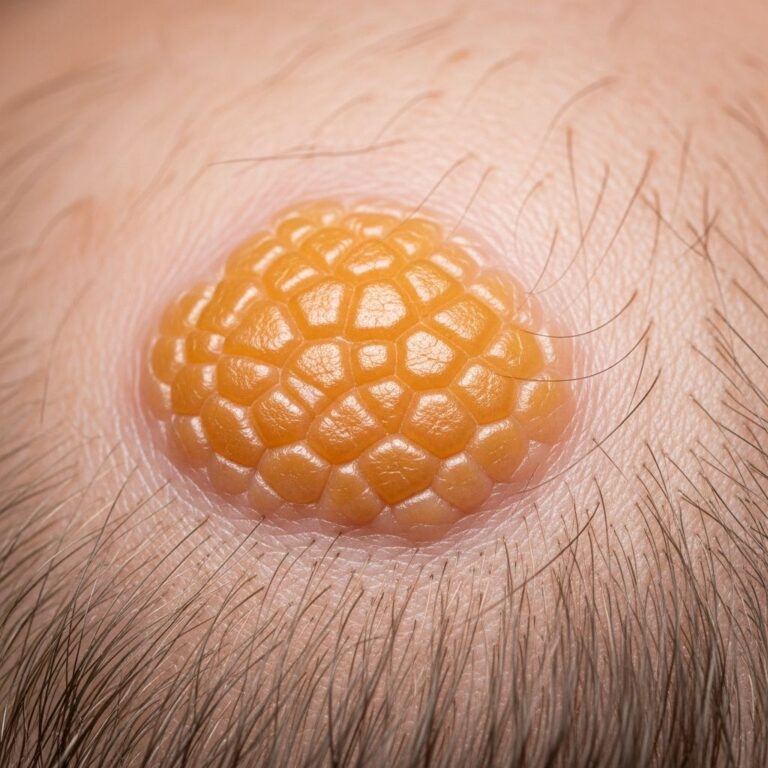
Psoriatic Arthritis Treatment Guide: Medications And Lifestyle
Comprehensive strategies for managing psoriatic arthritis symptoms, from medications to lifestyle changes for better joint and skin health.

Psoriatic arthritis (PsA) is a chronic condition that combines joint inflammation with skin symptoms from psoriasis, requiring a multifaceted treatment approach to address pain, swelling, stiffness, and skin plaques effectively.
Understanding the Need for Tailored PsA Management
Effective management of PsA demands personalization based on disease severity, affected areas like peripheral joints, spine, entheses, skin, and nails, and patient response to therapies. Treatments aim to reduce inflammation, prevent joint damage, improve function, and enhance quality of life through medications and non-pharmacological strategies.
Initial Therapies: NSAIDs and Corticosteroids
Nonsteroidal anti-inflammatory drugs (NSAIDs) serve as the first-line option for mild PsA, providing quick relief from pain and swelling without altering disease progression. These include ibuprofen and naproxen, used for short-term symptom control.
Corticosteroids offer rapid inflammation reduction, often via joint injections for localized flares, though systemic use is limited due to potential psoriasis worsening. They provide temporary relief while bridging to longer-term options.
Disease-Modifying Antirheumatic Drugs (DMARDs)
DMARDs are cornerstone therapies that slow disease progression by targeting immune responses. Conventional synthetic DMARDs like methotrexate inhibit inflammation in joints and skin, frequently combined with biologics for enhanced efficacy.
Leflunomide has demonstrated benefits in joint and skin symptoms, as shown in trials like TOPAS, improving response criteria for PsA.
Targeted Synthetic DMARDs: JAK Inhibitors and More
Advanced options include Janus kinase (JAK) inhibitors such as upadacitinib (Rinvoq) and tofacitinib (Xeljanz), which precisely block immune pathways. Apremilast (Otezla), a phosphodiesterase-4 inhibitor, improves signs, symptoms, and physical function with good tolerability and no routine monitoring needed, per PALACE trials.
Biologic Therapies: Precision Immune Modulation
Biologics represent a breakthrough for moderate-to-severe PsA, targeting specific cytokines. Tumor necrosis factor (TNF) inhibitors are often first-line biologics, including adalimumab (Humira), etanercept (Enbrel), infliximab (Remicade), golimumab (Simponi), and certolizumab pegol (Cimzia). These reduce joint inflammation, enthesitis, dactylitis, and skin/nail issues while halting radiographic progression.
For TNF non-responders, interleukin-17 (IL-17) inhibitors like secukinumab (Cosentyx), ixekizumab (Taltz), or IL-12/23 and IL-23 inhibitors such as ustekinumab (Stelara), guselkumab (Tremfya), and risankizumab (Skyrizi) provide alternatives, addressing axial disease and skin effectively.
Other biologics include T-cell inhibitor abatacept (Orencia) and B-cell inhibitor rituximab (Rituxan) for refractory cases, administered via injection or infusion.
| Biologic Class | Examples | Administration | Key Benefits |
|---|---|---|---|
| TNF Inhibitors | Humira, Enbrel, Remicade | Subcutaneous or IV | Joint/skin improvement, slows damage |
| IL-17 Inhibitors | Cosentyx, Taltz | Subcutaneous | Severe skin, enthesitis relief |
| IL-23 Inhibitors | Tremfya, Skyrizi | Subcutaneous | Skin clearance, axial symptoms |
Non-Drug Approaches: Physical and Occupational Therapy
Physical therapy (PT) is essential post-inflammation control, enhancing range of motion, strength, and stability in spine, joints, and tendons. Therapists design programs with low-impact aerobics like swimming or cycling, strength training, and stretching to combat stiffness without flare risk.
Occupational therapy (OT) teaches adaptive techniques for daily tasks, reducing joint strain. Yoga and tai chi integrate flexibility and relaxation.
Related Stories



Lifestyle Modifications for Long-Term Control
Weight management is crucial, as excess fat exacerbates inflammation; losing 10% body weight boosts treatment response. A balanced diet, consistent exercise, and rest during flares prevent overuse injuries.
- Aerobic Exercise: Walking, biking—low joint stress.
- Strength Training: Builds support muscles gradually.
- Rest Strategy: Pause activities during pain peaks.
Complementary and Alternative Therapies
Heat (warm baths, paraffin) eases soreness; cold packs reduce swelling—alternate as needed. Acupuncture may aid chronic pain management alongside standard care.
Phototherapy like UVB or PUVA targets skin symptoms, with sessions yielding results in weeks, though limited by long-term risks.
Phototherapy and Light-Based Treatments
UVB phototherapy suits skin-dominant PsA, while PUVA sensitizes skin for deeper penetration, administered 2-3 times weekly for a month.
Monitoring and Treatment Adjustment
Regular rheumatologist visits track progress using criteria like ACR20, PsARC, and PASI. Switch therapies if no improvement in 3-6 months, prioritizing minimal disease activity.
Potential Side Effects and Safety Considerations
NSAIDs risk gastrointestinal issues; DMARDs require monitoring for liver toxicity. Biologics increase infection risk—screen for tuberculosis. JAK inhibitors carry cardiovascular warnings; consult providers for personalized risks.
Emerging Trends in PsA Care
Ongoing research refines biologics and small molecules, emphasizing multi-domain control. Patient-reported outcomes guide holistic care.
Frequently Asked Questions (FAQs)
What is the first step in PsA treatment?
Typically NSAIDs for mild cases, escalating to DMARDs or biologics based on severity.
Can exercise worsen PsA?
No, when low-impact and guided by PT; it improves function and mood.
Are biologics safe long-term?
Generally yes, with monitoring; they significantly outperform traditional options.
How does weight loss help PsA?
Reduces inflammation and joint load, enhancing medication efficacy.
When to see a specialist?
At diagnosis or if symptoms persist despite initial therapy.
References
- Treatment Options for Psoriatic Arthritis — Arthritis Foundation. 2022-06-17. https://www.arthritis.org/health-wellness/treatment/treatment-plan/disease-management/treatment-options-for-psoriatic-arthritis
- Psoriatic arthritis: latest treatments and their place in therapy — PMC (NCBI). 2015-06-18. https://pmc.ncbi.nlm.nih.gov/articles/PMC4480547/
- Psoriatic Arthritis Treatment: Options, Medications, and Relief — WebMD. N/A. https://www.webmd.com/arthritis/psoriatic-arthritis/psoriatic-arthritis-treatment
- Psoriatic Arthritis: Treatment — Johns Hopkins Arthritis Center. N/A. https://www.hopkinsarthritis.org/arthritis-info/psoriatic-arthritis/treatment/
Similar Articles








Read full bio of Sneha Tete