Psoriatic Arthritis: Symptoms, Diagnosis, And Treatment Guide
Understanding psoriatic arthritis: symptoms, causes, diagnosis, and effective treatments for this psoriasis-related joint condition.
Psoriatic arthritis is a chronic inflammatory joint disease that occurs in approximately 15–30% of patients with psoriasis, a common skin condition characterized by red, scaly plaques. This autoimmune disorder affects both the joints and the skin, leading to pain, stiffness, swelling, and potential joint damage if untreated. It typically develops between the ages of 30–50 years, though it can occur at any age, and affects men and women equally. Early diagnosis and intervention are crucial to prevent irreversible joint destruction and disability.
The condition arises from a combination of genetic predisposition, environmental triggers, and immune system dysregulation, where T-cells and cytokines like TNF-α drive inflammation in joints, entheses (tendon insertions), and skin. Unlike rheumatoid arthritis, psoriatic arthritis is seronegative, meaning it lacks rheumatoid factor, and often spares the small joints of the hands in a symmetric fashion initially.
What is the cause of psoriatic arthritis?
The precise cause of psoriatic arthritis remains multifactorial. Genetic factors play a significant role, with strong associations to HLA-B27, HLA-Cw6, and other MHC class I alleles. Family history increases risk; up to 40% of patients have affected relatives. Environmental triggers such as streptococcal infections, physical trauma (Koebner phenomenon), smoking, obesity, and stress can precipitate onset in genetically susceptible individuals.
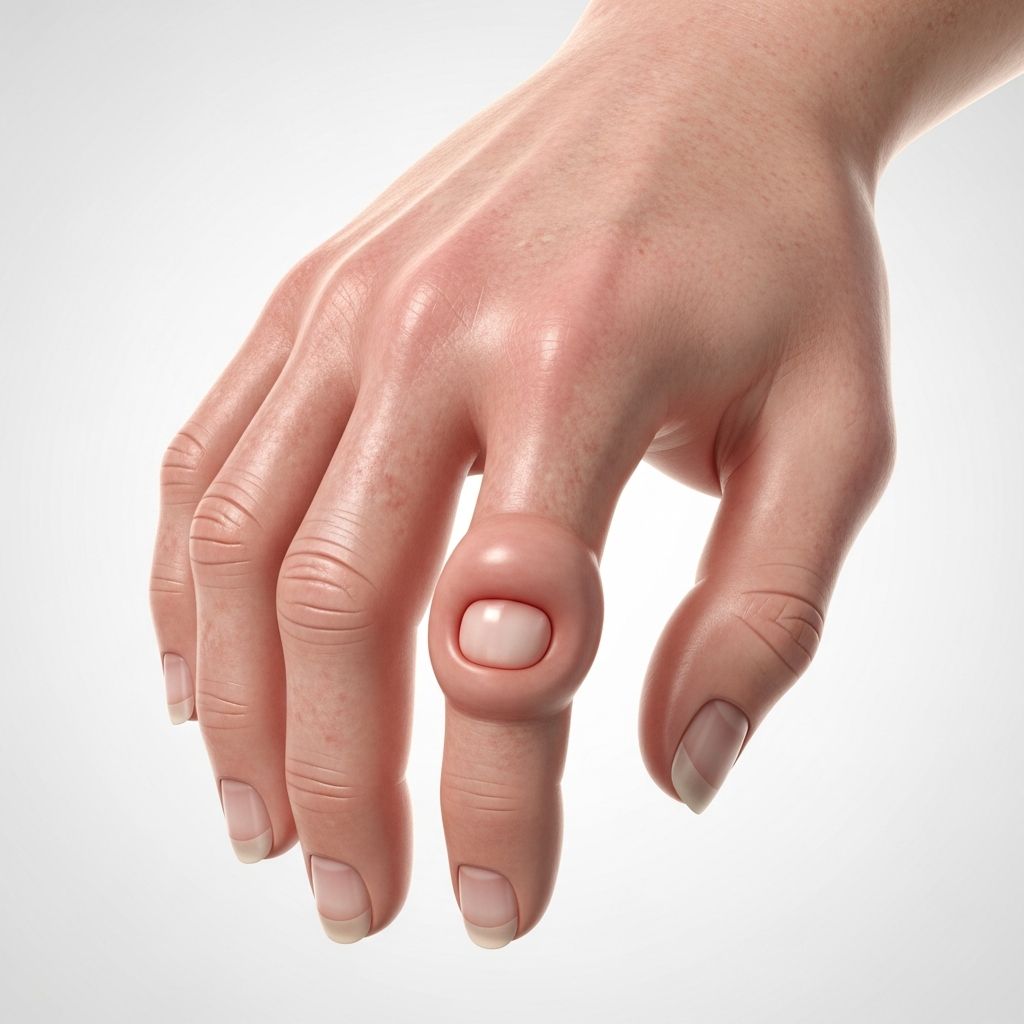
Pathophysiologically, aberrant immune responses lead to overproduction of pro-inflammatory cytokines including TNF-α, IL-17, IL-23, and IL-12. These drive synovial inflammation, enthesitis, and dactylitis (sausage-like swelling of digits). Mechanical stress at entheses amplifies this process, distinguishing psoriatic arthritis from other spondyloarthropathies.
Who gets psoriatic arthritis?
Psoriatic arthritis affects individuals with psoriasis, with prevalence rising with psoriasis severity—up to 40% in severe cases. It manifests 7–10 years after psoriasis onset on average, though it can precede skin disease in 15% of cases. Peak incidence is in the 40s, with no strong gender bias. Risk factors include:
- Family history of psoriasis or psoriatic arthritis
- Severe plaque psoriasis or nail involvement
- Obesity (BMI >30 doubles risk)
- Smoking and heavy alcohol use
- History of infections or trauma
Children with juvenile idiopathic arthritis may also develop psoriatic patterns. Comorbidities like metabolic syndrome, cardiovascular disease, uveitis, and inflammatory bowel disease are common.
What are the clinical features of psoriatic arthritis?
Clinical manifestations are heterogeneous, often classified into five patterns:
| Pattern | Frequency | Key Features |
|---|---|---|
| Oligoarticular asymmetric | 70% | Affects <5 joints, often DIP, entheses; dactylitis common |
| Polyarticular symmetric (RA-like) | 15% | Small joints of hands/feet symmetrically; PIP > MCP |
| Distal interphalangeal (DIP) predominant | 5–10% | DIP joints, nails severely affected |
| Spondylitis (axial) | 5–20% | Sacroiliitis, spinal involvement; asymmetric |
| Mutilans (aggressive) | 3–5% | Pencil-in-cup deformity, severe resorption |
Symptoms include morning stiffness >30–60 minutes, joint pain/swelling, reduced range of motion, and fatigue. Extra-articular features: psoriasis (pustular, erythrodermic variants), nail dystrophy (pitting, onycholysis in 80–90%), enthesitis (Achilles, plantar fascia), dactylitis (20–30%), uveitis (7–25%), IBD (10%). Acute flares alternate with remission.
How is psoriatic arthritis diagnosed?
No single diagnostic test exists for psoriatic arthritis; diagnosis relies on clinical features, supported by imaging and labs to exclude mimics like RA, gout, or osteoarthritis. Classification criteria (CASPAR) require inflammatory musculoskeletal disease plus ≥3 points from:
Related Stories



- Current psoriasis (2 points) or personal/family history (1 point)
- Psoriatic nail dystrophy (1 point)
- Negative rheumatoid factor (1 point)
- Dactylitis (1 point) or juxta-articular new bone (1 point)
Clinical evaluation: History of psoriasis, joint exam for tenderness/swelling, nail/skin inspection, enthesis palpation.
Laboratory tests: Elevated ESR/CRP (50–70%), negative RF/anti-CCP (90%), HLA-B27 positive in axial disease. No specific biomarker.
Imaging:
- X-rays: Pencil-in-cup, periostitis, asymmetric sacroiliitis
- Ultrasound/MRI: Enthesitis, synovitis, bone edema (early detection)
- Power Doppler US preferred for early diagnosis.
What is the treatment for psoriatic arthritis?
Treatment aims to relieve symptoms, suppress inflammation, prevent joint damage, and treat skin/nail disease. Multidisciplinary approach involving rheumatologists and dermatologists. Tailored by disease severity, pattern, and comorbidities.
Mild disease
NSAIDs (ibuprofen, naproxen) for pain/inflammation; intra-articular corticosteroids for mono/oligoarthritis. Topical therapies for skin.
Moderate-severe disease
- Conventional DMARDs: Methotrexate (15–25mg/week), sulfasalazine, leflunomide; first-line for peripheral arthritis.
- Biologics: TNF inhibitors (etanercept, adalimumab), IL-17 (secukinumab), IL-23 (guselkumab), IL-12/23 (ustekinumab). Highly effective for skin/joints.
- Targeted synthetics: JAK inhibitors (tofacitinib), PDE4 (apremilast) for oral option.
Non-pharmacologic: Physical therapy post-flare for strength/mobility, weight loss, smoking cessation, exercise. Surgery rare, for end-stage joint destruction.
Complications of psoriatic arthritis
Untreated disease leads to erosive joint damage (40–60%), ankylosis, mutilans deformity, spinal fusion. Cardiovascular risk elevated (MI/stroke 50% higher), osteoporosis, depression (30%). Ophthalmic: uveitis. Monitor with DAS28, MDA criteria.
Prevention of psoriatic arthritis
No proven prevention, but early psoriasis treatment may delay onset. Lifestyle: BMI <25, no smoking, manage infections.
Psoriatic arthritis guidelines
GRAPPA/EULAR recommend treat-to-target (remission/low disease activity). Start DMARDs/biologics early for active disease >5 joints or axial/enthesitis.
Frequently Asked Questions
Q: Can psoriatic arthritis occur without skin psoriasis?
A: Yes, in 15% of cases, joint symptoms precede skin lesions by years.
Q: Is psoriatic arthritis curable?
A: No cure, but effective treatments achieve remission in 40–60%.
Q: What is the best initial treatment?
A: NSAIDs for mild; DMARDs/biologics for moderate-severe.
Q: Does diet help psoriatic arthritis?
A: Anti-inflammatory Mediterranean diet aids weight/symptoms.
Q: How often should imaging be done?
A: Baseline and if progression suspected; MRI/US for early changes.
References
- Psoriatic Arthritis: Diagnosis, Treatment, and Steps to Take — National Institute of Arthritis and Musculoskeletal and Skin Diseases (NIAMS). 2023. https://www.niams.nih.gov/health-topics/psoriatic-arthritis/diagnosis-treatment-and-steps-to-take
- Psoriatic arthritis – Diagnosis & treatment — Mayo Clinic. 2024-05-30. https://www.mayoclinic.org/diseases-conditions/psoriatic-arthritis/diagnosis-treatment/drc-20354081
- Psoriatic Arthritis — Cleveland Clinic. 2024. https://my.clevelandclinic.org/health/diseases/13286-psoriatic-arthritis
- Psoriatic Arthritis: Treatment — Johns Hopkins Arthritis Center. 2023. https://www.hopkinsarthritis.org/arthritis-info/psoriatic-arthritis/treatment/
- Psoriatic Arthritis — National Psoriasis Foundation. 2024. https://www.psoriasis.org/advance/psoriatic-arthritis-or-rheumatoid-arthritis/
- Psoriatic Arthritis — Advocate Health Care. 2024. https://www.advocatehealth.com/health-services/rheumatology/psoriatic-arthritis
Similar Articles








Read full bio of Sneha Tete