Psoriatic Disease: Symptoms, Causes, And Treatment Guide
Comprehensive guide to understanding psoriasis, psoriatic arthritis, symptoms, causes, diagnosis, and advanced treatment strategies for better management.
Psoriatic disease encompasses a spectrum of autoimmune conditions primarily affecting the skin and joints, with psoriasis as the hallmark skin manifestation and psoriatic arthritis (PsA) as a common joint-related complication. This chronic inflammatory disorder impacts millions worldwide, leading to significant physical discomfort and emotional challenges.
The Nature of Psoriatic Disease
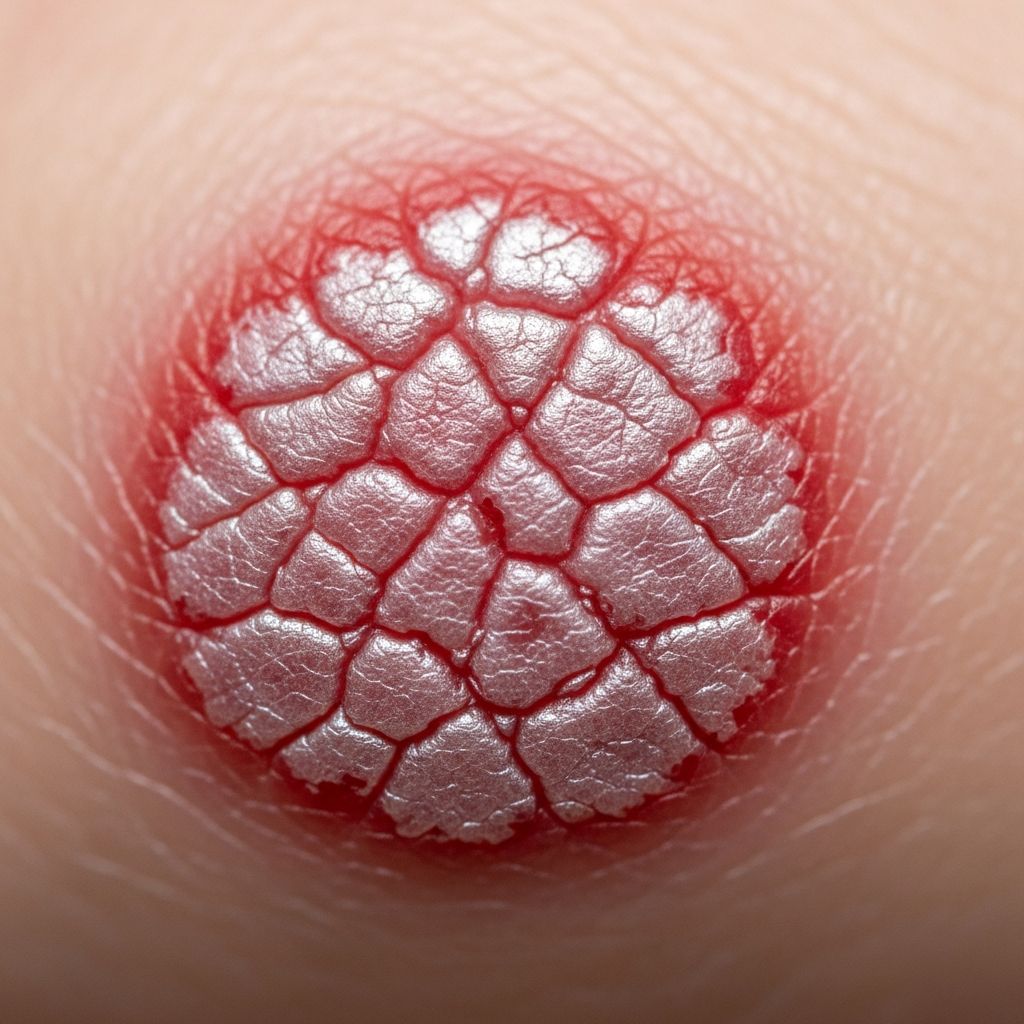
At its core, psoriatic disease arises when the immune system erroneously targets healthy tissues, accelerating skin cell production and triggering joint inflammation. Psoriasis typically presents as thick, red patches covered with silvery scales, while PsA adds joint pain, stiffness, and potential deformity if unmanaged. Unlike other arthritic conditions, PsA occurs without rheumatoid factor in the blood, distinguishing it diagnostically.
The disease manifests in various forms, from mild localized plaques to widespread coverage involving nails, scalp, and genitals. Flares alternate with periods of remission, influenced by triggers like stress, infections, or weather changes. Early recognition is crucial, as untreated PsA can cause irreversible joint damage.
Recognizing Key Symptoms
Symptoms vary but often include visible skin changes and musculoskeletal issues. Common signs encompass:
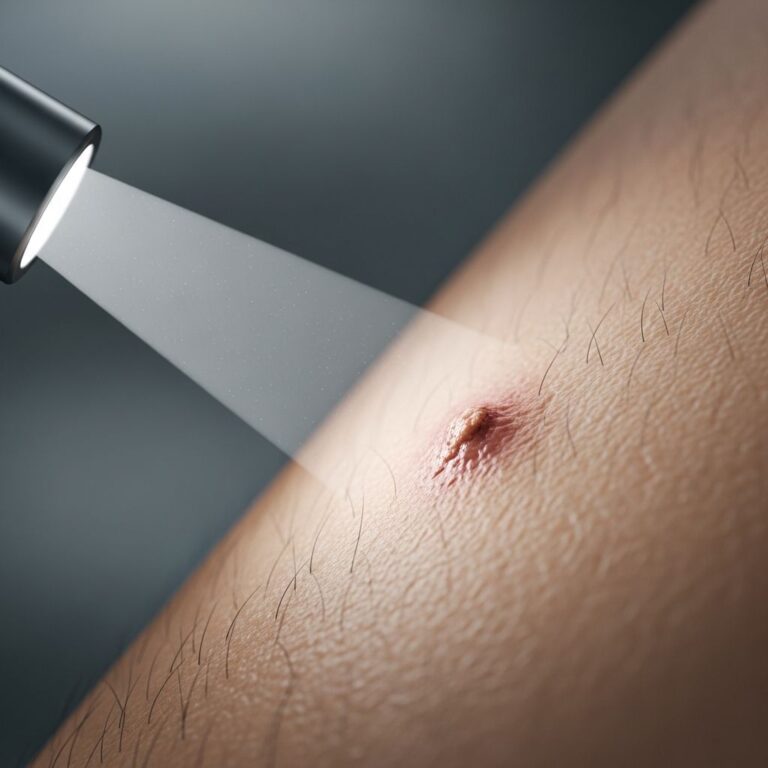
- Skin Plaques: Elevated, inflamed areas with white scales, frequently on elbows, knees, scalp, and lower back.
- Joint Involvement: Pain, swelling, and tenderness in fingers, toes, spine, or sacroiliac joints.
- Nail Abnormalities: Pitting, ridging, discoloration, or onycholysis (nail separation).
- Dactylitis: Sausage-like swelling of entire digits.
- Enthesitis: Pain at tendon-bone attachments, such as heels or elbows.
- Fatigue and Stiffness: Persistent tiredness and morning rigidity lasting over 30 minutes.
Women may experience heightened fatigue and widespread pain, complicating daily activities. Eye inflammation (uveitis) and bowel issues can also arise, underscoring the systemic nature of the condition.
Unraveling the Causes and Risk Factors
Psoriatic disease stems from a complex interplay of genetics, immunity, and environment. A family history elevates risk, with specific gene variants like HLA-B27 implicated in PsA. Immune dysregulation prompts T-cells to overproduce cytokines such as TNF-alpha and IL-17, fueling inflammation.
Triggers include streptococcal infections, skin trauma (Koebner phenomenon), smoking, obesity, and stress. Approximately 30% of psoriasis patients develop PsA, often within 10 years of skin onset. Age of onset peaks between 30-50, affecting both genders equally, though symptom severity differs.
Diagnostic Approaches
Diagnosis relies on clinical evaluation, as no single test confirms psoriatic disease. Dermatologists and rheumatologists assess skin lesions, joint counts, and nail changes using tools like the Psoriasis Area and Severity Index (PASI) for skin and Disease Activity Score (DAS28) for joints.
| Test Type | Purpose | Details |
|---|---|---|
| Physical Exam | Identify plaques, swelling, dactylitis | Checks tender/swollen joint count (TJC/SJC) |
| Blood Tests | Rule out mimics, check inflammation | ESR, CRP, rheumatoid factor (negative in PsA) |
| Imaging | Detect erosions, enthesitis | X-ray, ultrasound, MRI for early changes |
| Skin Biopsy | Confirm psoriasis histology | Shows parakeratosis, Munro microabscesses |
CASPAR criteria aid PsA diagnosis, requiring inflammatory musculoskeletal disease with psoriasis evidence (current, past, or family) plus nail dystrophy or negative RF. Prompt specialist referral prevents progression.
Related Stories



Treatment Landscape
Treatment ladders from topicals for mild cases to systemics/biologics for moderate-severe disease, guided by expert panels. Goals: clear skin, halt joint damage, minimize comorbidities.
Topical Therapies
Corticosteroids, vitamin D analogs (calcipotriene), retinoids, and calcineurin inhibitors reduce plaque inflammation. Combinations enhance efficacy with fewer side effects.
Phototherapy
Narrowband UVB or PUVA slows cell proliferation. Ideal for widespread psoriasis unresponsive to topicals.
Systemic Options
Methotrexate, cyclosporine, and apremilast (PDE4 inhibitor) manage moderate disease. Guidelines favor them for initial therapy in select cases.
Biologic Agents
TNF inhibitors (adalimumab, etanercept), IL-17 blockers (secukinumab), IL-23 inhibitors (guselkumab), and IL-12/23 blockers (ustekinumab) target cytokines precisely. Preferred over oral small molecules for active PsA per ACR/NPF guidelines.
NSAIDs and corticosteroids provide symptomatic relief; DMARDs like sulfasalazine address peripheral arthritis.
Managing Comorbidities
Psoriatic disease links to metabolic syndrome, cardiovascular risks, depression, and IBD. Screening for psoriatic arthritis in psoriasis patients is recommended, alongside lipid checks and mental health support. Lifestyle modifications—weight loss, exercise, anti-inflammatory diets—mitigate risks.
Lifestyle and Support Strategies
Daily management involves moisturizers, avoiding triggers, and stress reduction via yoga or therapy. Patient education via pocket guides empowers informed decisions. Support groups foster coping; women-specific resources address unique challenges.
FAQs
What distinguishes psoriasis from psoriatic arthritis?
Psoriasis primarily affects skin with plaques; PsA adds joint inflammation, enthesitis, and dactylitis.
Can psoriatic disease be cured?
No cure exists, but treatments achieve remission with clear skin and pain-free joints.
How soon after psoriasis does PsA develop?
Often within 10 years; screen early.
Are biologics safe long-term?
Monitored for infections; benefits outweigh risks in moderate-severe cases.
Does diet impact symptoms?
Anti-inflammatory diets (Mediterranean) may reduce flares.
Holistic care transforms outcomes. Consult specialists for personalized plans adhering to latest guidelines.
References
- The Psoriasis and Psoriatic Arthritis Pocket Guide: Treatment Algorithms and Management Options — National Psoriasis Foundation. 2025-03. https://www.psoriasis.org/the-pocket-guide/
- Psoriatic Arthritis Treatment Guide — Summit Rheumatology. Accessed 2026. https://summitrheumatology.com/conditions/psoriatic-arthritis/
- Guidelines for Treating Psoriatic Disease Patients — National Psoriasis Foundation. Accessed 2026. https://www.psoriasis.org/psoriatic-disease-patient-guidance/
- Psoriatic Arthritis Toolkit: A Woman’s Empowerment Guide — Society for Women’s Health Research. 2022-10-24. https://swhr.org/resources/psoriatic-arthritis-toolkit-a-womans-empowerment-guide/
- Psoriasis Symptoms, Causes, & Risk Factors — National Institute of Arthritis and Musculoskeletal and Skin Diseases (NIAMS), NIH. Accessed 2026. https://www.niams.nih.gov/health-topics/psoriasis
- A Comprehensive Review of Psoriatic Arthritis — Spondylitis Association of America. Accessed 2026. https://spondylitis.org/spondylitis-plus/a-comprehensive-review-of-psoriatic-arthritis-symptoms-diagnosis-and-treatment/
- Psoriasis Clinical Guideline — American Academy of Dermatology. Accessed 2026. https://www.aad.org/member/clinical-quality/guidelines/psoriasis
Similar Articles








Read full bio of medha deb