Psychological Effects Of Acne: A Comprehensive Guide
Acne profoundly impacts mental health, causing depression, anxiety, low self-esteem, and social withdrawal regardless of severity.
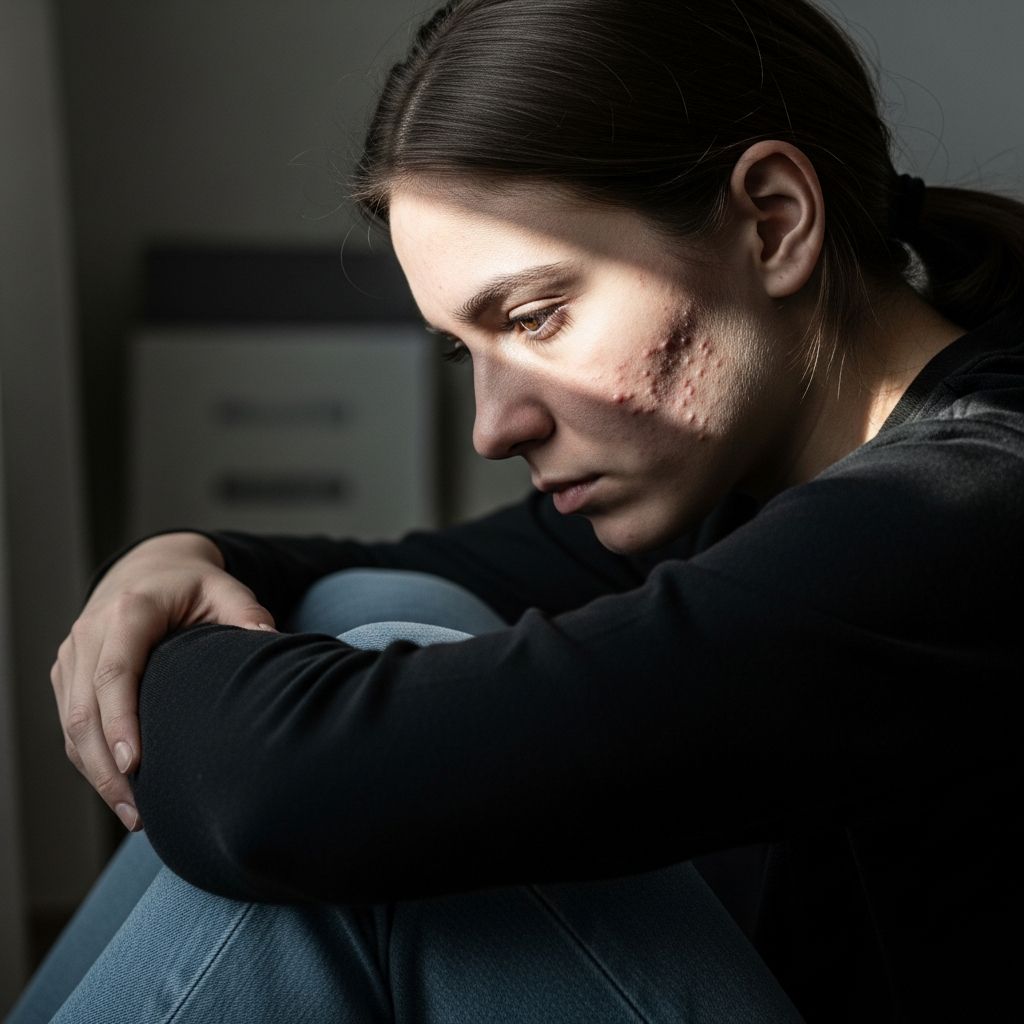
Acne vulgaris, a common inflammatory skin condition affecting millions worldwide, extends far beyond physical lesions on the face, chest, or back. It exerts profound
psychological effects
that can impair emotional well-being, social functioning, and overall quality of life. These impacts are not always proportional to clinical severity; even mild acne can trigger significant distress due to its visibility on the face, societal emphasis on flawless skin, and heightened self-consciousness during adolescence or adulthood. Studies consistently show elevated risks of depression, anxiety, low self-esteem, and suicidal ideation among acne sufferers, underscoring the need for holistic management addressing both skin and mind.Who gets psychological distress from acne?
Psychological distress from acne affects individuals across ages, but it peaks during adolescence when hormonal changes exacerbate both acne and body image concerns. Adolescents, particularly those with facial acne, face intense scrutiny from peers, amplifying feelings of embarrassment and isolation. Girls often report higher vulnerability, with studies showing elevated anxiety levels compared to boys. Adults with persistent or late-onset acne experience unique challenges, such as professional stigma or the shame of not ‘outgrowing’ the condition, leading to social withdrawal and career limitations.
Risk factors include acne severity (worse in moderate-to-severe cases), duration, family history of mental health issues, and external stressors like bullying or social media pressure. A Turkish study of acne patients found 26.2% anxiety prevalence and 29.5% depression, far exceeding controls (0% and 7.9%, respectively), irrespective of severity or gender. Similarly, a Serbian survey of over 350 schoolchildren revealed 15% felt ‘very depressed and miserable’ due to acne. These effects persist post-treatment if scarring remains, causing lifelong self-esteem issues.
Psychosocial disability and acne
Acne induces
psychosocial disability
by disrupting self-image, interpersonal relationships, and daily activities. Patients often describe profound embarrassment, preferring it as a more articulate emotion than underlying depression or anxiety. This leads to social avoidance, reduced participation in sports, dating, or public events, fearing facial scrutiny against ideals of perfect skin.- Social isolation: Teens avoid school events or peer gatherings, fostering loneliness.
- Academic and vocational impact: Poor concentration, absenteeism, and unemployment risks rise due to low confidence.
- Body image distortion: Acne heightens negative self-perception, independent of weight or other factors.
Severe acne correlates with higher psychiatric symptoms in later puberty stages. A UK study of 111 patients aged 16+ found 41% screened positive for psychiatric disorders, comparable to chronic conditions like arthritis or epilepsy. Gender differences emerge: girls show greater emotional vulnerability, while boys exhibit lower self-attitude[27].
Depression, anxiety and acne
Acne significantly elevates
depression and anxiety
risks. Research links it to 6-7% suicidal ideation and attempts, highest in severe cases alongside psoriasis[30]. A study of 615 schoolchildren confirmed moderate-to-severe acne causes poor body image, social constriction, and heightened anxiety, anger, depression, and frustration—girls more affected[27].This bidirectional relationship forms a vicious cycle: stress worsens acne via cortisol, impairing skin barrier function and promoting picking or poor hygiene. Anxiety/depression slow healing, increasing sensitivity to irritants. Even mild acne distresses some profoundly, while others with severe cases cope better, highlighting individual variability.
| Psychological Effect | Prevalence in Acne Patients | Comparison to Controls |
|---|---|---|
| Anxiety | 26.2% | 0% |
| Depression | 29.5% | 7.9% |
| Suicidal Ideation | 6-7% | Lower in general population |
Related Stories



Social, vocational and academic functioning
Acne impairs
social, vocational, and academic functioning
. Socially, it reduces interactions with opposite sex, strangers, or public appearances, breeding dysfunction[35]. Vocationally, low confidence limits job opportunities; academically, distress hampers performance. Teens skip sports/exercise fearing evaluation, perpetuating isolation.Social media and selfies intensify this: cyberbullying and constant visibility heighten anxiety, with many spending hours concealing blemishes, reducing productivity. Bullying nicknames like ‘crater face’ plummet self-esteem, leading to friendlessness.
Acne scarring – permanent effects
**Acne scarring** inflicts permanent psychological scars. Physical remnants symbolize failure, perpetuating low self-esteem, depression, and social withdrawal lifelong. Studies show scarred patients prone to anxiety, anger, and isolation, with effects rivaling active acne[44]. Early intervention prevents this, as scars correlate with chronic distress.
What is the treatment for psychological effects of acne?
Treatment targets both acne and psychological sequelae via multidisciplinary psychodermatology. Dermatological therapies (topicals, orals, lasers) reduce lesions swiftly, alleviating distress. Psychological support includes:
- Cognitive Behavioral Therapy (CBT): Reframes negative thoughts, builds coping for body image.
- Mindfulness and support groups: Reduces anxiety, fosters community.
- Antidepressants/Anti-anxiety meds: For severe cases, alongside dermatologic care.
- Scar treatments: Lasers, peels improve appearance, boost confidence.
Clinicians must screen wellbeing routinely; early referral prevents escalation. Guidelines emphasize psychosocial impact measurement in management[37]. Addressing mind-skin cycle holistically yields best outcomes.
Psychodermatology and acne
**Psychodermatology** integrates mental health into dermatologic care for acne. It recognizes psychological factors exacerbate pathogenesis via stress hormones, advocating combined skin-mind approaches. Assessments identify comorbidities for timely intervention, improving adherence and results.
Frequently Asked Questions
Q: Does acne severity determine psychological impact?
A: No, even mild acne can cause significant distress due to visibility and personal factors; severity correlates but isn’t absolute.
Q: Can acne lead to depression or suicidal thoughts?
A: Yes, studies show 29.5% depression risk and 6-7% suicidal ideation in acne patients, higher than controls.
Q: How does social media worsen acne’s mental effects?
A: It amplifies scrutiny via selfies and cyberbullying, increasing anxiety and isolation.
Q: Is treatment only for severe acne?
A: No, early intervention for any acne prevents emotional scars; psychodermatology helps all severities.
Q: Do adults suffer psychological effects from acne?
A: Yes, often with added shame of persistence, affecting careers and relationships.
References
- Acne Vulgaris: The Psychosocial & Psychological Burden Of Illness — HMP Global Learning Network. 2023. https://www.hmpgloballearningnetwork.com/site/thederm/site/cathlab/event/acne-vulgaristhe-psychosocial-and-psychological-burden-illness
- Mental Health of Acne – How to Manage It — Bryn Mawr Dermatology. 2024-10-15. https://www.brynmawrdermatology.com/mental-health-of-acne-how-to-manage-it/
- The Psychological Effects of Acne — Skin & Beauty Center. 2024. https://dermla.com/acne/the-psychological-effects-of-acne/
- Acne can affect more than your skin — American Academy of Dermatology (AAD). 2025-01-10. https://www.aad.org/public/diseases/acne/acne-emotional-effects
- The Emotional Effects of Acne Scarring — Connolly Dermatology. 2024. https://www.connollyskincare.com/blog/emotional-effects-acne-scarring-pih/
- Is it really ever ‘just acne’? Considering the psychodermatology of acne — British Journal of Dermatology (Oxford Academic). 2023-06-01. https://academic.oup.com/bjd/article/189/Supplement_1/i11/7333863
Similar Articles








Read full bio of medha deb