Psychological Effects Of Hair Loss: Impact And Solutions
Understanding the emotional and mental health impact of alopecia on quality of life.
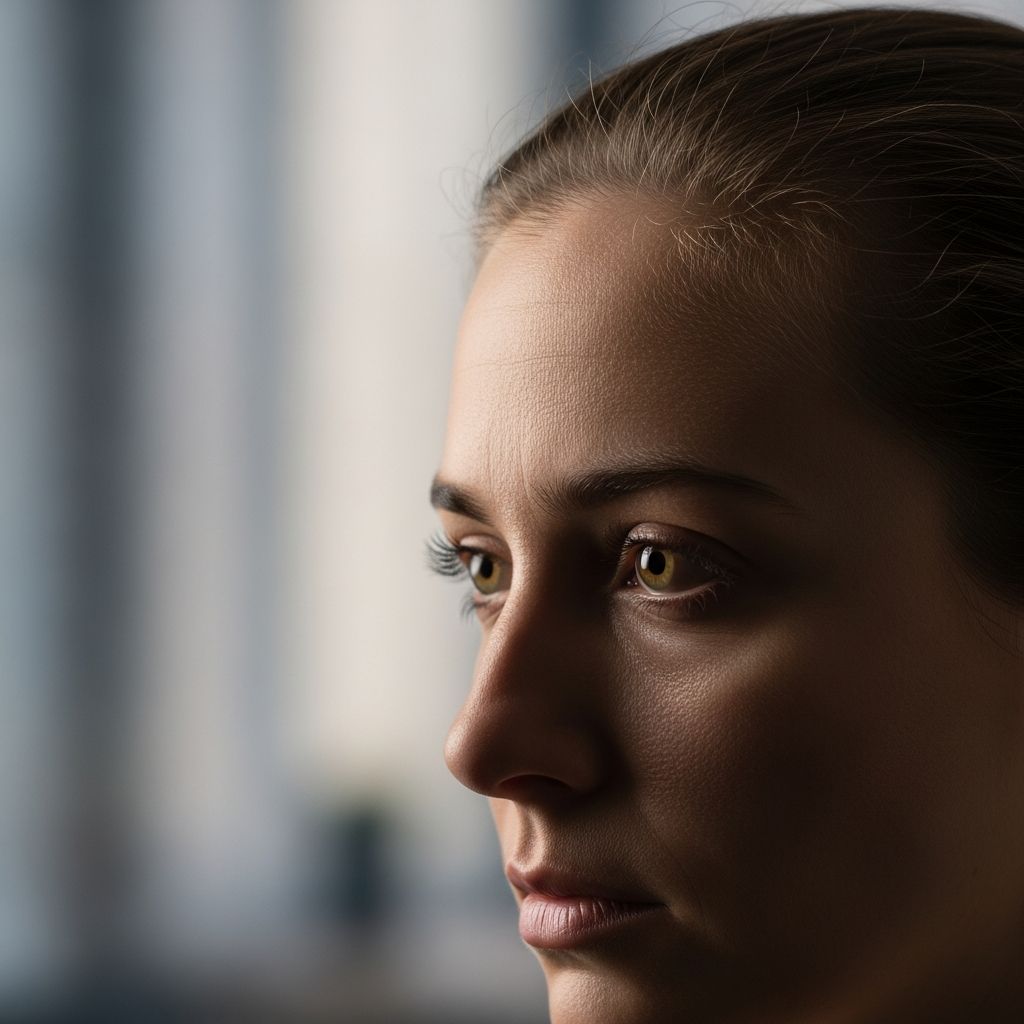
Psychological Effects of Hair Loss
Hair loss significantly impacts mental health, frequently leading to depression, anxiety, and social phobia that can severely affect quality of life, work performance, and overall well-being. While hair loss is often perceived as a purely cosmetic concern, research demonstrates that the psychological burden of alopecia warrants serious clinical attention and therapeutic intervention.
The Emotional and Psychological Impact
Hair loss extends beyond physical appearance, triggering profound emotional responses in affected individuals. The experience of losing hair can be deeply distressing, causing intense emotional suffering that frequently leads to personal, social, and work-related difficulties. Research confirms that people with severe hair loss experience greater psychological distress than those with mild hair loss, with the severity of the condition directly correlating to mental health outcomes.
The psychological impact manifests through several emotional pathways. Individuals commonly report feeling sad, angry, ashamed, or embarrassed about their changing appearance. These emotions often escalate into anxiety disorders and depression, with some individuals developing such intense anxiety—frequently driven by fear of social judgment—that they withdraw from normal social activities.
Hair loss can also trigger body dysmorphic disorder, a mental health condition characterized by obsessive focus on perceived appearance flaws. In severe cases, individuals experience ongoing depression and a diminished quality of life that interferes with daily functioning.
Demographic Variations in Psychological Impact
The psychological burden of hair loss is not uniform across all populations. Younger patients and women report significantly higher levels of psychological distress compared to older adults. This difference reflects the particular importance of hair for self-esteem and identity formation in younger individuals and the additional societal pressure women face regarding appearance standards.
Women account for approximately 40 percent of hair loss cases and often experience intensified communal pressure to conform to specific beauty ideals. The psychological impact can be especially severe for women due to cultural associations between hair and femininity, attractiveness, and personal identity.
Type of alopecia also influences psychological outcomes. Patients with non-scarring alopecia report higher anxiety and depressive symptoms compared to those with scarring alopecia. This difference may relate to the visibility and progressive nature of non-scarring alopecia types, such as androgenetic alopecia, which are often more noticeable and socially conspicuous.
The Interplay Between Stress and Hair Loss
A complex bidirectional relationship exists between stress and hair loss. Psychiatric disturbances, including acute anxiety and endogenous depression, have been identified as possible causes of diffuse hair shedding. More significantly, women who experience high levels of stress are 11 times more likely to experience hair loss than those without elevated stress.
Related Stories



This relationship can create a harmful cycle: hair loss resulting from a stressful life event then generates further distress, anxiety, and depression, perpetuating the psychological burden. Breaking this cycle requires intervention at multiple levels, addressing both the physical manifestations of hair loss and the underlying emotional distress.
Quality of Life Impairment
Research demonstrates that hair loss disorders lead to measurable impairment in quality of life across multiple domains. Psychological well-being represents the most significantly affected domain, with mental quality of life impairments evident in both scarring and non-scarring alopecia.
Individuals experiencing hair loss report several specific quality of life challenges:
- Increased stress, grief, or unease during basic routine activities
- Decreased desire to engage in new or existing romantic relationships
- Overwhelming feelings of embarrassment or humiliation that interfere with personal goals or professional tasks
- Jealous or envious thoughts about those who do not experience hair loss, coupled with constant social comparison
- Feelings of hopelessness, loss of identity, and diminished femininity or masculinity
Psychiatric Complications
Compared with the general population, people with hair loss show increased prevalence of psychiatric disorders, including major depressive episodes, anxiety disorders, social phobia, and paranoid disorder. Some individuals develop sufficient social anxiety that they isolate themselves from embarrassment or shame, completely withdrawing from social and professional activities.
The psychological consequences can be so severe that individuals avoid social situations, decline work opportunities, limit family engagement, and significantly reduce their overall participation in life activities. In extreme cases, the combination of depression, anxiety, and social isolation creates a serious mental health crisis requiring immediate professional intervention.
Hair Loss and Personal Identity
Hair plays a significant role in personal identity and self-expression. When hair loss occurs, individuals often experience a profound sense of identity loss. The loss of hair changes a person’s physical appearance, particularly when eyelashes and eyebrows are affected, as these features define facial characteristics and contribute substantially to how individuals perceive themselves and are perceived by others.
Hair loss may be experienced as a failure to conform to societal norms of physical appearance, compounding the psychological distress. For individuals whose self-identity was closely tied to their hair—whether through cultural significance, personal aesthetic preferences, or professional image—the loss can feel catastrophic and permanently damaging to self-worth.
Treatment and Management Strategies
Psychological Interventions
Cognitive behavioral therapy and support groups represent effective approaches for managing anxiety and depression caused by hair loss. These therapeutic modalities help individuals develop coping strategies, challenge negative thought patterns, and rebuild self-esteem in the context of changed appearance.
Professional counseling is beneficial for individuals whose feelings become overwhelming, significantly affect daily life, or persist without improvement over several weeks. Therapists trained in addressing body image issues and life transitions can help patients navigate the emotional changes, manage anxiety and related feelings, and overcome self-esteem challenges.
Pharmacological Treatment
Antidepressant medications and other psychiatric medications can effectively treat the mood disorders and anxiety associated with hair loss. These medications work to correct underlying neurochemical imbalances that contribute to depression and anxiety, allowing individuals to function more effectively while addressing the hair loss itself.
Comprehensive Approach
Psychological treatment is crucial for people with hair loss, though the most effective method varies from patient to patient. Research has predominantly focused on general coping strategies rather than specific psychological treatment approaches, indicating a need for more targeted intervention research.
A comprehensive management approach should include:
- Medical evaluation and treatment of the underlying hair loss condition
- Mental health assessment and psychiatric intervention when necessary
- Cognitive behavioral therapy to address thought patterns and coping mechanisms
- Support groups connecting individuals with others experiencing similar challenges
- Counseling to address identity issues and self-esteem concerns
- Family education to improve understanding and support systems
Frequently Asked Questions
Q: How does hair loss affect mental health?
A: Hair loss can trigger depression, anxiety, social phobia, and body dysmorphic disorder. The severity of psychological impact correlates with the amount of hair lost, and younger individuals and women typically experience greater psychological distress than older adults or men.
Q: Can stress cause hair loss?
A: Yes, stress disrupts the normal hair growth cycle and can cause excessive shedding. Research shows that women experiencing high levels of stress are 11 times more likely to experience hair loss compared to those without elevated stress levels.
Q: What is the relationship between hair loss and depression?
A: Hair loss frequently leads to depression both directly and through a cyclical mechanism where stress-induced hair loss generates further psychological distress. This bidirectional relationship can create a harmful cycle requiring intervention.
Q: How can psychological effects of hair loss be treated?
A: Effective treatments include cognitive behavioral therapy, support groups, professional counseling, and antidepressant medications. The most effective approach is individualized and may combine multiple therapeutic modalities.
Q: Why does hair loss affect women more psychologically than men?
A: Women often experience greater psychological distress from hair loss due to cultural associations between hair and femininity, additional societal pressure regarding beauty standards, and the particular importance of hair for self-esteem and identity, especially in younger women.
Q: Can hair loss lead to social isolation?
A: Yes, severe hair loss can trigger sufficient anxiety and shame that individuals isolate themselves from social and professional activities. This social withdrawal can significantly impact quality of life and require professional mental health intervention.
Q: What is the difference in psychological impact between scarring and non-scarring alopecia?
A: Patients with non-scarring alopecia report higher levels of anxiety and depressive symptoms compared to those with scarring alopecia, possibly due to the visibility and progressive nature of non-scarring forms.
References
- Psychological effects of hair loss – DermNet — DermNet New Zealand. Accessed January 28, 2026. https://dermnetnz.org/topics/psychological-effects-of-hair-loss
- Psychological Burden of Alopecia Significantly Impacts Quality of Life — American Journal of Managed Care (AJMC). January 2024. https://www.ajmc.com/view/psychological-burden-of-alopecia-significantly-impacts-quality-of-life
- The Psychological Impact of Hair Loss — Miami Hair Institute. https://miamihair.com/blog/the-psychological-impact-of-hair-loss/
- The Emotional Impact of Hair Loss — Allure Dermatology. https://www.alluredermny.com/blog/the-emotional-impact-of-hair-loss
- What are the psychological effects of hair loss — Dove. https://www.dove.com/us/en/stories/real-voices/how-hair-loss-affects-self-esteem-and-confidence.html
Similar Articles








Read full bio of Sneha Tete