Psychosis: What It Is, Symptoms, Causes, Types & Treatment
Understanding psychosis: Recognize symptoms, explore causes, and discover effective treatment options.

Understanding Psychosis: A Complete Overview
Psychosis refers to a mental health condition characterized by a disconnect from reality. When experiencing psychosis, individuals may perceive things that aren’t present, hold false beliefs despite contradictory evidence, or struggle to distinguish between what is real and what is imaginary. Psychosis is not a standalone diagnosis but rather a symptom that can occur with various mental health conditions, including schizophrenia, bipolar disorder, major depression, and other psychiatric disorders. Understanding psychosis is essential because it can significantly impact a person’s ability to function in daily life, maintain relationships, and make sound decisions.
Primary Symptoms of Psychosis
Psychosis manifests through several characteristic symptoms that affect how a person perceives and interacts with the world. The two main categories of symptoms are hallucinations and delusions, though individuals may experience additional manifestations.
Hallucinations
Hallucinations are perceptions that occur without any external stimulus. A person experiencing hallucinations may see, hear, feel, taste, or smell things that aren’t actually present. The most common types of hallucinations involve:
– Visual hallucinations: seeing things, people, or patterns that don’t exist
– Auditory hallucinations: hearing voices or sounds that others cannot hear
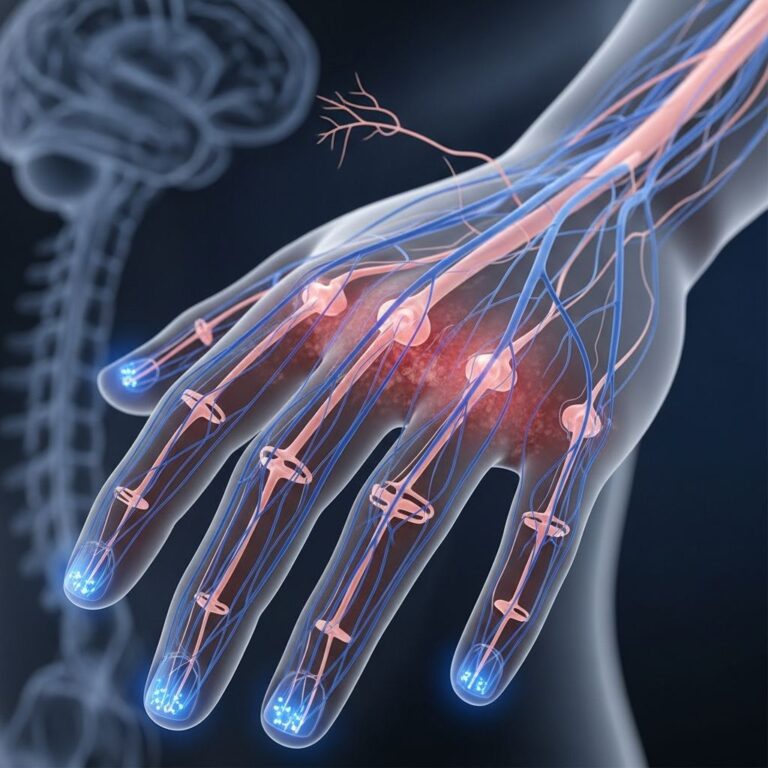
– Tactile hallucinations: feeling sensations such as being touched or insects crawling on the skin
– Olfactory and gustatory hallucinations: smelling or tasting things that aren’t present, though these are less common
Auditory hallucinations, particularly hearing voices, are among the most frequently reported symptoms in psychotic conditions.
Delusions
Delusions are firmly held false beliefs that persist despite clear evidence to the contrary. These beliefs feel absolutely real to the person experiencing them and are not based on actual facts or reality. Common types of delusions include:
– Persecutory delusions: beliefs that one is being targeted, harassed, or conspired against
– Reference delusions: belief that random events or actions are directed at oneself
– Grandiose delusions: false beliefs about having special powers, importance, or abilities
– Nihilistic delusions: beliefs that something doesn’t exist or that one is dead or doesn’t exist
Delusions can range from simple to complex and may significantly influence a person’s behavior and decision-making.
Additional Symptoms Associated with Psychosis
Beyond hallucinations and delusions, individuals experiencing psychosis may exhibit other symptoms that affect their functioning and social interactions.
Cognitive and Behavioral Changes
Psychosis can cause significant disruption in thinking patterns and behavior:
– Disordered or confused thoughts
– Disorganized speech that is difficult to follow
– Catatonic or grossly disorganized behavior
– Difficulty concentrating or thinking clearly
– Negative symptoms including reduced emotional expression or motivation
– Social withdrawal and isolation
– Changes to eating or sleep patterns
– Weight gain or loss
– Extreme frustration and anger
These symptoms often make it challenging for individuals to maintain employment, attend school, or sustain meaningful relationships.
Anosognosia: Lack of Insight
A particularly significant symptom associated with psychosis is anosognosia, commonly referred to as “lack of insight.” This is more than simple denial. Anosognosia means that a person’s brain literally cannot recognize or understand the signs, symptoms, or evidence of their condition. This symptom is exceptionally common in schizophrenia and other primary psychotic disorders, which means individuals often don’t believe they have a mental health condition and may actively resist seeking or accepting treatment.
Related Stories



Early Warning Signs of Psychosis
Recognizing early warning signs can be crucial for timely intervention. Early warning signs of psychosis are often subtle and may not be immediately obvious. They can vary depending on the underlying cause and may appear days or even weeks before more prominent symptoms emerge. Some common early warning signs include:
– Social withdrawal and isolation from friends and family
– Difficulty concentrating or organizing thoughts
– Unusual or suspicious thoughts
– Changes in sleep patterns
– Increased anxiety or paranoia
– Difficulty understanding or processing information
– Neglect of personal hygiene or appearance
Early detection and intervention can significantly improve outcomes and help prevent symptom progression.
Causes and Risk Factors
The exact causes of psychosis are complex and involve multiple factors. Researchers believe that psychosis typically develops due to a combination of genetic, neurobiological, psychological, and environmental factors working together. Understanding these contributing factors can help identify those at higher risk.
Biological Factors
Several biological factors may contribute to the development of psychosis:
– Genetic predisposition and family history of psychotic disorders
– Imbalances in neurotransmitters, particularly dopamine and serotonin
– Brain structural or functional abnormalities
– Prenatal factors or birth complications
– Medical conditions affecting the brain or nervous system
– Substance use, particularly stimulants or hallucinogens
Environmental and Social Factors
Life experiences and environmental stressors can also play a significant role:
– Severe psychological stress or trauma
– Social isolation or difficult life circumstances
– Migration or acculturation stress
– Urban living environments
– Substance abuse, especially during adolescence
Psychosis often emerges during late adolescence or early adulthood, periods marked by significant biological and social changes.
Types and Classification of Psychotic Disorders
Psychosis can occur as a primary feature of various mental health conditions. Different classifications exist depending on the primary symptoms and underlying causes.
Primary Psychotic Disorders
Primary psychotic disorders are conditions where psychotic symptoms form the core features of the disorder. These include:
Schizophrenia Spectrum Disorders: These encompass a range of conditions with varying severity and symptom presentation, including late-onset schizophrenia (LOS) and very-late onset schizophrenia-like psychosis (VLOS).
Delusional Disorder: This condition is primarily characterized by one or more delusions that persist for at least one month, with minimal impact on overall functioning beyond areas related to the delusions.
Brief Psychotic Disorder: Symptoms last between one day and one month before full remission occurs.
Schizoaffective Disorder: This condition combines symptoms of schizophrenia with significant mood disorder symptoms, including depression or mania.
Secondary Psychotic Disorders
Psychosis can also occur as a symptom of other medical or psychiatric conditions, including major depressive disorder, bipolar disorder, and postpartum psychosis, particularly when depressive symptoms are involved.
Psychosis in Special Populations
Psychotic symptoms can manifest differently across various age groups and medical contexts.
Psychosis in Older Adults
Older adults are particularly at risk for developing psychosis secondary to various medical conditions, medications, and substance use due to higher medical comorbidity and increased sensitivity to drug effects. Common causes in older adults include neurocognitive disorders, with hallucinations or delusions present in approximately 40% to 41% of cases of Alzheimer’s disease. Delirium is another significant cause, with psychotic symptoms occurring in approximately 42.7% of delirium cases.
Postpartum Psychosis
Postpartum psychosis (PPP) is a psychiatric emergency that occurs after childbirth. The depressive subtype is the most common, accounting for approximately 41% of cases and presenting the greatest risk of harm. The manic subtype affects about 34% of cases, while mixed presentations comprise approximately 25% of cases.
Diagnosis of Psychosis
Diagnosing psychosis involves a comprehensive evaluation by mental health professionals. A mental health provider typically diagnoses psychosis based on:
– Direct observation of symptoms
– Patient description of their experiences
– Physical and neurological examinations
– Detailed psychiatric history
– Collateral information from family members or others close to the patient
Additional tests such as brain imaging (MRI or CT scans) may be conducted to rule out other medical conditions or identify underlying causes of psychosis. However, these tests cannot directly diagnose psychosis itself. Laboratory testing may also be performed to eliminate metabolic disorders or other medical etiologies.
Treatment Approaches for Psychosis
Psychosis is a treatable condition, and early intervention significantly increases the likelihood of a positive outcome. Treatment typically involves a combination of approaches tailored to the individual’s specific needs.
Medication Management
Antipsychotic medications are often a cornerstone of psychosis treatment. These medications work by modulating neurotransmitter activity, particularly dopamine, to reduce psychotic symptoms. Regular medication adherence is crucial for symptom management and preventing relapse.
Psychotherapy and Counseling
Various therapeutic approaches can help individuals cope with psychotic symptoms and address underlying issues:
– Cognitive behavioral therapy (CBT) adapted for psychosis
– Family psychoeducation and therapy
– Individual psychotherapy
– Supportive counseling
– Group therapy and peer support
Lifestyle and Self-Care Strategies
Supporting overall wellness can enhance treatment effectiveness:
– Maintaining regular sleep and eating patterns
– Engaging in physical activity
– Managing stress through mindfulness or relaxation techniques
– Limiting substance use
– Maintaining social connections and support networks
– Following healthcare provider recommendations consistently
Importance of Treatment Adherence
If a healthcare provider diagnoses you with psychosis, following their treatment recommendations is essential for recovery and stability. This may feel difficult, especially if anosognosia prevents full recognition of symptoms, but consistent treatment dramatically improves outcomes and quality of life.
Frequently Asked Questions
Q: What is the difference between psychosis and a hallucination?
A: A hallucination is a specific symptom of psychosis involving a false perception, while psychosis is a broader condition characterized by disconnection from reality that can include hallucinations, delusions, and other symptoms.
Q: Can psychosis be cured permanently?
A: With proper treatment including medication and therapy, many individuals with psychosis achieve significant symptom reduction and can function well in daily life. Some people experience full remission, though ongoing management may be necessary.
Q: Is psychosis hereditary?
A: Genetic factors play a role in psychosis risk. Having a family history of psychotic disorders increases likelihood, but genetics alone don’t determine whether someone will develop psychosis—environmental factors also contribute significantly.
Q: How long does it take to recover from psychosis?
A: Recovery timelines vary considerably depending on the cause, severity, and how quickly treatment begins. Early intervention generally leads to faster recovery, with many individuals showing significant improvement within weeks to months of starting treatment.
Q: Can substance use trigger psychosis?
A: Yes, certain substances, particularly stimulants and hallucinogens, can trigger psychotic symptoms. In some cases, substance-induced psychosis resolves after the substance is discontinued, though in vulnerable individuals it may precipitate underlying psychotic disorders.
Q: What should I do if someone I know is experiencing psychosis?
A: Encourage them to seek professional help from a mental health provider or visit an emergency room if they’re in crisis. Provide support and understanding, remain calm, and avoid arguing about the reality of their experiences.
References
- Postpartum Psychosis: What It Is, Symptoms & Treatment — Cleveland Clinic. 2024. https://my.clevelandclinic.org/health/diseases/24152-postpartum-psychosis
- Exploring The Symptoms Of Psychosis In Early Adulthood — BetterHelp. 2024. https://www.betterhelp.com/advice/psychosis/exploring-the-connection-between-young-people-and-psychosis/
- Psychotic Disorders in Late Life: A Narrative Review — National Institutes of Health, PMC. 2019. https://pmc.ncbi.nlm.nih.gov/articles/PMC6796200/
- Paranoid Schizophrenia: What It Is, Symptoms & Treatment — Cleveland Clinic. 2024. https://my.clevelandclinic.org/health/diseases/23348-paranoid-schizophrenia
- Schizoaffective Disorder: What It Is, Symptoms & Treatment — Cleveland Clinic. 2024. https://my.clevelandclinic.org/health/diseases/21544-schizoaffective-disorder
- Psychosis: What It Is, Symptoms, Causes, Types & Treatment — Cleveland Clinic. 2024. https://my.clevelandclinic.org/health/symptoms/23012-psychosis
- Delusional Disorder: Causes, Symptoms, Types & Treatment — Cleveland Clinic. 2024. https://my.clevelandclinic.org/health/diseases/9599-delusional-disorder
Similar Articles








Read full bio of Sneha Tete