Psychosis vs. Schizophrenia: Key Differences Explained
Understand the critical distinctions between psychosis and schizophrenia and when to seek professional help.
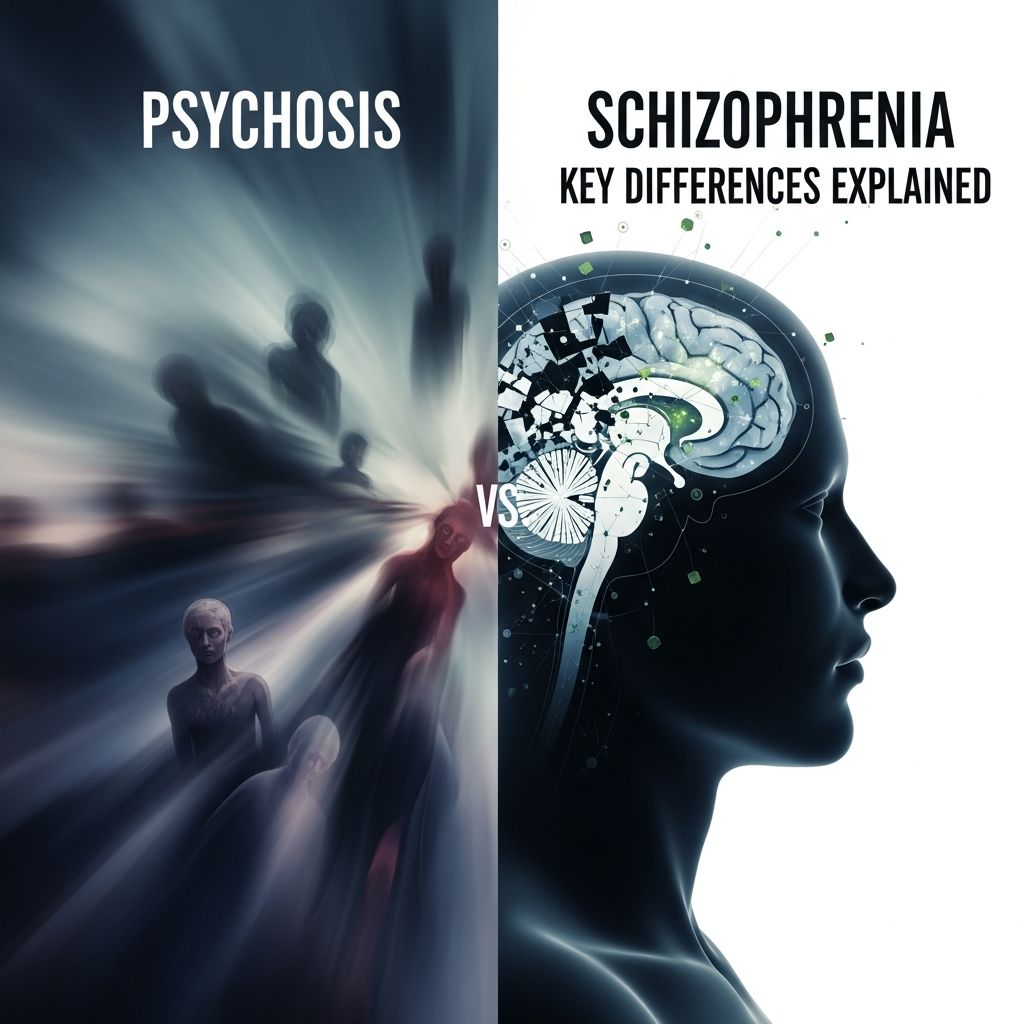
Many people use the terms psychosis and schizophrenia interchangeably, but they are not the same. Understanding the distinction between them is crucial for recognizing symptoms early, seeking appropriate treatment, and supporting those affected by these conditions. While psychosis is a symptom that can occur in isolation or as part of various mental health disorders, schizophrenia is a specific chronic mental health condition in which psychosis is a key feature. This article explores the differences, similarities, and important distinctions between these two mental health experiences.
What Is Psychosis?
Psychosis is a syndrome or group of symptoms in which a person loses touch with reality. It is not a diagnosis itself but rather a collection of experiences characterized by distorted perception and thinking. During an episode of psychosis, an individual may struggle to distinguish between what is real and what is not, leading to confusion, fear, and difficulty functioning in daily life. Psychosis can occur independently or as a symptom of other mental health conditions, including schizophrenia, bipolar disorder, and schizoaffective disorder.
The experience of psychosis is often described as a “break” from reality. This break involves fundamental disruptions in how the brain processes information, resulting in thoughts and perceptions that do not align with objective reality. People experiencing psychosis may exhibit strange and persistent behaviors, thoughts, and emotions that are confusing and frightening—both to themselves and to those around them.
What Is Schizophrenia?
Schizophrenia is a chronic mental health disorder that affects how a person thinks, feels, and behaves. Unlike psychosis, which can be temporary and triggered by specific events or conditions, schizophrenia is a long-term condition that requires ongoing management and treatment. Schizophrenia is characterized by a complex set of symptoms that extend beyond psychosis alone.
Because psychosis and schizophrenia are closely linked, understanding their differences helps tailor effective treatment strategies. While psychosis is a key feature of schizophrenia, representing one part of a broader set of challenges, schizophrenia involves disruptions in thought processes, emotional regulation, and behavior that often impact daily life and relationships in multiple ways.
Psychosis vs. Schizophrenia: Classification
The most fundamental difference between psychosis and schizophrenia is their classification. Psychosis is a symptom, not a diagnosis, whereas schizophrenia is a mental health disorder. This distinction is critical: a person may experience psychosis without having schizophrenia, but a person with schizophrenia will experience psychosis as part of their condition. In fact, psychosis is a required symptom for a schizophrenia diagnosis.
There are no subtypes of psychosis, though each individual may uniquely experience mental disruptions. However, there are different types of schizophrenia, and all of them are associated with psychosis. Understanding this classification helps healthcare professionals determine the appropriate diagnosis and treatment approach.
Key Symptoms of Psychosis
Psychosis is marked by a range of experiences that distort perception and thinking. The main symptoms include:
- Hallucinations: Hearing voices or seeing things that are not there. Hallucinations can occur through any sense—hearing, sight, smell, taste, or touch—though hearing voices is the most common form.
- Delusions: Strong, false beliefs that resist logical explanation and are not shared by others. Examples include believing others want to hurt you or that you have special powers.
- Paranoia: Feeling threatened or persecuted without factual basis, often believing that others are conspiring against you.
- Disorganized thinking: Confused thoughts leading to unclear or incoherent speech and difficulty concentrating.
Related Stories



Additional warning signs of psychosis include:
- Suspiciousness or uneasiness with others
- Trouble thinking clearly and logically
- Social withdrawal and spending more time alone
- Unusual or overly intense ideas, or lack of feelings
- Decline in self-care or personal hygiene
- Sleep disruption and difficulty falling asleep
- Difficulty distinguishing reality from fantasy
- Confused or inconsistent speech and behavior
- Sudden drop in grades or job performance
Key Symptoms of Schizophrenia
Schizophrenia includes all the signs of psychosis but extends far beyond them. The symptoms are often categorized as positive, negative, and cognitive:
Positive Symptoms
Positive symptoms refer to the addition of abnormal experiences or behaviors:
- Hallucinations and delusions: These form part of the psychotic symptom cluster.
- Disorganized speech: Difficulty organizing thoughts clearly, resulting in unclear communication.
- Inability to think clearly: Confused thought processes affecting cognition.
- Hyperactivity: Increased physical or mental activity.
Negative Symptoms
Negative symptoms involve a reduction or loss of normal functioning:
- Flat affect: Limited or no emotional expression through facial expressions or tone of voice.
- Avolition: Reduced motivation to engage in daily activities.
- Low motivation: Difficulty starting or continuing activities or conversations.
- Social withdrawal: Discomfort around others and avoidance of social interactions.
- Decline in feelings of pleasure: Reduced ability to experience happiness in daily life.
- Lack of speech or isolation: Restricted communication and withdrawal from engagement.
Cognitive Symptoms
Cognitive deficits in schizophrenia include:
- Challenges with memory, focus, and problem-solving
- Difficulty with executive functioning and planning
Additional Schizophrenia Symptoms
- Disorganized motor behavior: Unusual movements or difficulty controlling motor functions.
- Catatonic behavior: Extreme unresponsiveness or unusual posturing.
- Social difficulties: Challenges in maintaining relationships and social interactions.
- Reduced ability to function: Such as neglecting personal hygiene or failing to maintain work or school responsibilities.
- Emotional disruption: Including anxiety and other emotional disturbances.
Duration and Course
A key difference between psychosis and schizophrenia is their duration. Psychosis is often short-term and episode-based, lasting from days to weeks, depending on the underlying cause. Once the triggering factor is addressed—such as substance withdrawal or trauma processing—psychotic symptoms often resolve. In contrast, schizophrenia is long-term and persistent. People with schizophrenia experience ongoing symptoms that require continuous management, medication, and support throughout their lives.
What Triggers Psychosis?
Psychosis can be triggered by intense short-term stressors or health-related issues. Common triggers include:
- Trauma: Emotional or physical trauma can provoke psychotic episodes.
- Substance use: Drugs or alcohol can lead to substance-induced psychosis.
- Sleep deprivation: Severe lack of sleep disrupts brain function and can trigger psychosis.
- Extreme stress: High stress levels can temporarily impair perception and trigger psychotic experiences.
- Medical conditions: Neurological issues, infections, or other medical conditions may contribute to psychosis.
Unlike psychosis, schizophrenia is not typically triggered by external events. Instead, it develops due to genetic, neurobiological, and environmental factors that interact over time. The onset of schizophrenia is usually gradual, often appearing in late adolescence or early adulthood.
Diagnostic Criteria
The diagnostic process for psychosis and schizophrenia differs significantly. Psychosis is diagnosed when a person exhibits hallucinations, delusions, or disorganized thinking, but there are no rigid diagnostic criteria—the presence of these symptoms, their severity, and their impact on functioning are considered.
For schizophrenia, the diagnostic criteria are more rigid. Healthcare professionals diagnose schizophrenia when a person has experienced two or more of five major symptoms for at least one month, with some level of disturbance persisting for at least six months. One of these symptoms must be delusions, hallucinations, or disorganized speech. Additionally, schizophrenia diagnosis often involves a decline in functioning, whether in work, relationships, or self-care.
Psychosis vs. Schizophrenia: Comparison Table
| Criteria | Psychosis | Schizophrenia |
|---|---|---|
| Nature | A symptom, not a diagnosis | A chronic mental health condition |
| Duration | Often short-term, episode-based | Long-term, persistent |
| Triggers | Trauma, substances, sleep deprivation, medical issues | Genetic, neurobiological, and environmental factors |
| Primary Symptoms | Hallucinations, delusions, disorganized thinking | Positive, negative, and cognitive symptoms including psychosis |
| Course | Can resolve once trigger is removed | Requires ongoing management and treatment |
| Diagnostic Criteria | Flexible; based on symptom presence and impact | Rigid; requires specific symptoms for specific duration |
When to Seek Professional Help
Whether someone is experiencing psychosis or schizophrenia, professional mental health support is essential. If you or a loved one is experiencing hallucinations, delusions, disorganized thinking, or significant changes in behavior or functioning, it is important to seek help from a mental health professional as soon as possible. Early intervention can prevent symptoms from worsening and improve outcomes.
A healthcare provider can conduct a thorough evaluation, determine the underlying cause of symptoms, rule out medical conditions, and develop an appropriate treatment plan. Treatment may include medication, therapy, lifestyle changes, and support from family and community resources.
Frequently Asked Questions (FAQs)
Q: Can someone experience psychosis without having schizophrenia?
A: Yes, absolutely. Psychosis can occur independently in response to trauma, substance use, sleep deprivation, extreme stress, or medical conditions. Not everyone who experiences psychosis has schizophrenia.
Q: Is psychosis curable?
A: Psychosis is often treatable, especially when the underlying cause—such as substance use or sleep deprivation—is addressed. Once the trigger is resolved, psychotic symptoms frequently resolve as well. However, psychosis that is part of schizophrenia or other chronic disorders requires ongoing management.
Q: Is schizophrenia curable?
A: Schizophrenia is not currently curable, but it is highly manageable with appropriate treatment, including medication, therapy, and support. Many people with schizophrenia achieve significant symptom reduction and lead fulfilling lives with proper care.
Q: Do all people with schizophrenia experience the same symptoms?
A: No. Schizophrenia presents differently in each person. While all individuals with schizophrenia experience psychosis, the prominence and type of other symptoms—such as negative or cognitive symptoms—can vary significantly from person to person.
Q: How is psychosis different from psychotic disorder?
A: Psychosis is a symptom or experience, while psychotic disorder is a diagnosis. Brief psychotic disorder, for example, is diagnosed when psychotic symptoms last between one day and one month.
Q: What is the first step if someone is experiencing psychotic symptoms?
A: The first step is to seek evaluation from a mental health professional or healthcare provider who can assess symptoms, rule out medical causes, and provide an accurate diagnosis and treatment plan.
References
- Psychosis vs. Schizophrenia: Key Differences — Amae Health. 2025. https://www.amaehealth.com/blog/psychosis-vs-schizophrenia-whats-the-difference
- Psychosis vs. Schizophrenia: What’s the Difference? — Springbrook Hospital. 2025. https://www.springbrookhospital.org/psychosis-vs-schizophrenia-whats-the-difference/
- Understanding the Difference Between Psychosis and Schizophrenia — Healthline. 2025. https://www.healthline.com/health/schizophrenia/psychosis-vs-schizophrenia
- Schizophrenia & Psychosis — St Patrick’s Mental Health Services. 2025. https://www.stpatricks.ie/mental-health/schizophrenia-psychosis
- What’s the Difference Between Psychosis and Schizophrenia? — Alter Behavioral Health. 2025. https://alterbehavioralhealth.com/blog/whats-the-difference-between-psychosis-and-schizophrenia/
- What’s the difference between psychosis and schizophrenia? — HeretoHelp. British Columbia Partners for Mental Health and Substance Use Information. 2025. https://www.heretohelp.bc.ca/q-and-a/whats-the-difference-between-psychosis-and-schizophrenia
- Understanding Psychosis — National Institute of Mental Health (NIMH). U.S. National Institutes of Health. 2025. https://www.nimh.nih.gov/health/publications/understanding-psychosis
Similar Articles








Read full bio of medha deb