Psychosocial Factors in Dermatology
Understanding the profound connection between mental health and skin disease outcomes.
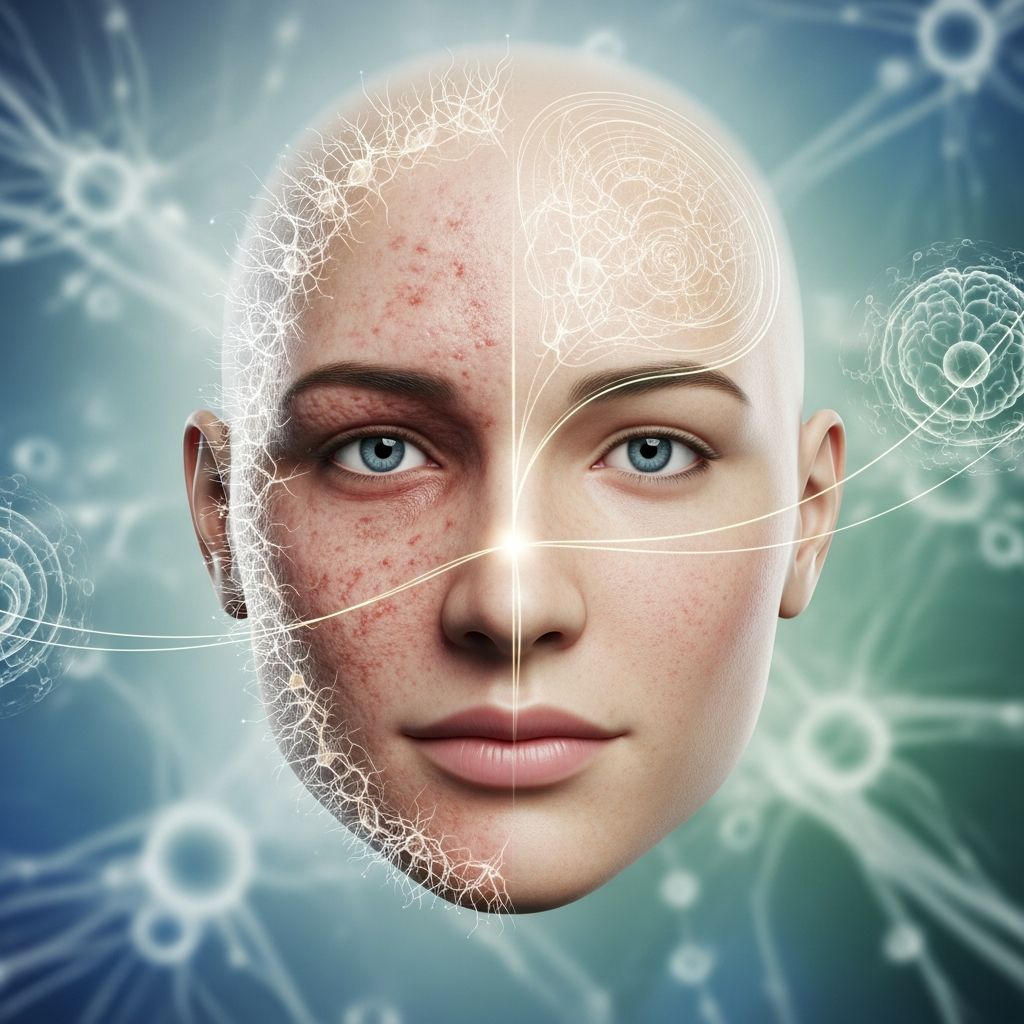
Understanding Psychosocial Factors in Dermatology
Dermatology is not merely a medical discipline concerned with the physical manifestations of skin disease. The field increasingly recognizes the profound interconnection between psychological well-being, social circumstances, and cutaneous health. Psychosocial factors encompass the emotional, behavioral, and social dimensions that influence both the development and progression of skin conditions. Approximately 30 percent of chronic skin conditions are thought to be influenced by psychiatric disturbances, underscoring the critical importance of understanding this relationship.
The impact of skin disease extends far beyond physical symptoms. Patients experiencing dermatological conditions frequently report emotional difficulties including shame, poor self-image, and low self-esteem. These psychological consequences can significantly impair quality of life and complicate treatment outcomes. Recognition of this bidirectional relationship—where mental health affects skin disease and skin disease affects mental health—is essential for effective clinical management.
The Bidirectional Relationship Between Skin Disease and Psychology
The relationship between dermatology and psychology operates in both directions. Psychological distress can precipitate or exacerbate skin conditions, while skin disease itself generates psychological burden. Understanding this complex interplay is fundamental to comprehensive patient care.
Research demonstrates that the proportion of patients reporting emotional triggers varies significantly across different skin conditions, ranging from approximately 50 percent in acne to greater than 90 percent in conditions such as rosacea, alopecia areata, neurotic excoriations, and lichen simplex. This variability reflects the different mechanisms through which stress influences skin pathophysiology and individual susceptibility factors.
The emotional problems associated with skin disease depend on multiple variables, including the natural history of the disease, the patient’s demographic characteristics and personality traits, their life situation, and crucially, the cultural and familial meaning attributed to the condition. These contextual factors significantly shape how individuals experience and adapt to dermatological illness.
Categories of Psychodermatological Disorders
Psychodermatological conditions are typically categorized into three distinct groups, each with unique characteristics and clinical implications:
- Primary psychiatric disorders presenting with dermatological manifestations, such as body dysmorphic disorder and delusional parasitosis
- Dermatological conditions exacerbated by psychological factors, where psychiatric symptoms trigger or worsen existing skin disease
- Psychophysiologic disorders, where dermatologic disease is modified or aggravated by psychosocial triggers
This classification framework helps clinicians identify the underlying mechanisms driving specific presentations and tailor interventions accordingly.
Psychophysiologic Disorders and Stress-Related Skin Conditions
In psychophysiologic disorders, psychiatric factors are instrumental in the etiology and course of skin conditions. Importantly, the skin disease is not caused by stress but appears to be precipitated or exacerbated by stress. This distinction is clinically significant because it acknowledges organic pathology while recognizing the substantial role psychological factors play in disease manifestation.
Atopic Dermatitis
Atopic dermatitis exemplifies the profound influence of psychosocial factors on dermatological disease. Stressful life events preceding the onset of disease have been found in more than 70 percent of atopic dermatitis patients. Symptom severity has been attributed to interpersonal and family stress, with problems in psychosocial adjustment and low self-esteem frequently noted in affected individuals.
Family dynamics play a particularly important role in atopic dermatitis outcomes. Dysfunctional family relationships may lead not only to lack of therapeutic response but also to developmental arrest in affected children. This observation underscores the importance of assessing and potentially addressing family stressors as part of comprehensive treatment planning.
Other Stress-Sensitive Conditions
Beyond atopic dermatitis, numerous skin conditions demonstrate significant sensitivity to psychological stress. Conditions such as psoriasis, acne, vitiligo, and herpes simplex virus infections all show documented associations with psychosocial factors including stress, anxiety, and depression. These associations suggest that stress-reduction interventions and psychological support may constitute important adjuncts to conventional dermatological treatment.
Demographic and Social Determinants of Psychodermatologic Burden
The experience of psychodermatological illness is not uniformly distributed across populations. Certain demographic groups face disproportionate psychosocial burden related to skin disease, reflecting complex interactions between biological susceptibility, social environment, and systemic factors.
Gender Differences
Women experience unique psychosocial vulnerabilities in dermatology. Female patients demonstrate heightened correlations between skin conditions and decreased body image satisfaction, disordered eating patterns, sleep disturbances, and suicidal ideation compared to male counterparts. These findings suggest that gender-specific assessment and intervention strategies may improve outcomes for female dermatology patients.
Additionally, psychosocial factors such as stigma and discrimination can manifest differently across genders. Women in higher socioeconomic classes may experience greater stigma related to visible skin disease, while the social meaning of particular conditions may vary significantly by cultural context.
Socioeconomic Status and Access to Care
Lower socioeconomic status (SES) adolescents face compounded psychodermatological challenges. These individuals experience greater exposure to stressful life events, sustained elevation of cortisol levels, and higher prevalence of comorbid psychiatric disorders. Cortisol, a key stress hormone, has wide-ranging effects on skin physiology, including alterations in skin barrier function and immune cell activity.
Research examining adolescents with dermatologic conditions reveals that those from lower SES backgrounds demonstrate higher rates of depression, anxiety, and suicidal ideation compared to the general adolescent population. These findings highlight the urgent need for public health initiatives and clinician-level interventions to address disparities in psychodermatological care.
Racial and Ethnic Considerations
Psychosocial impacts of skin disease vary significantly across racial and ethnic populations. The experience of stigma, discrimination, and marginalization represents a substantial psychosocial stressor for patients of color. In certain conditions, such as leprosy and albinism, research from diverse geographic regions documents significant psychiatric morbidity, including depression, anxiety, and substance abuse disorders.
Psychological and Emotional Consequences of Skin Disease
The psychological sequelae of dermatological illness extend across multiple domains of mental health and social functioning. Understanding these consequences is essential for recognizing when comprehensive, interdisciplinary intervention is warranted.
- Body image disturbance: Skin disease often precipitates negative body image perception, particularly when visible areas are affected
- Social withdrawal: Patients may avoid social engagement due to embarrassment or fear of judgment
- Academic and occupational impairment: Psychological distress and visible skin disease can interfere with school and work performance
- Depression and anxiety: Elevated rates of mood and anxiety disorders occur among patients with chronic skin conditions
- Suicidal ideation: In severe cases, particularly among adolescents, dermatological disease has been associated with increased suicide risk
Social Support and Adaptation to Skin Disease
Social support represents a critical moderating factor in how individuals adapt to dermatological illness. Patients receiving substantial support from family, friends, and significant others demonstrate better psychological adjustment and improved quality of life compared to those with limited social networks.
Research on acne patients reveals particularly compelling evidence for the protective role of social support. Acne patients who were married or living in rural communities with stronger social cohesion reported better overall health perceptions, a benefit attributable to enhanced social support. Furthermore, combination of pharmacological treatment with psychotherapy to improve social support and self-esteem facilitates better adaptation to acne and reduces psychological burden.
Interestingly, seasonal and environmental factors influence perceived social support. Research conducted during summer months revealed that both dermatological patients and control participants reported lower perceived social support, likely reflecting summer-related preoccupation with appearance that diminishes reliance on social networks.
Clinical Implications and Interdisciplinary Approaches
Recognition of psychosocial factors in dermatology necessitates fundamental shifts in clinical practice and healthcare delivery models. Several key principles should guide interdisciplinary care:
- Comprehensive assessment: Dermatologists should routinely inquire about psychiatric history, current mood symptoms, and psychosocial stressors
- Medication awareness: Certain medications commonly prescribed for inflammatory skin conditions, including isotretinoin and biological agents, have been associated with suicidal ideation and require careful psychiatric monitoring
- Psychological referral: Early identification and referral of patients with significant psychological burden can prevent complications and improve treatment adherence
- Stigma reduction: Healthcare providers should actively work to reduce stigma around both dermatological illness and mental health conditions
- Cultural competence: Understanding how cultural and familial contexts shape the meaning and experience of skin disease is essential for effective care
Factors Affecting Psychosocial Impact
The extent to which skin disease generates psychosocial burden depends on multiple interacting factors. Clinical appreciation of these variables enables more nuanced and effective patient care.
| Factor Category | Specific Variables | Clinical Relevance |
|---|---|---|
| Disease characteristics | Visibility, chronicity, severity, location of lesions | Affects magnitude of psychosocial burden |
| Individual factors | Age, gender, personality traits, pre-existing mental health conditions | Influences vulnerability to psychological complications |
| Contextual factors | Family dynamics, socioeconomic status, cultural background, occupational demands | Shapes meaning and adaptation trajectory |
| Support systems | Family, peer, and professional support networks | Moderates psychological adjustment and treatment outcomes |
Early Life Experiences and Long-Term Consequences
The psychological impact of dermatological illness is not limited to the immediate disease episode. Early childhood experiences significantly shape long-term psychological outcomes. Lack of positive nurturing during childhood may lead in adulthood to disorders of self-image, distortion of body image, and behavioral problems.
This developmental perspective suggests that intervention in pediatric populations should extend beyond symptom management to encompass parental education, family support, and psychological monitoring. Early intervention may prevent the crystallization of maladaptive psychological patterns that persist into adulthood.
Specific High-Risk Populations and Conditions
Certain populations and specific dermatological conditions warrant particular clinical attention due to elevated psychosocial vulnerability. Adolescents with acne represent a particularly vulnerable population, experiencing heightened psychosocial and emotional impairment and demonstrating lower perceived social support compared to patients with other conditions.
Additionally, patients with conditions characterized by high emotional triggers—including rosacea, alopecia areata, and lichen simplex—require comprehensive psychosocial assessment and potentially integrated mental health intervention. The recognition of these high-risk scenarios enables clinicians to proactively address psychological needs before severe complications develop.
Frequently Asked Questions (FAQs)
Q: Can stress actually cause skin disease?
A: Stress does not directly cause skin disease but can precipitate or exacerbate existing conditions through neuroendocrine and immunological pathways. The proportion of patients reporting emotional triggers varies considerably by condition, from approximately 50% in acne to greater than 90% in rosacea and alopecia areata.
Q: Should dermatologists screen for mental health conditions?
A: Yes. A biopsychosocial approach to dermatological care includes routine assessment of psychiatric history, current mood symptoms, and psychosocial stressors. This screening can identify patients requiring mental health referral and ensure safe prescribing of medications with psychiatric side effects.
Q: How does social support affect skin disease outcomes?
A: Social support significantly moderates psychological adjustment and treatment outcomes in dermatological illness. Patients with strong social support networks demonstrate better adaptation, improved self-esteem, and enhanced quality of life compared to those with limited support.
Q: Are certain demographic groups at higher risk for psychodermatological complications?
A: Yes. Adolescents, women, and individuals with lower socioeconomic status face disproportionate psychosocial burden from skin disease. These populations experience higher rates of comorbid psychiatric conditions and greater vulnerability to psychosocial complications.
Q: What role does family dynamics play in skin disease management?
A: Family dynamics significantly influence disease outcomes, particularly in childhood-onset conditions like atopic dermatitis. Dysfunctional family relationships can impair therapeutic response and interfere with normal development, highlighting the importance of family-based interventions.
References
- Psychodermatology: A Guide to Understanding Common Skin Conditions — National Center for Biotechnology Information. 2008. https://pmc.ncbi.nlm.nih.gov/articles/PMC1911167/
- Management of Psychodermatologic Conditions — Journal of the California Dental Association. 2024. https://jcadonline.com/management-of-psychodermatologic-conditions-physicians/
- Psychological Impact of Skin Disorders on Patients’ Self-esteem and Perceived Social Support — Dermatology Journal. 2023. https://www.dermatoljournal.com/articles/psychological-impact-of-skin-disorders-on-patients-self-esteem-and-perceived-social-support.html
- Psychosocial Effect of Common Skin Diseases — National Center for Biotechnology Information. 2008. https://pmc.ncbi.nlm.nih.gov/articles/PMC2214020/
- Psychosocial Issues in Dermatology — European Medical Journal. 2023. https://www.emjreviews.com/dermatology/article/psychosocial-issues-in-dermatology/
Similar Articles


Read full bio of medha deb