Psychosomatic Disorder: Mind-Body Connection
Understanding how mental stress affects physical health and effective treatment options.
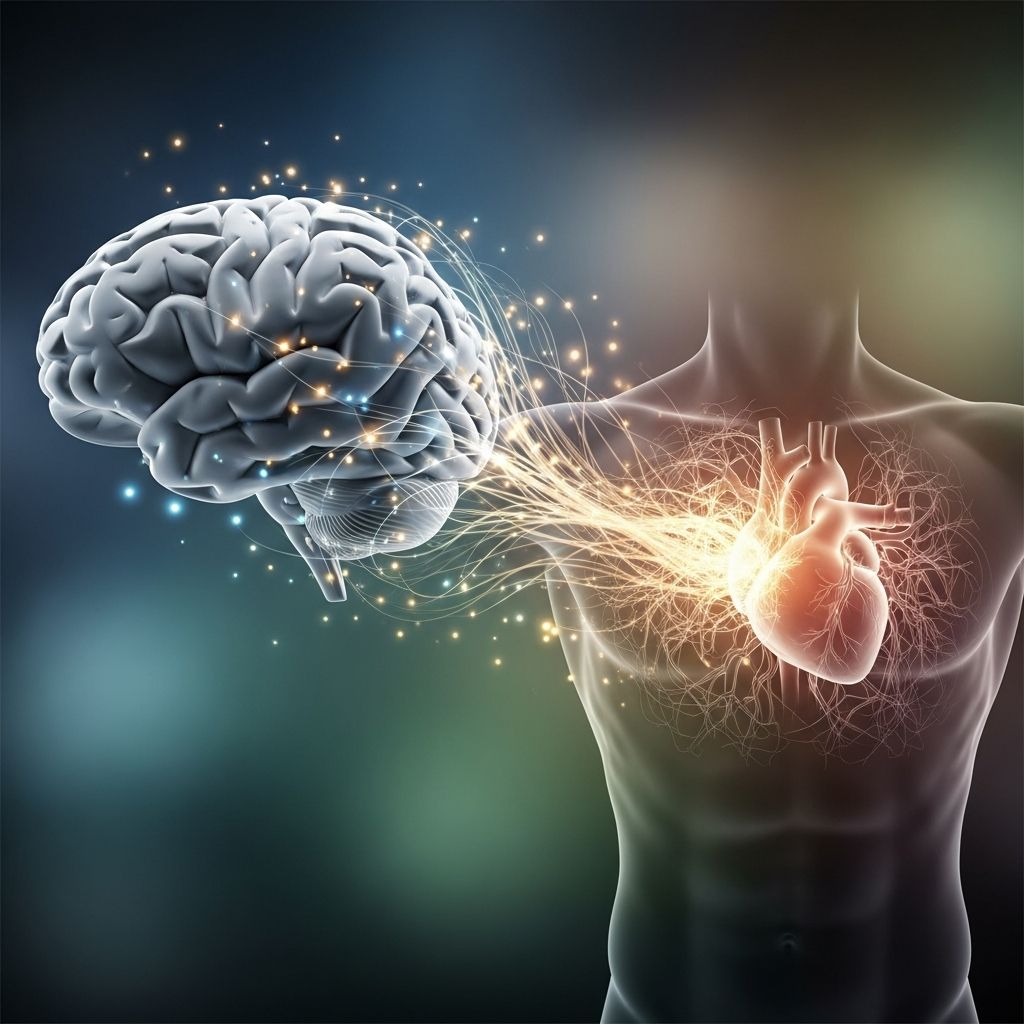
Understanding Psychosomatic Disorder
A psychosomatic disorder represents a profound connection between mental and physical health, occurring when psychological stress and emotional distress cause or significantly worsen a physical condition and its accompanying symptoms. The term itself breaks down into two components: “psycho” refers to the mind, while “somatic” relates to the body. This interplay between mental well-being and physical manifestations has long been recognized in medical practice, though it remains often misunderstood by the general population.
Unlike somatic symptom disorder, which involves an extreme and disproportionate focus on physical symptoms causing major distress and functional impairment, a psychosomatic disorder specifically describes situations where stress—whether directly related to physical ailments or independent of them—exacerbates existing physical conditions. The American Psychiatric Association’s Diagnostic and Statistical Manual of Mental Disorders (DSM-5) recognizes somatic symptom disorder as a clinical diagnosis, though it does not formally recognize psychosomatic disorder as a standalone condition in the same manner.
The Mind-Body Connection in Psychosomatic Disorders
The relationship between psychological factors and physical symptoms has become increasingly validated through scientific research. Chronic stress activates various physiological pathways that can either trigger or intensify physical symptoms. When individuals experience persistent psychological distress, their bodies respond through multiple mechanisms including hormonal changes, immune system dysregulation, and muscle tension patterns that contribute to measurable physical symptoms.
This connection is bidirectional in nature. Just as psychological stress can worsen physical conditions, the presence of physical symptoms can create additional psychological burden, anxiety, and depression. This cyclical pattern can perpetuate both the mental and physical aspects of the disorder, making comprehensive treatment essential for breaking this harmful cycle.
Common Causes of Psychosomatic Disorders
Multiple psychological and environmental factors can contribute to the development or worsening of psychosomatic disorders. Understanding these underlying causes is crucial for effective treatment planning and prevention:
Psychological Stress Factors: Chronic stress from work, relationships, financial concerns, or major life changes can trigger or exacerbate physical symptoms. The body’s stress response system, when constantly activated, creates conditions favorable for symptom manifestation.
Trauma and PTSD: Individuals who have experienced traumatic events or carry symptoms of post-traumatic stress disorder demonstrate significantly higher rates of psychosomatic complaints. The neurobiological changes associated with trauma can predispose individuals to develop physical symptoms as a manifestation of psychological distress.
Anxiety and Depression: These mental health conditions frequently co-occur with psychosomatic disorders. The relationship between mood disorders and physical symptoms creates complex presentations requiring integrated treatment approaches.
Maladaptive Coping Styles: Certain coping mechanisms, particularly avoidant coping strategies and alexithymia (difficulty identifying and expressing emotions), make individuals more susceptible to developing somatic symptoms as an alternative way to process and communicate emotional distress.
Recognizing Symptoms of Psychosomatic Disorder
Psychosomatic disorders manifest through a diverse range of physical symptoms that often perplex both patients and healthcare providers because medical testing frequently fails to identify clear organic causes. Recognition of these symptoms is the first step toward appropriate diagnosis and treatment.
Related Stories



Common Physical Manifestations:
Individuals with psychosomatic disorders frequently experience multiple physical symptoms that may include chronic headaches, gastrointestinal disturbances such as stomach pain and digestive issues, persistent muscle tension and pain, sleep disturbances ranging from insomnia to hypersomnia, chronic fatigue that doesn’t improve with rest, and dermatological complaints such as skin rashes or other skin problems.
Cardiovascular symptoms can also present, including heart palpitations and chest discomfort, though these require careful evaluation to rule out organic cardiac conditions. Additionally, individuals may report fibromyalgia-like widespread pain, respiratory symptoms, and other unexplained physical complaints.
Psychological and Behavioral Symptoms: Beyond physical manifestations, individuals with psychosomatic disorders often demonstrate excessive preoccupation with their symptoms, heightened somatic hypervigilance (increased attention to bodily sensations), significant anxiety about their physical health, depression, and substantial disruption to daily functioning and quality of life.
Diagnosis of Psychosomatic Disorder
Accurate diagnosis of psychosomatic disorder requires a comprehensive evaluation combining medical assessment with psychiatric evaluation. Mental health providers, including psychologists and psychiatrists, employ specific diagnostic criteria to confirm the diagnosis.
The diagnostic process begins with a thorough medical workup to exclude organic medical causes. A person must demonstrate one or more symptoms causing significant distress or disrupting daily functioning for at least six months. Additionally, they must exhibit excessive thoughts, feelings, or behaviors in response to these symptoms that meet specific criteria.
Medical professionals must carefully differentiate psychosomatic disorder from other conditions. Healthcare providers conduct detailed history-taking, perform appropriate medical investigations, evaluate the temporal relationship between psychological stressors and symptom exacerbation, and assess the response to stress management interventions. This comprehensive approach ensures accurate diagnosis and appropriate treatment planning.
Effective Treatment Approaches
Treatment for psychosomatic disorder requires a holistic, integrated approach addressing both physical symptoms and underlying psychological factors. The primary goal involves managing physical symptoms while simultaneously treating psychological symptoms through evidence-based interventions.
Psychotherapy and Talk Therapy: Psychotherapy forms the cornerstone of psychosomatic disorder treatment. Cognitive Behavioral Therapy (CBT) has demonstrated particular effectiveness in helping individuals understand and modify their patterns of thinking and behavior that contribute to symptom escalation.
CBT operates by helping patients recognize connections between their thoughts, emotions, and physical symptoms. Through guided practice and structured exercises, individuals learn to identify unhelpful thought patterns, challenge catastrophic thinking about their symptoms, develop healthier coping mechanisms, and build resilience against stress.
Research demonstrates remarkable efficacy of psychological interventions. Meta-analyses of psychological treatments including CBT show that 47% of patients with psychosomatic complaints become symptom-free, while 82% experience significant symptom reduction of at least 50%.
Well-Being Therapy: Well-being therapy represents another evidence-based psychotherapeutic approach specifically beneficial for psychosomatic conditions. This strategy emphasizes self-observation and helps patients improve interpersonal relationships, enhance quality of life, and develop greater awareness of their symptom patterns within therapeutic contexts.
Medication Management: While psychotherapy remains primary, medications may complement treatment when appropriate. Antidepressants and anti-anxiety medications can help address underlying mood and anxiety disorders contributing to psychosomatic symptoms.
Stress Management and Lifestyle Modifications: Comprehensive treatment includes practical stress management techniques such as relaxation exercises, mindfulness meditation, regular physical activity, sleep optimization, and healthy lifestyle habits that reduce overall physiological stress burden.
Specialized Therapeutic Approaches: Depending on individual circumstances, additional interventions may include hypnosis, eye movement desensitization and reprocessing (EMDR) for trauma processing, prolonged exposure therapy for PTSD, cognitive processing therapy, intensive outpatient programs for mood disorders, dialectical behavioral therapy for personality concerns, and family therapy when family dynamics contribute significantly to the condition.
When to Seek Professional Help
If you experience chronic or severe stress, it remains essential to consult with a healthcare provider. Stress can substantially affect both physical and mental health through multiple pathways. While stress alone is unlikely to be the sole cause of a physical condition, strong evidence supports its role in contributing to or exacerbating numerous conditions.
Contact your healthcare provider if you experience persistent physical symptoms without clear medical cause, notice your symptoms worsen with stress, struggle with anxiety or depression alongside physical complaints, find your symptoms significantly interfering with daily functioning, or feel that psychological factors are influencing your physical health. Your provider can evaluate your individual situation and discuss personalized stress management strategies to enhance both physical and mental well-being.
The Importance of Integrated Care
Recognizing that mental well-being holds equal importance to physical well-being represents a crucial paradigm shift in healthcare. Mental health experts can provide comprehensive support helping individuals live more fulfilling lives. By addressing the interconnected nature of psychological and physical health, treatment becomes more effective and sustainable.
Patients with psychosomatic disorders may initially face difficulty accepting that their concerns might be excessive or psychologically influenced. This resistance is natural and understandable. Mental health professionals approach this sensitively, helping patients gradually recognize connections between their mental state and physical symptoms without minimizing their genuine suffering.
Frequently Asked Questions
Q: What is the difference between psychosomatic disorder and somatic symptom disorder?
A: Psychosomatic disorder occurs when psychological stress worsens an existing physical condition. Somatic symptom disorder involves excessive focus on physical symptoms causing major distress, with abnormal thoughts and behaviors in response to symptoms, regardless of whether medical causes exist.
Q: Can stress alone cause psychosomatic disorder?
A: While stress is unlikely to be the sole cause of a physical condition, strong evidence demonstrates that stress significantly contributes to or worsens many physical conditions. Psychosomatic disorder represents this stress-exacerbated state.
Q: How long does treatment for psychosomatic disorder typically take?
A: Treatment duration varies depending on individual circumstances, symptom severity, and underlying causes. Cognitive Behavioral Therapy typically involves 12 sessions as a starting point, though some individuals benefit from extended treatment plans tailored to their specific needs.
Q: Are medications necessary for treating psychosomatic disorder?
A: Medications are not always necessary. Psychotherapy and stress management techniques often provide substantial benefits. However, medications treating underlying anxiety and depression may be beneficial when these conditions significantly contribute to psychosomatic symptoms.
Q: Can psychosomatic disorder be completely cured?
A: Many individuals experience significant symptom reduction or complete symptom resolution through appropriate treatment. The condition is highly treatable when comprehensive care addresses both psychological and physical factors. Long-term management strategies help maintain improvements and prevent relapse.
References
- Somatic Symptom Disorder in Adults — Cleveland Clinic. 2024-08-02. https://my.clevelandclinic.org/health/diseases/17976-somatic-symptom-disorder-in-adults
- Psychogenic Nonepileptic Seizure: An Empathetic, Practical Approach — Cleveland Clinical Journal of Medicine. 2021. https://www.ccjm.org/content/89/5/252
- Psychosomatic Disorder: What It Is, Symptoms & Treatment — Cleveland Clinic. 2024-08-02. https://my.clevelandclinic.org/health/diseases/21521-psychosomatic-disorder
- Psychosomatic Disorder in Women with Exposure to Violence — DHR Proceedings. 2022. https://www.dhrproceedings.org/index.php/DHRP/article/download/85/64/456
- Psychosomatic Disorder Treatment Specialist: Role and Approach — Terappin. 2024. https://terappin.com/en/blog/psychosomatic-disorder-treatment-specialist
Similar Articles








Read full bio of Sneha Tete