Psyllium Husk Benefits: 7 Science-Backed Health Gains
Discover the science-backed benefits of psyllium husk, from digestive health to heart support and blood sugar control.
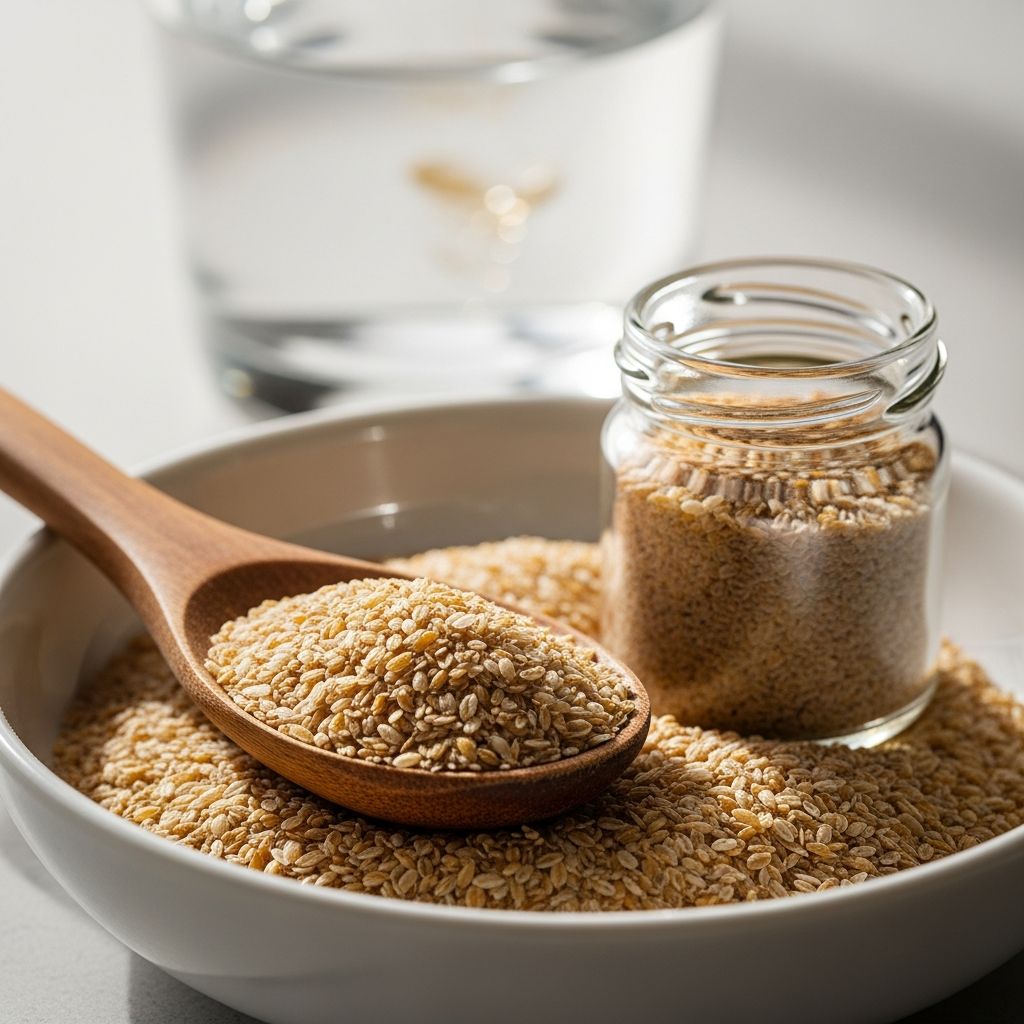
Psyllium husk, derived from the seeds of the Plantago ovata plant, is a concentrated source of soluble fiber renowned for its health-promoting properties. Comprising about 86% fiber by weight, it forms a gel-like substance in the gut that supports digestion, heart health, and metabolic function. This natural supplement has been extensively studied for its role in relieving constipation, managing blood sugar, lowering cholesterol, and aiding weight control.
What Is Psyllium Husk?
Psyllium husk is the outer layer of seeds from the Plantago ovata plant, primarily grown in India. It is a rich source of dietary fiber, with high soluble fiber content that absorbs water to create a viscous gel in the digestive tract. This gel resists full digestion in the small intestine, allowing it to bind bile acids, regulate stool consistency, and promote gut motility.
Available as powder, capsules, or in products like Metamucil, psyllium is a bulk-forming laxative and prebiotic. Its dual soluble and insoluble fiber composition—soluble for gel formation and cholesterol binding, insoluble for stool bulking—makes it versatile for various health needs. Always mix with at least 8 ounces of fluid per dose to prevent choking risks and ensure efficacy.
Psyllium Husk Benefits
Research highlights multiple benefits of psyllium husk, supported by clinical trials and reviews. Daily intake of 10 grams or more can yield significant improvements in gut, cardiovascular, and metabolic health.
Relieves Constipation
Psyllium excels as a gentle laxative by absorbing water, softening stool, and increasing bulk to stimulate bowel movements. Studies show it promotes regular defecation, reducing chronic constipation symptoms without the harshness of stimulant laxatives. For optimal results, take 5-10 grams daily with ample water.
Treats Diarrhea
Counterintuitively, psyllium also manages diarrhea by absorbing excess water in the gut, firming loose stools. Its gel formation slows transit time, making it effective for irritable bowel syndrome (IBS) with alternating constipation and diarrhea. Clinical evidence supports its use for both ends of the bowel irregularity spectrum.
Lowers Cholesterol
Psyllium binds bile acids in the intestine, forcing the liver to use cholesterol to produce more bile, thus reducing circulating LDL (“bad”) cholesterol. Trials indicate 10 grams daily can lower total cholesterol by 4-20% and LDL by up to 7%. The FDA recognizes psyllium for heart disease risk reduction via cholesterol management.
Manages Blood Sugar
By slowing carbohydrate absorption, psyllium helps regulate post-meal blood glucose spikes. Studies in type 2 diabetes patients show 10 grams daily improves hemoglobin A1c and fasting glucose levels over weeks. It delays gastric emptying, enhancing insulin sensitivity.
Supports Weight Management
The satiating gel promotes fullness, reducing hunger and calorie intake. A study found 10.2 grams before meals increased satiety and supported modest weight loss in overweight individuals. Combined with diet, it aids sustainable weight control by curbing snacking.
Promotes Heart Health
Beyond cholesterol, psyllium lowers blood pressure (systolic by ~2 mmHg) and triglycerides, reducing cardiovascular risk. Its fiber supports endothelial function and inflammation reduction. Long-term use correlates with improved lipid profiles.
Related Stories



Boosts Gut Health and May Reduce Colon Cancer Risk
As a prebiotic, psyllium feeds beneficial gut bacteria, producing short-chain fatty acids with anti-cancer properties. It speeds stool transit, minimizing carcinogen exposure, and improves microbiome diversity. Observational data links high-fiber intake like psyllium to lower colon cancer incidence.
How to Use Psyllium Husk
Start with 5 grams daily, gradually increasing to 10-20 grams divided into 1-3 doses. Mix powder in 8+ ounces of water or juice; consume immediately as it thickens. Capsules suit those avoiding texture. Take before meals for blood sugar/weight benefits or bedtime for constipation relief. Hydration is crucial—aim for 64+ ounces of water daily.
- Dosage: 5-10g/day for general health; up to 30g for therapeutic use under medical guidance.
- Timing: 30 minutes before meals or as needed.
- Forms: Powder, capsules, wafers, or fortified foods.
Consult a doctor if pregnant, on medications (e.g., metformin, statins), or with swallowing issues. Rare allergies include throat swelling.
Psyllium Husk Side Effects
Generally safe, but initial bloating/gas occurs as gut adjusts—mitigate by slow ramp-up. Allergic reactions (rash, anaphylaxis) are rare but serious. Dehydration risk if fluids insufficient; may interfere with nutrient/medication absorption if taken concurrently—space by 2 hours.
| Common Side Effects | Rare/Serious | Prevention |
|---|---|---|
| Bloating, gas, cramping | Allergic reactions, choking | Start low, hydrate well |
| Initial loose stools | Nutrient malabsorption | Gradual increase, timing |
Frequently Asked Questions (FAQs)
Is psyllium husk safe for daily use?
Yes, 10-20 grams daily is safe for most adults long-term, per studies. Monitor for side effects and consult healthcare providers for personalized advice.
Can psyllium husk help with IBS?
Absolutely; it balances stool consistency for IBS-C and IBS-D, improving symptoms in trials.
How quickly does psyllium work for constipation?
Effects appear in 12-72 hours with proper hydration.
Does psyllium interact with medications?
Yes, it may reduce absorption of diabetes/heart drugs—take 2 hours apart.
Is psyllium vegan and gluten-free?
Yes, pure psyllium is both, but check labels for additives.
Can children take psyllium husk?
Under pediatric guidance, in age-appropriate doses.
References
- 7 Benefits of Psyllium Husk Fiber Supplements — GoodRx. 2023. https://www.goodrx.com/well-being/supplements-herbs/psyllium-husk-benefits
- Review on psyllium husk: nutritional, functional, health benefits — Taylor & Francis (peer-reviewed). 2024-10-28. https://www.tandfonline.com/doi/full/10.1080/19476337.2024.2409174
- 8 Benefits of Psyllium Husk — Medical News Today. 2023. https://www.medicalnewstoday.com/articles/318707
- Psyllium is a natural nonfermented gel-forming fiber — PMC (NCBI, peer-reviewed). 2023. https://pmc.ncbi.nlm.nih.gov/articles/PMC10389520/
Similar Articles








Read full bio of medha deb