Psyllium Husk: Fiber Ozempic Alternative?
Can psyllium husk match Ozempic for weight loss? Experts reveal benefits, limits, and safe use of this affordable fiber supplement.

Psyllium husk, a soluble fiber supplement derived from the seeds of the Plantago ovata plant, has surged in popularity as a budget-friendly alternative to Ozempic for weight management and appetite suppression. Dubbed the “poor man’s Ozempic,” it promises benefits like increased fullness, better blood sugar control, and digestive health at a fraction of the cost—around $16 for a large container versus Ozempic’s $900 monthly price tag without insurance. But does it deliver comparable results? Dietitians and experts weigh in on its mechanisms, efficacy, safety, and limitations.
What Is Psyllium Husk?
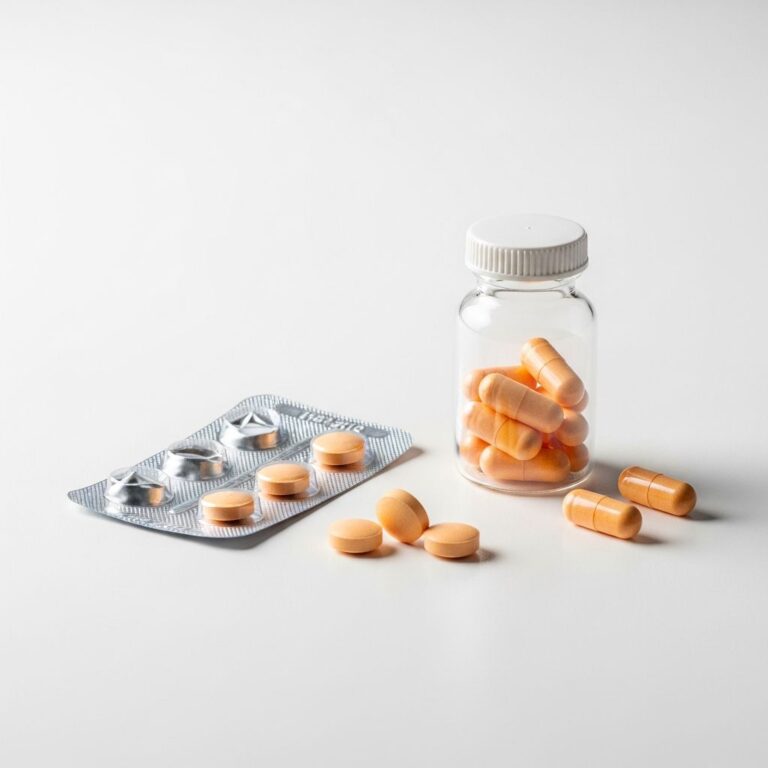
Psyllium husk is a natural, soluble fiber extracted from the outer husks of the seeds of the Plantago ovata shrub, primarily grown in India and the Mediterranean region. When mixed with water, it swells into a gel-like substance in the digestive tract, acting as a bulk-forming laxative. This fiber is commonly available as a powder, capsules, or in products like Metamucil, and it’s been used for centuries in traditional medicine for gut health.
Unlike insoluble fibers that add bulk without dissolving, soluble psyllium attracts water, forming a viscous gel that slows digestion and promotes satiety. Registered dietitian Jessica Cording explains it as a versatile fiber supplement ideal for those struggling to meet daily fiber needs through diet alone. Keri Gans, RD, notes its origins in herbal traditions, making it a staple in modern wellness routines.
Health Benefits of Psyllium Husk
Psyllium husk offers multiple evidence-based benefits beyond hype around weight loss. Its high soluble fiber content—about 8 times more per teaspoon than oat bran—supports various aspects of metabolic and digestive health.
- Constipation Relief: By absorbing water and softening stool, psyllium promotes regular bowel movements. Cleveland Clinic recommends starting with 1 teaspoon and gradually increasing to avoid discomfort.
- Blood Sugar Management: The gel formation slows carbohydrate absorption, preventing spikes in blood glucose. This is particularly helpful for people with diabetes or prediabetes.
- Cholesterol Reduction: Psyllium binds to bile acids, forcing the liver to use cholesterol to produce more, thereby lowering LDL levels.
- Appetite Control and Satiety: The expanded gel in the stomach triggers stretch receptors, signaling fullness to the brain and reducing overall calorie intake.
These perks make psyllium a supportive tool in comprehensive health strategies, though results vary by individual adherence to dosage and hydration.
Psyllium Husk for Weight Loss: Does It Work?
Psyllium husk can aid modest weight loss by enhancing feelings of fullness and stabilizing blood sugar, but it won’t replicate Ozempic’s dramatic 15-20% body weight reductions seen in clinical trials. Dietitians emphasize it’s supportive, not transformative on its own.
You might notice slight weight loss—perhaps a few pounds—due to reduced snacking and overeating from increased satiety. “Fiber helps you feel full sooner and longer,” says Gans, potentially cutting daily calories without strict dieting. A study-backed mechanism involves its gel expanding in the stomach, mimicking volume without calories.
However, for sustainable results, combine it with exercise, balanced nutrition, and behavioral changes. Cording warns, “Introducing psyllium alone isn’t enough; it’s part of a broader approach”. Expect subtle shifts rather than rapid drops.
Related Stories



How Does Psyllium Husk Compare to Ozempic?
| Aspect | Psyllium Husk | Ozempic (Semaglutide) |
|---|---|---|
| Mechanism | Bulk-forming fiber swells into gel in stomach, promoting fullness via stretch receptors; slows digestion mechanically | GLP-1 agonist mimics gut hormone, targets brain appetite centers, slows gastric emptying, boosts insulin |
| Weight Loss Effect | Modest (e.g., reduced calorie intake via satiety); supportive role | Significant (10-20% body weight); clinically proven |
| Cost | $16/24 oz (months of supply) | $900+/month without insurance |
| Side Effects | GI issues if under-hydrated (constipation, bloating) | Nausea, vomiting, potential muscle loss |
| Approval | OTC supplement | Prescription for diabetes/weight loss |
While both suppress appetite, psyllium acts locally in the gut, whereas Ozempic influences hormonal pathways systemically. Dr. Robert Alesiani notes psyllium provides temporary fullness, not the prolonged satiation of GLP-1 drugs. It’s no direct substitute, but a natural, accessible option for mild needs.
Safety and Side Effects of Psyllium Husk
Psyllium is generally safe for most adults when used as directed, but precautions are essential. Gans states, “It’s safe for daily use, but consult a doctor if on medications”.
- Common Side Effects: Bloating, gas, cramping, diarrhea, or constipation (if insufficient water).
- Risks: Choking hazard if not mixed properly; may interfere with medication absorption—take 1-2 hours apart.
- Who Should Avoid: Those with swallowing issues, bowel obstructions, or allergies. Pregnant individuals or kids under 6 need medical advice.
Overdoing it without water can cause blockages, so hydration is key: aim for 8 oz per dose.
How to Take Psyllium Husk: Dosage Guide
Start low to build tolerance. Cleveland Clinic suggests 1 teaspoon (5g) daily, increasing to 1-3 tablespoons (15-30g) divided doses.
- Mixing: Stir into 8-12 oz water/juice; drink immediately as it thickens.
- Timing: Before meals for appetite control; with plenty of fluids all day.
- Daily Limit: 30g max; pair with 25-38g total dietary fiber.
For weight loss, take 10-15 minutes before meals. Consistency yields best results over weeks.
Psyllium Husk vs. Other Fibers
Psyllium outperforms many fibers in solubility and efficacy:
- Vs. Oat Bran: 8x more soluble fiber per weight.
- Vs. Inulin/Chia: Superior for constipation and cholesterol.
- Best For: Comprehensive gut benefits over specialized fibers.
Expert Tips for Success
- Combine with protein-rich meals for enhanced satiety.
- Track hydration: 64+ oz water daily.
- Monitor for 1-2 weeks; adjust if GI upset occurs.
- View as adjunct to diet/exercise, not standalone.
Dr. Steven Batash highlights its role in stabilizing blood sugar to curb cravings.
Frequently Asked Questions (FAQs)
Can psyllium husk replace Ozempic for weight loss?
No, it supports modest satiety but lacks Ozempic’s hormonal effects and proven weight loss magnitude.
Is it safe to take psyllium husk every day?
Yes, for most at recommended doses with ample water; consult a doctor for interactions.
How much psyllium husk for weight loss?
5-15g before meals; start low to avoid side effects.
Does psyllium husk lower blood sugar?
Yes, by slowing absorption; beneficial for diabetes management.
Can psyllium cause constipation?
Ironically, yes if not taken with enough water—always hydrate.
Where to buy psyllium husk?
Grocery stores, pharmacies; opt for pure, unflavored for best value.
References
- Is Psyllium Husk a Cheap Ozempic Alternative? Dietitians Weigh In — Women’s Health Mag. 2024-10-01. https://www.womenshealthmag.com/weight-loss/a64407889/is-psyllium-husk-really-an-ozempic-alternative-fiber/
- Ozempic Alternative: Can Psyllium Husk Really Help You Lose Weight? — Healthline. 2024-05-15. https://www.healthline.com/health-news/people-are-using-psyllium-husk-fiber-as-an-ozempic-alternative-does-it-work
- Psyllium Husk and Weight Loss — American Pharmacists Association. 2024-01-20. https://www.pharmacist.com/Blogs/CEO-Blog/Article/psyllium-husk-and-weight-loss
- Should You Be Using Psyllium Husk? — Cleveland Clinic. 2024-03-12. https://health.clevelandclinic.org/psyllium-husk
Similar Articles








Read full bio of medha deb