Psyllium Husk For Constipation: 7 Digestive Health Benefits
Effective natural fiber supplement for relieving constipation, softening stools, and promoting regular bowel movements safely.
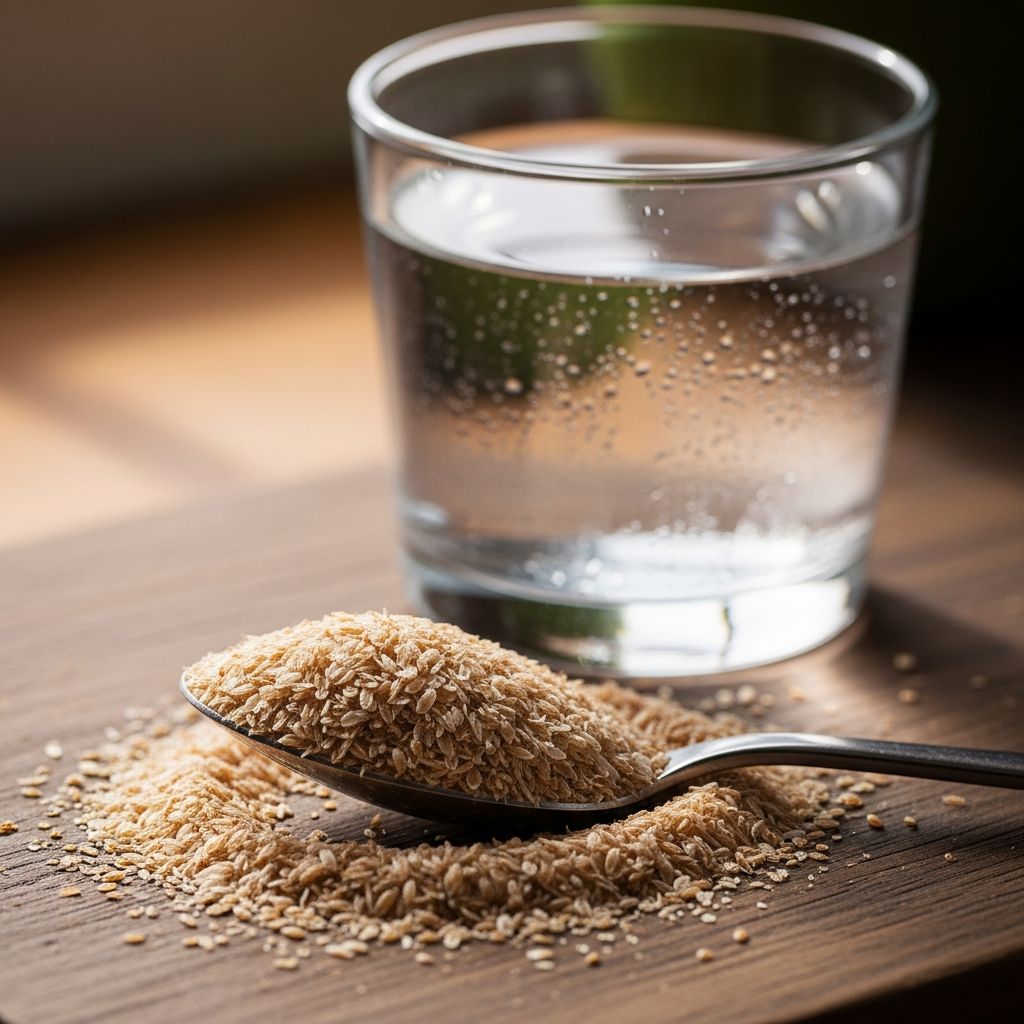
Psyllium husk, available under brand names like Hydrocil, Konsyl, and Reguloid, is a natural, bulk-forming laxative derived from the husks of Plantago ovata seeds. It effectively relieves constipation by absorbing water in the intestines, softening stool, and promoting regular bowel movements.
About Psyllium Husk
Psyllium husk is a soluble fiber supplement sourced from the outer husk of the Plantago ovata plant, commonly grown in India. This fiber acts as a gentle laxative, unlike stimulant laxatives that force contractions in the bowel. Instead, it swells upon contact with water, forming a gel-like substance that increases stool bulk and moisture, facilitating easier passage through the digestive tract.
Renowned for its versatility, psyllium not only addresses constipation but also helps manage diarrhea by absorbing excess water in loose stools. Clinical studies confirm its role in improving gut microbiota, particularly in constipated patients, by increasing beneficial bacteria like Faecalibacterium and Lachnospira, which correlate with higher stool water content and better transit.
Brands such as Hydrocil, Konsyl, and Reguloid offer psyllium in powder, capsule, or wafer forms, making it convenient for daily use. It’s particularly useful for those with low dietary fiber intake, as most adults consume only about 17g daily against recommended 25-38g.
Before Using Psyllium Husk Tablets/Powder
Consult a healthcare provider before starting psyllium husk, especially if you have conditions like difficulty swallowing, intestinal blockage, abdominal pain, nausea, vomiting, or rectal bleeding, as these may indicate serious issues requiring medical evaluation.
- Not suitable for: Children under 6 years without doctor advice; pregnant or breastfeeding women should seek guidance.
- Check allergies: Rare hypersensitivity to psyllium can cause rash, itching, or breathing difficulties.
- Interactions: May reduce absorption of medications like carbamazepine, lithium, or oral contraceptives—take psyllium 2 hours before or after other drugs.
Psyllium is generally safe for long-term use in chronic constipation but monitor for dependency or worsening symptoms.
How to Use Psyllium Husk for Constipation
Mix the powder with at least 8 oz (240 ml) of water or juice, stir briskly, and drink immediately. Follow with another glass of liquid to ensure proper hydration, as insufficient fluid can worsen constipation.
| Form | Adult Dosage | Frequency | Children’s Dosage (6-12 years) |
|---|---|---|---|
| Powder | 1 tsp (3.5-7g) | 1-3 times daily | ½-1 tsp, 1-2 times daily |
| Capsules | 2-6 capsules | 1-3 times daily | As directed by doctor |
| Wafers | 2 wafers | 1-3 times daily | Not recommended under 12 |
Effects typically begin within 12-72 hours. For best results, take with meals and maintain high fluid intake (8-10 glasses daily). Gradually increase dose to minimize gas or bloating.
Health Benefits of Psyllium Husk
Beyond constipation relief, psyllium offers multiple evidence-based benefits:
- Constipation Relief: Softens hard stools by trapping water, easing defecation. Effective in chronic cases and IBS-related constipation.
- Diarrhea Control: Bulks up loose stools, reducing frequency. Studies show it outperforms some OTC antidiarrheals.
- Heart Health: Lowers LDL cholesterol and triglycerides by binding bile acids, prompting liver use of blood cholesterol.
- Blood Sugar Management: Slows carbohydrate absorption, aiding diabetes control.
- Weight Management: Promotes satiety, reducing calorie intake.
- Gut Microbiota Support: Acts as a prebiotic, boosting butyrate-producing bacteria, improving colonic environment in constipated patients.
- IBS Symptom Relief: Reduces inflammation and pain in IBS by regulating bowel habits.
Related Stories



A PMC study on constipated patients showed psyllium increased genera like Veillonella, Faecalibacterium, linked to faster transit and higher fecal water.
Cautions and Side Effects
Psyllium is well-tolerated but requires adequate fluids to prevent choking or intestinal blockage.
- Common Side Effects: Gas, bloating, cramps, mild diarrhea—usually resolve with dose adjustment or more water.
- Serious Risks (Rare): Allergic reactions (hives, swelling), fecal impaction if under-hydrated, electrolyte imbalance with overuse.
- Overdose Symptoms: Severe abdominal pain, nausea, vomiting—seek immediate medical help.
Avoid if you have esophageal narrowing, bowel obstruction, or uncontrolled diabetes. Long-term use may cause vitamin/mineral malabsorption; supplement as needed.
Interactions with Other Medicines
Psyllium’s gel-forming property delays drug absorption:
- Antibiotics/Thyroid Meds: Take 2-4 hours apart.
- Diabetes Drugs: Monitor blood sugar; psyllium enhances effects.
- Cholesterol Meds: Synergistic but space doses.
- Others: Lithium, digoxin, tricyclic antidepressants—consult pharmacist.
Other Things to Know About Psyllium Husk
- Pregnancy/Breastfeeding: Category B—safe in moderation; consult doctor.
- Storage: Keep in cool, dry place; discard if clumped.
- Dietary Integration: Combine with fruits, veggies for optimal fiber (25-38g/day).
- Alternatives: Methylcellulose or polycarbophil for similar bulk-forming action.
Psyllium supports overall digestive health as a prebiotic, fostering probiotic growth for immune function.
Frequently Asked Questions (FAQs)
Q: How quickly does psyllium husk work for constipation?
A: It typically takes 12-72 hours to produce a bowel movement, as it works gradually by softening stool rather than stimulating the bowel immediately.
Q: Can psyllium husk cause diarrhea?
A: In high doses or without enough water, yes, but it’s more commonly used to firm loose stools in diarrhea.
Q: Is psyllium safe for daily use?
A: Yes, for most adults with chronic constipation, under medical supervision to avoid side effects.
Q: Does psyllium husk help with weight loss?
A: It promotes fullness and may aid weight management when part of a calorie-controlled diet.
Q: Can children take psyllium husk?
A: Children over 6 can take reduced doses; under 6, only with doctor approval.
Q: Does psyllium affect blood sugar?
A: Yes, it slows sugar absorption, benefiting diabetes management.
References
- 7 Benefits of Psyllium Husk Fiber Supplements — GoodRx. 2023-10-15. https://www.goodrx.com/well-being/supplements-herbs/psyllium-husk-benefits
- The Effect of Psyllium Husk on Intestinal Microbiota in Constipated Patients — PMC (Nutrients). 2019-02-21. https://pmc.ncbi.nlm.nih.gov/articles/PMC6358997/
- How to Use Psyllium Husk — WebMD. 2024-05-12. https://www.webmd.com/digestive-disorders/psyllium-husk-use
- Psyllium Husk — American Pharmacists Association. 2023-08-01. https://www.pharmacist.com/Blogs/CEO-Blog/Article/psyllium-husk
- Psyllium: What Are the Health Benefits? — Healthline. 2024-02-28. https://www.healthline.com/health/psyllium-health-benefits
- 8 Benefits of Psyllium Husk — Medical News Today. 2023-11-10. https://www.medicalnewstoday.com/articles/318707
Similar Articles








Read full bio of medha deb