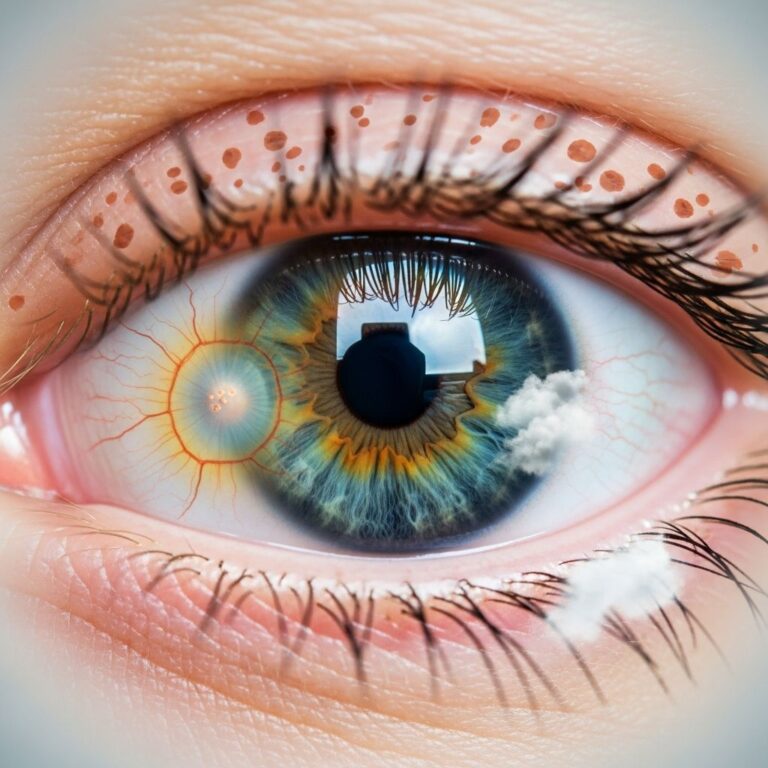
Pterygium: Causes, Symptoms, And 4 Prevention Steps
Discover causes, symptoms, and treatments for pterygium, the common UV-related eye condition known as surfer's eye.
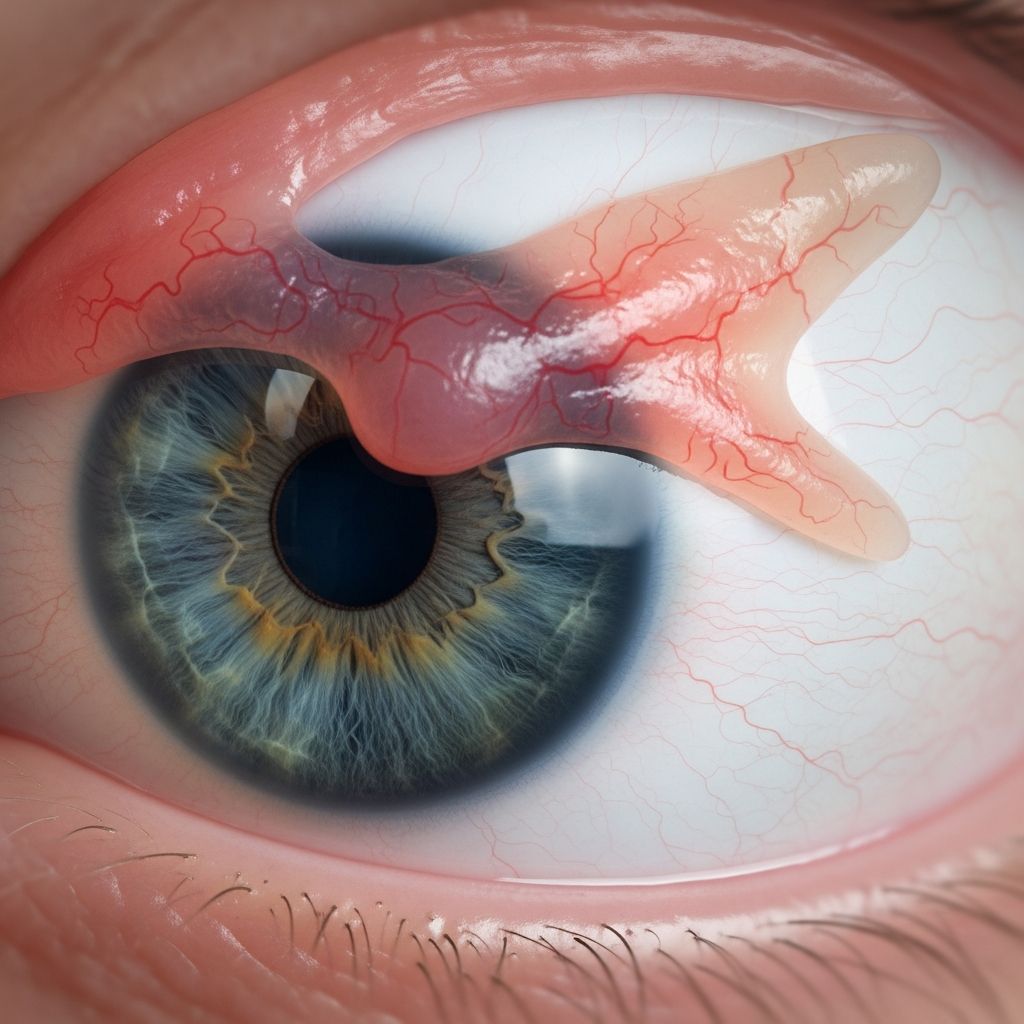
Pterygium, often called surfer’s eye, forms as a wedge-shaped overgrowth of tissue from the conjunctiva onto the cornea, primarily due to prolonged ultraviolet (UV) light exposure. This benign condition affects the eye’s surface and can lead to discomfort or vision issues if it advances.
The Anatomy of Pterygium Formation
The conjunctiva, a thin membrane covering the white part of the eye, can develop fibrovascular tissue that extends toward the clear corneal dome. Typically originating near the inner corner (nasal side), it appears as a raised, triangular mass with visible blood vessels. In equatorial regions or among outdoor workers, prevalence rises significantly, especially in males over 40 with chronic sun exposure.
This growth arises from chronic inflammation triggered by UV radiation, wind, dust, and dryness, prompting abnormal cell proliferation. Unlike cancerous lesions, pterygium remains surface-level and non-invasive, though it may distort the cornea’s shape.
Recognizing Pterygium Symptoms
Early stages often present no noticeable issues, with the growth appearing as a subtle yellowish or fleshy bump. As it progresses, common complaints include:
- Persistent eye redness and irritation, resembling chronic conjunctivitis.
- Sensation of a foreign body, leading to frequent blinking or rubbing.
- Tearing, burning, or itching, worsened by environmental irritants.
- Cosmetic concerns from the visible wedge-shaped mass.
Advanced cases threaten vision by encroaching on the visual axis or inducing astigmatism through corneal tension. Patients may report blurred or double vision, contact lens intolerance, or restricted eye movements if scarring occurs.
Risk Factors Driving Pterygium Development
Primary culprit is cumulative UV exposure, earning its surfer’s eye nickname from beachgoers and water sports enthusiasts. Other contributors include:
- Geographic location: Higher incidence in sunny, tropical climates.
- Occupational hazards: Farmers, construction workers, and fishermen face elevated risks.
- Age and gender: More common in those over 30, particularly men.
- Dry eye conditions or chronic irritation from dust, sand, or smoke.
| Risk Factor | Impact Level | Prevention Tip |
|---|---|---|
| UV Exposure | High | Wear wraparound sunglasses |
| Outdoor Occupation | High | Use wide-brim hats |
| Dry Climates | Medium | Apply lubricating drops |
| Age >40 | Medium | Regular eye exams |
Data synthesized from clinical guidelines and health resources.
Accurate Diagnosis Through Eye Exams
Diagnosis begins with a detailed patient history, noting growth duration, symptom progression, and UV exposure history. A comprehensive slit-lamp exam measures the pterygium’s size from limbus to apex, diagramming for monitoring.
Key assessments include:
- Visual acuity and refraction to detect astigmatism.
- Corneal topography for irregular distortion.
- Eye movement checks for restriction.
- Differentiation from mimics like pinguecula (stationary yellow nodule) or ocular surface squamous neoplasia (OSSN), flagged by rapid growth, leucoplakia, or feeder vessels.
No special imaging is routinely needed; clinical observation suffices in most cases.
Non-Surgical Management Strategies
Conservative approaches control symptoms and slow progression without intervention.
- Lubrication: Artificial tears and ointments alleviate dryness and irritation.
- UV Protection: Wraparound sunglasses block 99-100% UVA/UVB rays.
- Anti-Inflammatory Drops: Short-term mild steroids reduce redness and swelling.
Regular monitoring every 6-12 months tracks growth; patient education on avoiding eye rubbing prevents worsening.
Related Stories



Surgical Interventions for Advanced Cases
Surgery is reserved for vision-threatening growths, uncontrolled inflammation, motility issues, or severe cosmetics. Indications include:
- Threat to visual axis or documented vision loss.
- Persistent symptoms despite medical therapy.
- Atypical features suggesting malignancy.
Techniques involve excising the tissue, often with conjunctival autografting or amniotic membrane to minimize recurrence (rates 5-50% without, lower with grafts). Postoperative care includes topical antibiotics/steroids, with follow-ups at 1 week, 1 month, and 3 months.
Potential Complications and Recurrence Prevention
Early surgical risks: epithelial defects, dellen (thinning), graft issues, granulomas. Late: recurrence (4-6 weeks post-op), scleral melt, infection.
Recurrence drops with adjuncts like mitomycin C or beta-irradiation, per evidence-based guidelines. Long-term UV avoidance and lubrication are crucial.
Daily Prevention for Lifelong Eye Health
Proactive steps curb development and progression:
- Daily UV-blocking eyewear, even on cloudy days.
- Hats and shade during peak sun hours (10 AM-4 PM).
- Humidifiers and drops in dry environments.
- Annual dilated eye exams for at-risk individuals.
Public health campaigns in high-prevalence areas emphasize these habits.
Prognosis and Long-Term Outlook
Most pterygia remain stable and asymptomatic, requiring no treatment. Surgical outcomes excel when indicated, restoring vision and comfort, though monitoring persists due to recurrence risk. Early intervention yields best results.
Frequently Asked Questions (FAQs)
Is pterygium cancerous?
No, it’s a benign, non-spreading growth, distinct from malignancies like OSSN.
Can pterygium affect both eyes?
Yes, though often unilateral; bilateral cases occur with symmetric UV exposure.
How long does recovery take after pterygium surgery?
Initial healing: 1-2 weeks; full stabilization: 1-3 months, with annual checks.
Does wearing contacts worsen pterygium?
It can exacerbate dryness and irritation; intolerance is common in advanced cases.
Can pterygium resolve on its own?
Inactive ones stabilize but rarely regress without management.
References
- Pterygium – Clinical Management Guidelines — College of Optometrists. 2023. https://www.college-optometrists.org/clinical-guidance/clinical-management-guidelines/pterygium
- Understanding and managing pterygium — PMC (NCBI). 2017-02-01. https://pmc.ncbi.nlm.nih.gov/articles/PMC5340105/
- Advanced Pterygium (Surfer’s Eye) Care — Assil Gaur Eye Institute. 2024. https://assileye.com/eye-care/pterygium/
- Pinguecula and Pterygium — Merck Manuals (Professional). 2025. https://www.merckmanuals.com/professional/eye-disorders/conjunctival-and-scleral-disorders/pinguecula-and-pterygium
- Pterygium — Health Encyclopedia, FloridaHealthFinder. 2024. https://quality.healthfinder.fl.gov/health-encyclopedia/HIE/1/001011
- Pterygium (Surfer’s Eye): Causes, Symptoms & Treatment — Cleveland Clinic. 2025-01-15. https://my.clevelandclinic.org/health/diseases/22497-pterygium-surfers-eye
Similar Articles








Read full bio of Sneha Tete