Pterygium (Surfer’s Eye): Causes, Symptoms & Treatment
Understanding pterygium: causes, symptoms, treatment options, and when surgery is necessary for surfer's eye.
Understanding Pterygium: The Surfer’s Eye Condition
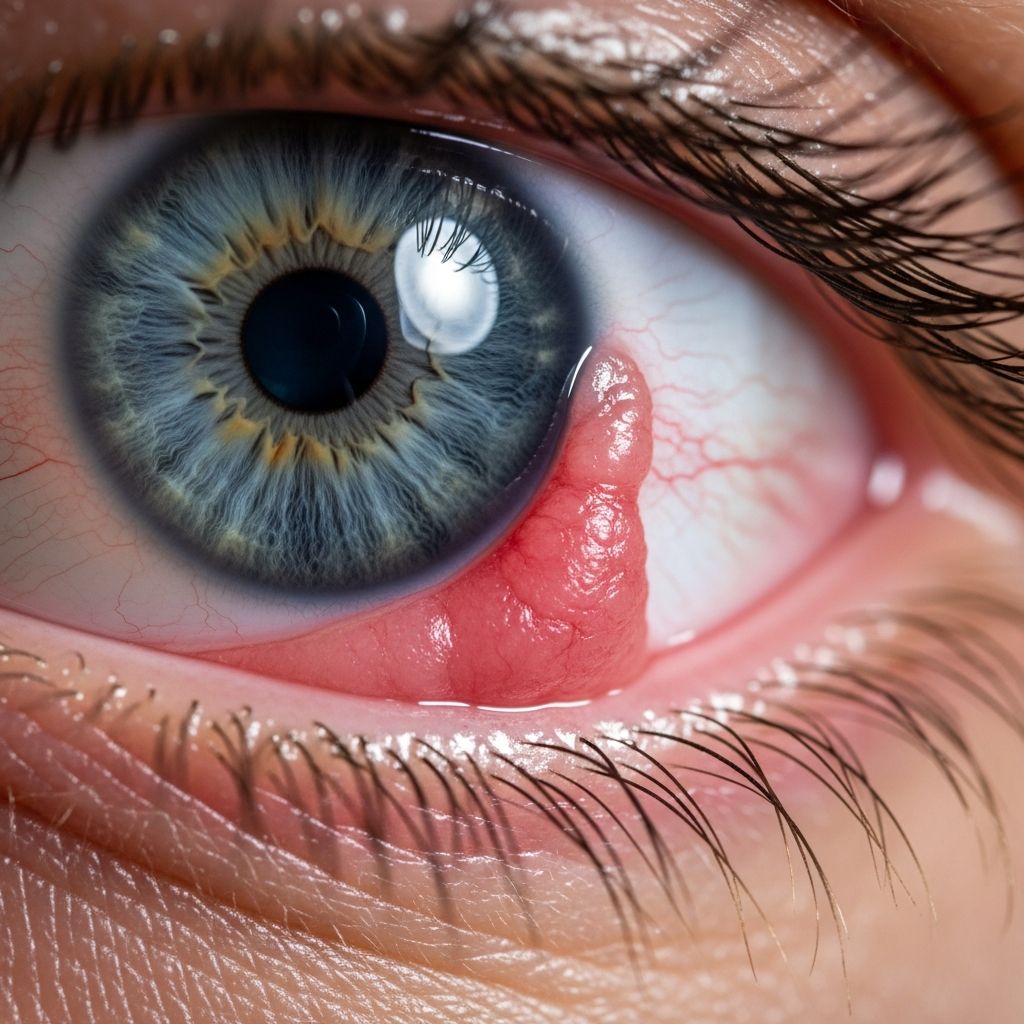
Pterygium, commonly known as “surfer’s eye,” is a raised, fleshy growth that develops on the conjunctiva—the clear membrane covering the white part of your eye. This triangular or wing-shaped growth typically starts in the corner of your eye and gradually extends toward your iris (the colored part of your eye). The name “pterygium” derives from Greek words: pteryx, meaning “wing,” and pterygion, meaning “fin,” perfectly describing its distinctive appearance. The growth may appear whitish or pinkish and often contains visible blood vessels.
While pterygium can look alarming when it first appears, it’s important to understand that this condition is not especially serious. Many people with pterygium never require treatment, though regular monitoring by an eye care professional is recommended to track its progression and ensure it doesn’t affect your vision.
What Causes Pterygium?
The primary cause of pterygium is long-term exposure to ultraviolet (UV) light from the sun. People who spend extended periods outdoors in sunny environments are at significantly higher risk of developing this condition. The term “surfer’s eye” specifically refers to this condition because surfers are frequently exposed to the elements that trigger pterygium development: sun, wind, sand, and salt water. However, pterygium can develop in anyone with prolonged UV exposure, including outdoor workers, athletes, and people living in sunny climates.
Environmental factors such as wind and dry conditions may also contribute to pterygium formation. The conjunctiva becomes irritated and damaged by cumulative UV radiation exposure over time, leading to this abnormal tissue growth.
Recognizing Pterygium Symptoms
Pterygium presentations vary significantly among individuals. Some people may not experience any symptoms at all and only discover they have pterygium during a routine eye examination. However, when symptoms do occur, they can include:
- A raised, pink, fleshy growth on the eye that may gradually enlarge
- Red, irritated, or swollen eyes
- Dry, itchy, or burning sensations
- A persistent feeling of sand or grit in your eye
- Excessive eye watering and tearing
- Blurred or double vision if the pterygium extends onto your cornea
It’s worth noting that some people may notice a related growth called a pinguecula before pterygium develops. Unlike pterygium, pinguecula typically remains stationary and doesn’t grow across the cornea.
Pterygium Classification and Grading
Eye care professionals classify pterygium based on how far it has grown across your cornea. Understanding these grades helps determine the appropriate treatment approach:
- Grade 1: The pterygium grows over the white part of your eye and into your iris (the colored part)
- Grade 2: The growth extends onto your iris and reaches approximately halfway to your pupil (the black center)
- Grade 3: The pterygium extends completely across your iris and reaches into the pupil area
Related Stories



Your eye doctor will determine your pterygium grade during your initial examination, which helps guide treatment recommendations and monitor progression during follow-up visits.
Understanding the Risks of Untreated Pterygium
While pterygium is not a cancerous or invasive growth, and it won’t spread to nearby tissues, it can continue to grow across your eye’s surface if left untreated. If the pterygium reaches your cornea—the clear protective layer covering the iris and pupil—it can cause significant problems.
A spreading pterygium may damage your cornea through several mechanisms. It can pull on the cornea and alter its shape, causing astigmatism (a refractive error resulting in blurry vision). Additionally, the growth can create scars on the corneal surface, which may permanently affect your vision even after pterygium removal. In rare cases, if pterygium continues to grow unchecked and blocks or obscures your pupil, it could potentially contribute to vision loss or even blindness, though such severe outcomes are uncommon.
Treatment Options for Pterygium
Treatment decisions depend on how significantly pterygium is affecting your daily life and vision. If pterygium isn’t causing any symptoms, your eye care provider will likely recommend a “watch and wait” approach, scheduling regular eye exams to monitor its growth and ensure it’s not progressing toward your cornea.
Conservative Treatment Approaches
For pterygium that causes mild to moderate irritation, several non-surgical treatments can provide relief:
- Artificial tears: Over-the-counter lubricating eye drops help alleviate dryness and irritation
- Anti-inflammatory eye drops: These reduce redness and swelling associated with pterygium
- UV protection: Wearing hats and wraparound UV-protective sunglasses helps prevent further UV damage and may slow pterygium growth
Your eye care provider will prescribe specific medications based on your symptoms. Continuing sun protection measures is crucial, as they can help slow growth or prevent the pterygium from enlarging more rapidly.
Surgical Intervention
Surgery is the only definitive way to remove pterygium. The procedure becomes necessary when:
- Eye drops and conservative treatments fail to control symptoms
- Pterygium grows large enough to interfere with vision
- The growth causes astigmatism or limits eye movement
- You desire removal for cosmetic reasons
- Pterygium progresses toward your cornea, threatening vision
Pterygium Surgery Details
Pterygium surgery typically requires about 30 minutes to one hour to complete. The procedure is performed under local anesthesia with optional light sedation for patient comfort. Most eye surgeons recommend the most effective surgical technique: pterygium removal followed by conjunctival autograft transplantation.
The Surgical Technique
During conjunctival autograft surgery, the surgeon carefully removes the pterygium from your eye. To prevent recurrence, healthy conjunctival tissue (usually harvested from behind your upper eyelid) is then sutured over the area where the pterygium was removed. This technique significantly reduces the risk of pterygium returning, as it provides healthy tissue to cover the surgical site.
An advanced variation of this procedure called PERFECT (pterygium extended removal followed by extended conjunctival transplantation) represents a more complex surgical approach with an even lower recurrence rate. However, the standard autograft technique remains the most commonly performed and highly effective option.
Post-Surgical Recovery
After pterygium surgery, you’ll wear an eye patch for one to two days while your eye begins healing. During the initial recovery period, your eye will feel uncomfortable and scratchy, which is normal. You can typically return to work and normal activities within a few days.
Complete healing takes four to six weeks. Your eye care provider will prescribe medications to take home, including antibiotics to prevent infection and steroid eye drops to reduce inflammation and minimize pterygium recurrence. It’s essential to use these medications exactly as directed.
During the first year following surgery, vigilant monitoring is critical. Most pterygium recurrences occur within the first 12 months after surgery, so attend all follow-up appointments and report any changes in your symptoms immediately.
Pterygium Recurrence Rates by Surgical Method
The surgical technique selected significantly impacts the likelihood of pterygium returning:
- Simple removal (without grafting): Up to 80% recurrence rate
- Removal with amniotic membrane coverage: Approximately 20% recurrence rate
- Removal with conjunctival autograft: Between 5-10% recurrence rate
These statistics demonstrate why most ophthalmologists recommend conjunctival autograft surgery—it provides the most reliable long-term results and lowest recurrence risk.
Special Considerations for Contact Lens Wearers
If you wear contact lenses and develop pterygium symptoms such as discomfort, redness, or swelling, you should temporarily discontinue contact lens use. Wearing contacts during pterygium-related irritation can worsen symptoms and potentially cause additional complications. Always consult your eye doctor before resuming contact lens use after pterygium diagnosis or surgery.
Prevention Strategies
While pterygium can develop in anyone with sufficient UV exposure, several preventive measures can significantly reduce your risk:
- Wear UV-protective sunglasses whenever you’re outdoors in bright sunlight
- Choose wraparound style sunglasses that provide maximum protection
- Wear a wide-brimmed hat when spending extended periods outside
- Limit direct sun exposure during peak UV hours (typically 10 AM to 4 PM)
- Seek shade when possible during outdoor activities
- Use protective eyewear during water sports and beach activities
For people who work outdoors or engage in outdoor sports regularly, consistent UV protection is essential for preventing pterygium development.
When to Seek Professional Care
Schedule an appointment with your eye care provider if you notice any of the following:
- A visible pink or white growth on your eye
- Persistent eye irritation or discomfort
- Increasing redness or swelling of your eye
- Changes in your vision or persistent blurriness
- A sensation of something being stuck in your eye that doesn’t resolve with eye drops
Regular eye exams are particularly important if you have risk factors for pterygium, such as outdoor occupations or frequent sun exposure.
Key Takeaways About Pterygium
Pterygium is a benign, non-cancerous eye condition that develops primarily from long-term UV light exposure. While it can appear concerning initially, many people with pterygium never require treatment. The condition is manageable through careful monitoring and, when necessary, effective surgical intervention. By taking preventive measures—particularly consistent UV protection—you can significantly reduce your risk of developing this condition. If pterygium does develop, working closely with your eye care provider ensures early detection and appropriate treatment to protect your vision for years to come.
Frequently Asked Questions About Pterygium
Q: Is pterygium cancerous?
A: No, pterygium is not cancerous. It is a benign, non-invasive growth that will not spread to other eye tissues. However, it can continue to grow across your eye surface if untreated.
Q: Can pterygium cause blindness?
A: Blindness from pterygium is possible but rare. It may occur if the pterygium grows large enough to block your pupil or causes extensive scarring on your cornea. Most pterygium cases don’t reach this severity level.
Q: Does pterygium go away on its own?
A: No, pterygium will not disappear without treatment. Once it develops, it requires either surgical removal or ongoing monitoring by an eye care professional. Conservative treatments manage symptoms but don’t eliminate the growth.
Q: How long does pterygium surgery take?
A: The procedure typically takes 30 minutes to one hour, performed under local anesthesia. You can usually return to normal activities within a few days, though complete healing takes four to six weeks.
Q: What’s the success rate for pterygium surgery?
A: With conjunctival autograft surgery, the recurrence rate is between 5-10%, making it the most successful surgical approach. Simple removal without grafting has recurrence rates up to 80%.
Q: Can I wear contact lenses with pterygium?
A: You should avoid wearing contact lenses when experiencing pterygium-related discomfort, redness, or swelling. Consult your eye doctor about when it’s safe to resume contact lens use.
References
- Pterygium (Surfer’s Eye): Causes, Symptoms & Treatment — Cleveland Clinic. 2024. https://my.clevelandclinic.org/health/diseases/22497-pterygium-surfers-eye
- Pterygium (Surfer’s Eye): Causes, Symptoms, and Treatment — WebMD. 2024. https://www.webmd.com/eye-health/pterygium-surfers-eye
- Pterygium Surgery (Surfer’s Eye) — Retina Center Tijuana. https://retinacentertijuana.com/procedure/pterygium/
- Pinguecula vs. Pterygium: What’s the Difference? — Cleveland Clinic. 2024. https://health.clevelandclinic.org/pinguecula-vs-pterygium
- Pterygium Overview & Surgical Treatment — Cleveland Eye Clinic. https://clevelandeyeclinic.com/cornea-ohio/pterygium/
Similar Articles








Read full bio of medha deb