Ptosis: 6 Causes, Symptoms, Diagnosis, And Treatment
Discover the causes, symptoms, diagnosis, and effective treatments for ptosis, the common condition causing droopy upper eyelids that impacts vision and appearance.
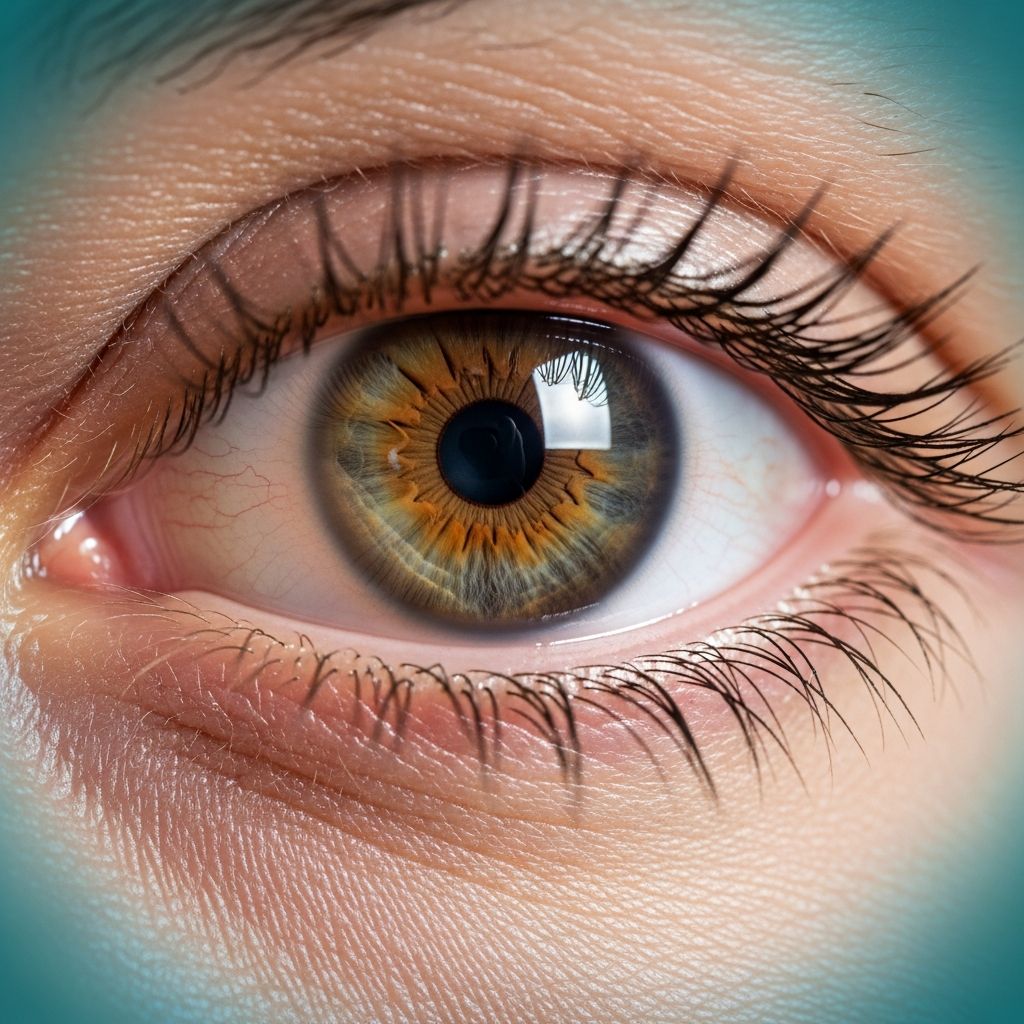
The upper eyelid plays a crucial role in protecting the eye and facilitating clear vision. When it droops abnormally, a condition known as ptosis emerges, potentially obstructing the visual field and causing daily challenges. This comprehensive guide delves into the mechanisms behind ptosis, its manifestations, evaluation techniques, and management strategies to help individuals recognize and address this issue effectively.
Defining Ptosis and Its Impact on Daily Life
Ptosis, medically termed blepharoptosis, occurs when the upper eyelid sags or falls lower than normal, covering part of the iris or pupil. This drooping stems primarily from dysfunction in the levator muscle, which elevates the eyelid, or its controlling structures. The condition can be subtle, mimicking fatigue, or severe enough to block significant portions of the superior visual field, complicating tasks like reading, driving, or identifying overhead objects.
In everyday scenarios, ptosis forces compensatory behaviors such as tilting the head backward or raising the eyebrows excessively, leading to neck strain, headaches, and eye fatigue. For many, the aesthetic concerns compound functional impairments, affecting self-confidence and social interactions. Early recognition is key, as untreated ptosis can exacerbate vision loss over time.
Primary Causes of Eyelid Drooping
Ptosis arises from diverse etiologies, broadly categorized into congenital and acquired forms. Congenital ptosis is present at birth due to underdeveloped levator muscles or nerve connections, often requiring intervention in childhood to prevent amblyopia (lazy eye).
Acquired ptosis develops later and includes several subtypes:
- Aponeurotic ptosis: Common in aging, where the levator aponeurosis stretches or disinserts, typically after age 50.
- Myogenic ptosis: Involves direct muscle weakness, as seen in myasthenia gravis or muscular dystrophies.
- Neurogenic ptosis: Results from nerve damage, such as oculomotor nerve (CN III) palsy causing ptosis with double vision and dilated pupils, or Horner’s syndrome with milder drooping.
- Mechanical ptosis: Caused by eyelid tumors, swelling, or excess skin (dermatochalasis) weighing down the lid.
- Traumatic ptosis: Follows injury, surgery, or even botulinum toxin injections diffusing to eyelid muscles.
Pseudoptosis, often confused with true ptosis, mimics drooping due to brow descent, enophthalmos, or extra skin, necessitating careful differentiation.
Recognizing the Signs and Symptoms
Symptoms vary by severity but commonly include a visibly lowered eyelid margin, reduced field of view in the upper quadrant, and compensatory head postures. Patients frequently report:
- Heavy or tired eyelids, worsening later in the day.
- Eye strain, tearing, or incomplete blinking.
- Blurred or double vision if severe.
- Difficulty applying makeup or maintaining eye contact.
A key metric is the margin reflex distance (MRD1), normally 4-5 mm from the corneal light reflex to the lid margin; less than 2 mm indicates significant ptosis. Superior visual field loss of 12 degrees or more impacts quality of life.
| Symptom | Mild Ptosis | Severe Ptosis |
|---|---|---|
| Visual Obstruction | Subtle upper field loss | Blocks pupil, impairs reading/driving |
| Discomfort | Fatigue by evening | Constant strain, headaches |
| Aesthetic Effect | Hooded appearance | Obvious asymmetry |
Related Stories



Comprehensive Diagnostic Approaches
Diagnosing ptosis begins with a thorough history and eye exam. Clinicians measure:
- Vertical fissure height: Distance between upper and lower lid margins (normal: 9-11 mm).
- Levator function: Excursion from downgaze to upgaze (normal: 12-15 mm).
- Lid crease height: In downgaze (normal: 8-10 mm).
Key tests include:
- Visual acuity and pupil exam: To rule out amblyopia or nerve issues.
- Extraocular motility: Detects associated paralyses.
- Ptosis visual field test (Superior 36): Compares taped vs. untaped fields; ≥30% improvement with taping justifies surgery.
- Slit-lamp and photography: Documents position over time.
- Imaging/Bloodwork: For suspected systemic causes like myasthenia or tumors.
Red flags prompting urgent evaluation: sudden onset, diplopia, pupil asymmetry, or anisocoria.
Non-Surgical Management Options
Mild cases may respond to conservative measures. Apraclonidine 0.5% drops (1-2 drops three times daily) stimulate Muller’s muscle, lifting the lid temporarily—effective for neurogenic or mild aponeurotic ptosis.
Other approaches:
- Crutches: Wire frames supporting the lid.
- Treat underlying conditions (e.g., thyroid disease, myasthenia).
- Botulinum toxin reversal with observation or drops if iatrogenic.
These provide symptomatic relief but do not address structural defects.
Surgical Interventions for Lasting Correction
Surgery is indicated for functional impairment (e.g., visual field loss) or cosmesis. Options depend on levator function:
| Procedure | Best For | Outcomes |
|---|---|---|
| Levator resection/advancement | Good function (>5 mm) | Restores MRD1, 80-90% success |
| Muller’s muscle-conjunctival resection (MMCR) | Mild ptosis, 1-2 mm lift needed | Minimally invasive, quick recovery |
| Frontalis sling | Poor function (<4 mm), congenital | Suspends lid to brow muscle |
Post-op, patients enjoy expanded fields, reduced strain, and improved aesthetics. Risks include overcorrection, asymmetry, or dry eyes, minimized by experienced surgeons.
Living with Ptosis: Prevention and Long-Term Care
While not always preventable, regular eye exams aid early detection. Protect eyes from trauma, manage systemic diseases, and avoid excessive botulinum toxin near orbits. Post-treatment, monitor for recurrence, especially in bilateral cases or with aging.
For children with congenital ptosis, timely surgery prevents amblyopia and ensures visual development.
Frequently Asked Questions (FAQs)
Is ptosis dangerous?
Usually not, but severe cases impair vision and may signal serious issues like nerve palsy or tumors. Seek prompt evaluation for sudden changes.
Can ptosis resolve without surgery?
Mild cases may improve with drops or addressing causes; structural ptosis often requires surgery.
How long is recovery from ptosis surgery?
1-2 weeks for basic activities; full results in 4-6 weeks.
Does insurance cover ptosis treatment?
Yes, if functional impairment is documented via visual field tests showing ≥12 degrees loss.
Can ptosis affect children?
Congenital ptosis is common and needs monitoring to avoid vision development issues.
References
- Management of Ptosis – PMC — National Center for Biotechnology Information. 2017-02-01. https://pmc.ncbi.nlm.nih.gov/articles/PMC5300727/
- Comprehensive Guide to Ptosis: Causes, Symptoms, and Treatments — Eye.com.ph. 2023-01-01. https://eye.com.ph/ptosis-guide/
- Understanding Ptosis and the Superior 36 Visual Field Test — Virtual Field. 2024-01-01. https://www.virtualfield.io/blog/understanding-ptosis-and-the-superior-36-visual-field-test
- The Ultimate Guide to Assessing Eyelid Ptosis — Eyes On Eyecare. 2024-01-01. https://eyesoneyecare.com/resources/the-ultimate-guide-to-assessing-eyelid-ptosis/
- Ptosis (Droopy Eyelid): Causes & Treatment — Cleveland Clinic. 2023-05-18. https://my.clevelandclinic.org/health/diseases/14418-ptosis-droopy-eyelid
- The OD’s Guide to Ptosis Workup — Review of Optometry. 2022-01-01. https://www.reviewofoptometry.com/article/the-ods-guide-to-ptosis-workup
Similar Articles








Read full bio of medha deb