Ptosis (Droopy Eyelid): Causes, Symptoms & Treatment
Understand ptosis: its causes, symptoms, and available treatments for droopy eyelids.
What Is Ptosis?
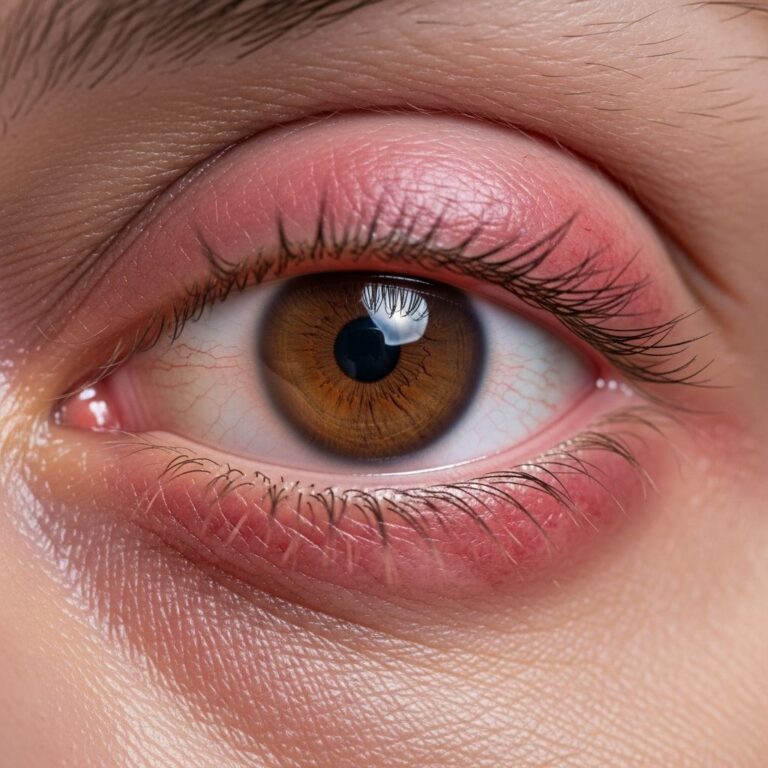
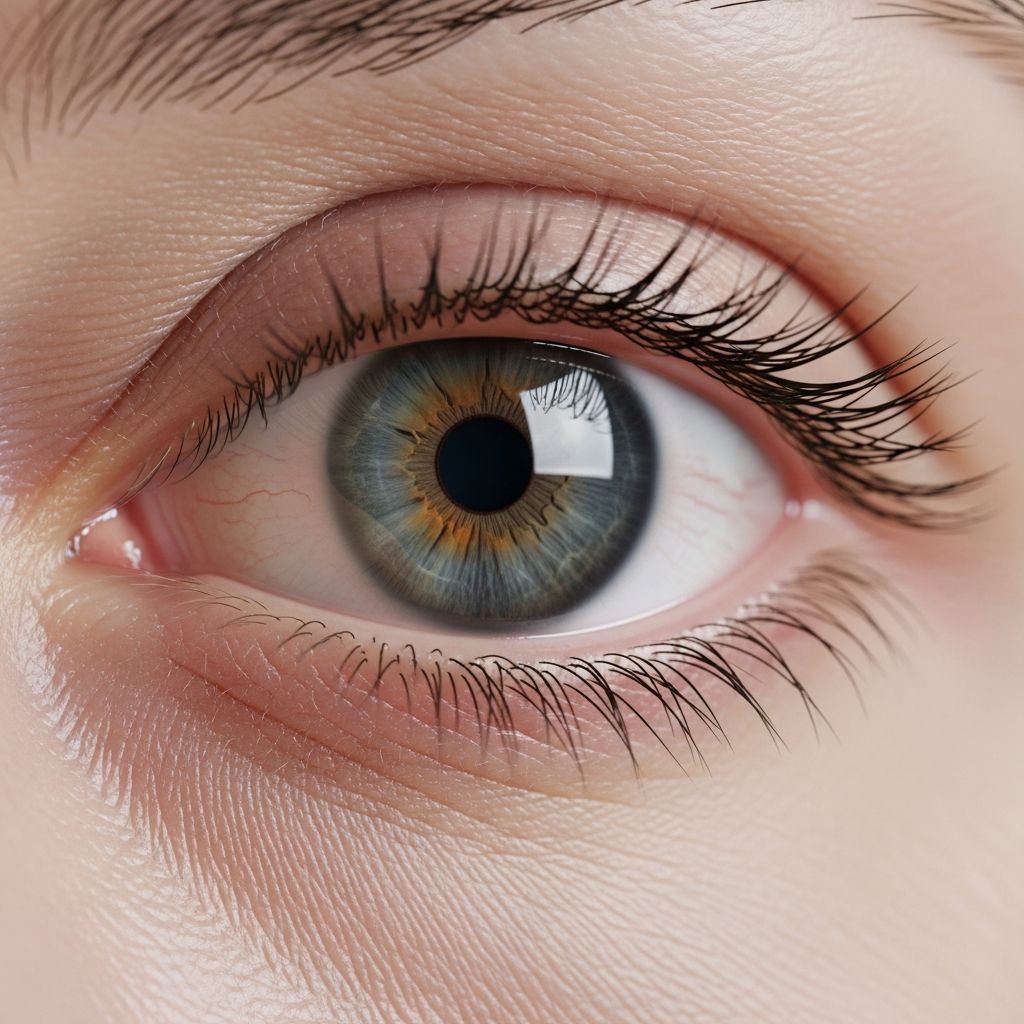
Ptosis, commonly known as a droopy eyelid, is a medical condition in which the upper eyelid droops, sags, or falls over the eye. This can partially or completely cover the pupil, affecting vision and appearance. Ptosis can occur in one or both eyes and may be present at birth (congenital) or develop later in life (acquired).
Causes of Ptosis
The primary cause of ptosis is weakness or dysfunction of the levator muscle, which is responsible for lifting the upper eyelid. The causes can be broadly categorized as congenital or acquired.
Congenital Ptosis
- Present at birth due to underdevelopment of the levator muscle.
- May affect one or both eyelids.
- Can be associated with other congenital conditions.
Acquired Ptosis
- Age-related weakening or stretching of the levator muscle.
- Neurological disorders (e.g., myasthenia gravis, Horner’s syndrome).
- Eye trauma or injury.
- Complications from eye surgery (e.g., cataract surgery).
- Chronic contact lens use.
- Systemic diseases such as diabetes or tumors.
Symptoms of Ptosis
The most noticeable symptom of ptosis is the drooping of the upper eyelid. Other symptoms may include:
- Obstructed vision, especially in the upper field.
- Difficulty reading or driving.
- Eye fatigue or strain.
- Compensatory forehead wrinkling or eyebrow raising.
- Head tilting or chin lifting to see better.
- Asymmetrical appearance of the eyelids.
Diagnosis of Ptosis
Diagnosis is typically made by a healthcare provider through a physical examination. If ptosis is suspected, the following steps may be taken:
- Visual inspection of the eyelid position and symmetry.
- Measurement of eyelid height and function.
- Assessment of vision and visual field.
- Referral to an ophthalmologist for a detailed eye exam.
- Additional tests may include:
- Slit-lamp examination.
- Imaging studies (e.g., MRI or CT scan) if a neurological cause is suspected.
- Blood tests to check for systemic diseases.
Complications of Untreated Ptosis
If left untreated, ptosis can lead to several complications, especially in children:
- Impaired vision development.
- Amblyopia (lazy eye).
- Strabismus (crossed eyes).
- Astigmatism.
- Poor posture due to compensatory head tilting.
- Chronic eye strain and headaches.
Treatment Options for Ptosis
Treatment depends on the severity, cause, and impact on vision and appearance. Options include:
Non-Surgical Treatments
- Eye patches or glasses with ptosis crutches.
- Prescription eye drops (e.g., oxymetazoline) for temporary relief in certain cases.
- Regular monitoring for mild cases that do not affect vision.
Surgical Treatments
Surgery is the most common and effective treatment for moderate to severe ptosis. The procedure is typically performed under local anesthesia with sedation.
- Levator muscle repair or resection.
- Frontalis sling surgery for severe congenital ptosis.
- Adjustment of eyelid position and contour.
What to Expect After Ptosis Surgery
After surgery, patients can expect:
Related Stories



- Some bruising and swelling, which usually settles within 10–14 days.
- Temporary inability to fully close the eye, managed with lubricant drops or ointments.
- Regular follow-up appointments to monitor healing and results.
- Improvement in eyelid height and vision, though perfect symmetry is not always achievable.
- Additional surgery may be needed in up to 10% of cases.
Prognosis and Outlook
The outlook for ptosis is generally good, especially with timely treatment. Most surgeries are successful in improving eyelid position and vision. However, outcomes depend on the underlying cause and severity of the condition.
Prevention of Ptosis
Congenital ptosis cannot be prevented, as it is present at birth. Most causes of acquired ptosis are also difficult to prevent, especially those related to aging or neurological conditions. However, early detection and treatment can help prevent complications.
When to See a Doctor
You should see an eye care specialist if:
- Ptosis is affecting your vision.
- You notice a sudden onset of drooping eyelid.
- The condition is worsening over time.
- You have other symptoms such as double vision, eye pain, or facial weakness.
- Your child has ptosis, as early treatment is crucial for normal vision development.
Frequently Asked Questions (FAQs)
Can ptosis affect both eyes?
Yes, ptosis can affect one or both upper eyelids. It may be more severe in one eye than the other.
Is ptosis a sign of a serious medical condition?
While ptosis is often benign, it can sometimes be a sign of a neurological or systemic disorder. Sudden onset or associated symptoms should be evaluated promptly.
Can ptosis be treated without surgery?
Mild cases may not require treatment, and non-surgical options like eye drops or glasses can help in some cases. However, surgery is the most effective treatment for moderate to severe ptosis.
How long does it take to recover from ptosis surgery?
Most patients recover within 10–14 days, with bruising and swelling resolving during this time. Full healing and final results may take several weeks.
Can ptosis recur after surgery?
While most surgeries are successful, ptosis can recur in some cases, especially if the underlying cause is progressive or if the eyelid muscles weaken over time.
References
References
- Ptosis (Droopy Eyelid): Causes & Treatment — Cleveland Clinic. 2023-08-09. https://my.clevelandclinic.org/health/diseases/14418-ptosis-droopy-eyelid
- Ptosis: Causes, Symptoms, and Treatment — American Academy of Ophthalmology. 2023. https://www.aao.org/eye-health/diseases/ptosis
- Ptosis Surgery: What to Expect — Cleveland Clinic Abu Dhabi. 2023. https://www.clevelandclinicabudhabi.ae/en/health-hub/health-resource/diseases-and-conditions/ptosis-droopy-upper-lid
Similar Articles








Read full bio of medha deb