Pubic Lice (Crabs): Symptoms, Treatment & Prevention
Understanding pubic lice: causes, symptoms, effective treatments, and prevention strategies.
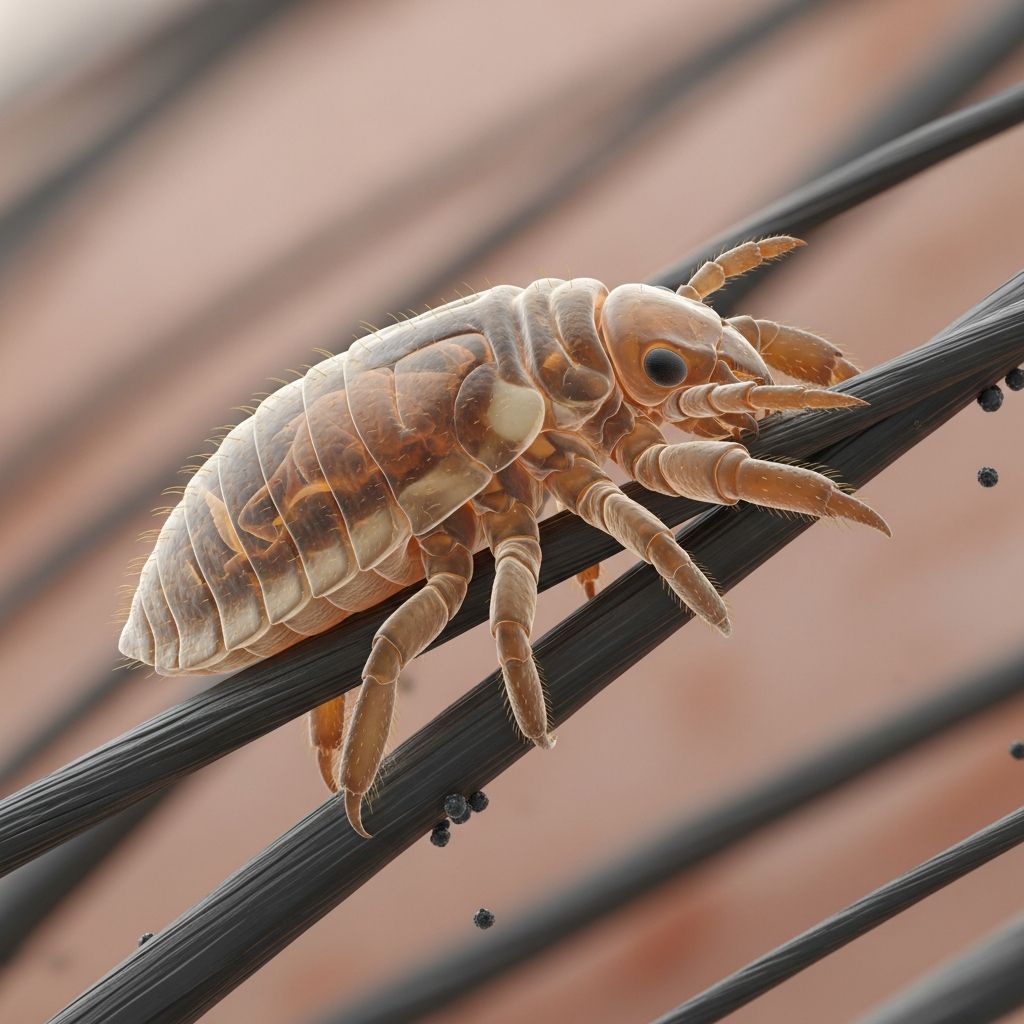
Understanding Pubic Lice (Crabs)
Pubic lice, commonly referred to as crabs, are small parasitic insects that infest the pubic hair and surrounding areas of the body. These tiny creatures are distinct from head lice and body lice, belonging to a different species altogether. Pubic lice are a relatively common sexually transmitted infection (STI) that affects thousands of people annually. Understanding what pubic lice are, how they spread, and how to treat them is essential for maintaining sexual health and preventing transmission to partners.
The scientific name for pubic lice is Pthirus pubis, and these insects are approximately the size of a sesame seed. They have a crab-like appearance, which is why they earned the nickname “crabs.” Unlike head lice, which can jump or hop, pubic lice move by crawling and require close physical contact to spread from one person to another.
What Causes Pubic Lice?
Pubic lice infestations are primarily transmitted through sexual contact with an infected person. The parasites attach themselves to pubic hair and feed on blood from the skin. During intimate contact, these lice can easily transfer from one person to another. However, it is important to note that pubic lice transmission is not limited to sexual contact alone.
Other less common transmission methods include:
– Sharing contaminated clothing, bedding, or towels- Using infested furniture or toilet seats- Close body contact in non-sexual situations
Pubic lice do not discriminate based on hygiene levels, socioeconomic status, or age. Anyone who comes into close contact with an infected person can potentially contract the parasites. It is crucial to understand that having pubic lice does not indicate poor personal hygiene or reflect on a person’s character.
Recognizing Symptoms of Pubic Lice
The most common symptom of pubic lice infestation is intense itching in the pubic area. This itching typically begins a few days to a week after initial infestation and can become increasingly bothersome over time. The itching may be more pronounced at night or after physical activity.
Additional symptoms may include:
– Small red or bluish bumps on the skin where lice have bitten- Visible lice or nits (lice eggs) attached to pubic hair- Small dark spots on the skin or underwear (which may be lice feces)- A rash or skin irritation from scratching- Inflammation or soreness in affected areas
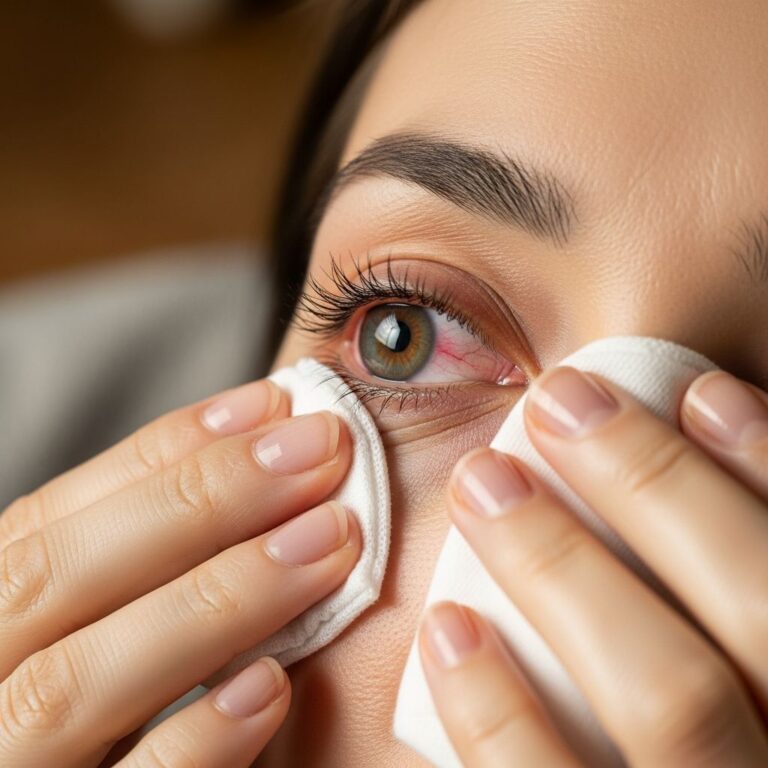
In some cases, pubic lice may also infest other body areas with coarse hair, such as the underarms, chest, legs, beard, or eyebrows. Infestations on the eyelashes and eyebrows are less common but do occur and require special treatment considerations.
Diagnosis of Pubic Lice
Diagnosing pubic lice typically involves a visual examination of the affected area. Your healthcare provider can usually confirm an infestation by observing moving lice on the pubic hair or skin. The presence of nits (lice eggs) attached to hair shafts also indicates infestation, though it is important to note that nits can remain attached to hairs even after successful treatment when the lice are no longer alive.
Related Stories



If you suspect you have pubic lice, you can perform an initial self-examination using a magnifying glass to look for moving insects or nits. However, a healthcare provider can provide a definitive diagnosis and rule out other conditions that may cause similar symptoms, such as fungal infections or dermatitis.
During your medical evaluation, your doctor may also recommend testing for other sexually transmitted infections, as individuals with one STI have an increased risk of having others.
Over-the-Counter Treatment Options
The primary treatment for pubic lice is topical medication applied directly to the affected areas. Several effective over-the-counter options are available without requiring a prescription.
Permethrin-Based Treatments
Permethrin 1% lotion (marketed under brand names like Nix) is one of the most commonly recommended over-the-counter treatments for pubic lice. This medication is applied directly to the infested area and left on for the time specified in the package instructions, typically 10 minutes. Permethrin works by disrupting the nervous system of the lice, effectively killing them and their eggs. It is considered safe and effective when used according to directions.
Pyrethrin-Based Treatments
Pyrethrin mousse combined with piperonyl butoxide is another popular over-the-counter option. This natural insecticide derived from chrysanthemum flowers works similarly to permethrin by paralyzing and killing lice. Like permethrin products, pyrethrin-based treatments are applied to affected areas and washed off after the recommended time period.
Application Instructions for Over-the-Counter Treatments
Proper application is crucial for successful treatment. Follow these general guidelines:
– Wash the infested area and towel dry completely- Carefully read all package instructions before beginning- Apply the lice-killing medication generously to all pubic hair and infested areas- Keep the medication on for the exact time recommended on the package or label- Carefully follow all removal instructions provided- Put on clean underwear and clothing after treatment
After treatment, most nits will still be attached to hair shafts. These can be removed using your fingernails or a fine-toothed nit comb. While not always necessary for treatment success, removing nits helps prevent reinfestation and confirms that treatment was effective.
Prescription Treatment Options
If over-the-counter treatments fail after one or two applications, or if you cannot use standard treatments due to allergies or medical conditions, prescription alternatives are available.
Malathion
Malathion is a prescription lotion that is applied to affected areas and washed off after eight to twelve hours. This medication is particularly useful for individuals who have not responded to over-the-counter treatments.
Ivermectin
Ivermectin (Stromectol) is an oral medication taken as a single dose of two pills, with the option to take a second dose after ten days if necessary. This systemic treatment is beneficial for individuals with widespread infestations or those unable to apply topical treatments.
Eyelash and Eyebrow Treatment
If pubic lice are found on eyelashes or eyebrows, standard topical treatments cannot be used due to the risk of eye irritation. Instead, prescription ophthalmic-grade petrolatum ointment should be carefully applied to the eyelid margins two to four times daily for ten days. This treatment may need to be repeated for several weeks. It is essential to use only ophthalmic-grade petrolatum, not regular petroleum jelly like Vaseline, as regular products can irritate the eyes.
Self-Care and Additional Treatment Steps
Successfully treating pubic lice requires more than just applying medication to affected areas. A comprehensive approach involving personal hygiene and environmental decontamination is necessary.
Laundering Contaminated Items
Bedding, clothing, and towels used during the two to three days before treatment must be thoroughly washed and dried to eliminate any remaining lice or nits. Use hot water at a temperature of at least 130°F (54°C) and dry items using the high heat setting of the dryer for at least twenty minutes. Items that cannot be washed, such as dry-clean only clothing, should either be dry cleaned or sealed in a plastic bag and stored for two weeks, which is sufficient time for lice and nits to die without a human host.
Repeat Treatment
If you find live lice present after the initial treatment, repeat the application nine to ten days after the first treatment. This timing allows newly hatched lice to reach a stage where medication can effectively kill them. Most cases require only one or two treatments for complete elimination.
Partner Notification
All sexual partners from the past month should be informed that they are at risk for infestation and need treatment. Avoid sexual contact with partners until both they and you have completed treatment and ruled out continued infestation. This prevents reinfection and transmission cycles.
Common Misconceptions About Pubic Lice Treatment
Several myths surround pubic lice treatment that can lead to ineffective or unnecessary interventions.
Shaving Does Not Eliminate Pubic Lice
A common misconception is that shaving pubic hair will eliminate crabs. This is false. Pubic lice are resilient parasites that can survive on other body hair, including hair on the armpits, legs, chest, beard, and eyelashes. Shaving alone will not get rid of an established infestation and should not be relied upon as a treatment method. However, combining appropriate topical medication with shaving may be helpful as part of a comprehensive treatment strategy.
Pubic Lice Do Not Resolve Without Treatment
Another important misconception is that pubic lice will eventually disappear on their own. This is incorrect. Without proper treatment, female crabs will continue laying eggs indefinitely, causing a continuous cycle of new lice hatching. Professional or over-the-counter treatment is necessary to break this cycle and eliminate the infestation.
Prevention Strategies
While not always possible to prevent pubic lice completely, certain practices can significantly reduce the risk of infection or transmission.
– Avoid sexual contact with individuals who have untreated pubic lice- Do not share personal items such as clothing, towels, bedding, or bathing suits- If trying on bathing suits in retail environments, keep your underwear on- Avoid close body contact with infected individuals until they have completed treatment- Practice regular personal hygiene and wash bedding, clothing, and towels in hot water regularly
When to Seek Medical Attention
While many cases of pubic lice can be successfully treated with over-the-counter medications, certain situations warrant professional medical evaluation. Contact a healthcare provider if:
– You are unsure whether you have pubic lice- Over-the-counter treatments have not been effective after two applications- You experience severe allergic reactions to lice medications- You are pregnant or breastfeeding and need alternative treatments- You have infestations on your eyelashes or eyebrows- You have other symptoms suggesting sexually transmitted infections
Additionally, anyone diagnosed with pubic lice should be evaluated and tested for other sexually transmitted infections, as individuals with one STI have an increased risk of having others.
Frequently Asked Questions
Q: How long does it take for pubic lice symptoms to appear after exposure?
A: Symptoms typically begin appearing a few days to a week after initial infestation, though some individuals may not notice symptoms for several weeks.
Q: Can pubic lice be transmitted through toilet seats or swimming pools?
A: Transmission through toilet seats or public swimming pools is extremely rare, as pubic lice require close body contact and cannot survive long away from a human host.
Q: Is one treatment sufficient to eliminate pubic lice?
A: Usually one treatment is sufficient if applied correctly. However, if live lice are found nine to ten days after initial treatment, a second application may be necessary.
Q: Are over-the-counter lice treatments safe for everyone?
A: Most over-the-counter treatments are safe when used as directed. However, individuals with known skin sensitivity or those who are pregnant should consult a healthcare provider for alternative options.
Q: What should I do if over-the-counter treatments don’t work?
A: If over-the-counter treatments fail, consult a healthcare provider who can prescribe stronger medications such as malathion or ivermectin.
References
- Pubic Lice | Crabs — MedlinePlus (National Library of Medicine). Accessed 2025. https://medlineplus.gov/pubiclice.html
- Pubic Lice (Crabs) – Diagnosis & Treatment — Mayo Clinic. 2024. https://www.mayoclinic.org/diseases-conditions/pubic-lice-crabs/diagnosis-treatment/drc-20350306
- Treatment of Pubic Lice — Centers for Disease Control and Prevention. 2024. https://www.cdc.gov/lice/treatment/pubic-lice.html
- What Do Crabs Feel Like? Your Pubic Lice Questions Answered — Flo Health. 2024. https://flo.health/menstrual-cycle/sex/stis/crabs-or-pubic-lice
- Can You Get Rid of Crabs by Shaving? — MedicineNet. Accessed 2025. https://www.medicinenet.com/can_you_get_rid_of_crabs_by_shaving/article.htm
- Parasites: Types, Symptoms, Treatment & Prevention — Cleveland Clinic. 2024. https://my.clevelandclinic.org/health/diseases/24911-parasites
Similar Articles








Read full bio of Sneha Tete