Pubic Lice: Complete Guide To Symptoms, Treatment, Prevention
Comprehensive insights into recognizing, treating, and preventing pubic lice infestations effectively.
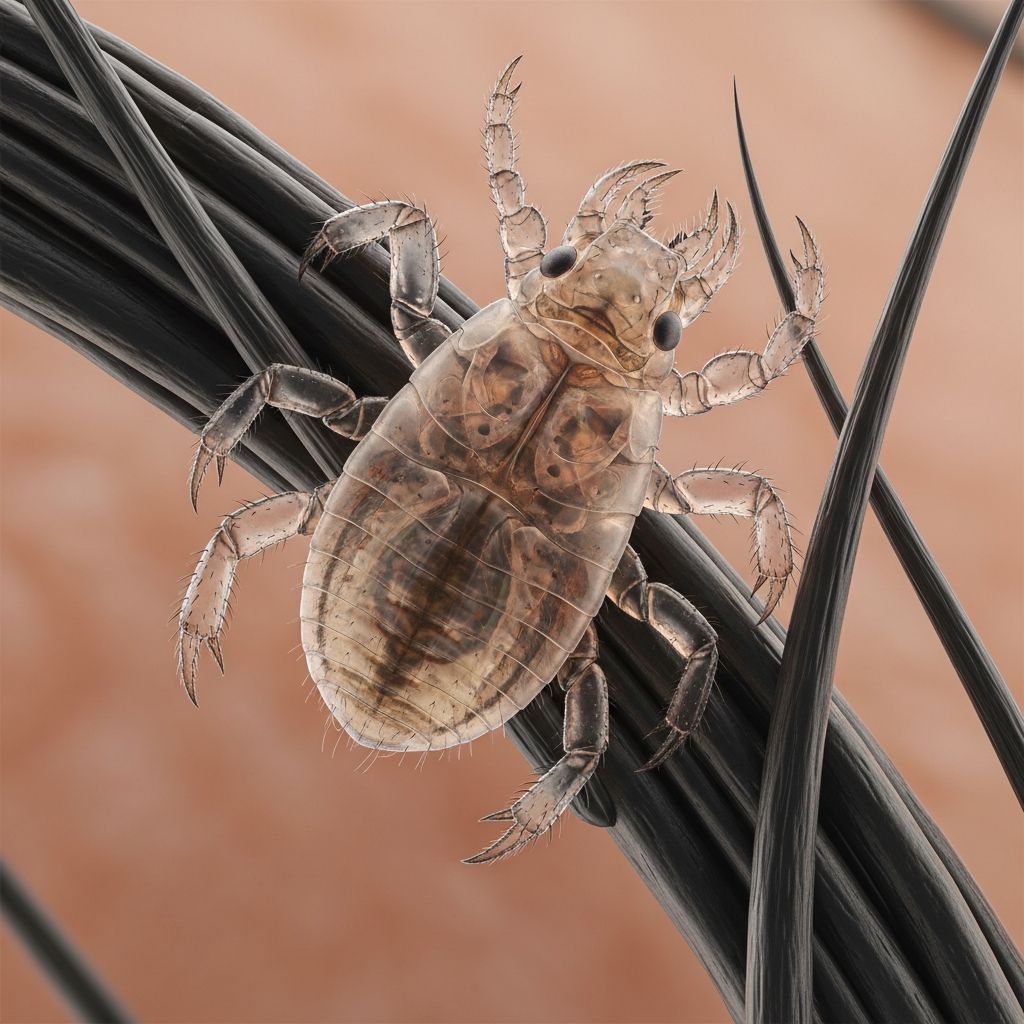
Pubic lice, commonly known as crabs, represent a frequent parasitic infestation affecting coarse body hair, particularly in the genital region. These tiny insects provoke significant discomfort through persistent itching but pose no grave health threats when addressed promptly. Understanding their biology, spread, and management empowers individuals to resolve infestations efficiently.
Understanding Pubic Lice Biology
Pubic lice are small, wingless parasites measuring about 1-2 mm in length, with a crab-like shape due to their wide bodies and strong claws adapted for gripping hair shafts. They reside primarily in pubic hair but can migrate to armpits, beards, chest hair, eyebrows, or eyelashes. These lice sustain themselves by feeding on human blood multiple times daily, injecting saliva that often triggers an allergic response manifesting as itchiness.
Unlike head lice, pubic lice favor thicker, coarser hairs and cannot survive long off the human host, typically perishing within 24-48 hours without a blood meal. Females lay 30-50 eggs, or nits, which adhere firmly to hair bases with a cement-like substance. Nits hatch into nymphs within a week, maturing into adults in 10-14 days to perpetuate the cycle.
Recognizing Symptoms of Infestation
The hallmark symptom of pubic lice is intense itching, especially noticeable at night when lice activity peaks. This arises from bites that cause minute red or blue spots on the skin, sometimes developing into sores from excessive scratching.
- Primary signs: Severe pruritus in pubic area, worsening nocturnally.
- Visible indicators: Adult lice (grayish-brown, sesame-seed sized), nits (white/yellow oval dots on hair shafts), or bite marks.
- Secondary effects: Skin irritation, secondary bacterial infections from scratching, or bluish macules on thighs/abdomen.
Not everyone experiences symptoms; some remain asymptomatic carriers, unknowingly spreading the parasites. Symptoms typically emerge 5 days to several weeks post-infestation, depending on individual sensitivity.
How Pubic Lice Spread
Transmission occurs via direct skin-to-skin contact, most frequently during sexual activity, including vaginal, anal, or oral sex. The lice crawl between hairs without jumping or flying. Non-sexual spread is possible through shared bedding, towels, clothing, or close hugging, though less common.
In children, eyebrow or eyelash infestations may signal abuse but can also result from infested household items. Pubic lice do not transmit via toilet seats, swimming pools, or casual contact, dispelling common myths.
| Transmission Route | Commonality | Risk Factors |
|---|---|---|
| Sexual contact | High | Multiple partners, unprotected sex |
| Shared linens/clothing | Medium | Close living quarters, hostels |
| Non-intimate contact | Low | Prolonged hugging |
| Indirect surfaces | Very low | Not viable due to short survival off-host |
Accurate Diagnosis Methods
Diagnosis relies on visual inspection using magnification or good lighting to spot lice, nits, or bites. Part hairs systematically, checking from pubic mound to perianal area and adjacent body hairs. Healthcare providers confirm via dermoscopy if needed.
Related Stories



Differentiate nits from dandruff by their firm attachment; viable nits appear pearl-like, empty ones translucent. Self-examination suffices for most, but consult a clinician for eye-area involvement or persistent symptoms.
Effective Treatment Options
Treatment centers on pediculicides that eradicate lice and nits. Over-the-counter (OTC) products suffice in most cases, with prescriptions for resistant strains. Always follow package instructions precisely.
OTC Treatments
- Permethrin lotion (1%): Apply to dry affected areas, leave 10 minutes, rinse. Brands: Nix®.
- Pyrethrins with piperonyl butoxide: Similar application; brands: RID®, A-200®.
Repeat after 7-10 days to kill hatched nymphs. Comb out nits post-treatment using a fine-tooth lice comb.
Prescription Alternatives
- Ivermectin (oral): Two doses 7-14 days apart; kills lice upon blood ingestion.
- Malathion lotion (0.5%): Apply for 8-12 hours, rinse; effective against resistant lice.
- Lindane shampoo: Last resort due to neurotoxicity risks; avoid in pregnancy/children.
Special cases: For eyelashes, use petroleum jelly occlusive twice daily for 8-10 days or consult ophthalmologist. Pregnant/breastfeeding individuals should seek medical advice before treatment.
Essential Supportive Measures
Enhance treatment efficacy with hygiene steps:
- Machine-wash bedding, towels, underwear in hot water (>60°C), dry on high heat.
- Vacuum furniture/upholstery; seal non-washables in plastic bags for 2 weeks.
- Shave pubic hair optionally to ease inspection, but not required.
- Avoid sex until 2 weeks post-treatment or lice-free confirmation.
- Notify recent partners (past 2 months) for simultaneous treatment.
Antihistamines or hydrocortisone cream alleviate post-treatment itch, lasting days. Do not use regular shampoos, hot baths, or insecticides—they fail against lice.
Complications and When to Seek Help
Infestations rarely cause serious issues beyond irritation. Vigorous scratching risks bacterial superinfections (e.g., impetigo). Seek medical care if OTC fails after second application, symptoms persist beyond 2 weeks, eye involvement occurs, or widespread body hair is affected.
Co-testing for STIs is advisable given common sexual transmission routes.
Proven Prevention Strategies
Prevent reinfestation by:
- Limiting sexual partners and using barriers (though not fully protective).
- Not sharing personal items like towels or razors.
- Regular self-checks after new partners.
- Treating all household/close contacts prophylactically if exposed.
Hygiene myths debunked: Pubic lice ignore cleanliness, targeting anyone via contact.
Frequently Asked Questions (FAQs)
Can pubic lice affect children?
Yes, typically via non-sexual contact or abuse. Eyebrow/eyelash cases warrant child protection evaluation.
Do I need to shave my hair?
No, it’s unnecessary; treatments work on haired areas. Shaving aids visibility but doesn’t kill lice.
How long until symptoms resolve?
Most clear within 1-2 weeks with proper treatment; itch may linger.
Are pubic lice an STI?
Not a disease but often sexually transmitted; test for true STIs recommended.
Can pets get pubic lice?
No, human-exclusive parasites.
Key Takeaways
Pubic lice are manageable with OTC pediculicides, hygiene protocols, and partner notification. Prompt action prevents spread and discomfort. Consult professionals for atypical cases.
References
- Pubic Lice | Crabs – MedlinePlus — U.S. National Library of Medicine. 2023-10-15. https://medlineplus.gov/pubiclice.html
- Pubic Lice (Crabs): Bites, Symptoms, Treatment & Prevention — Cleveland Clinic. 2024-05-22. https://my.clevelandclinic.org/health/diseases/4522-pubic-lice-crabs
- Pubic lice (crabs) – treatment, symptom and prevention — Healthdirect Australia. 2024-01-10. https://www.healthdirect.gov.au/pubic-lice-crabs
- Pubic lice – NHS — National Health Service (UK). 2023-11-08. https://www.nhs.uk/conditions/pubic-lice/
- Pubic lice (crabs) – Better Health Channel — State of Victoria (Australia). 2024-02-01. https://www.betterhealth.vic.gov.au/health/conditionsandtreatments/pubic-lice-crabs
- Pubic lice (crabs) – Symptoms & causes – Mayo Clinic — Mayo Clinic. 2023-12-18. https://www.mayoclinic.org/diseases-conditions/pubic-lice-crabs/symptoms-causes/syc-20350300
Similar Articles








Read full bio of medha deb