Pubic Lice: Symptoms, Causes, and Treatment
Complete guide to understanding, identifying, and treating pubic lice infestation.
What Are Pubic Lice?
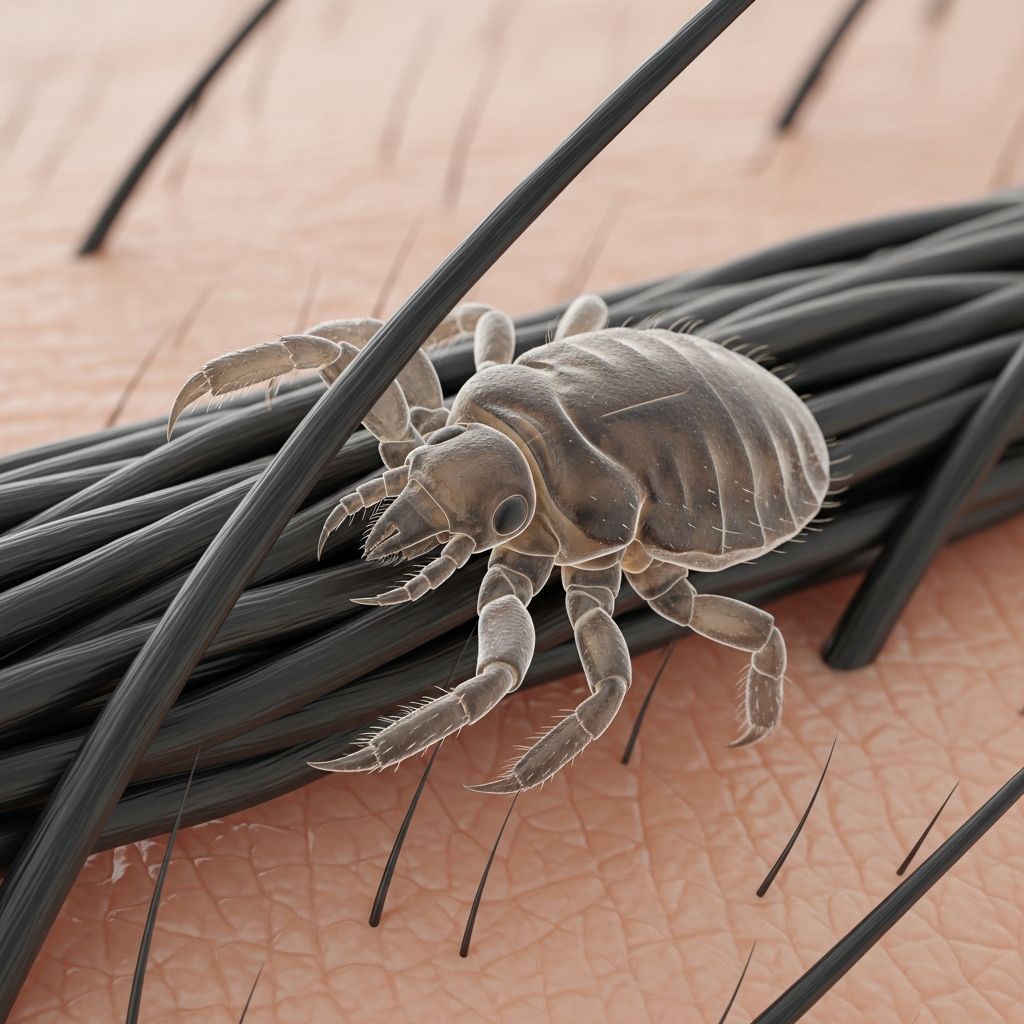
Pubic lice, scientifically known as Pthirus pubis, are tiny, wingless parasitic insects that infest the pubic hair area and lay eggs there. These six-legged creatures are adapted to a sedentary lifestyle on coarse body hair and are typically found in the pubic region, though they can also inhabit armpit hair, chest hair, facial hair, eyelashes, eyebrows, and occasionally the scalp. Pubic lice infestation is classified as a sexually transmitted disease (STD) and affects an estimated 2 to 10 percent of human populations worldwide.
Unlike their cousins, the head louse and body louse, pubic lice are highly specialized parasites that rarely leave their host’s body. They depend entirely on human blood for survival and cannot survive more than a day or two without feeding. This dependency makes them immobile and vulnerable outside the human body, which is why transmission occurs almost exclusively through close physical contact.
How Pubic Lice Are Transmitted
Sexual contact remains the primary transmission route for pubic lice. During sexual activity, the parasites transfer from one infected person to another. However, transmission is not limited exclusively to sexual contact. Although less common, pubic lice can spread through contact with contaminated objects, including toilet seats, sheets, blankets, and clothing such as bathing suits. They may also be transmitted through shared towels, linens, and bedding with an infected person.
It is important to note that animals cannot carry or spread pubic lice to humans. This distinction is crucial for understanding transmission risk and avoiding unnecessary concerns about pet-related infection.
Risk Factors for Pubic Lice Infection
Several factors increase the likelihood of developing a pubic lice infestation:
- Having multiple sexual partners
- Engaging in high-risk sexual behavior
- Sexual contact with someone who has pubic lice or engages in high-risk sexual behavior
- Sharing clothing, towels, or linens with an infected person
- Close body contact with an infected individual
Men who have sex with men report higher incidence rates of pubic lice infection. However, individuals without identified risk factors can still acquire this infection through unexpected exposures.
Identifying Pubic Lice: Symptoms and Signs
Recognizing the symptoms of pubic lice is essential for early detection and treatment. Symptoms vary in onset, and some individuals may not notice signs immediately after infection.
Common Symptoms
The most prevalent symptom of pubic lice infestation is intense itching, particularly in the pubic area and other regions with coarse hair. However, itching may not begin until two to four weeks after initial exposure, which can delay diagnosis and awareness of infection.
Additional common symptoms include:
- Black specks in underwear, representing lice droppings
- Small red or blue spots on the skin from lice bites
- White or yellow dots attached to hair shafts, which are lice eggs (nits)
- Dark red or brown spots in underwear from lice fecal matter
- Small, slow-moving insects visible in pubic hair or other coarse body hair
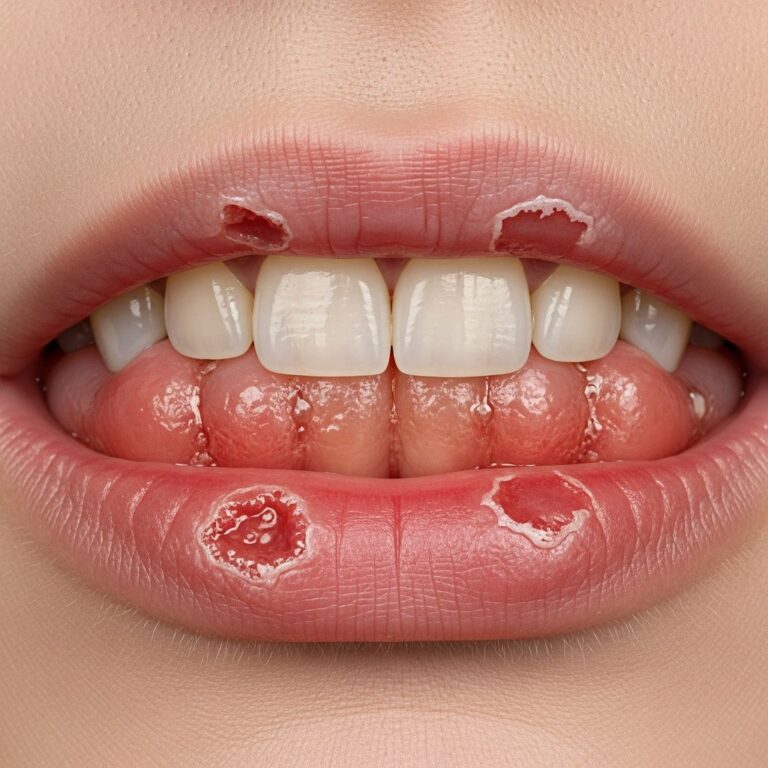
- Sores and scabs in the affected area from scratching and secondary skin damage
- Itching that worsens at night
- Crusted or sticky eyelashes if they are affected
Related Stories



When to Seek Medical Attention
Certain symptoms warrant prompt medical evaluation, as they may indicate complications or coexisting conditions:
- Abnormal discharge from the genital area
- Pelvic pain
- Pubic itching and sores without visible nits or crawling lice
- Pus or redness in the pubic area
- Persistent symptoms despite self-treatment attempts
These warning signs could suggest a secondary infection, coexisting STD, or other serious health conditions requiring professional medical assessment.
Treatment Options for Pubic Lice
Pubic lice respond well to medical treatment, with multiple effective options available. Over-the-counter and prescription medications can successfully eliminate both the adult lice and their eggs.
Medication-Based Treatments
The primary treatment approach involves medicated creams, shampoos, lotions, or foams that kill the lice. Permethrin-based treatments are particularly effective, with 1 to 5 percent permethrin cream rinse being considered an excellent option. To use permethrin treatment:
- Thoroughly work the medicine into your pubic hair and surrounding areas
- Leave the treatment on for at least 5 to 10 minutes, or as directed by your healthcare provider
- Rinse well with water
- Repeat the treatment one week later to eliminate any newly hatched lice
If over-the-counter treatments prove ineffective, prescription medications are available through healthcare providers. It is critical to read and follow all medication directions carefully to ensure successful treatment outcomes.
Nit Removal
After applying lice-killing medication, removing remaining nits (eggs) is essential for complete eradication. Methods include:
- Using fingernails to pick nits from hair shafts
- Combing with a fine-tooth comb
- Applying vinegar to pubic hair before combing to help loosen nits
Healthcare providers may request a follow-up visit approximately one week after treatment completion to verify that all lice have been eliminated.
Environmental Decontamination
Preventing reinfestation requires thorough cleaning of personal items and living spaces. Recommended measures include:
- Washing all clothing, towels, and linens in hot water and drying on high heat settings
- Dry cleaning items that cannot withstand hot water washing
- Sealing clothing, towels, and linens that cannot be washed in plastic bags for two weeks to suffocate remaining lice
Partner Notification and Treatment
A critical aspect of managing pubic lice infection is notifying and treating sexual partners. All current and recent sexual partners should be referred for evaluation and treatment, even if they do not exhibit symptoms. This approach prevents reinfection cycles and breaks the transmission chain.
Additionally, sexual contact should be abstained from until both you and your partner(s) have completed treatment and have no remaining lice or nits. This precaution ensures complete eradication and prevents spreading the infestation.
Potential Complications
While pubic lice are generally not life-threatening, untreated infestations can lead to several complications:
- Secondary skin infections from scratching and breaking the skin barrier, potentially caused by bacteria
- Chronic itching that may result from overuse of pediculicide treatments
- Nonrestorative sleep due to nighttime itching disrupting rest quality
- Coexistence with other sexually transmitted infections, as pubic lice and STDs often occur together
- Spread to sexual partners or close contacts if left untreated
Following a comprehensive treatment plan designed by you and your healthcare professional significantly reduces the risk of experiencing these complications.
Prevention Strategies
Preventing pubic lice infection involves practicing safe sexual habits and maintaining good hygiene practices:
- Limit sexual partners and engage in safe sexual practices with known partners
- Avoid sharing personal items such as towels, linens, and clothing with others
- Use caution when trying on clothing in retail environments, particularly swimwear
- Maintain regular personal hygiene
- Communicate openly with sexual partners about sexual health status
Common Misconceptions About Pubic Lice
Several myths and misconceptions surround pubic lice treatment and transmission. Research indicates that many people incorrectly believe antibiotics are an effective treatment for pubic lice infestation. This misunderstanding can delay appropriate treatment and perpetuate infection. Additionally, some individuals hold negative attitudes toward pesticide creams, which are actually the most effective prescription treatments available. Education about accurate information is essential for proper management of this infection.
Frequently Asked Questions About Pubic Lice
Q: How quickly do symptoms appear after exposure to pubic lice?
A: Itching may begin soon after infection, but it often does not start until two to four weeks after exposure, which can delay diagnosis and treatment initiation.
Q: Can pubic lice be transmitted through toilet seats?
A: While uncommon, pubic lice can spread through contact with contaminated objects such as toilet seats, sheets, and blankets, though sexual contact remains the primary transmission route.
Q: How long does treatment take to work?
A: Most treatments require application for 5 to 10 minutes, with a second application one week later for optimal results. Healthcare providers may recommend a follow-up visit after one week to confirm successful eradication.
Q: Should my sexual partner be treated even if they have no symptoms?
A: Yes, all current and recent sexual partners should be evaluated and treated, even without visible symptoms, to prevent reinfection and transmission.
Q: Can animals spread pubic lice to humans?
A: No, animals cannot carry or spread pubic lice to humans. Transmission occurs exclusively through human-to-human contact or contaminated objects.
Conclusion
Pubic lice are a manageable parasitic infection that responds well to appropriate medical treatment. Early recognition of symptoms, prompt treatment with approved medications, thorough environmental decontamination, and partner notification are essential components of successful management. Understanding transmission routes and risk factors enables individuals to take preventive measures and reduce infection likelihood. If you suspect pubic lice infection, consult a healthcare provider for accurate diagnosis and personalized treatment recommendations.
References
- Pubic Lice – Symptoms, Causes, Treatments — Healthgrades. 2024. https://resources.healthgrades.com/right-care/sexual-health/pubic-lice
- Pubic Lice (Pthirus pubis): History, Biology and Treatment vs. Prevention — National Institutes of Health (NIH). 2008. https://pmc.ncbi.nlm.nih.gov/articles/PMC2672365/
- Pubic Lice — National Health Service (NHS). 2024. https://www.nhs.uk/conditions/pubic-lice/
- Pubic Lice: MedlinePlus Medical Encyclopedia — U.S. National Library of Medicine. 2024. https://medlineplus.gov/ency/article/000841.htm
- Pubic Lice — Kaiser Permanente. 2024. https://healthy.kaiserpermanente.org/health-wellness/health-encyclopedia/he.pubic-lice.abr8715
Similar Articles








Read full bio of medha deb