Puffy Eyes: 12 Common Causes and Treatments
Discover the 12 most common reasons for puffy eyes, from everyday habits to medical conditions, plus expert tips for effective relief and prevention.
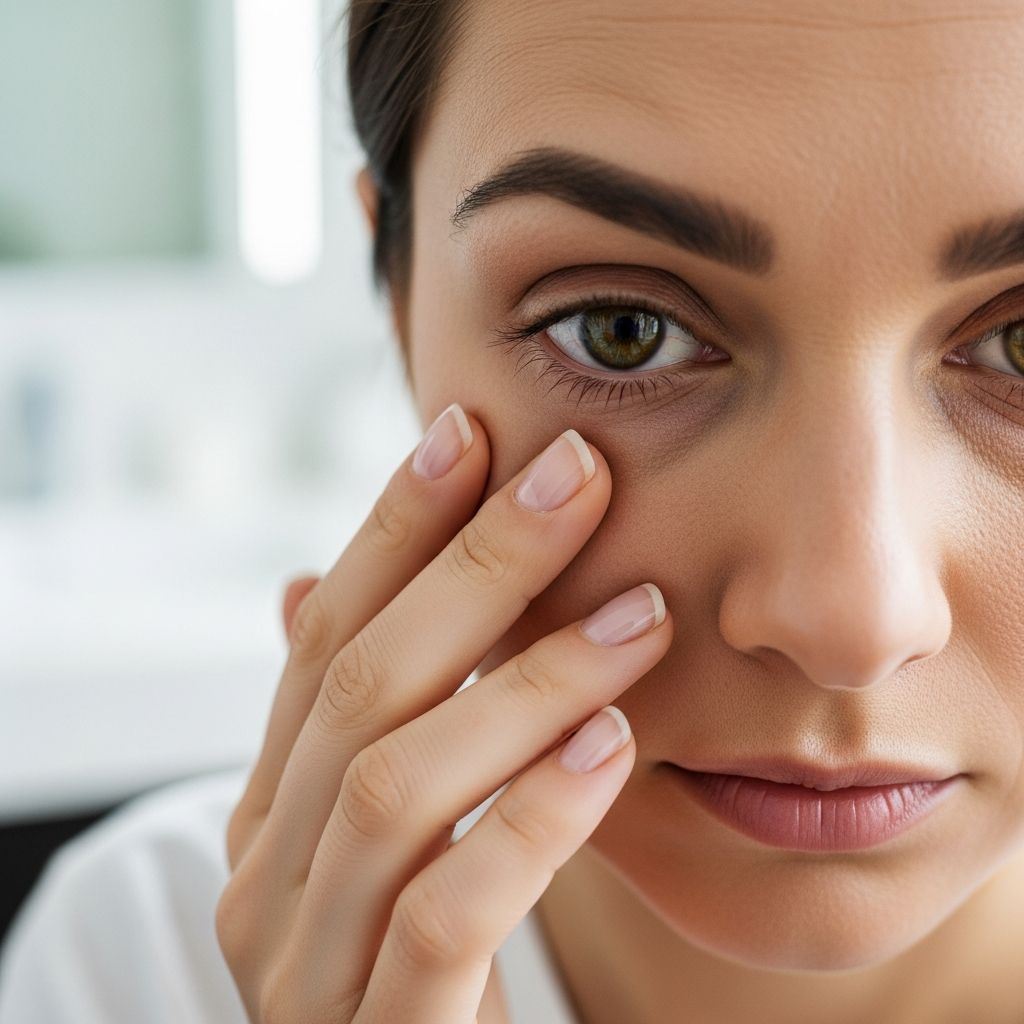
Puffy eyes, characterized by swelling around the eyelids and under-eye area, affect millions due to fluid buildup in the delicate periorbital tissues. This condition, while often benign, can signal lifestyle issues or underlying health problems. Understanding the triggers is key to effective management.
What Are Puffy Eyes?
Puffy eyes occur when excess fluid accumulates in the thin skin surrounding the eyes, making the area appear swollen and sometimes discolored. The skin here is among the body’s thinnest, amplifying even minor inflammation or retention. Morning puffiness is common as gravity allows fluid to settle overnight while lying down.
12 Common Causes of Puffy Eyes
Several factors contribute to eye puffiness, ranging from daily habits to genetic predispositions. Here are the primary culprits:
- Fatigue or Lack of Sleep: Insufficient rest dilates blood vessels under the eyes, promoting fluid leakage and swelling. Poor sleep disrupts circulation, worsening morning puffiness.
- Allergies: Histamine release from allergens like pollen, dust mites, pet dander, or mold causes inflammation, vessel dilation, and fluid buildup. Allergic shiners (dark circles) often accompany this.
- High Salt Intake: Sodium prompts water retention, leading to puffiness especially after salty meals. The body holds onto fluid, concentrating it around sensitive eye tissues.
- Stress: Elevated cortisol from chronic stress impairs skin repair, alters circulation, and contributes to fluid retention and vessel dilation.
- Dehydration: Paradoxically, low water intake triggers retention as the body conserves fluids, puffing the under-eye area, particularly upon waking.
- Crying: Tears introduce salt and fluid to the area, causing temporary swelling through osmosis and irritation.
- Alcohol Consumption: Alcohol dehydrates while promoting retention, dilating vessels and exacerbating puffiness.
- Smoking: Toxins damage collagen, weaken tissues, and inflame the area, accelerating aging-related puffiness.
- Aging: Loss of skin elasticity, collagen, and muscle support allows fat herniation and fluid pooling. Tissues weaken, sagging into bags.
- Genetics: Inherited traits like thin skin or fat pad prominence predispose individuals to chronic under-eye bags.
- Sinus Issues or Infections: Congestion pressures vessels, causing pooling and swelling. Conditions like sinusitis mimic allergies.
- Medical Conditions: Thyroid disorders, dermatitis, or renal disease lead to systemic fluid retention affecting the eyes.
Why Do My Eyes Get Puffy in the Morning?
Morning puffiness results from overnight fluid accumulation. While upright, blinking and gravity aid drainage; lying flat allows pooling in facial tissues, especially with age-related reduced elasticity. High salt dinner, alcohol, or allergies intensify this.
Puffy Eyelids vs. Under-Eye Bags
| Aspect | Puffy Eyelids | Under-Eye Bags |
|---|---|---|
| Cause | Temporary fluid/inflammation | Structural (fat prolapse, sagging skin) |
| Duration | Hours to days | Permanent without intervention |
| Appearance | Soft, squishy swelling | Firm, shadowy pouches |
| Treatment | Lifestyle remedies | Creams, fillers, surgery |
Puffy eyelids are acute and reversible; bags are chronic, often age-related.
When to See a Doctor for Puffy Eyes
Consult a professional if puffiness persists despite remedies, or includes pain, redness, vision changes, or asymmetry. Potential issues: infections (styes, cellulitis), blepharitis, allergies needing prescription drops, or thyroid disease. Sudden swelling may indicate orbital cellulitis—seek emergency care.
How to Get Rid of Puffy Eyes: 10 Treatments and Remedies
Targeted strategies reduce swelling effectively:
- Cold Compress: Ice packs or chilled spoons constrict vessels, draining fluid (10-15 mins).
- Cucumber Slices: Cooling and astringent properties soothe inflammation.
- Tea Bags: Caffeinated green/black tea bags reduce swelling via antioxidants and vasoconstriction.
- Hydration: Drink 8-10 glasses water daily to prevent retention.
- Reduce Salt: Limit to <2,300mg/day; opt for fresh foods.
- Sleep Elevation: Prop head 30 degrees to aid drainage.
- Eye Creams: Caffeine, hyaluronic acid, peptides firm skin.
- Antihistamines: Oral drops for allergy relief.
- Massage: Gentle tapping promotes lymph flow.
- Medical Options: Fillers, blepharoplasty for bags.
Prevention Tips to Avoid Puffy Eyes
- Sleep 7-9 hours nightly on back.
- Manage allergies with air purifiers, testing.
- Balanced diet low in sodium, alcohol.
- Quit smoking; use sunscreen daily.
- Stress reduction via exercise, meditation.
Frequently Asked Questions (FAQs)
Why are my eyes puffy every morning?
Fluid settles overnight; improve with elevation, less salt, better sleep.
Can allergies cause puffy eyes?
Yes, via histamine-induced inflammation; antihistamines help.
Does dehydration cause puffy eyes?
Yes, prompting retention; hydrate consistently.
Are under-eye bags permanent?
Often age/genetic; creams help mild cases, surgery for severe.
How long do puffy eyes last?
Hours to days for lifestyle causes; chronic needs addressing root.
Related Stories



References
- What causes puffy eyes and how do you get rid of them? — All About Vision. 2024. https://www.allaboutvision.com/eye-care/cosmetic/puffy-eyes/
- The Connection Between Puffy Eyes and Allergies — Aspire Allergy. 2024. https://www.aspireallergy.com/blog/puffy-eyes-and-allergies
- Bags under eyes – Symptoms and causes — Mayo Clinic Staff. 2024-11-27. https://www.mayoclinic.org/diseases-conditions/bags-under-eyes/symptoms-causes/syc-20369927
- How to Get Rid of Puffy Eyes Quick — ISDIN. 2024. https://www.isdin.com/us/blog/skincare/how-to-get-rid-of-puffy-eyes/
- The 9 Most Common Causes of Dark Circles & Bags Under the Eyes — WCOSmetic Surgery. 2024. https://wcosmeticsurgery.com/blog/baggy-eyelids-5-most-common-causes/
Similar Articles








Read full bio of medha deb